After several decades of dormancy, the United Kingdom has made a pivotal decision to restore its nuclear bomb capability within its air force. This strategic shift involves integrating nuclear-capable F-35A jets, marking a significant change in the country’s defense posture amid evolving global threats.
Historical Context of the UK’s Nuclear Capabilities

The United Kingdom’s nuclear history dates back to the aftermath of World War II, when the country first embarked on developing its own nuclear weapons. The UK established itself as a nuclear power with the successful test of its first atomic bomb in 1952. Over the decades, the nation maintained a robust nuclear arsenal, which included airborne capabilities until the late 1990s.
However, a combination of political, economic, and strategic factors led to the suspension of these capabilities. Several reasons contributed to this pause. Politically, there was a growing domestic opposition to nuclear weapons, driven by both ethical considerations and concerns about cost. Economically, maintaining and modernizing nuclear arsenals presented a significant financial burden. Strategically, the end of the Cold War reduced the perceived need for airborne nuclear deterrence, leading the UK to focus on other defense priorities.
Past controversies and debates have always surrounded the UK’s nuclear strategy. Domestically, there have been calls for disarmament and a move towards a non-nuclear defense policy. Internationally, the UK’s nuclear stance has often been scrutinized, especially in the context of global disarmament efforts and compliance with treaties such as the Non-Proliferation Treaty (NPT).
The Decision to Restore Nuclear Capabilities
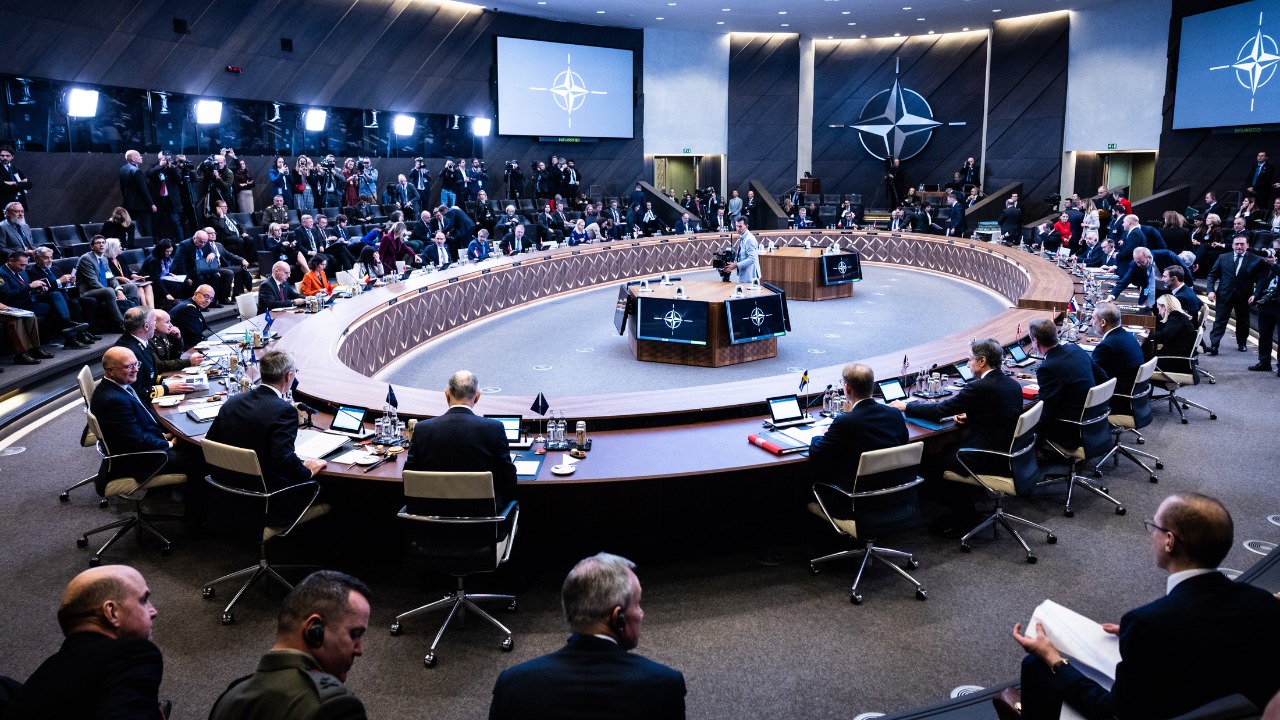
The decision to restore nuclear bomb capabilities has been influenced by several strategic motivations. The current geopolitical landscape, marked by rising tensions and the resurgence of great power competition, has necessitated a reassessment of the UK’s defense capabilities. The threat perceptions from nations like Russia and China have played a crucial role in this strategic shift. International alliances, particularly NATO, have also impacted this decision.
As a key member of NATO, the UK is committed to contributing to the alliance’s collective security strategy. The restoration of nuclear capabilities aligns with NATO’s deterrence and defense posture, reinforcing the UK’s role as a reliable ally. Government and military perspectives highlight the rationale behind this strategic shift.
UK defense officials emphasize the need to adapt to changing security environments and maintain a credible deterrent. The integration of nuclear-capable F-35A jets is seen as a necessary step to ensure the UK remains equipped to meet future challenges.
Technical and Operational Aspects
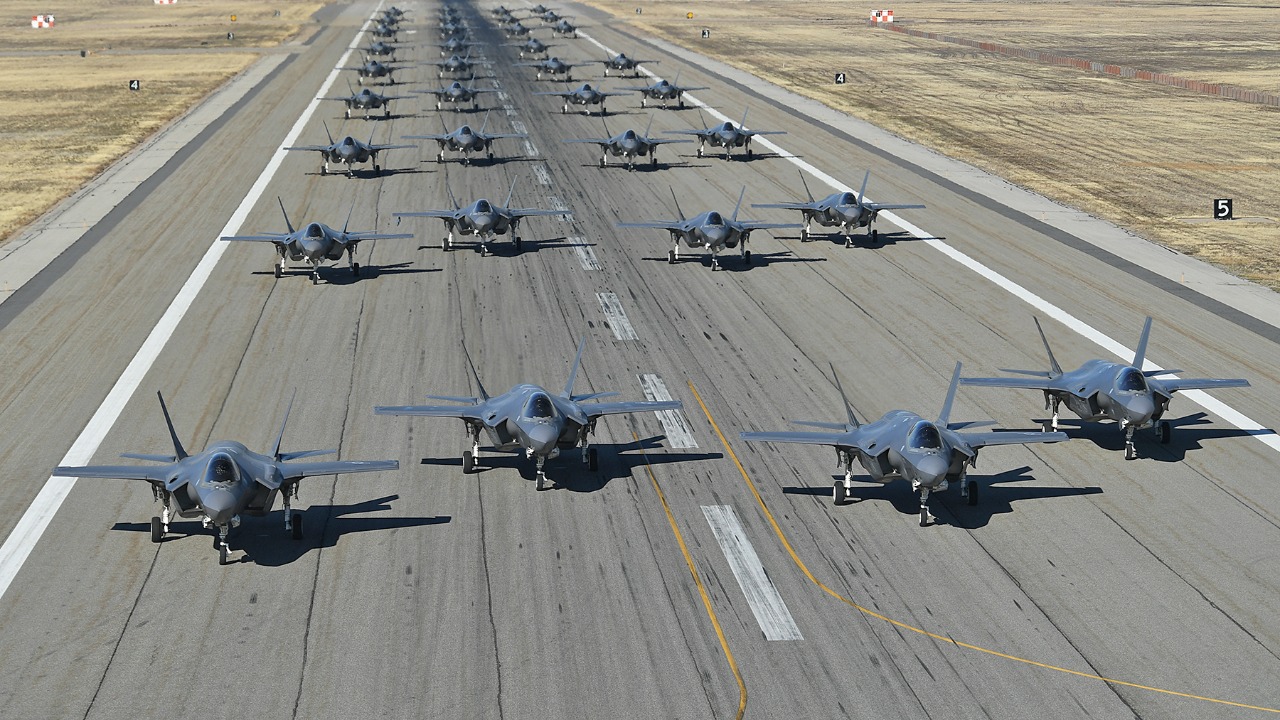
The integration of F-35A jets with nuclear capabilities involves a complex process. These jets, which are already renowned for their advanced stealth and combat capabilities, require specific modifications to carry nuclear payloads. This includes technical upgrades and rigorous testing to ensure operational readiness.
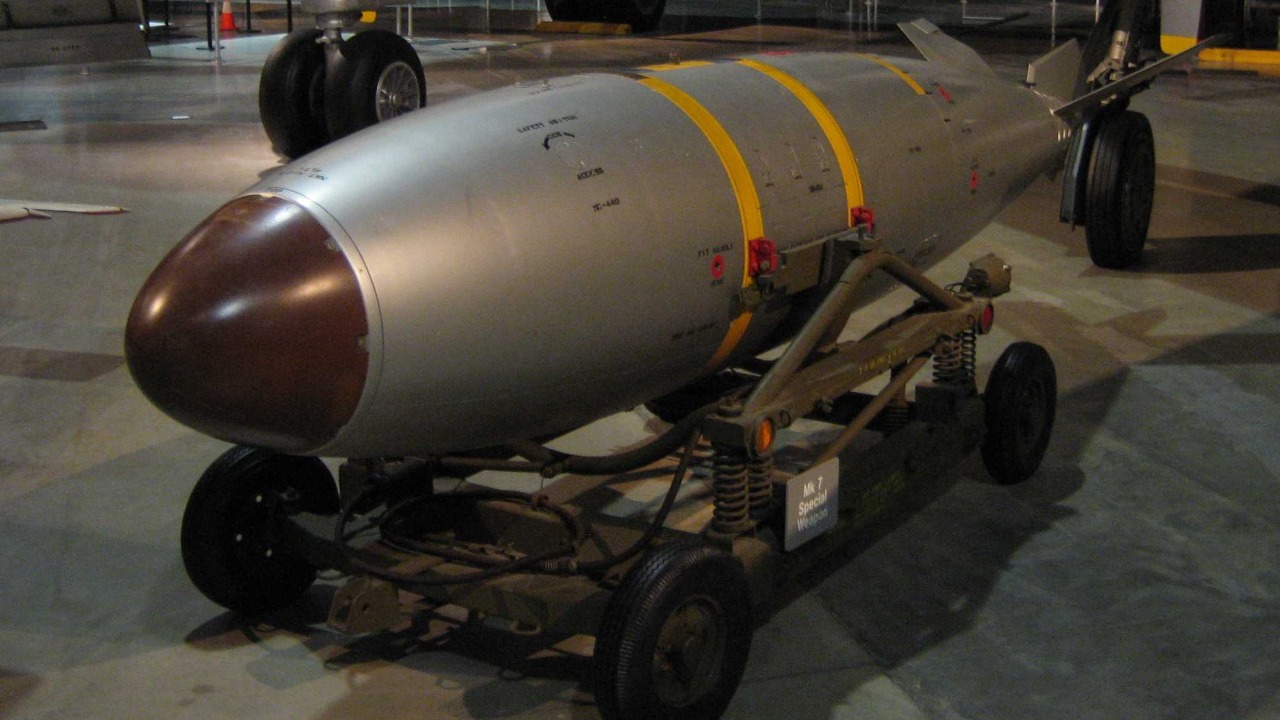
Central to the UK’s nuclear strategy is the B-61 bomb, a versatile and widely deployed nuclear weapon in the US arsenal. The B-61’s features, including adjustable yield and precision targeting, make it a critical component of the UK’s restored capabilities. Its integration into the F-35A fleet underscores the importance of maintaining a flexible and credible nuclear deterrent. US-UK collaboration plays a vital role in this endeavor.
The dynamics of US control over nuclear payloads on UK jets highlight the complexities of operational autonomy. This partnership ensures that the UK benefits from US technological expertise while adhering to shared security commitments.
Implications for Global Security
The UK’s restored nuclear capabilities have significant implications for NATO and European security. This development is likely to influence NATO’s collective security strategy, reinforcing deterrence measures and defense dynamics within Europe. The UK’s actions may prompt other European nations to reassess their own defense postures.
Global powers such as Russia and China are likely to respond to this development. Russia, in particular, may view the UK’s actions as a direct challenge, potentially escalating tensions in the region. These reactions fit within the broader context of global nuclear arms trends, where modernization and strategic recalibrations are increasingly common.
Ethical and humanitarian considerations continue to fuel debates surrounding nuclear deterrence. The moral implications of relying on nuclear weapons for security, as well as the potential humanitarian consequences of their use, remain pivotal concerns. These discussions emphasize the need for a balanced approach to global peace and stability.
Future Prospects and Challenges
Looking ahead, the UK’s long-term strategic goals involve maintaining a credible defense posture while adapting to evolving threats. Potential developments in its nuclear capabilities may include further technological advancements and strategic partnerships to enhance deterrence.
Challenges and risks associated with this strategic shift are multifaceted. Technological vulnerabilities, such as cyber threats, pose significant risks to nuclear security. Diplomatic tensions may arise from perceived escalations, and public opinion on nuclear weapons remains divided.
In light of the UK’s renewed capabilities, pathways to arms control and disarmament present both opportunities and obstacles. While the restoration of nuclear capabilities may seem contrary to disarmament efforts, it underscores the importance of dialogue and negotiation in achieving long-term stability.
