The United States is taking significant strides in its ambitious plans to mine the Moon, showcasing cutting-edge technologies and strategies that could redefine space exploration. By leveraging advanced robotics and international partnerships, the U.S. aims to extract lunar resources that could fuel future missions to Mars and beyond.
The Vision for Lunar Mining
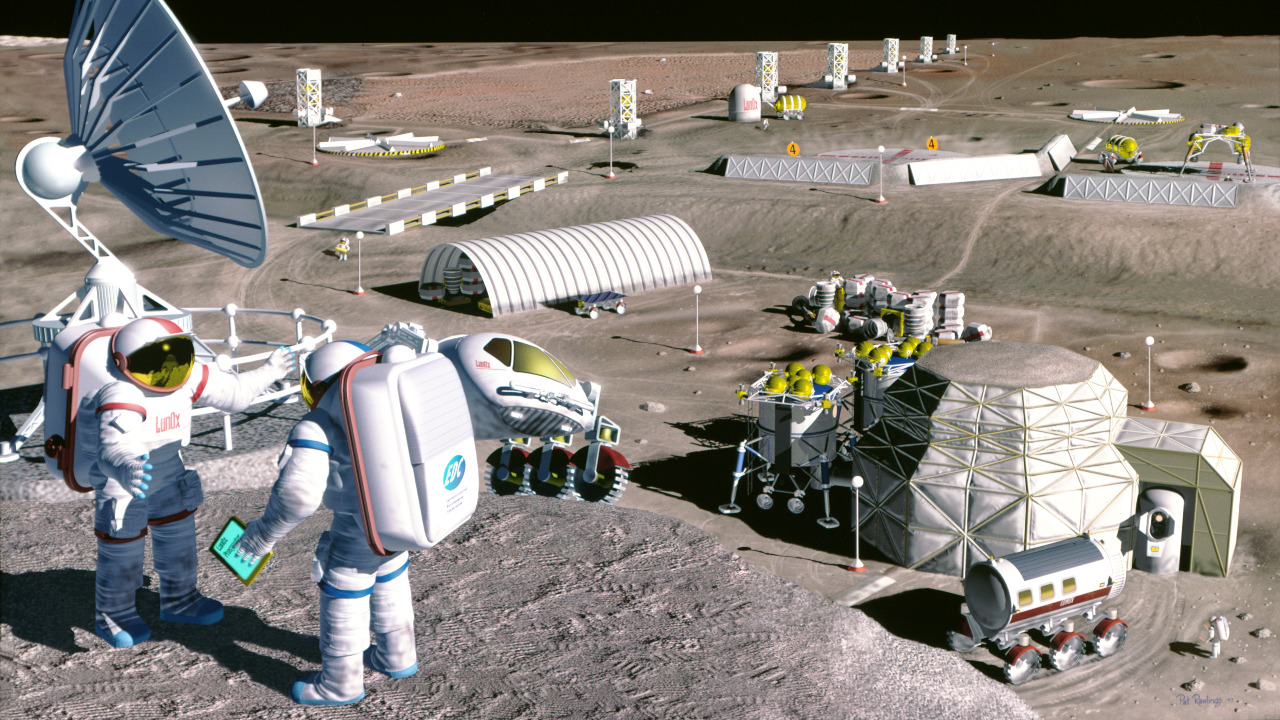
Lunar exploration has a storied history, beginning with the Apollo missions that first landed humans on the Moon. However, the focus has shifted significantly in the 21st century toward a more sustainable and economically viable approach. The renewed interest in lunar mining stems from the potential to access valuable resources such as helium-3, rare earth elements, and water ice, which are critical for future space endeavors. These resources could not only support extended lunar missions but also act as a springboard for human exploration of Mars and deeper into the solar system.
The Artemis program is central to this vision, representing NASA’s ambitious plan to return humans to the Moon and establish a sustainable presence. Artemis aims to land the first woman and the next man on the lunar surface by the mid-2020s. This initiative is more than a simple revisit; it’s a bold step towards the extraction of lunar resources. Public-private partnerships play a crucial role in this, with companies like SpaceX and Blue Origin contributing innovative technologies and logistical support. These collaborations are vital in reducing costs and increasing the pace at which lunar mining becomes a viable reality.
Technologies at the Forefront
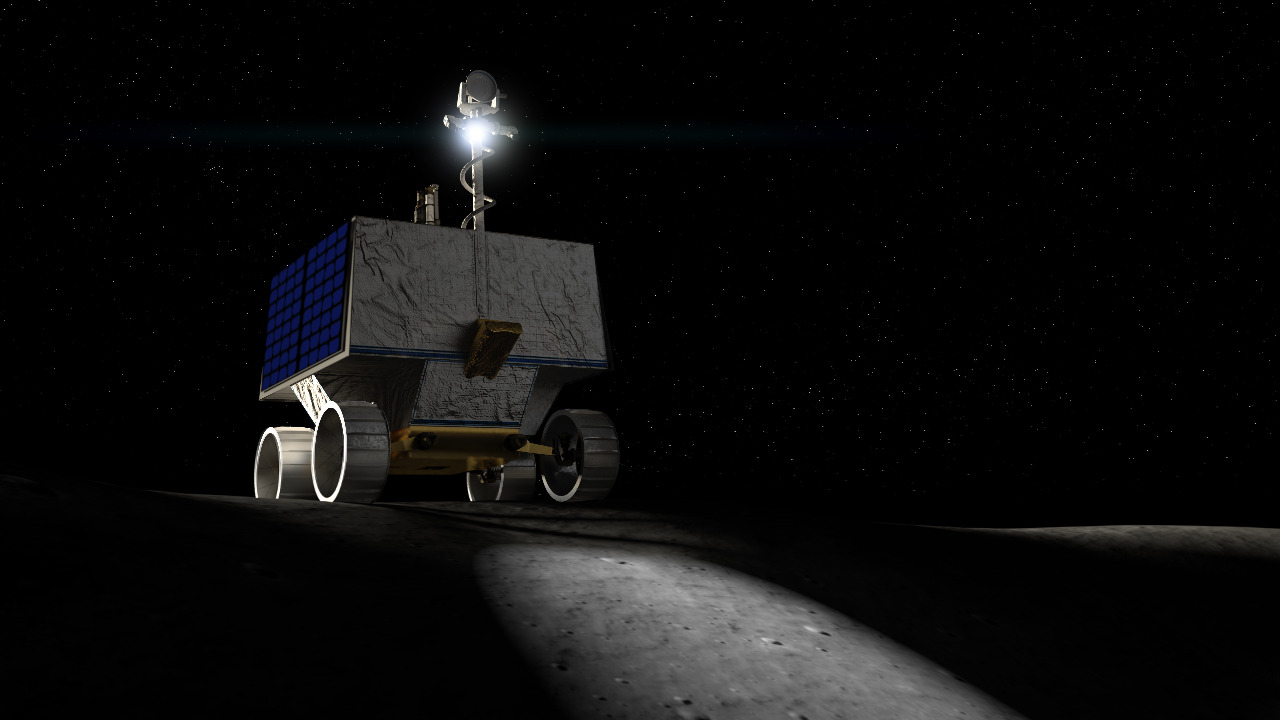
Innovation is at the heart of lunar mining, with cutting-edge robotics and autonomous systems designed specifically for the harsh lunar environment. These technologies are crucial for mining operations, as they can withstand extreme temperatures, radiation, and the Moon’s low gravity. Robotic systems like NASA’s VIPER rover will be used to locate and analyze resources, while autonomous drills and excavators will perform the actual mining operations. The emphasis is on sustainable and efficient methods to ensure that lunar mining doesn’t deplete resources faster than they can be replenished.
Supporting these operations requires significant infrastructure, including lunar bases and energy solutions. These bases will provide housing for astronauts and researchers, along with storage and processing facilities for extracted materials. Energy solutions are another critical component, with solar power and potentially nuclear reactors being considered to provide the necessary electricity for both habitation and mining activities. Life-support systems will also be indispensable, ensuring that humans can live and work on the Moon for extended periods.
International Collaboration and Legal Framework
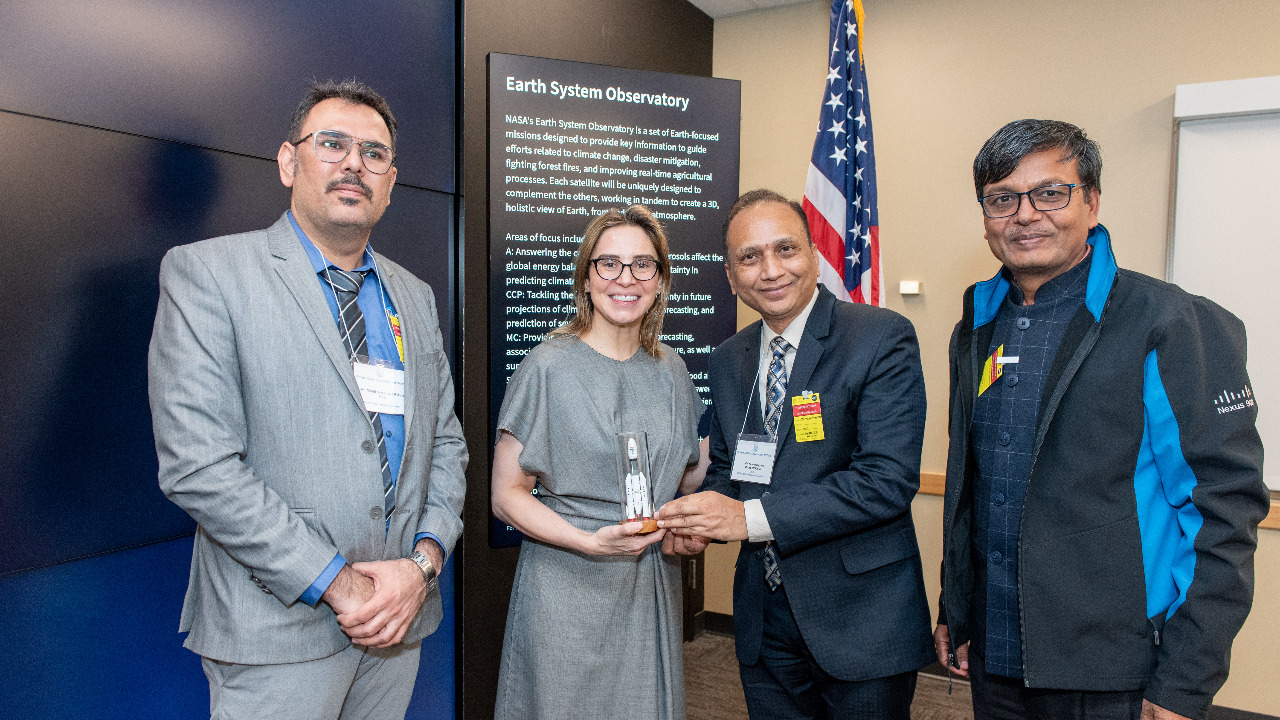
International partnerships are a cornerstone of the U.S. lunar mining strategy, bringing together expertise and resources from various countries. Key partners include the European Space Agency (ESA), Japan’s JAXA, and other space-faring nations. Collaborative projects, such as the Lunar Gateway, a space station orbiting the Moon, are designed to maximize resource utilization and provide a platform for joint missions. These partnerships not only enhance scientific and technological capabilities but also foster goodwill and cooperation among nations.
The legal framework governing lunar mining is complex, with the Outer Space Treaty of 1967 serving as the foundation. This treaty stipulates that celestial bodies are the “province of all mankind” and prohibits claims of sovereignty. However, the treaty does not explicitly address resource extraction, leading to debates over the legality of lunar mining. The Moon Treaty, which seeks to regulate the exploitation of lunar resources, has not been ratified by major space-faring nations, including the United States. As a result, the U.S. has developed its own legal framework, allowing private companies to claim resources they extract, provided they comply with international law.
Challenges and Opportunities Ahead
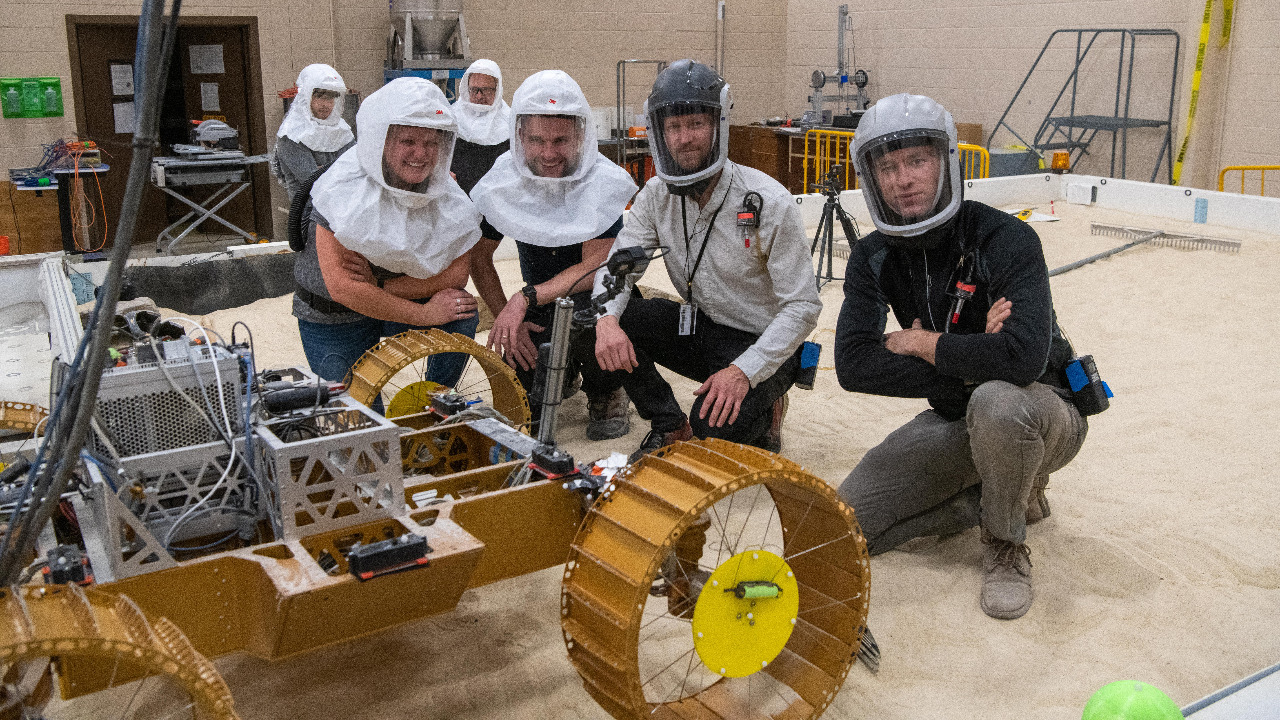
Lunar mining presents significant technical and logistical challenges. The lunar environment is harsh, with extreme temperature fluctuations, high radiation levels, and a lack of atmosphere. These conditions can affect both human and robotic operations, necessitating the development of specialized equipment and protective measures. Additionally, transportation and communication between Earth and the Moon remain hurdles, requiring advancements in propulsion technology and communication infrastructure.
Despite these challenges, the potential economic benefits of lunar mining are substantial. Resources such as helium-3 could revolutionize energy production on Earth, providing a clean and virtually limitless power source. Water ice, once extracted, can be used to produce oxygen and hydrogen, essential for life support and rocket fuel. These resources could reduce the cost of future space missions by enabling in-situ resource utilization, where materials found on the Moon are used to support missions, rather than relying on costly shipments from Earth.
Geopolitically, the race to mine the Moon is reshaping the landscape of space exploration. As nations vie for dominance in space, the U.S. faces competition from countries like China and Russia, which have their own lunar ambitions. This competition influences space policy and international relations, as countries balance cooperation with strategic interests. The debate over the Moon Treaty and space resource utilization laws highlights the need for a comprehensive legal framework that balances national interests with international cooperation.
