
After two decades of mandatory shoe removal at airport security checkpoints, the Transportation Security Administration (TSA) has quietly ended this requirement, effective immediately. This change marks a significant shift in airport security protocols and has been met with mixed reactions from both travelers and security experts. The decision comes as part of broader efforts to streamline airport security processes without compromising passenger safety.
Historical Context of Shoe Removal

The origins of the shoe removal policy can be traced back to the heightened security measures implemented in the wake of the September 11, 2001, terrorist attacks. The TSA introduced this requirement as part of a comprehensive strategy to prevent potential threats, particularly following the infamous 2001 attempt by Richard Reid, known as the “Shoe Bomber,” to detonate explosives hidden in his footwear. This policy quickly became a hallmark of post-9/11 airport security, symbolizing the intense focus on preventing similar incidents.
Over the years, the shoe removal requirement became synonymous with the inconveniences associated with modern air travel. Travelers often expressed frustration over having to remove their shoes, but many grudgingly accepted it as a necessary measure for their safety. Despite its initial purpose, the policy was not immune to criticism. Some argued that it added unnecessary time and complexity to security screenings without significantly enhancing security. The public perception of shoe removal varied, with some viewing it as essential and others as an outdated inconvenience.
Reasons Behind the Policy Change
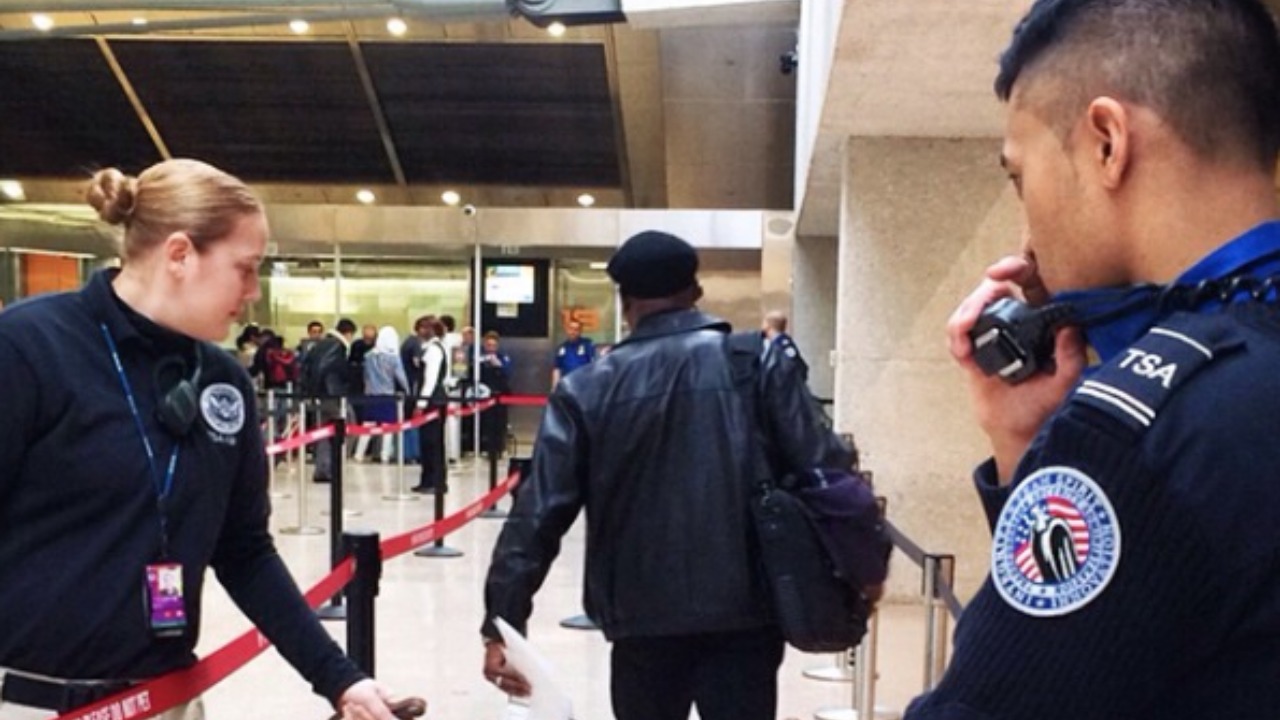
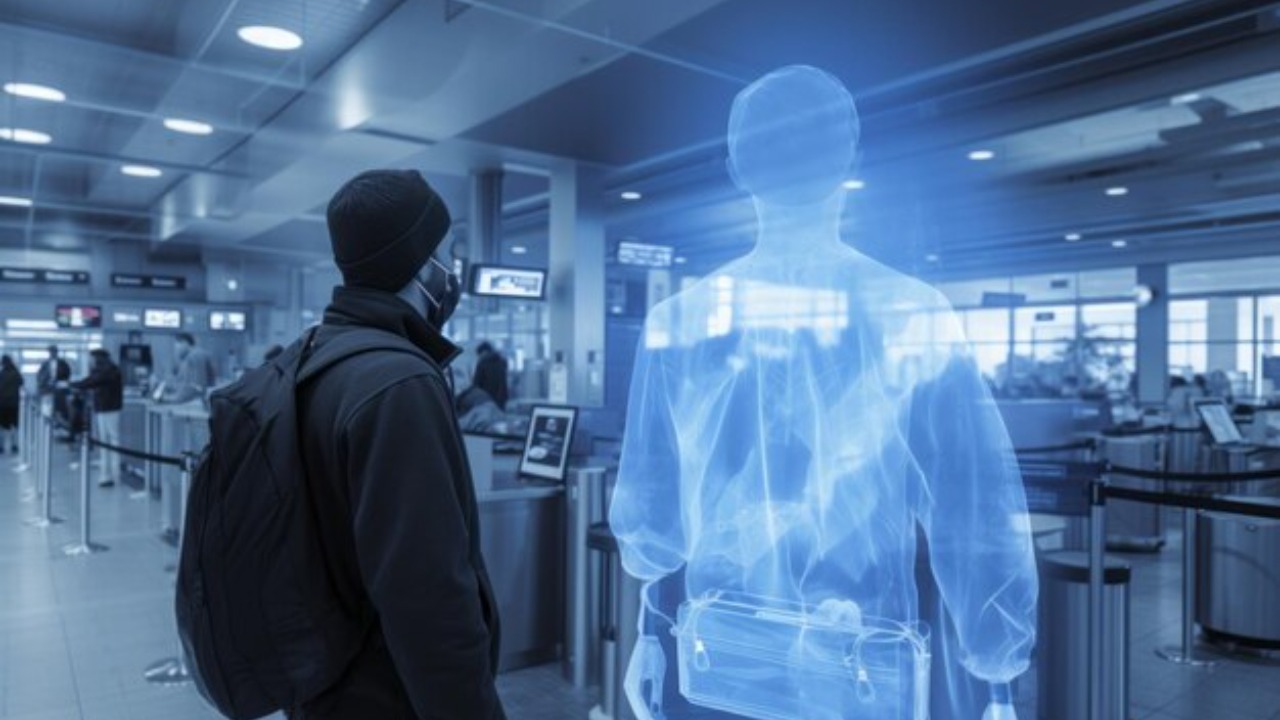
The decision to end the shoe removal requirement is largely attributed to advances in screening technology. Modern airport security systems are now equipped with sophisticated imaging technology capable of detecting potential threats without the need for passengers to remove their shoes. This technological evolution has rendered the old policy obsolete, paving the way for a more streamlined and efficient security process.
Feedback from passengers and airlines has also played a crucial role in this policy change. Frequent flyers and airline representatives have consistently advocated for more efficient security procedures that enhance the overall travel experience. A comprehensive cost-benefit analysis conducted by the TSA found that eliminating the shoe removal requirement would maintain security standards while significantly improving passenger convenience.
Implementation and Immediate Effects
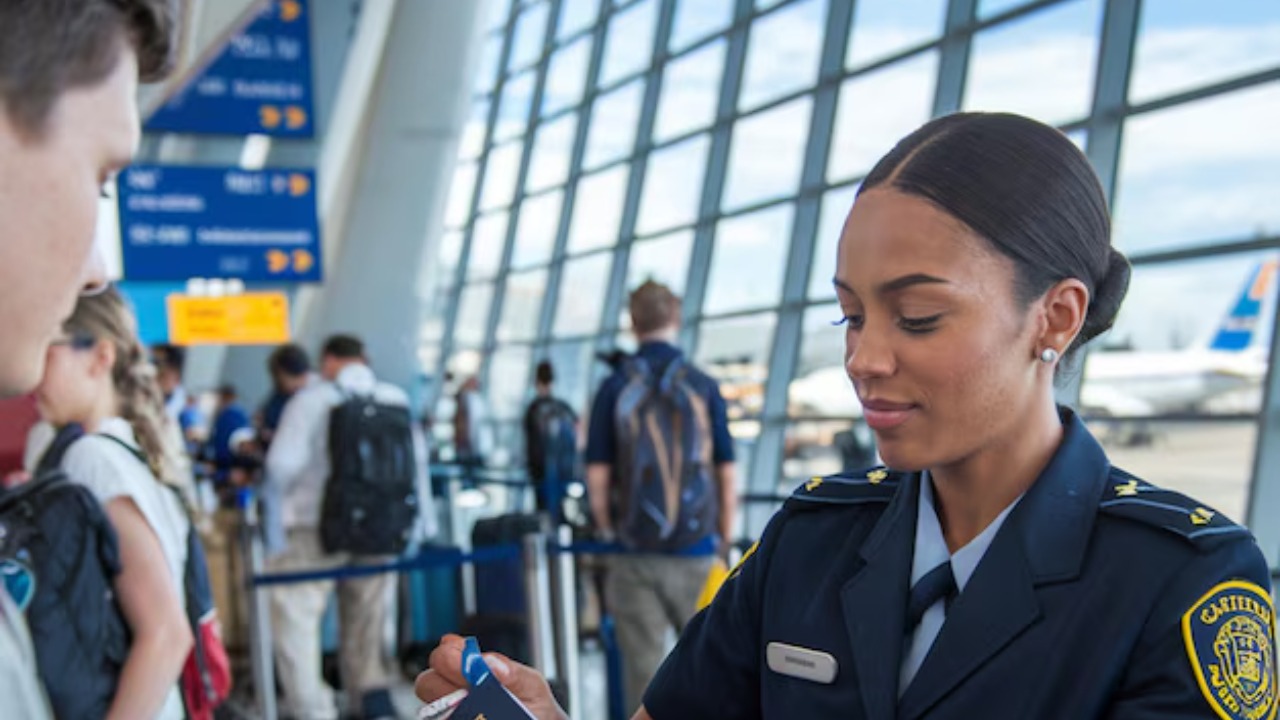
The new policy is being implemented across various airports nationwide, with some exceptions based on specific security assessments. Major airports, including those in New York, Los Angeles, and Chicago, have already begun adopting the change. However, travelers should remain informed about any exceptions that may still require shoe removal due to unique security circumstances.
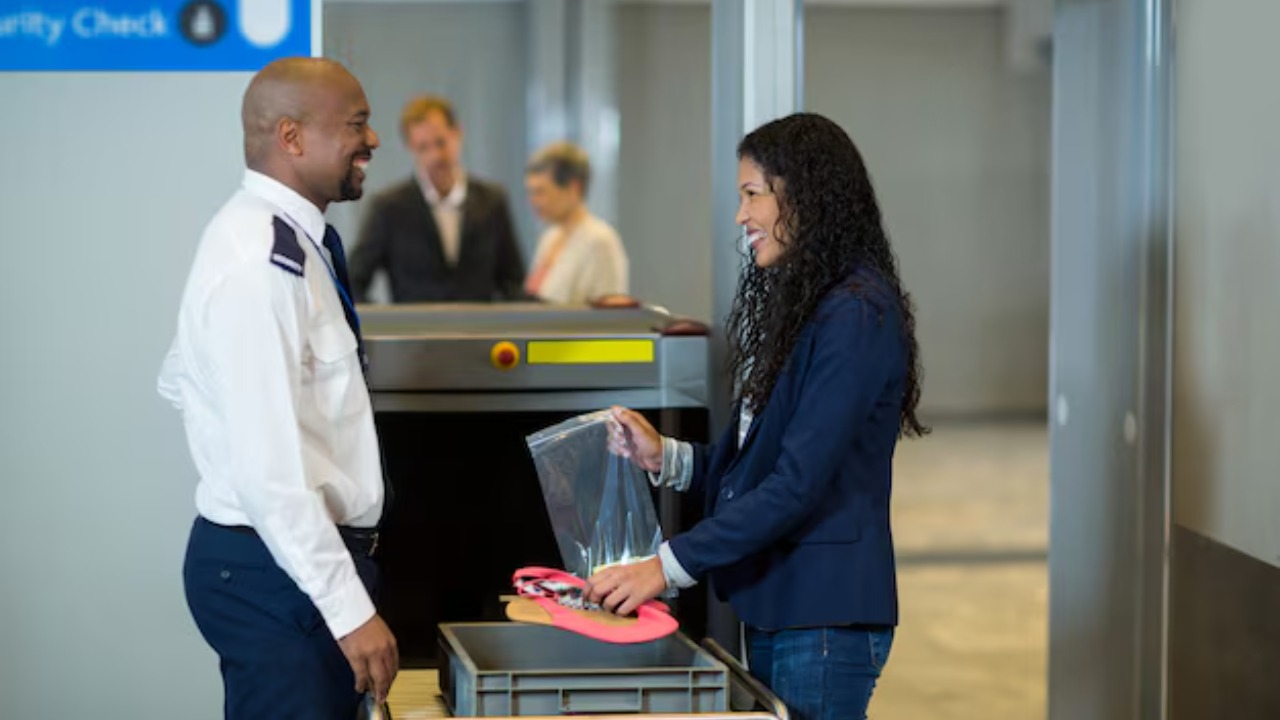
As the policy takes effect, security checkpoints will operate more smoothly, with passengers no longer needing to remove their shoes before passing through scanners. Travelers can expect a more efficient screening process, reducing wait times and enhancing the overall airport experience. While many passengers have welcomed this change with relief, some security experts have raised concerns about potential security gaps. The TSA has assured the public that it remains committed to maintaining high security standards despite the policy alteration.
Future of TSA Security Protocols
Looking ahead, the TSA is likely to continue evaluating its security protocols in response to technological advancements and evolving threats. Other potential adjustments to TSA policies may include streamlining additional security procedures or implementing new technologies that further enhance both security and convenience. The agency remains focused on striking a balance between maintaining rigorous security measures and improving the passenger experience.
The lessons learned from the two decades of shoe removal have provided valuable insights into the complexities of airport security. As the TSA adapts to changing circumstances, it will continue to draw on these experiences to inform future decisions. The ultimate goal is to ensure that security protocols are both effective and efficient, fostering public trust and confidence in the TSA’s ability to protect travelers.
Public and Social Media Reaction
The announcement of the policy change has generated significant buzz on social media platforms. Discussions on Twitter and Facebook have been lively, with numerous trending hashtags and viral posts addressing the new policy. The public’s response has been mixed, with many expressing relief at the elimination of what they viewed as an unnecessary inconvenience, while others have voiced concerns about potential security implications.
Notable comments from celebrities and travel influencers have further fueled the conversation. Many public figures have weighed in on the change, sharing their perspectives and experiences with airport security. As the policy change takes hold, it is expected to influence long-term public sentiment regarding airport security and the TSA’s role in ensuring passenger safety.
