The trucking industry is currently experiencing a transformative phase. A startling revelation by industry insiders about widespread design and manufacturing flaws has led to widespread corrections, instigating substantial changes within the sector.
Uncovering the Flaws: Insider Testimonies

The revelation of these flaws came about through the brave testimonies of insiders within the trucking industry. These individuals, often risking their careers and professional relationships, exposed systemic issues affecting the safety and functionality of various truck models. This kind of whistleblower activity has been previously documented in similar instances, as in this study.
The impact of these revelations on the trucking industry has been significant. Manufacturers are now under pressure to rectify these flaws, while consumers demand safer, more reliable vehicles. The fallout has also sparked a broader discussion about the levels of transparency and accountability within the industry.
The Identified Truck Flaws
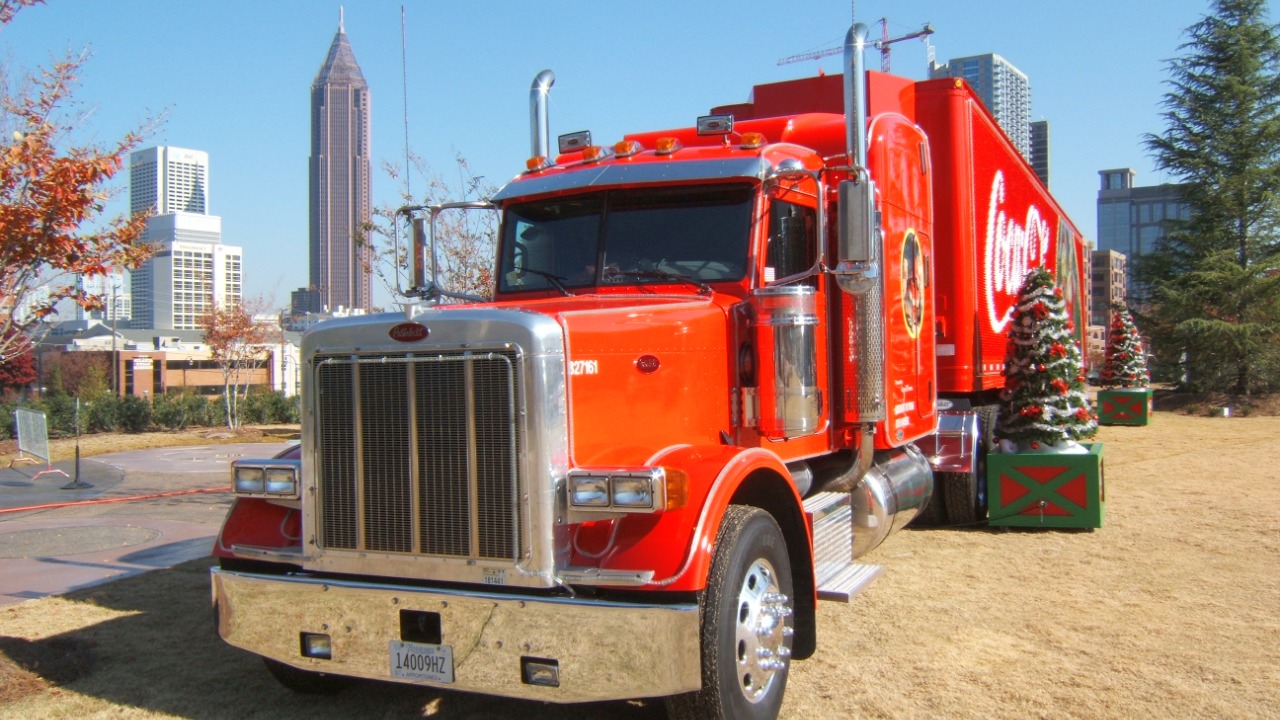
Several flaws were exposed during the testimonies, with the most significant ones relating to the braking systems of certain truck models, such as the 2011 Freightliner Cascadia. These flaws were found to potentially cause brake failures, posing a serious risk to the safety of the driver and other road users. Another area of concern involved the truck’s steering components, particularly in older models like the 2007 Peterbilt 379, where wear and tear could lead to catastrophic failures.
These flaws significantly impact the functionality and safety of the vehicles. With faulty braking systems, the risk of accidents increases dramatically. Similarly, steering issues can lead to loss of control over the vehicle, especially under high-speed or challenging driving conditions. This video provides further insights into these identified flaws.
The Role of the Insiders
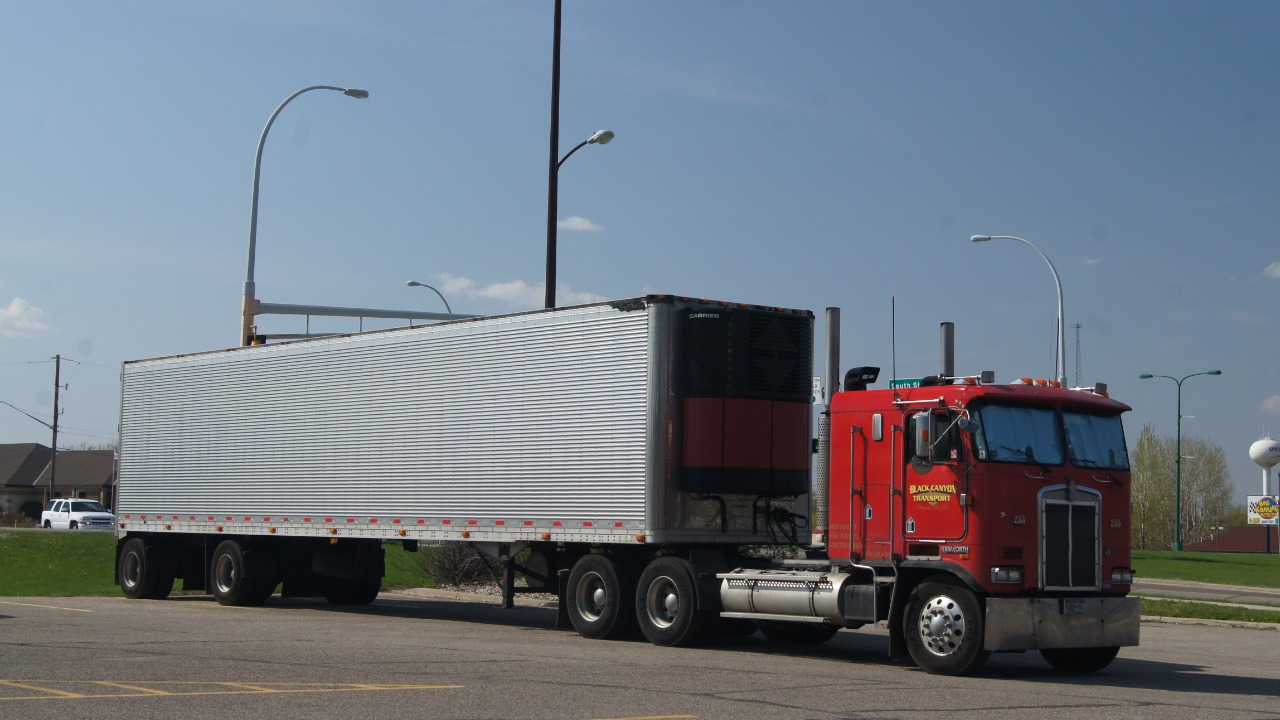
The insiders who exposed these flaws played a pivotal role in bringing these issues to the forefront. Motivated by a sense of responsibility towards public safety and integrity, these individuals took considerable risks to expose these flaws. A detailed understanding of the intricacies and nuances of truck design and manufacturing, gained through years of experience in the industry, enabled them to identify these hidden flaws.
The risks taken by these insiders cannot be overstated. They risked their careers, faced potential legal repercussions, and even personal threats in their quest for transparency and safety. A deeper exploration of these risks can be found in this guide.
The Trucking Industry’s Response
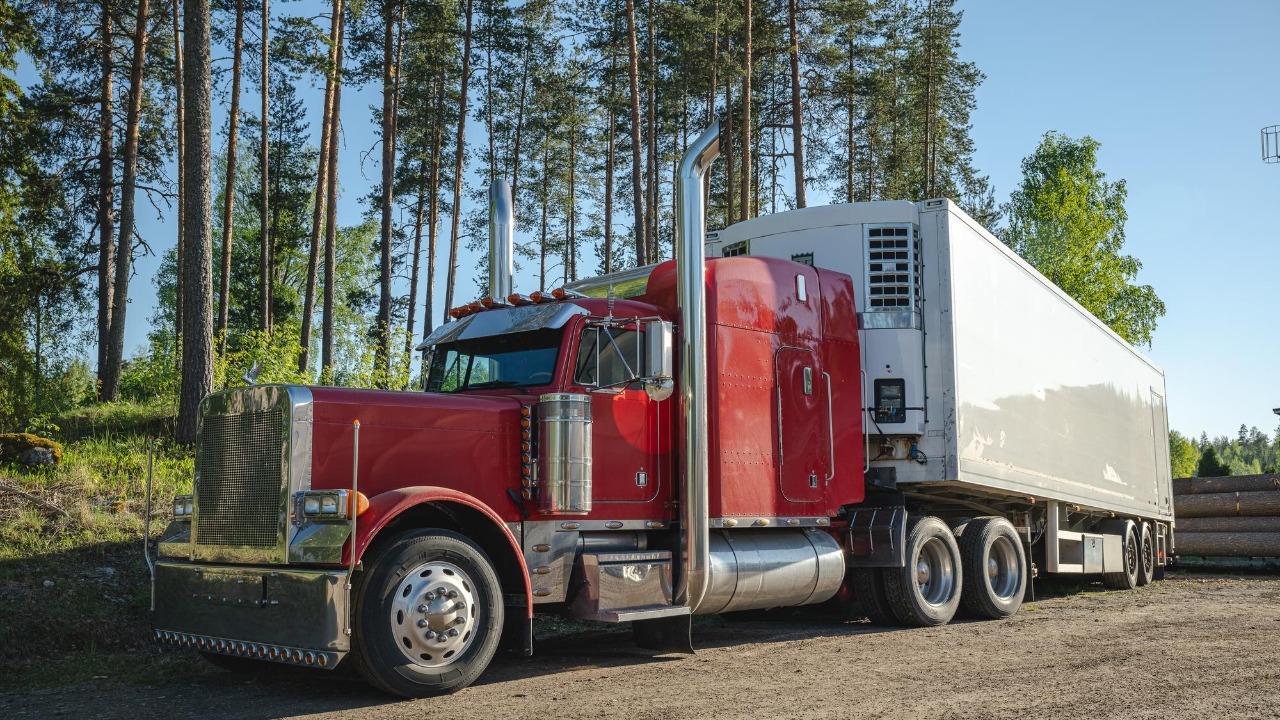
The initial reaction of the trucking industry to these revelations was a mixture of shock, denial, and reluctant acceptance. Manufacturers were quick to protect their brand integrity, often downplaying the severity of the flaws or their potential impact. However, as more evidence surfaced and public pressure mounted, the industry began to make amends.
The subsequent steps taken by the industry to rectify these flaws included large-scale vehicle recalls, improvements in the manufacturing processes, and a renewed focus on quality control. Manufacturers began to work closely with regulatory authorities to ensure the safety and reliability of their trucks. This video details the changes made by manufacturers following the revelations.
Prevention and Detection of Future Flaws
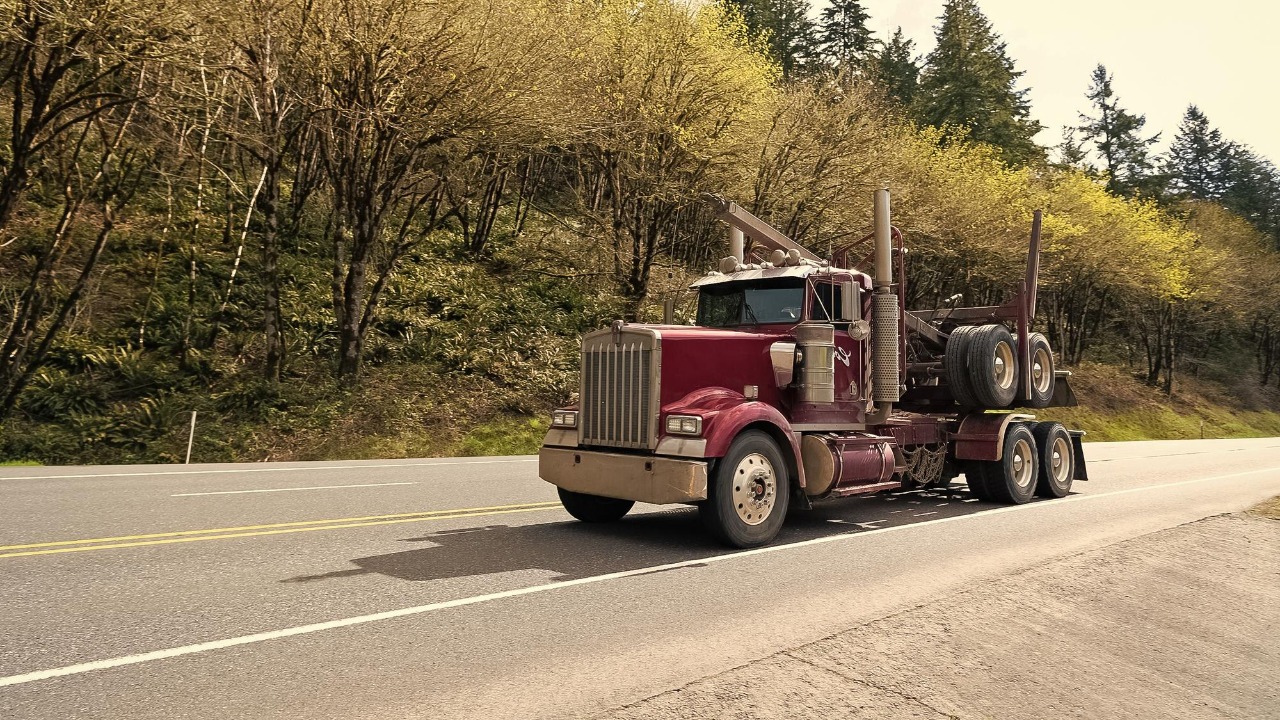
In the wake of these revelations, the trucking industry has begun implementing measures to prevent similar flaws in the future. These include improved design processes, stricter quality control measures, and enhanced testing protocols. Additionally, manufacturers are investing in advanced technologies to improve the reliability and safety of their vehicles.
The industry is also improving its detection methods to identify potential flaws earlier. This involves the use of predictive analytics, machine learning, and other advanced technologies to proactively identify potential issues before they become problematic. This video provides an overview of these new detection methods.
The Impact on the Future of the Trucking Industry

The revelations and subsequent changes will undoubtedly have long-term impacts on the trucking industry. While the immediate impact is negative, with decreased consumer trust and significant costs associated with recalls and fixes, the long-term outcome may be more positive. The industry is likely to become more transparent and accountable, leading to improved safety standards and better-quality vehicles.
These events have also served as a lesson for the industry. It has become clear that ignoring or downplaying flaws is not a viable strategy. Instead, manufacturers must prioritize safety and integrity, even if it means admitting to mistakes and making costly fixes. The industry appears to be learning from this experience, and it is likely that this will shape its approach to quality and safety in the future.
