
In recent years, the automotive industry has witnessed a significant shift with the rise of electric vehicles, including electric trucks. As these vehicles become more common, the importance of protecting consumers from defects has grown. With the introduction of new legislation, truck batteries are now covered under lemon laws, providing consumers with increased protection and assurance.
The Evolution of Lemon Laws

Lemon laws have long served as a safeguard for consumers against faulty vehicles. Initially, these laws were designed to assist buyers who found themselves with persistently defective new cars. Over time, the scope of lemon laws has expanded significantly. Initially focusing on traditional vehicle components like engines and transmissions, lemon laws have evolved to accommodate the complexities of modern vehicles. This evolution has been necessary to address the growing intricacies of automotive technology.
The rise of electric vehicles has been a major catalyst for legislative change. As electric cars and trucks become more prevalent, lawmakers have been prompted to rethink traditional consumer protection laws. The integration of high-tech components, such as batteries and software, has necessitated an expansion of coverage. As a result, lemon laws now encompass a wider range of vehicle components, ensuring that they remain relevant in the face of technological advancements.
Why Truck Batteries Need Protection
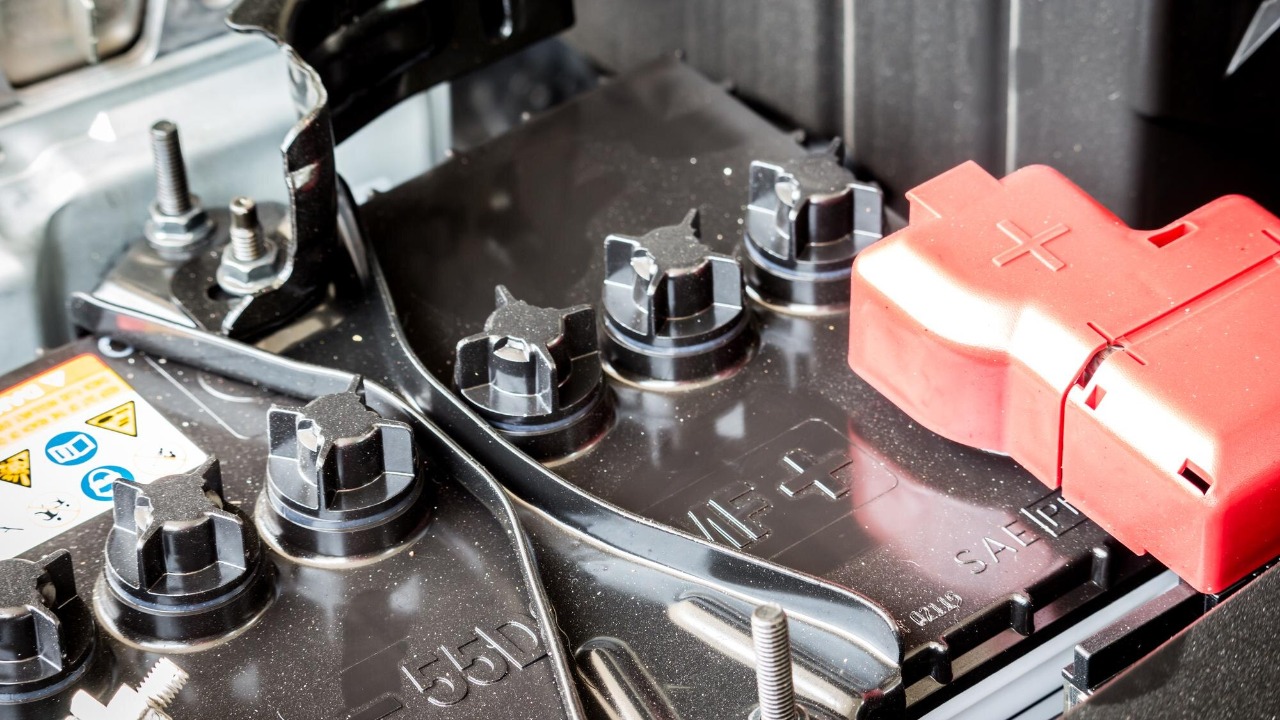
Truck batteries, particularly in electric vehicles, are not immune to issues. Common defects range from performance degradation to outright failure, often leaving consumers frustrated and financially burdened. Many truck owners have reported issues such as sudden loss of range or the inability to charge, highlighting the urgent need for comprehensive coverage under lemon laws. These problems are not just inconvenient; they can also pose significant safety risks.
Consumer complaints and experiences underscore the importance of including truck batteries in lemon law protections. For instance, a case involving a GMC Sierra EV owner who faced repeated battery issues illustrates the financial and safety implications of defective batteries. Such cases make it clear that without legal protection, truck owners are left vulnerable to substantial losses.
Understanding the New Coverage

The recent changes in lemon law legislation bring significant benefits to consumers. Under the new rules, truck batteries are explicitly covered, providing a much-needed safety net for electric truck owners. For a battery to be deemed a “lemon,” it must meet specific criteria, such as repeated failures or a significant loss in performance that affects the vehicle’s usability. These criteria ensure that only genuine cases of defects are addressed.
Manufacturers and dealerships play a critical role in ensuring compliance with these new laws. They are required to address legitimate claims swiftly and effectively, providing repairs, replacements, or refunds as necessary. This legal framework not only protects consumers but also incentivizes manufacturers to maintain high-quality standards.
Implications for Manufacturers and Consumers

Manufacturers now bear greater responsibility in ensuring their products meet quality standards. The new lemon law provisions require them to be proactive in addressing potential battery defects. This shift places a greater emphasis on quality control during production and after-sales service, as manufacturers must now navigate the legal implications of failing to comply with these enhanced protections.
For consumers, the new coverage offers peace of mind. If they encounter defective batteries, they have a clear legal pathway to seek redress. To benefit from these protections, consumers must document their issues and follow the necessary steps to file a claim. However, implementing these changes is not without challenges. Critics argue that the new laws could lead to increased costs for manufacturers, which may be passed on to consumers.
Future of Lemon Laws in the Automotive Industry

The expansion of lemon laws to cover truck batteries is likely just the beginning. As technology continues to advance, we can expect further extensions to cover other innovative vehicle components. The ongoing development of autonomous vehicles and advanced driver-assistance systems will likely prompt additional legislative action to ensure comprehensive consumer protection.
Technological advancements play a significant role in shaping the future of lemon laws. As vehicles become more complex, the legal frameworks governing them must evolve. Continuous consumer advocacy will be crucial in pushing for these changes, ensuring that laws keep pace with technological innovation and continue to protect consumers effectively. Understanding the intricacies of lemon laws, as outlined in resources like California’s lemon laws, is essential for consumers seeking to navigate their rights in this evolving landscape.
