Tree planting in the tropics is increasingly recognized as a powerful tool for climate mitigation due to the region’s exceptional carbon absorption capabilities. Recent studies reveal that tropical trees not only sequester more carbon per tree compared to their counterparts in other regions, but they also offer additional benefits that enhance their climate impact. These unique advantages of tropical tree planting play a critical role in global efforts to combat climate change.
The Science of Carbon Absorption in Tropical Trees

Tropical forests are home to some of the highest carbon densities in the world, making them incredibly effective at absorbing and storing carbon dioxide. According to the Woodwell Climate Research Center, these forests account for a significant portion of the world’s carbon storage capacity, which is crucial in the fight against climate change. The dense vegetation and complex forest structures in the tropics contribute to this remarkable ability to absorb large amounts of carbon.
One of the key reasons tropical trees are so effective at carbon sequestration is their rapid growth rates. The favorable climate conditions in these regions, characterized by warm temperatures and abundant rainfall, allow trees to grow quickly. A study published in ScienceDirect highlights that tropical trees can grow up to three times faster than their temperate counterparts. This rapid growth means that tropical trees can capture more carbon dioxide over a shorter period, making them a vital resource in mitigating the impacts of climate change.
The Triple Climate Benefits of Tropical Trees

Tropical trees offer more than just carbon storage. They also provide a cooling effect, which is essential in regulating the Earth’s temperature. Through processes like evapotranspiration and the provision of shade, tropical trees significantly lower surface temperatures. An Impactful Ninja article discusses how these trees can help mitigate the urban heat island effect, making them invaluable in both rural and urban settings.
In addition to their cooling effects, tropical forests are naturally more resistant to fires compared to forests in other regions. This fire resistance is crucial in maintaining the carbon storage capabilities of these forests. By reducing the frequency and intensity of fires, tropical forests help preserve their existing carbon stocks, which would otherwise be released into the atmosphere. The Impactful Ninja provides insights into how this natural fire resistance is a significant advantage for tropical forests, further enhancing their role in climate change mitigation.
Biodiversity and Ecosystem Services
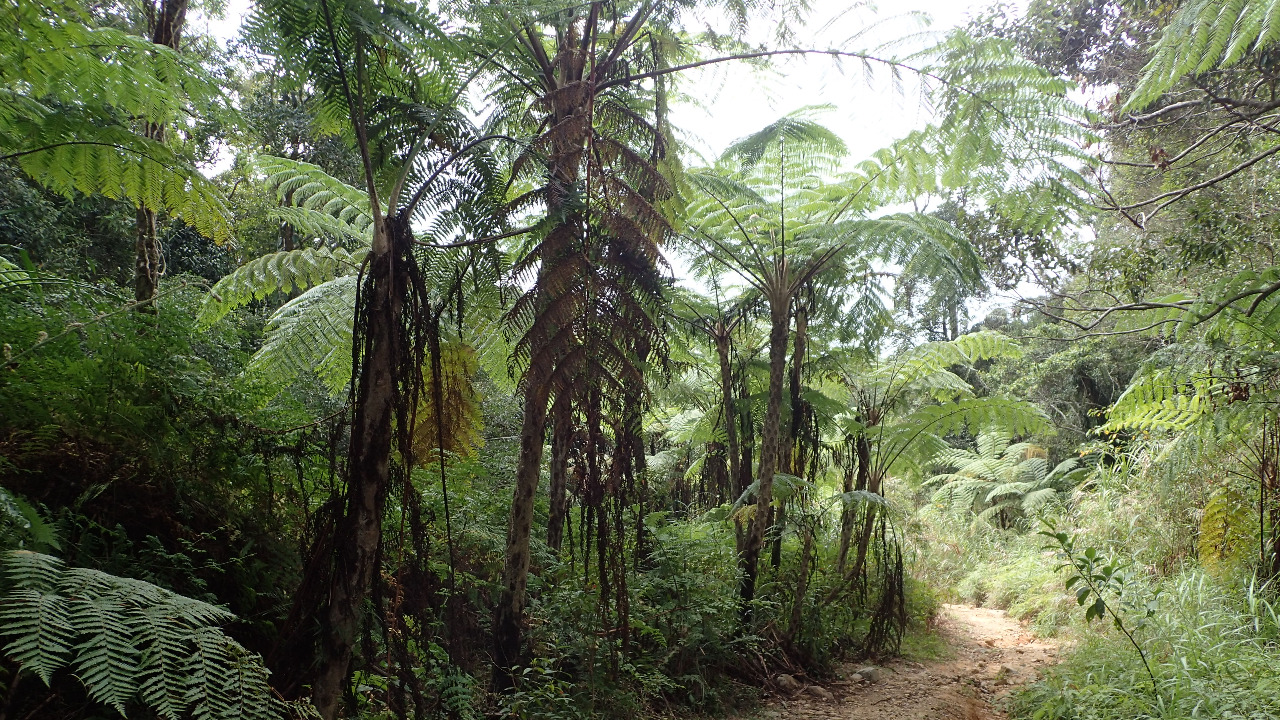
Beyond their climate benefits, tropical forests are incredibly rich in biodiversity, offering a habitat for countless species. This biodiversity is essential for maintaining ecological balance and supporting the intricate web of life that these forests sustain. An AJOL article emphasizes the importance of tropical forests as biodiversity hotspots, highlighting their critical role in conserving species that are often found nowhere else on Earth.
The ecosystem services provided by tropical forests are equally vital. These forests play a crucial role in water regulation, helping to maintain the water cycle and prevent soil erosion. They also contribute to soil preservation, which supports sustainable development and agriculture in the region. The AJOL discussion on ecosystem services underscores the importance of these functions, which are essential not only for local communities but also for global environmental health.
Challenges and Considerations in Tropical Tree Planting

Despite their benefits, tropical forests face significant challenges, primarily from deforestation and land use changes. These activities pose a severe threat to the carbon storage potential of tropical forests, as they lead to the release of stored carbon and the destruction of habitats. A ScienceDirect analysis explores the impacts of land use on tropical forests, highlighting the urgent need to address these issues to preserve their climate benefits.
Implementing sustainable tree planting practices is crucial to ensuring the long-term benefits of tropical forests. Avoiding monoculture plantations and promoting biodiversity-friendly practices can prevent adverse effects and enhance the resilience of these ecosystems. The Woodwell Climate Research Center offers recommendations on sustainable forestry practices that emphasize the importance of maintaining ecological integrity while maximizing carbon sequestration.
Global Impact and Policy Implications
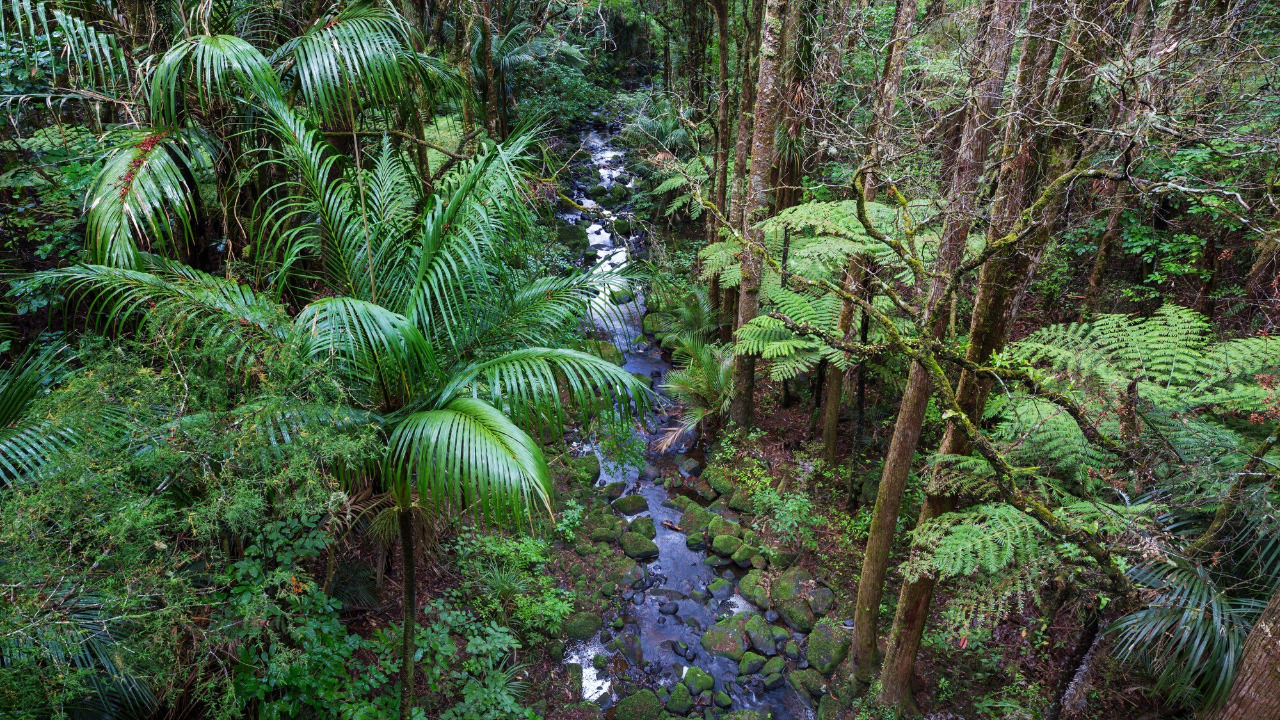
To fully harness the potential of tropical forests in combating climate change, international collaboration is essential. Protecting and restoring these forests requires coordinated efforts across countries to leverage their carbon sequestration potential. SciTechDaily recommends international policies that focus on tree planting and forest conservation as a means to achieve significant climate mitigation goals.
Developing incentive programs for reforestation and conservation can encourage local communities to actively participate in sustainable forest management. By providing economic benefits and support for conservation efforts, these programs can foster a sense of ownership and responsibility among local populations. SciTechDaily also suggests policy measures that incentivize tree planting efforts, helping to ensure the long-term success of reforestation initiatives and the preservation of tropical forests.
