Transparent solar panels, a groundbreaking advancement in renewable energy technology, are now available in the market. These innovative panels promise to revolutionize the way we think about solar energy integration into everyday structures. Their ability to blend seamlessly into windows and other surfaces without compromising aesthetics marks a significant step forward in sustainable architecture and energy solutions.
The Science Behind Transparent Solar Panels

Transparent solar panels operate on a fascinating principle, utilizing advanced materials and technologies to maintain transparency while generating electricity. At the heart of their functionality are transparent electrodes that allow light to pass through while capturing energy. These electrodes are typically made from materials like indium tin oxide, known for their transparency and conductivity. The panels leverage organic photovoltaic cells or dye-sensitized solar cells, which can be altered at the molecular level to selectively absorb ultraviolet and infrared light, leaving visible light to pass through.
Another critical component is the use of bifacial solar cells, which capture sunlight from both sides of the panel, thereby enhancing efficiency. Bifacial cells are particularly effective in transparent solar applications because they maximize energy capture without obstructing the view through the panel. Recent advancements have also led to the development of transparent tandem solar cells that have achieved a record 12.3% efficiency. This milestone, as reported by PV Magazine, represents a significant leap forward in transparent solar technology.
Market Potential and Economic Impact

The market potential for transparent solar panels appears robust, with projections suggesting the market could reach $24.37 billion by 2033. This growth is largely driven by the integration of clean energy solutions into smart buildings, as noted in a recent report. As urban areas evolve to become more sustainable, transparent solar technology is set to play a pivotal role in meeting energy needs without compromising architectural vision.
Economically, the benefits of adopting transparent solar technology are substantial. For businesses and homeowners, these panels offer significant cost savings through improved energy efficiency and potential returns on investment. As the technology becomes more widespread, it is likely to influence global solar market dynamics, with increased competition among providers leading to further innovations and cost reductions.
Applications in Architecture and Urban Planning
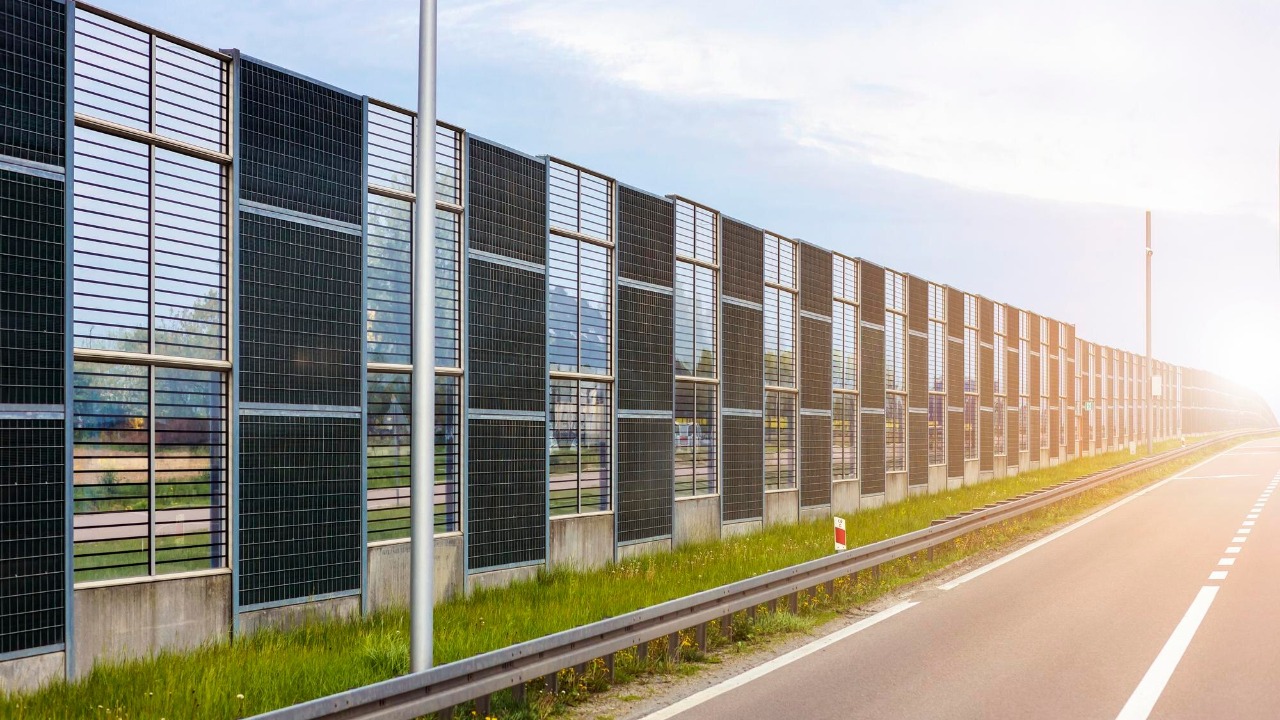
Transparent solar panels offer exciting possibilities for integration into modern architecture. They can be seamlessly embedded into windows, facades, and other architectural elements, providing a dual function of energy generation and aesthetic enhancement. This integration aligns with the growing trend of smart building technology, where energy efficiency and sustainability are prioritized.
Urban planners are increasingly considering transparent solar panels as a viable solution for energy-efficient urban development. Case studies of successful implementations demonstrate their practicality and appeal. For instance, several projects have already incorporated transparent solar technology into their designs, showcasing its potential to transform how we think about building energy systems.
Environmental Impact and Sustainability

The environmental advantages of transparent solar panels are significant, particularly in terms of reducing the carbon footprint. By generating clean energy, these panels help decrease reliance on fossil fuels and mitigate greenhouse gas emissions. They align with global efforts to achieve sustainability targets and contribute to a greener future.
In addition to their environmental benefits, transparent solar panels are designed with sustainability in mind. Their lifespan and recyclability are key considerations, as manufacturers focus on creating durable products that can be efficiently recycled at the end of their life cycle. This attention to waste management ensures that the adoption of transparent solar technology supports sustainable development goals.
Challenges and Future Prospects
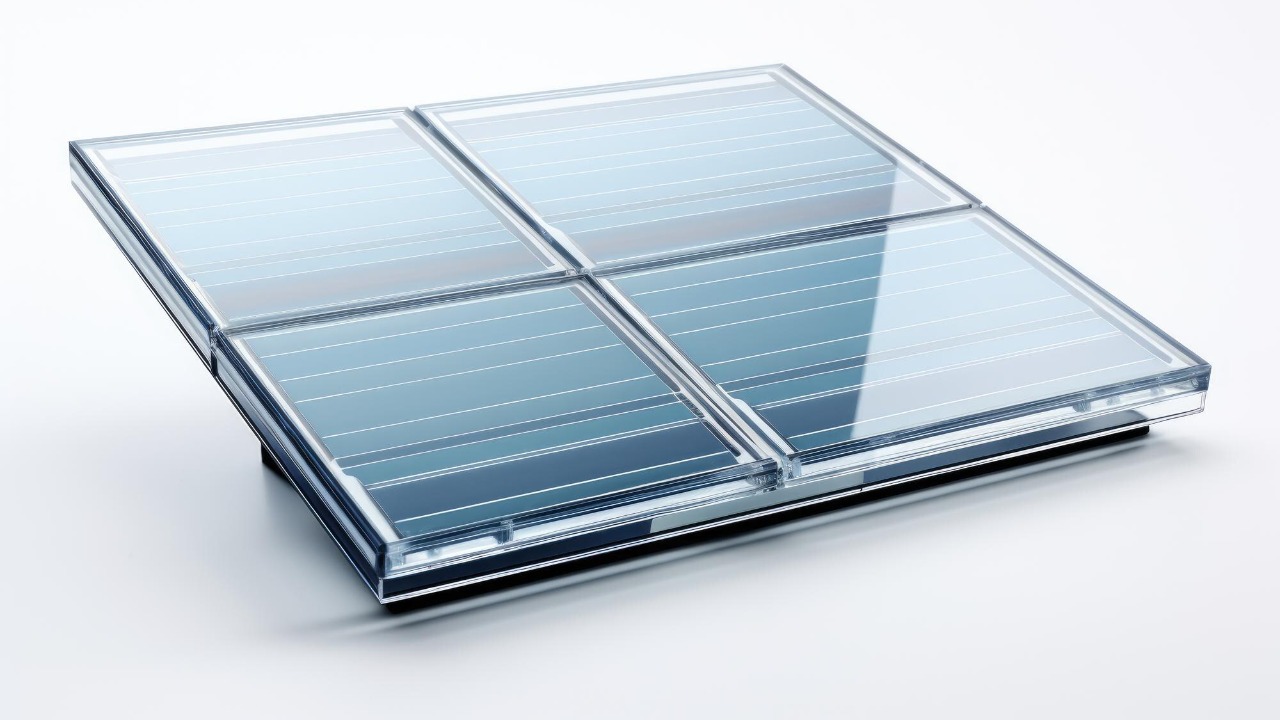
Despite their potential, transparent solar panels face several challenges that must be addressed to realize their full potential. Technical and economic hurdles, such as manufacturing costs and efficiency optimization, are among the primary obstacles. Overcoming these challenges is essential for enabling broader adoption and integration into various sectors.
Ongoing research and innovation efforts are crucial in addressing these challenges. Scientists and engineers are continuously exploring ways to improve the efficiency and affordability of transparent solar panels. As these efforts progress, the future outlook for transparent solar technology appears promising, with the potential for widespread adoption and transformative impacts on energy systems worldwide.
