
Toyota has been making waves in the automotive industry with the development of a water-powered engine. This groundbreaking technology could change the landscape of the vehicle market and may even signal a potential shift away from electric vehicles. Let’s dive into the mechanics of this invention and the implications it may have for the future of transportation.
Understanding Toyota’s Water-Powered Engine
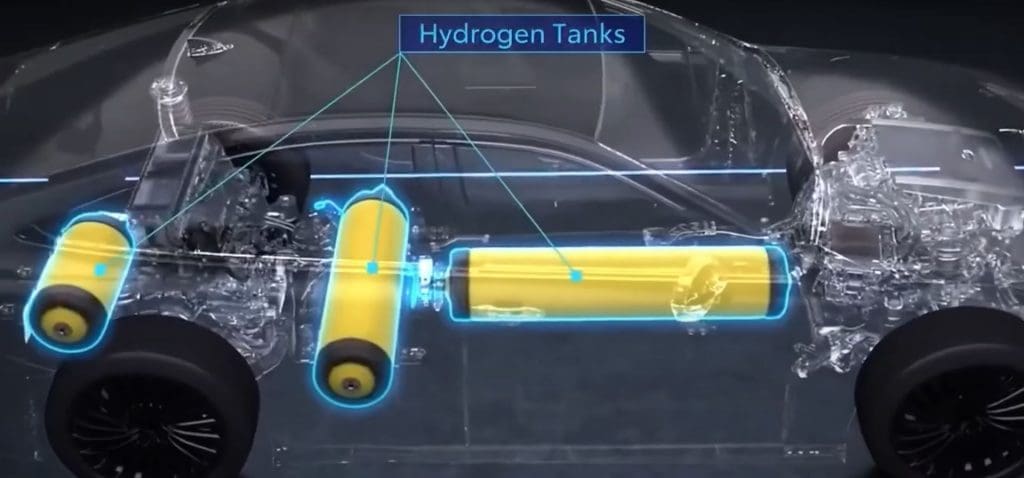
Toyota’s water-powered engine operates on the basis of hydrogen combustion. Essentially, the engine splits water into hydrogen and oxygen, then recombines them in a fuel cell to create electricity, with only water as a by-product. This process, known as electrolysis, is an ingenious way of harnessing energy from water. It’s a significant advancement in the industry, as it could drastically reduce carbon emissions compared to traditional and electric engines. You can learn more about this process here.
Compared to traditional internal combustion engines and even electric engines, this new technology from Toyota is expected to be more efficient, less costly, and easier to maintain. The water-powered engine also offers significant environmental benefits, as it does not produce carbon emissions like gasoline engines or require the mining of rare earth metals like electric vehicles.
The Current State of Electric Vehicles
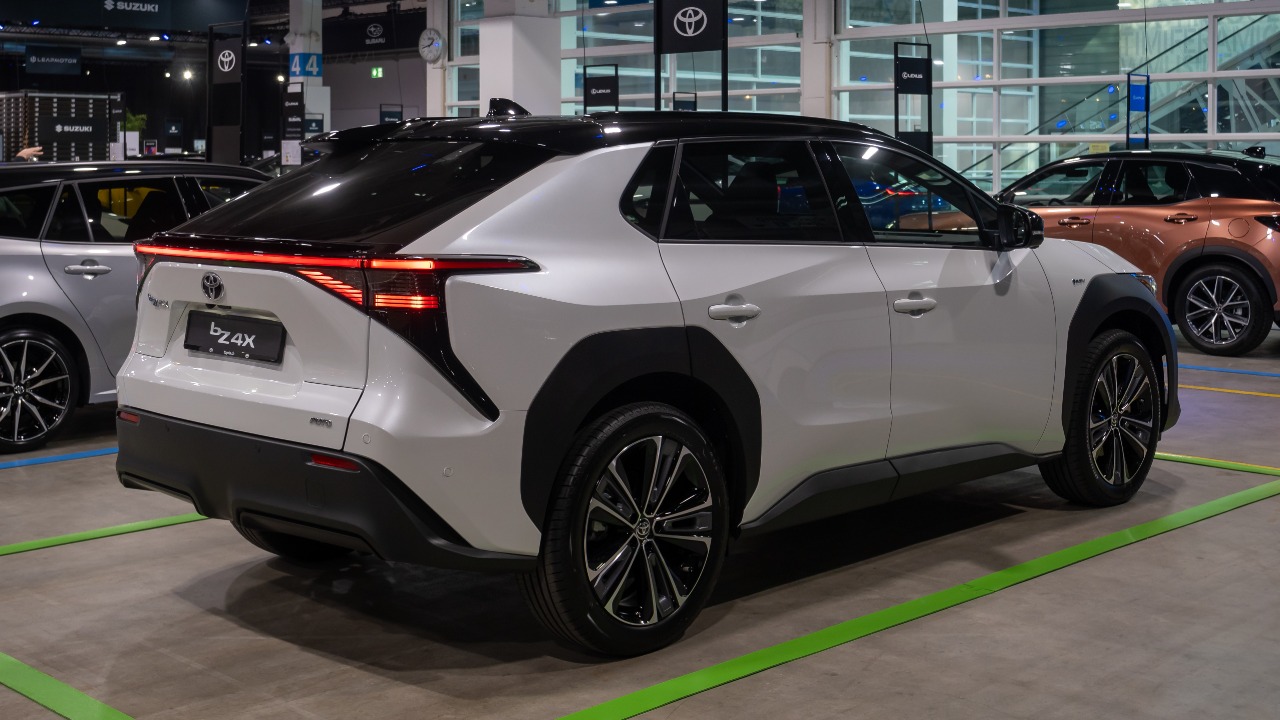
The rise of electric vehicles has been a significant trend in the automotive industry over the past decade. However, despite their growing popularity, electric vehicles face numerous challenges. Battery sourcing and longevity are major concerns, as is the need for a comprehensive charging infrastructure. The environmental impact of electric vehicles is also an issue, with the mining required for battery production and the source of electricity for charging often being overlooked.
A detailed exploration of the environmental impact of electric vehicles can be found in this study. It provides an in-depth look at the challenges facing the electric vehicle industry, shedding light on why alternatives like Toyota’s water-powered engine are becoming more attractive.
Electric vs. Water: A Comparative Analysis
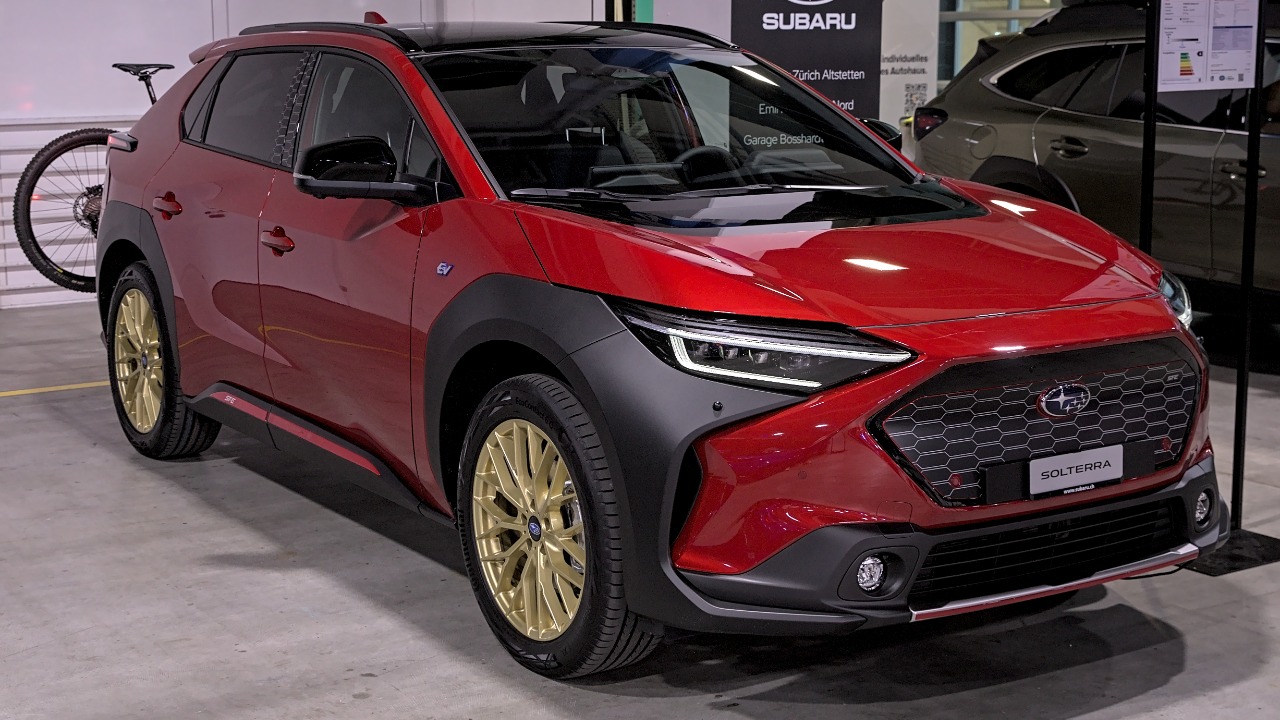
The comparative efficiency of water-powered engines and electric vehicles is a key factor in their potential market success. While electric vehicles offer impressive mileage per charge, the energy conversion rates of water-powered engines could surpass them. Additionally, the resource depletion and carbon footprint associated with electric vehicles are far larger than those of water-powered engines, making the latter a more sustainable option.
From an economic perspective, while the initial cost of water-powered vehicles may be higher, their maintenance expenses and fuel costs could be significantly lower than those of electric vehicles. This could make water-powered vehicles a more cost-effective choice in the long run.
Toyota’s Vision for a Hydrogen Society
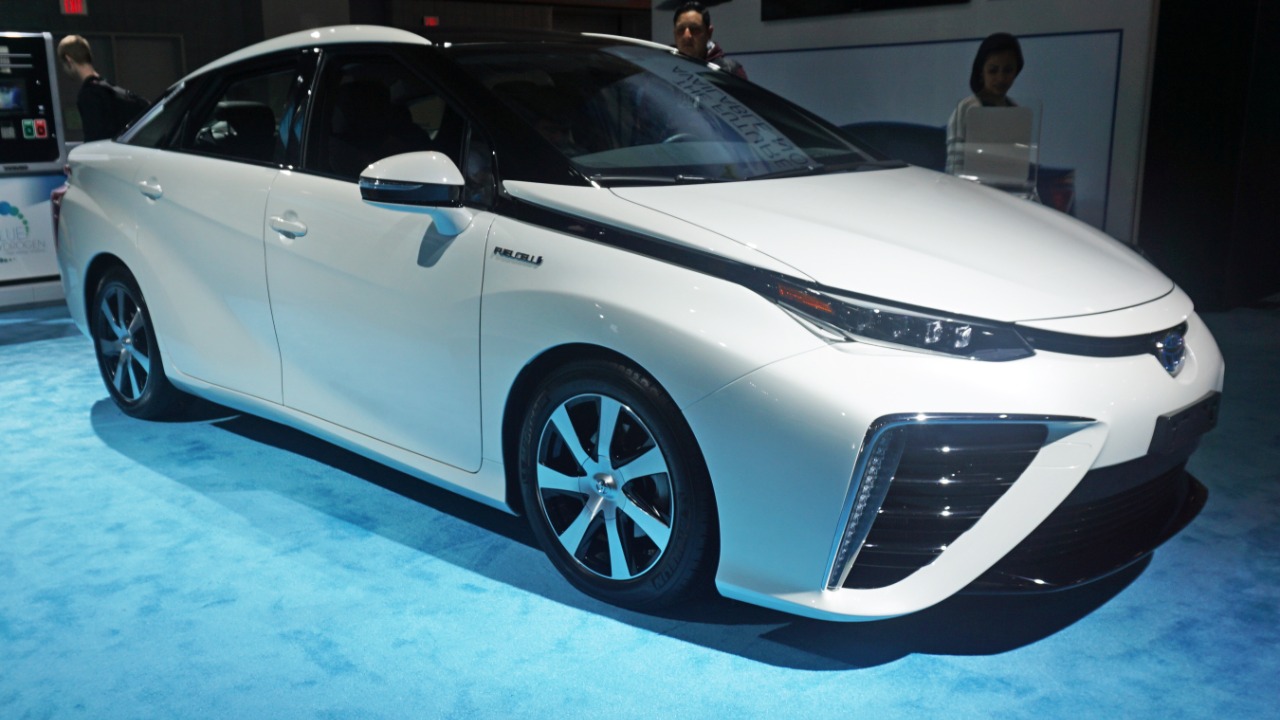
Toyota’s development of a water-powered engine is part of a larger vision for a hydrogen society. The company’s roadmap for promoting hydrogen energy includes not only vehicles but also homes and businesses. You can read more about this strategy here.
By leading the charge in the use of hydrogen fuel cells in vehicles, Toyota is positioning itself at the forefront of the drive towards a more sustainable future. The potential of hydrogen energy is vast, and if successful, it could play a major role in reducing our global carbon footprint.
The Implications for the Electric Vehicle Industry
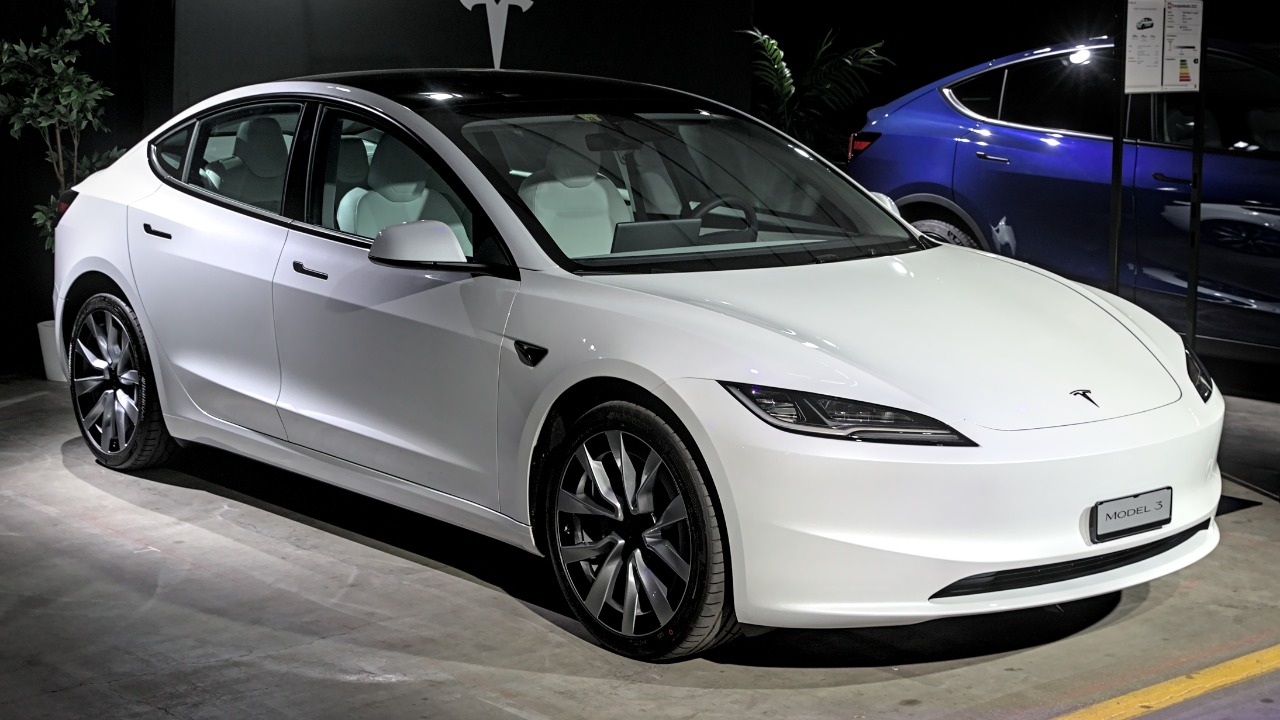
The introduction of water-powered engines could have a significant impact on the electric vehicle market. While it’s too early to predict the extent of this impact, changes in sales trends, consumer preferences, and infrastructure development are all potential outcomes. Electric vehicle manufacturers will likely need to respond with their own innovations and strategies to remain competitive.
The future of transportation is set to be a multi-modal one, with a mix of electric, hydrogen, and potentially other types of powered vehicles. The rise of Toyota’s water-powered engine is a testament to the ongoing evolution of this industry and a promising sign of a more sustainable future.
