Toyota is poised to initiate solid-state battery production by 2026, marking a significant milestone in electric vehicle (EV) technology. This development could enhance energy density and safety, building on the industry’s growing interest in solid-state batteries as a potential game-changer. However, earlier assessments suggested that Toyota’s efforts might not fully deliver the revolutionary impact initially anticipated. Meanwhile, competitors like Huawei are developing solid-state batteries capable of enabling 3,000 km ranges in EVs, intensifying the race for battery innovation.
Toyota’s Solid-State Battery Announcement
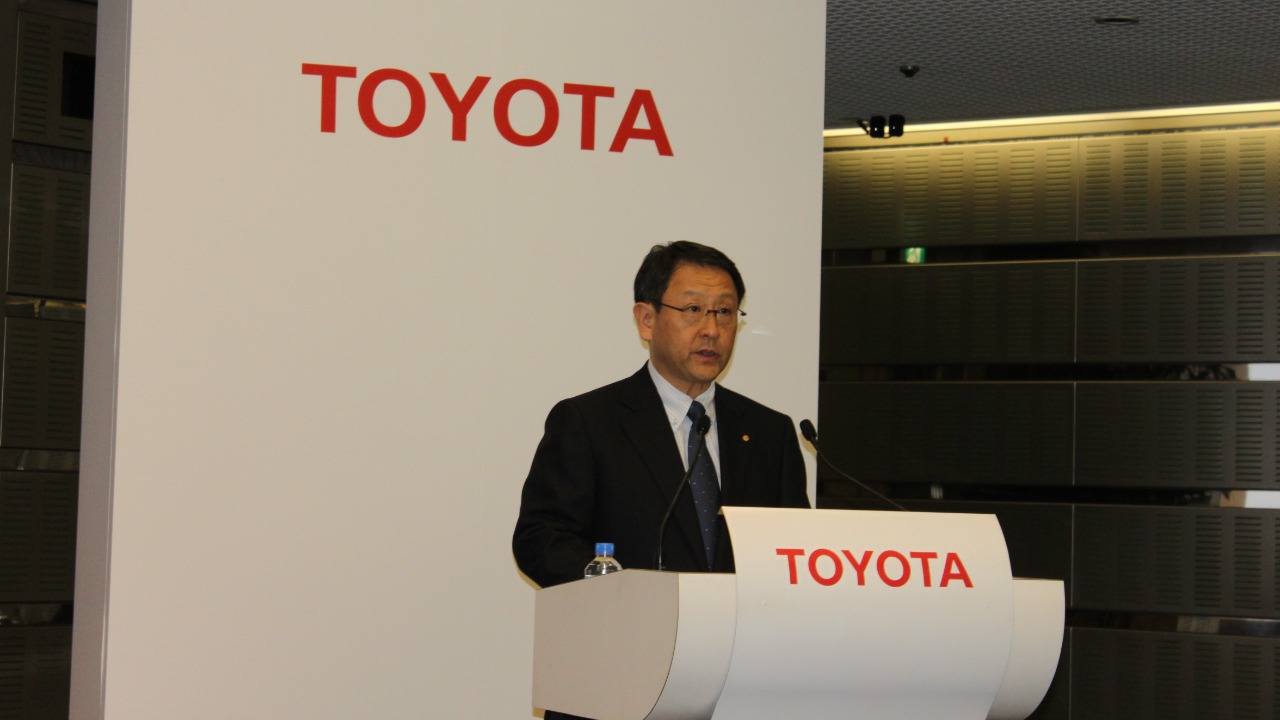
Toyota’s plan to launch solid-state battery production by 2026 represents a key milestone in their EV strategy. This move is seen as a “Solid-State Leap” that positions the company as a battery innovator, according to 2025 reporting. However, this leap was not without its skeptics. In 2023, there was some doubt that Toyota’s solid-state battery production would deliver the transformative changes initially anticipated in the industry, as reported by CarBuzz.
Toyota’s announcement of solid-state battery production by 2026 is a significant step in the company’s journey towards sustainable mobility. The company’s commitment to this technology is a testament to its belief in the potential of solid-state batteries to revolutionize the EV industry.
Advantages of Solid-State Batteries
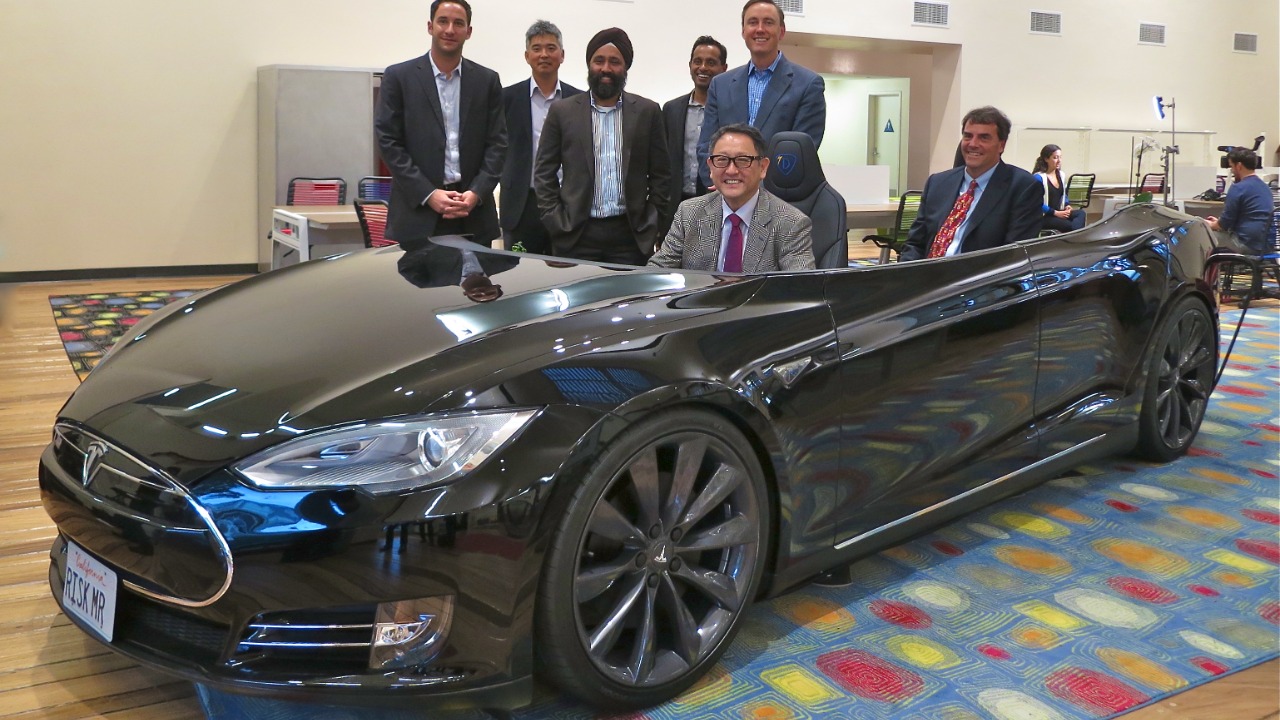
Solid-state batteries are considered a game-changer due to their potential for higher energy density, faster charging, and improved safety compared to traditional lithium-ion batteries. The elimination of liquid electrolytes in solid-state designs reduces fire risks and enables more compact battery packs for vehicles, as explained by Energetica India. These batteries could significantly extend EV driving ranges, drawing parallels to emerging technologies like Huawei’s 3,000 km solid-state EV battery.
The advantages of solid-state batteries extend beyond their potential for higher energy density and faster charging. As Energetica India explains, the use of solid electrolytes instead of liquid ones significantly reduces the risk of battery fires, a common concern with traditional lithium-ion batteries. This safety improvement could lead to increased consumer confidence in EVs, potentially driving higher adoption rates. Furthermore, the compact design of solid-state batteries allows for more flexible vehicle design, opening up new possibilities for EV manufacturers.
Toyota’s Development Challenges
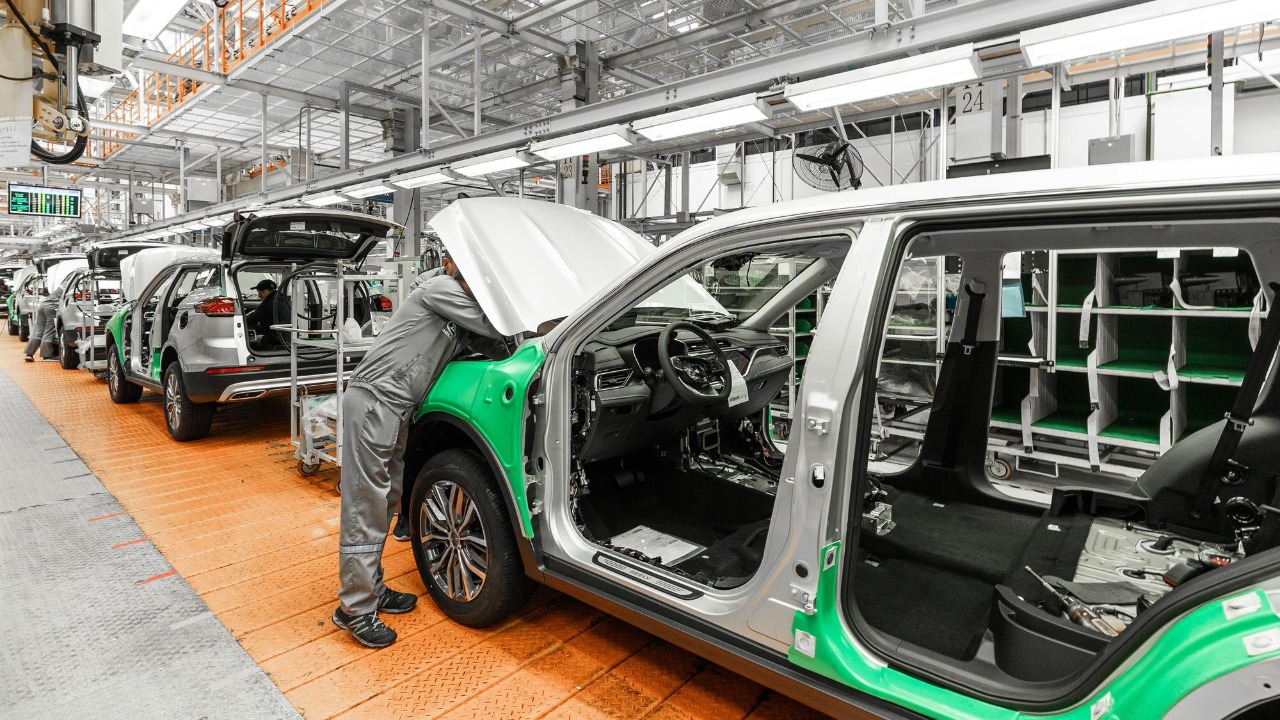
Toyota’s journey towards solid-state battery production has not been without its challenges. The company has had to navigate issues related to material stability, which is crucial for ensuring the longevity and reliability of the batteries. High manufacturing costs have also been a concern, as they could potentially make the batteries less competitive in the market. As CBT News notes, Toyota is also under pressure to meet its 2026 production launch deadline, a task that requires balancing innovation with practical implementation. Despite these hurdles, Toyota’s commitment to solid-state technology underscores its determination to overcome these challenges and lead the industry in battery innovation.
Industry-Wide Impact

Toyota’s 2026 production could accelerate the global shift to solid-state batteries, potentially influencing EV adoption rates. This development aligns with broader discussions in 2025 on solid-state batteries as a game-changer for the energy storage and automotive sectors. However, competitive pressures are mounting, particularly from Huawei’s 3,000 km solid-state EV battery, which raises questions about whether it overshadows Toyota’s initiatives.
The impact of Toyota’s solid-state battery production extends beyond the company itself. If successful, it could serve as a catalyst for the wider adoption of solid-state batteries in the EV industry. This could potentially lead to a significant increase in EV adoption rates, as the benefits of solid-state batteries address many of the concerns consumers have about EVs. However, as the 2025 reporting on Huawei’s 3,000 km solid-state EV battery suggests, competition in the field of solid-state batteries is intensifying, and Toyota will need to ensure its technology can compete with these emerging innovations.
Future Implications for EVs
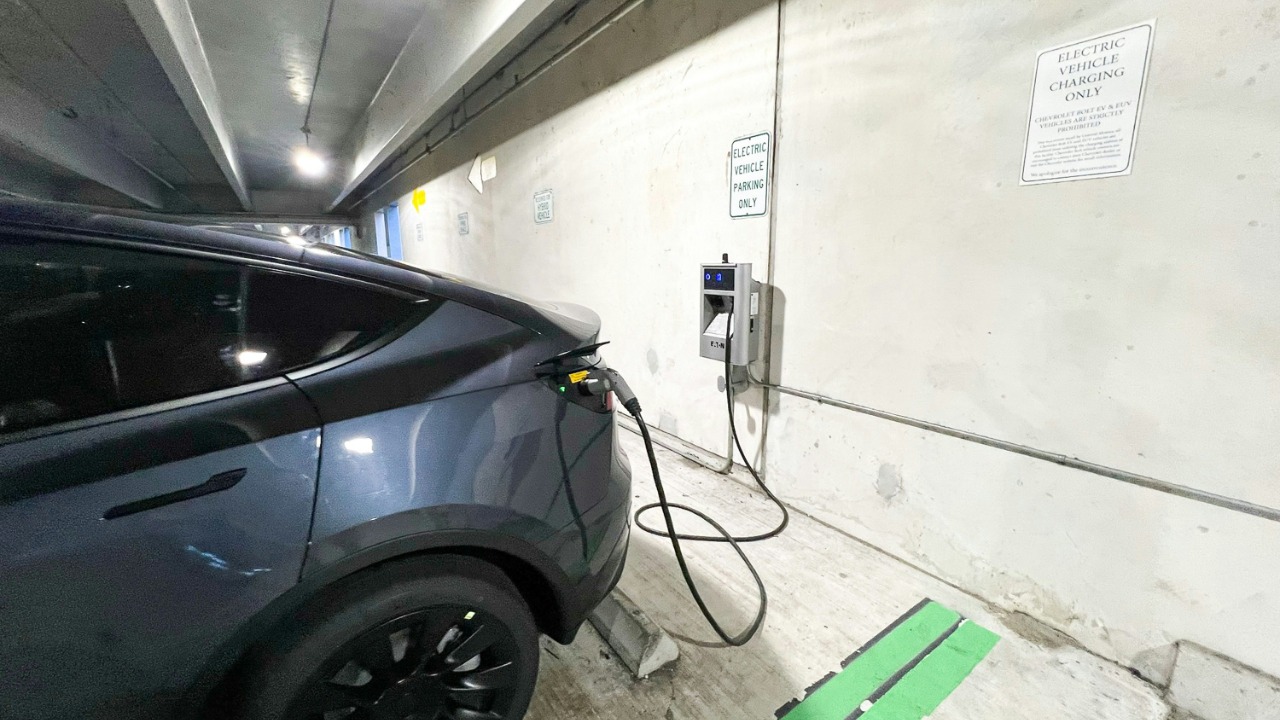
The implications of Toyota’s solid-state batteries for the future of EVs are significant. If the company can successfully overcome the challenges associated with solid-state battery production, it could potentially lead to EVs with longer ranges and quicker charging times. However, as some 2023 analysis suggests, the impact of Toyota’s production may be more evolutionary than revolutionary, gradually improving the performance of EVs rather than drastically changing the landscape. Despite these tempered expectations, there is a growing sense of optimism around the potential of solid-state batteries to change the game in the EV market.
Competitive Landscape

The competitive landscape in the field of solid-state batteries is rapidly evolving, with companies like Huawei emerging as significant players. Huawei’s development of a solid-state EV battery capable of enabling a 3,000 km range sets a high benchmark for other companies in the industry. This has added pressure on Toyota to ensure its own solid-state batteries can compete in terms of performance and cost. While the 2025 reporting has generally been positive about Toyota’s efforts, the company will need to continue innovating to maintain its competitive position in the face of these emerging challenges.
