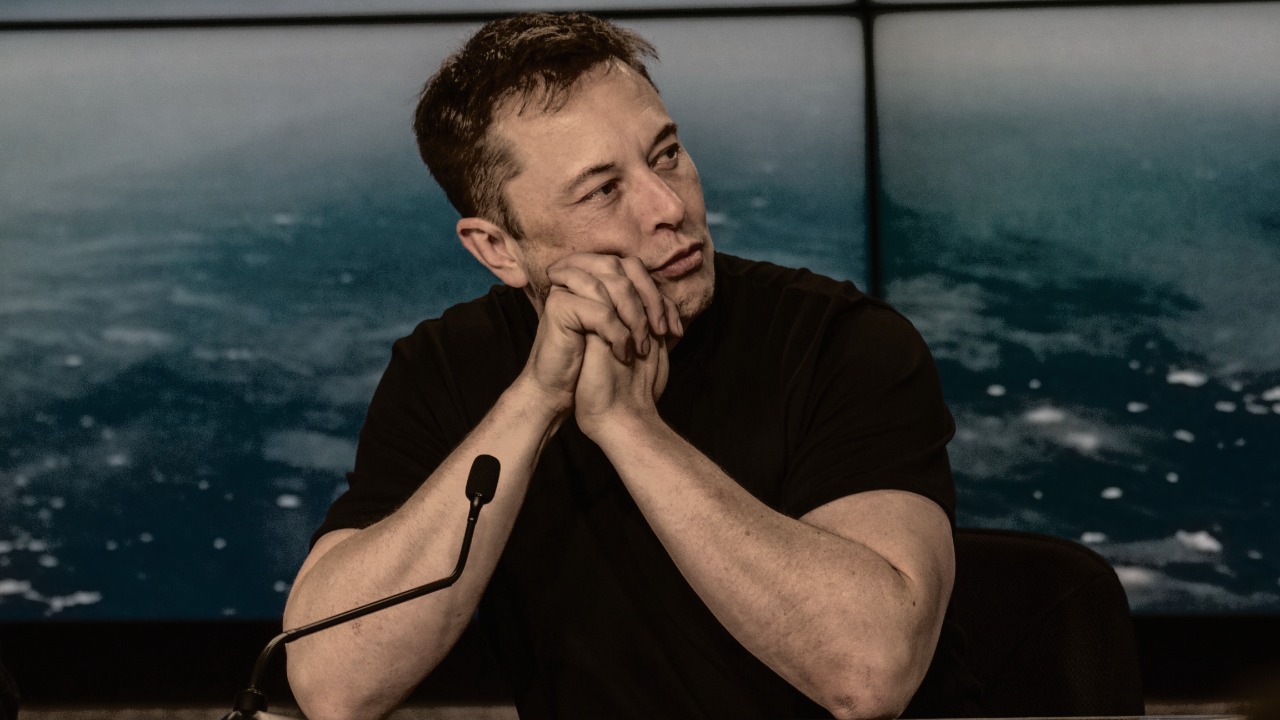

The world’s richest person is used to being called a visionary, a disrupter, even a genius. Now one of Ireland’s most prominent cybersecurity voices has added a harsher label, casting Elon Musk as a kind of “chaos monkey” who burns through money and public trust in ways that ripple far beyond his own balance sheet. The criticism lands at a moment when Musk is not only reshaping social media and artificial intelligence but also dragging his disputes into courtrooms on both sides of the Atlantic.
At stake is more than one billionaire’s reputation. When a figure with Musk’s reach is accused of treating critical digital infrastructure like a stress test for his own impulses, regulators, investors and ordinary users have to decide how much volatility they are willing to tolerate in exchange for innovation.
The Irish cyber warning shot
In Ireland, a country that has quietly become one of Europe’s key digital nerve centers, a Leading Irish cybersecurity specialist has gone public with a blunt assessment of Musk’s behavior. Framing the entrepreneur as a “chaos monkey” happy to waste resources, the expert argues that Musk’s pattern of abrupt decisions and public feuds is not just colorful personality but a structural risk for systems that millions rely on every day. Coming from a figure steeped in digital forensics and online harm, the language is deliberately provocative, meant to jolt policymakers out of any lingering deference to Silicon Valley celebrity.
The same expert’s comments, reported in detail in The Irish Mail on Sunday, go beyond name‑calling. They tie Musk’s conduct to concrete concerns about how online platforms handle vulnerable users, including children who may be drawn into harmful content or abusive interactions. When the expert talks about “wasting resources,” it is not only a reference to financial burn but also to the time and energy that law enforcement, social workers and specialist interviewers must now spend cleaning up the fallout from online environments that are allowed to spin out of control.
Cash, courts and a $134 billion claim
Those warnings land as Musk escalates one of the most expensive legal gambits in tech history, seeking up to $134 billion in damages from OpenAI and Microsoft. In a complaint detailed by reporter Robert Burnson, Musk accuses OpenAI Inc and its key partner Microsoft of betraying the nonprofit mission he says they once shared. The figure is staggering even by Silicon Valley standards, and the case is set to test not only contractual claims but also the narrative Musk has built around himself as a guardian of “safe” artificial intelligence.
From a cybersecurity perspective, the lawsuit is another example of how Musk’s disputes can consume enormous capital and attention that might otherwise be directed toward hardening systems or improving safeguards. The same filing, described in a separate Story on the case, underscores how Musk is willing to drag partners like Microsoft into sprawling litigation if he feels slighted. For regulators in Dublin, Brussels or Washington who are already wary of concentrated power in AI, the spectacle reinforces the Irish expert’s point that Musk’s personal battles can become systemic distractions.
Trust, safety and the Irish front line
What gives the Irish critique particular weight is the country’s role as a frontline regulator for global tech. The same The Irish Mail report highlights how local authorities, including the guards, are increasingly drawn into complex online abuse cases. They are not doing this work alone. As the expert notes, the guards are accompanied by social workers and specialist interviewers who help children and other vulnerable witnesses navigate traumatic material that often originates or circulates on platforms shaped by Musk’s decisions.
That context matters when the same expert, quoted again in extra.ie, warns that a single high‑profile case can require authorities to “court them to come here,” a reference to the painstaking work of persuading victims and witnesses to engage with the justice system. Every time a platform weakens its moderation or signals that harassment is a tolerable cost of doing business, that work becomes harder. In that light, describing Musk as cavalier with resources is not just about his own companies’ budgets, it is about the public money and human effort that must be spent to mitigate the consequences.
Musk’s cultivated aura of disruption
Musk has long leaned into an image of himself as an agent of disruption, and not only in rockets or electric cars. In a widely discussed segment of The Vergecast, commentators described how “there’s some weird stuff going on with OpenAI” and noted that “of course it involves Elon Musk” because so many new tech stories now seem to. That observation captures a broader reality. Whether the topic is AI safety, social media moderation or satellite internet, Musk has positioned himself at the center, often by choice, sometimes by picking fights that guarantee attention.
When I look at the Irish expert’s “chaos monkey” line through that lens, it reads less like an outlier insult and more like a local expression of a global unease. Another Elon Musk discussion in the same ecosystem of commentary treats his presence as almost inevitable whenever technology and controversy intersect. That ubiquity can be a strength when it focuses public debate on real risks, such as the misuse of generative AI. It becomes a liability when the conversation is driven instead by Musk’s latest legal broadside or algorithm tweak, leaving regulators and civil society to react to his moves rather than set their own agenda.
Burning cash, straining trust
The Irish cyber specialist’s charge that Musk is “happy to waste resources” is not a casual throwaway. In the reporting carried via Elon Musk coverage in Ireland, the world’s richest person is portrayed as someone whose decisions can force entire institutions to reallocate budgets and staff. When a platform changes its rules overnight or invites back previously banned accounts, content moderators, police units and child protection teams all have to adjust. That is real money, measured not in speculative valuations but in overtime hours and delayed services elsewhere.
At the same time, the Irish Mail on Sunday reporting and its related Musk coverage point to a second, less tangible but equally important cost, the erosion of trust. When users see platforms lurch from one policy to another, or watch their owner launch multibillion‑dollar lawsuits while downplaying safety concerns, they start to doubt that anyone is really in charge of the public square. For a cybersecurity community that depends on cooperation between platforms, governments and users, that loss of confidence may be the most damaging legacy of all.
More from Morning Overview