As technology continues to evolve at a rapid pace, the medical field is seeing groundbreaking advances in the form of nanobots. These tiny robots are designed to perform precise tasks at a cellular level, offering promising treatments for a variety of health conditions. Here are the top five nanobots expected to enter clinical trials soon, each showing potential to revolutionize healthcare.
Cancer-Targeting Nanobots
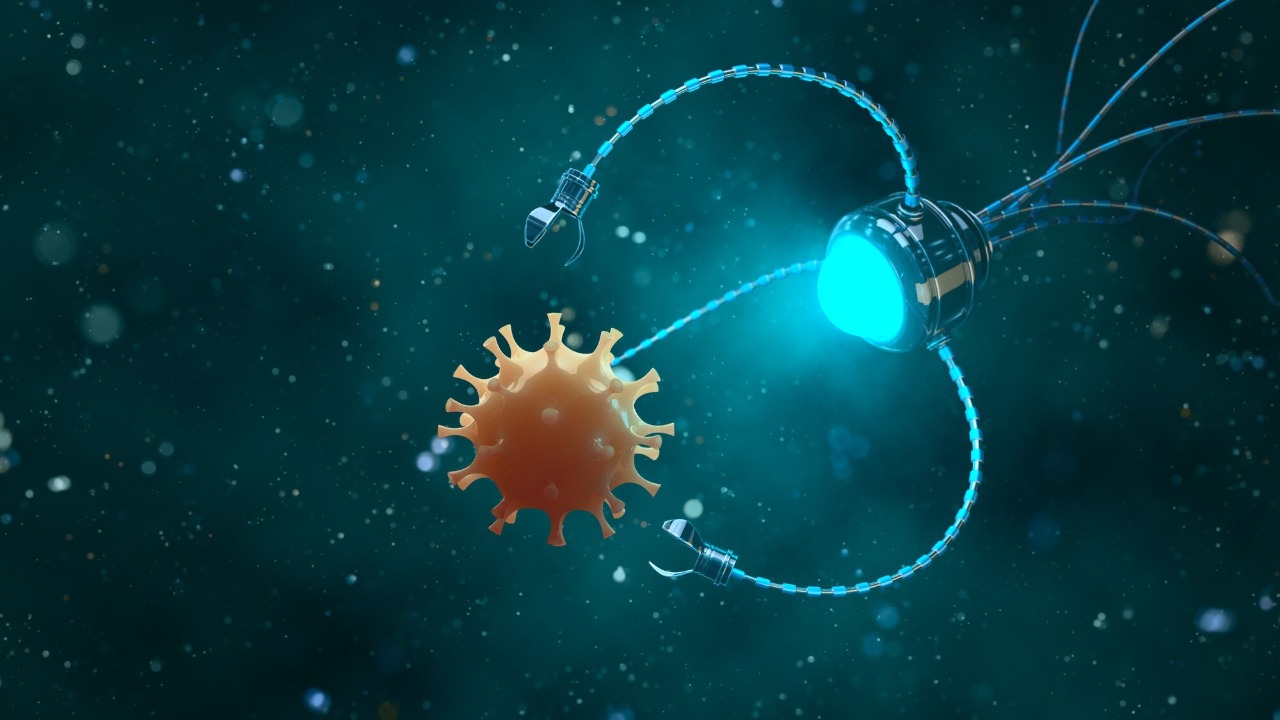
One of the most exciting developments in nanotechnology is the creation of cancer-targeting nanobots. These nanobots are engineered to specifically target and destroy cancer cells without damaging surrounding healthy tissues. Utilizing advanced navigation systems, they can deliver drugs directly to the tumor site, increasing the efficacy of the treatment while minimizing side effects.
Current research is focusing on enhancing the targeting capabilities of these nanobots. By incorporating elements like magnetic fields and surface markers, scientists aim to improve their precision. The upcoming clinical trials will be a crucial step in understanding how these nanobots can be integrated into existing cancer treatment protocols.
Infection-Fighting Nanobots
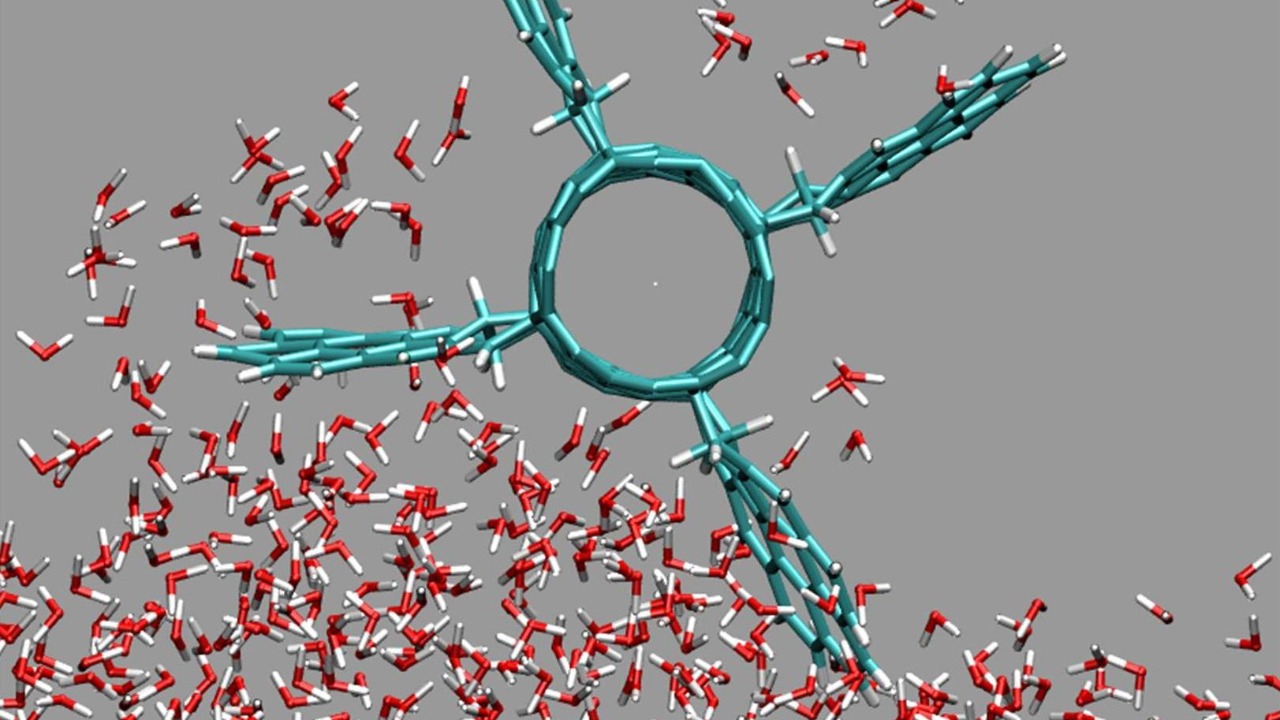
In the fight against bacterial infections, infection-fighting nanobots are showing great promise. These nanobots are designed to seek out bacterial infections and combat them directly. By delivering antibiotics or other antimicrobial agents precisely where needed, they can potentially reduce the risk of antibiotic resistance.
As researchers prepare these nanobots for clinical trials, their ability to neutralize harmful bacteria with minimal impact on beneficial microbiota is being closely examined. This approach could significantly improve treatment outcomes for patients with severe or chronic infections.
Cardiovascular Repair Nanobots
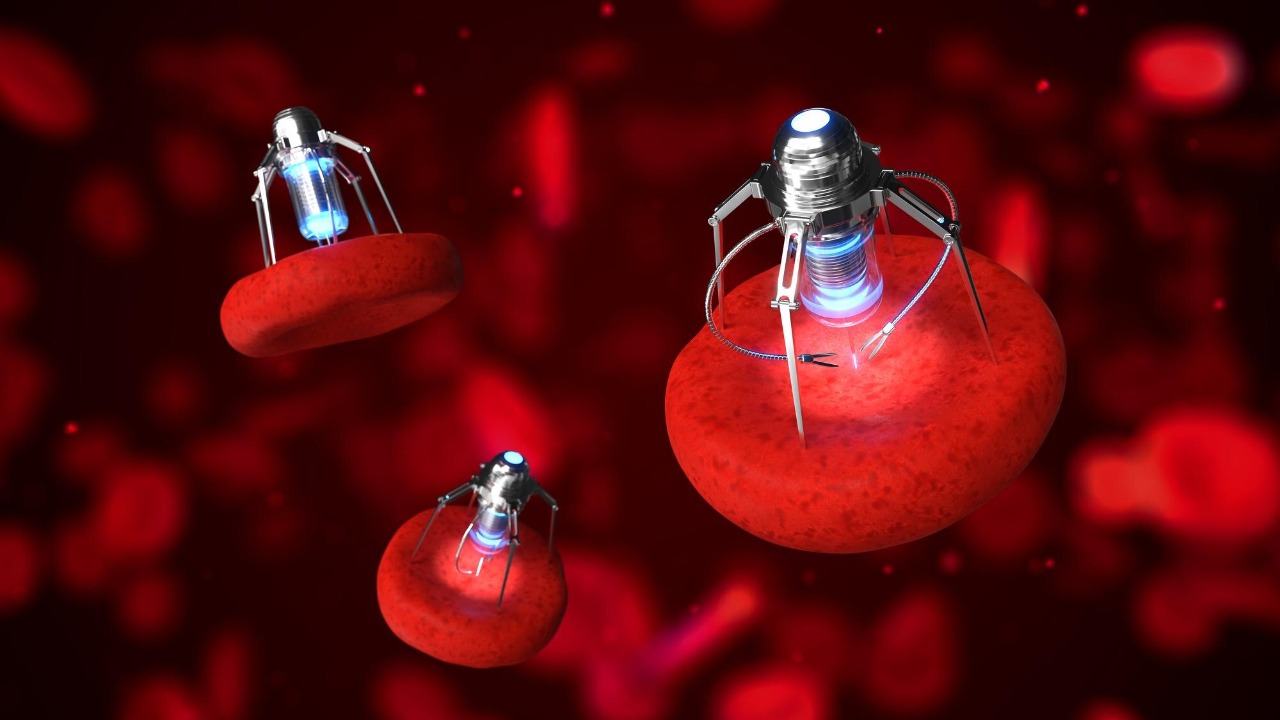
Cardiovascular diseases remain one of the leading causes of death worldwide, but cardiovascular repair nanobots may offer a new line of defense. These nanobots are designed to repair damaged heart tissues or clear blocked arteries, potentially reducing the need for invasive surgeries.
As they move towards clinical trials, researchers are testing their ability to navigate the complex vascular system and repair tissues at a cellular level. Success in these trials could pave the way for less invasive and more effective treatments for heart disease.
Neurological Disorder Nanobots
Treating neurological disorders poses unique challenges, but neurological disorder nanobots are being developed to address these issues. These nanobots can cross the blood-brain barrier to deliver drugs or repair neurological tissues directly within the brain.
Upcoming clinical trials will focus on their safety and efficacy in treating conditions like Parkinson’s and Alzheimer’s. The ability to deliver therapies directly to affected areas in the brain could revolutionize the treatment of these debilitating diseases.
Wound-Healing Nanobots
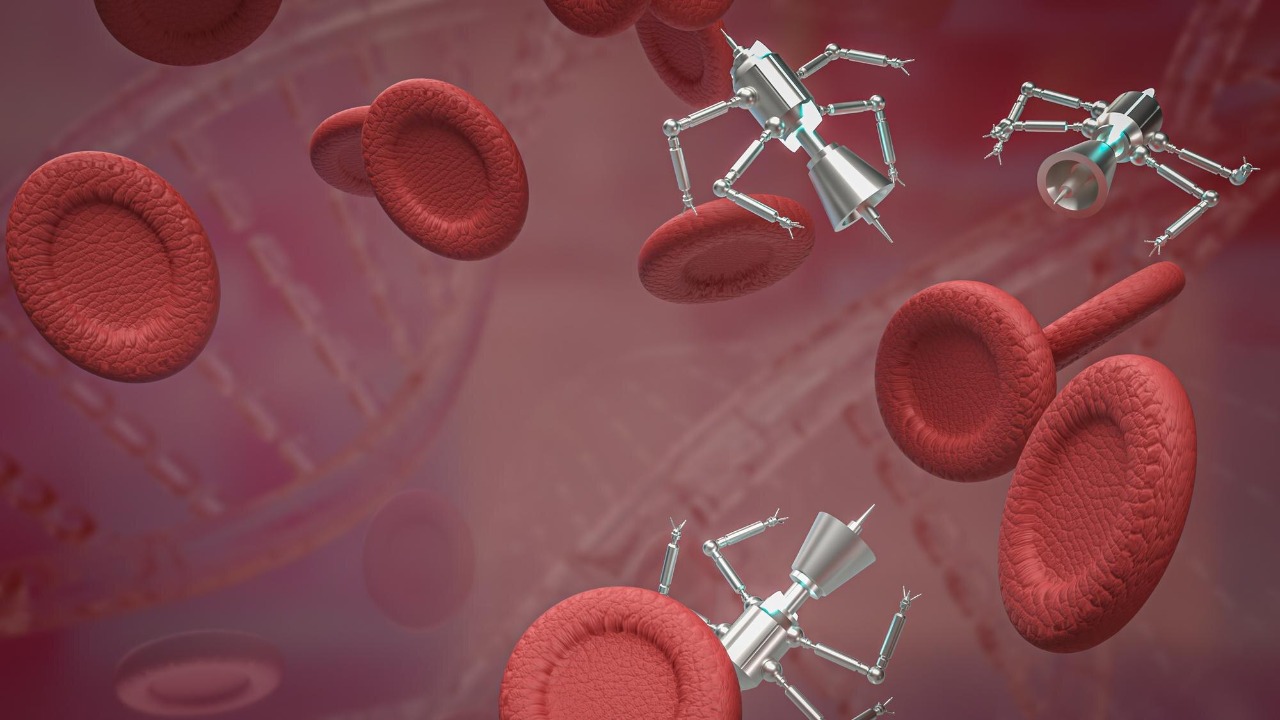
For patients with chronic wounds or those recovering from surgery, wound-healing nanobots offer a promising solution. These nanobots can be programmed to facilitate faster healing by delivering growth factors and other healing agents directly to the wound site.
The clinical trials will explore their potential to reduce healing times and improve outcomes for patients, particularly those with compromised healing abilities. By enhancing the body’s natural healing processes, these nanobots could become a cornerstone in regenerative medicine.
