

The field of medical diagnostics is undergoing a transformative shift, thanks to the integration of artificial intelligence (AI) tools. These technologies are enhancing accuracy, efficiency, and personalization in the healthcare sector. Here are the top 10 AI tools that are making a significant impact in medical diagnostics today.
1. AI-Powered Imaging Analysis Tools
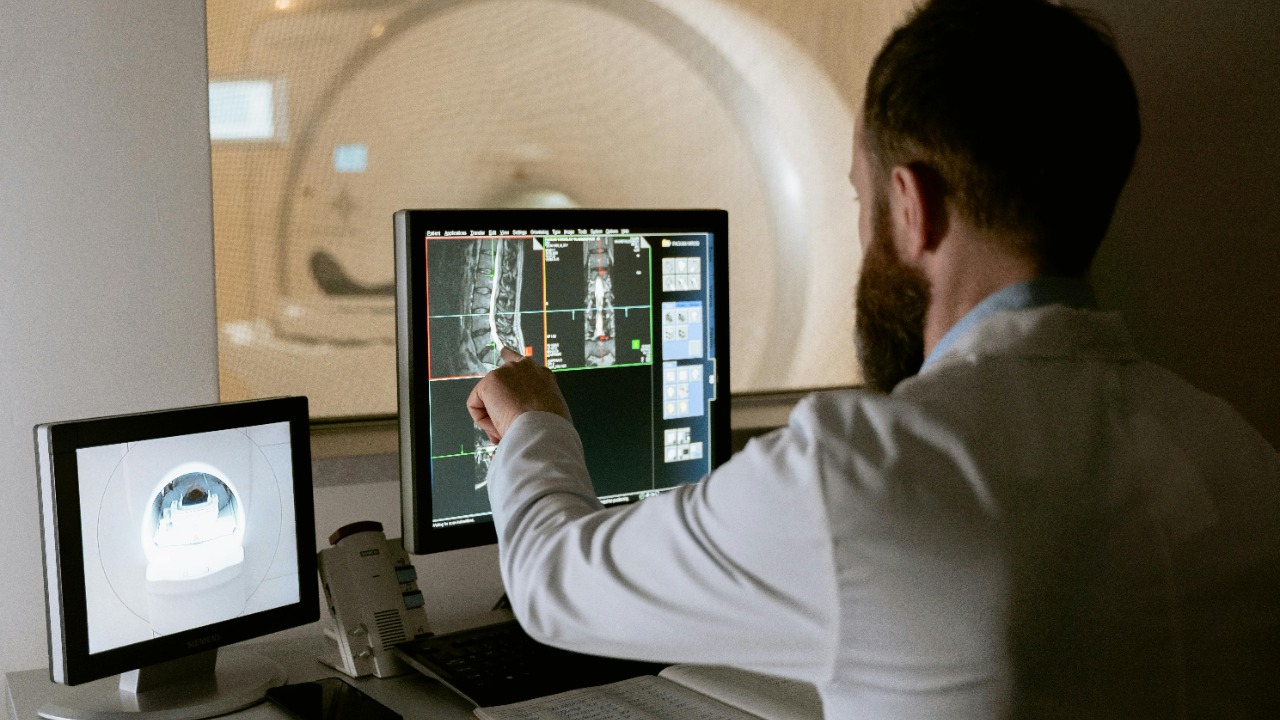
AI-powered imaging analysis tools are streamlining the process of interpreting medical images. Technologies like Google’s DeepMind and IBM’s Watson Health are at the forefront, offering solutions that can quickly and accurately detect abnormalities in X-rays, MRIs, and CT scans. By employing deep learning algorithms, these tools help radiologists reduce the time spent on diagnostics and increase the accuracy of their assessments.
These tools are particularly effective in identifying early signs of diseases such as cancer and cardiovascular conditions. The AI systems can highlight areas of concern, allowing doctors to focus on the most critical parts of an image. This not only enhances diagnostic precision but also facilitates better patient outcomes.
2. Predictive Analytics Platforms
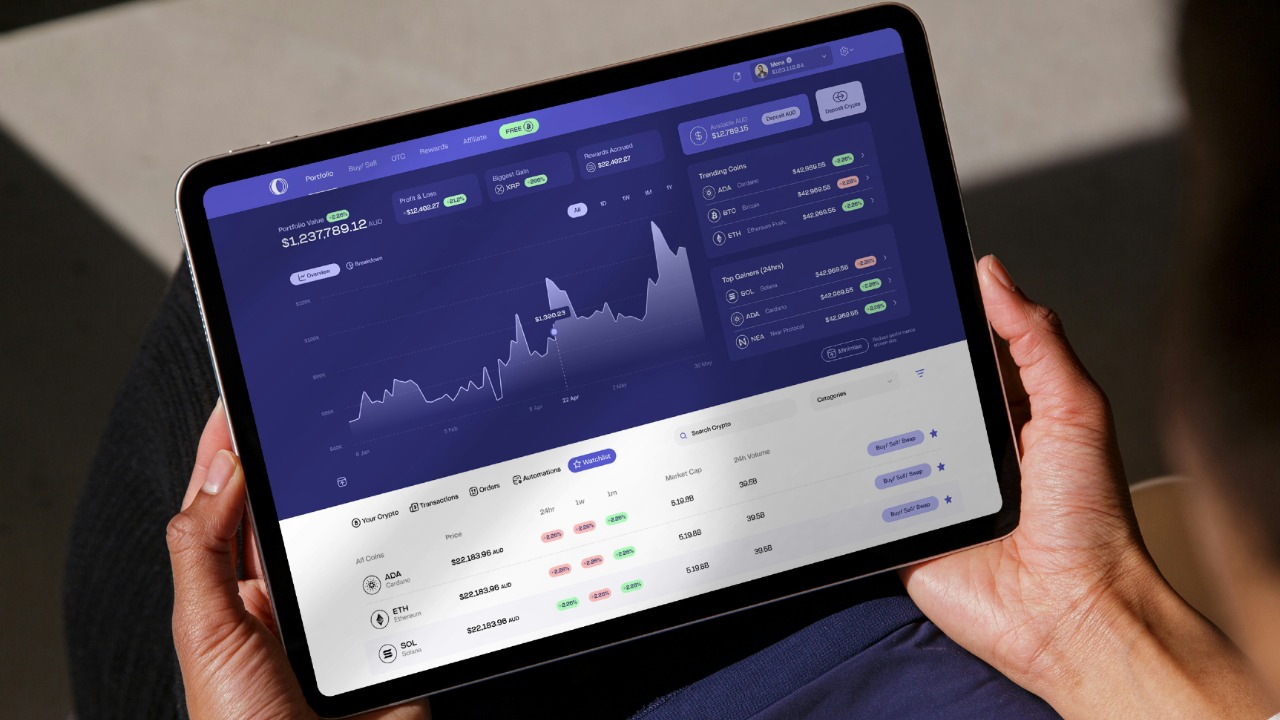
Predictive analytics platforms are revolutionizing how medical professionals anticipate and manage patient health outcomes. Using vast amounts of healthcare data, companies like Health Catalyst and Oracle Health Sciences provide tools that predict disease progression and patient risk factors. These platforms aid healthcare providers in making informed decisions about preventive care and treatment plans.
By analyzing trends and patterns in patient data, predictive analytics can identify potential health issues before they become severe. This proactive approach leads to more personalized care and improved patient experiences. Learn more about AI’s role in global health.
3. Natural Language Processing for Medical Records

Natural language processing (NLP) is transforming how healthcare providers interact with medical records. Companies like Nuance Communications and 3M Health Information Systems are leveraging NLP to extract meaningful insights from unstructured data in electronic health records (EHRs). This technology allows for faster documentation and retrieval of patient information.
NLP tools can identify trends and correlations in patient data that may be missed by human analysis. By automating data entry and analysis, healthcare providers can spend more time focusing on patient care rather than administrative tasks.
4. Virtual Health Assistants
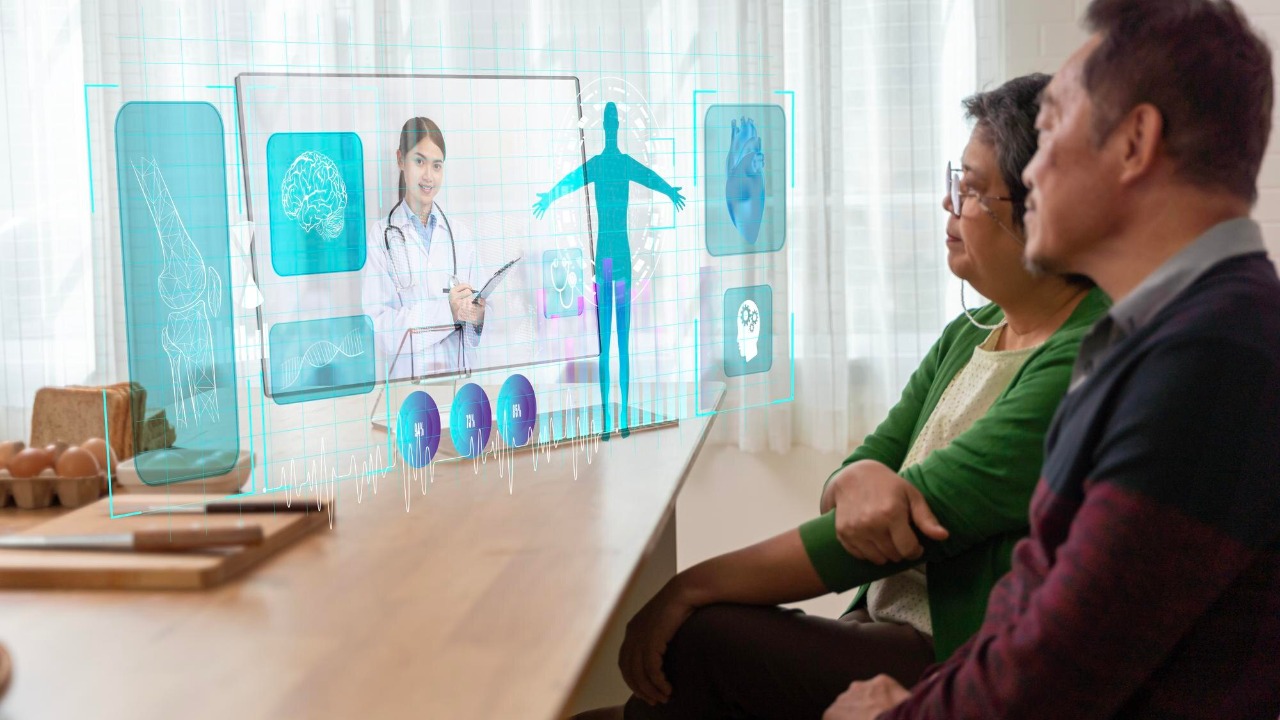
Virtual health assistants are providing patients with 24/7 access to healthcare support. Tools like Babylon Health and Microsoft’s Healthcare Bot Service offer AI-driven chatbots that assist with scheduling appointments, answering medical queries, and providing medication reminders. These virtual assistants enhance patient engagement and improve adherence to treatment plans.
By offering instant access to healthcare information, virtual assistants empower patients to take control of their health. This technology also alleviates the burden on healthcare professionals, allowing them to focus on more complex cases. Explore more on how AI is being used in healthcare in Dubai.
5. Genomic Sequencing AI Solutions
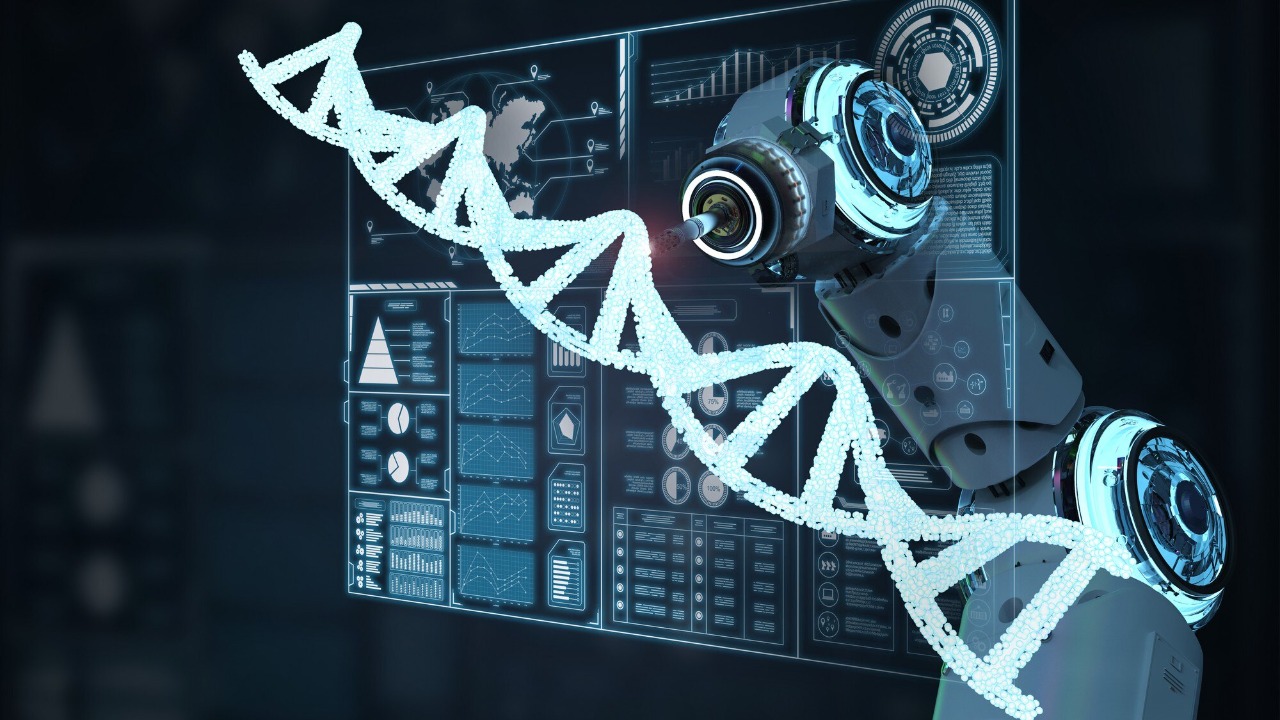
AI solutions in genomic sequencing are paving the way for personalized medicine. Companies like Illumina and Helix are using AI to analyze genetic data, providing insights into an individual’s susceptibility to certain diseases. This information is crucial for developing targeted treatment plans and preventive strategies.
By understanding the genetic factors that contribute to disease, healthcare providers can offer more effective and personalized care. AI-driven genomic sequencing accelerates the process of identifying genetic mutations and assessing their impact on health.
6. AI-Driven Pathology Tools

AI-driven pathology tools are transforming the analysis of tissue samples and biopsies. PathAI and Paige are leading the charge with solutions that use machine learning to identify cancerous cells with high precision. These tools enhance the accuracy and speed of pathology diagnoses.
By automating the analysis process, AI-driven pathology tools reduce the workload on pathologists and allow for quicker turnaround times. This technology is particularly valuable in oncology, where timely and accurate diagnoses are critical for effective treatment. Discover more about AI’s impact on medical diagnosis.
7. Machine Learning for Personalized Medicine

Machine learning is at the core of personalized medicine, where treatment plans are tailored to individual patient needs. Companies like Tempus and GNS Healthcare are utilizing machine learning algorithms to analyze patient data and predict responses to various treatments.
This approach enables healthcare providers to select the most effective therapies for each patient, reducing trial-and-error in treatment plans. Personalized medicine driven by AI not only enhances patient outcomes but also optimizes resource allocation in healthcare settings.
8. Wearable AI Diagnostics

Wearable AI diagnostics are empowering individuals to monitor their health in real time. Devices like Apple Watch and Fitbit use AI algorithms to track vital signs and detect abnormalities, such as irregular heartbeats or sleep apnea. These wearables provide users with insights into their health and alert them to potential issues.
The data collected by wearable devices can be shared with healthcare providers, enabling proactive health management. This technology is particularly beneficial for patients with chronic conditions, as it facilitates continuous monitoring and early intervention.
9. Robotics-Assisted Surgical Tools
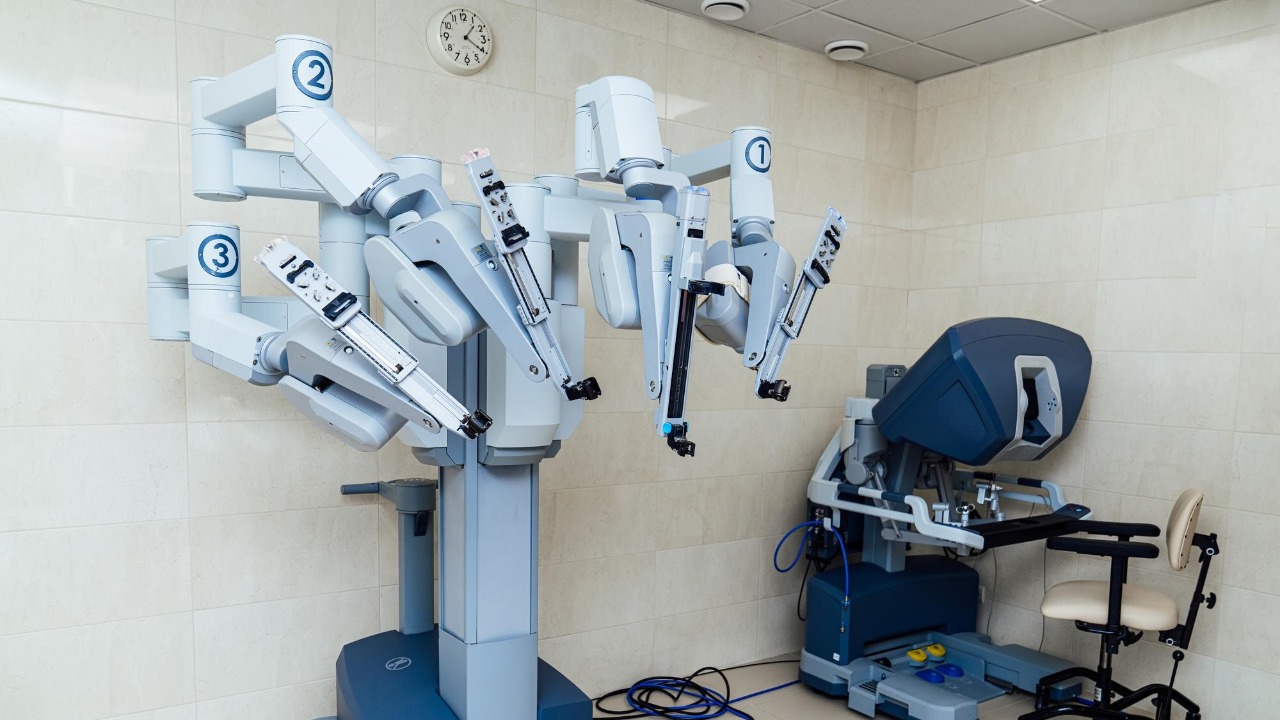
Robotics-assisted surgical tools are enhancing precision and safety in the operating room. Da Vinci Surgical System and Mako Robotic-Arm Assisted Surgery are examples of how robotics are aiding surgeons in performing complex procedures with minimal invasiveness.
These tools offer enhanced dexterity and accuracy, leading to faster recovery times and reduced risk of complications. Robotics-assisted surgery is transforming the landscape of surgical care, providing patients with better outcomes and surgeons with advanced capabilities.
10. AI-Enhanced Telemedicine Platforms

AI-enhanced telemedicine platforms are expanding access to healthcare services, especially in remote areas. Platforms like Teladoc and Amwell integrate AI to triage patients and provide virtual consultations, ensuring that patients receive timely care from the comfort of their homes.
By incorporating AI, these platforms can analyze patient data to provide personalized recommendations and follow-up care. This technology is bridging the gap in healthcare access and improving patient satisfaction. Read more about AI-powered tools for medical diagnosis.