Recent scientific advancements have led to the development of an innovative toothpaste containing proteins derived from human hair. This breakthrough promises not only to rebuild tooth enamel but also to halt tooth decay, offering a revolutionary alternative to traditional fluoride-based products. As dental health continues to be a significant concern for individuals worldwide, this novel approach could signal a shift in how we maintain and protect our teeth.
The Science Behind Hair Protein Toothpaste
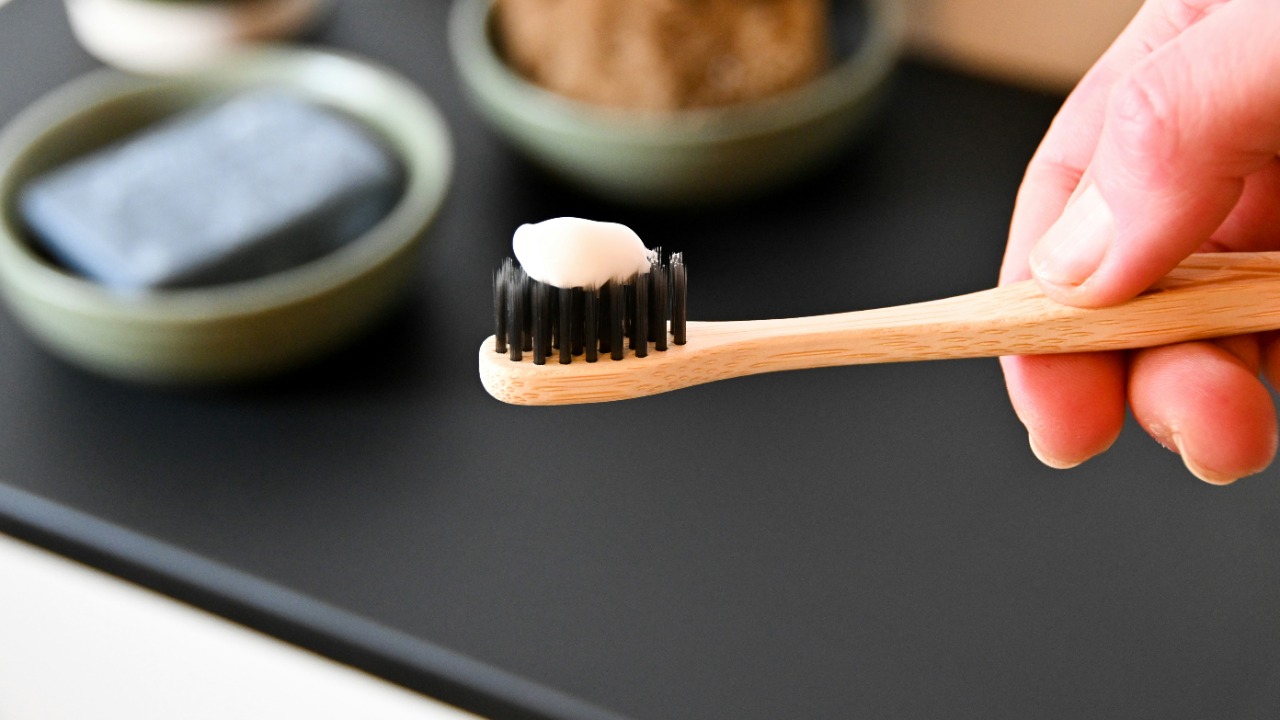
The cornerstone of this innovative toothpaste lies in the use of keratin, a protein abundantly found in human hair. Keratin is renowned for its robustness and protective qualities, which have been harnessed in various health and beauty products. In the realm of dental care, keratin’s unique properties offer promising benefits for oral health. This protein can integrate seamlessly into the tooth enamel, initiating a process that fortifies and repairs the surface.
Keratin interacts with the minerals naturally present in tooth enamel, enhancing the remineralization process. This interaction creates a protective barrier that not only restores the enamel but also shields it from further decay. Clinical studies have shown that this keratin-based approach can be more effective than traditional fluoride treatments in certain cases. A recent study indicates that this innovative toothpaste could offer a more natural solution to common dental problems.
Mechanisms of Tooth Enamel Repair
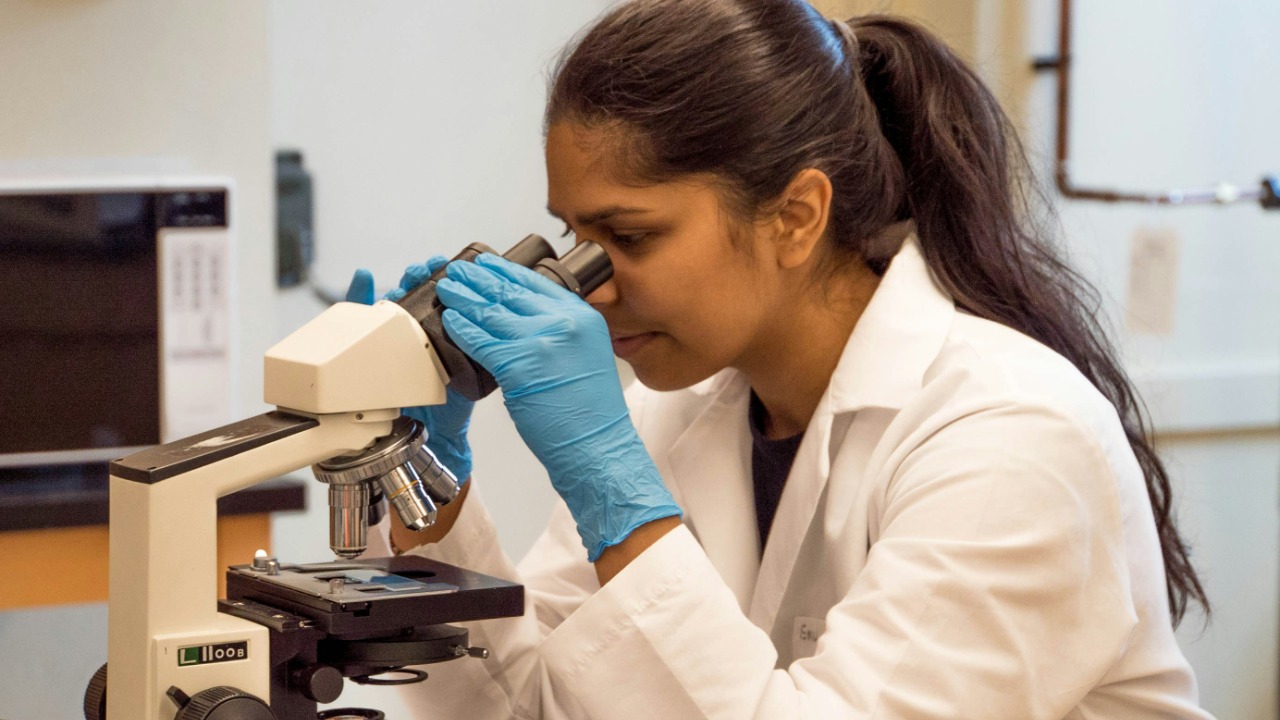
To comprehend how hair protein toothpaste facilitates enamel repair, it’s vital to understand the process of remineralization. This natural healing process involves the deposition of minerals onto the tooth surface, which can be accelerated by the presence of keratin. The protein’s structural similarities to enamel components allow it to bind effectively with calcium and phosphate, essential minerals for enamel strength.
The integration of keratin into the enamel matrix has been supported by numerous studies and clinical trials. These trials demonstrate a marked improvement in tooth enamel density and a reduction in sensitivity after using keratin-infused toothpaste. The success of these trials underscores the potential of keratin to revolutionize dental care by not just preventing further damage but actively repairing existing issues.
Benefits Over Traditional Dental Care Products
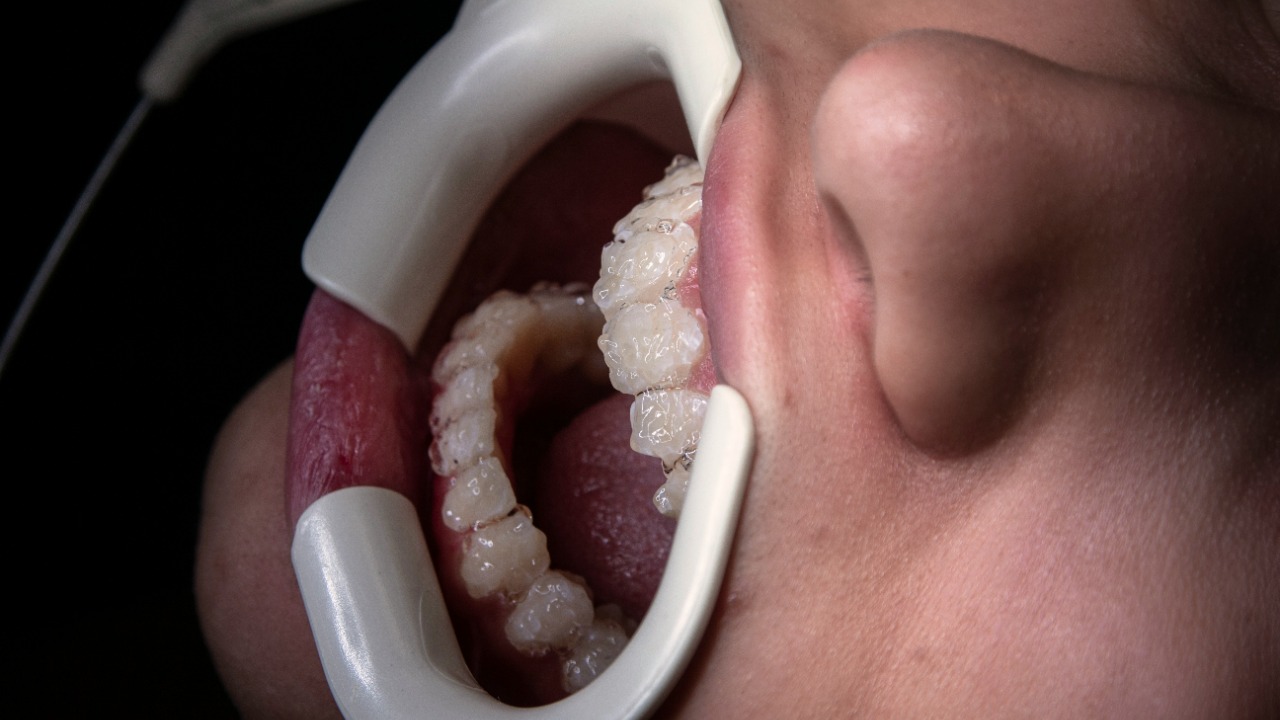
One of the most significant advantages of hair protein toothpaste is its potential to reduce reliance on fluoride, a common but sometimes controversial ingredient in many dental care products. While fluoride has been proven to prevent cavities, excessive exposure can lead to dental fluorosis, a condition that affects the appearance of teeth. By using keratin, consumers might avoid these concerns while still achieving excellent oral health results.
Moreover, the long-term benefits of this toothpaste could be considerable. Users report fewer cavities, enhanced enamel resilience, and improved overall oral hygiene. As shared in user testimonials, the transition to hair protein toothpaste has not only met but exceeded expectations, offering a viable alternative to traditional dental care products.
Potential Challenges and Considerations

Despite its promising potential, the use of human hair proteins in toothpaste raises certain ethical considerations. Sourcing human hair ethically and sustainably is paramount to ensure consumer trust and acceptance. Manufacturers must be transparent about their sourcing practices to address any concerns about the origin and processing of these proteins.
Additionally, potential consumers might worry about allergies or adverse reactions. While keratin is generally considered safe, it’s crucial for manufacturers to conduct thorough testing and label products clearly. Overcoming these challenges will be essential for gaining widespread acceptance and market readiness. Addressing these issues head-on, as discussed in various studies, will be vital for the product’s success.
Future Implications and Innovations in Oral Care
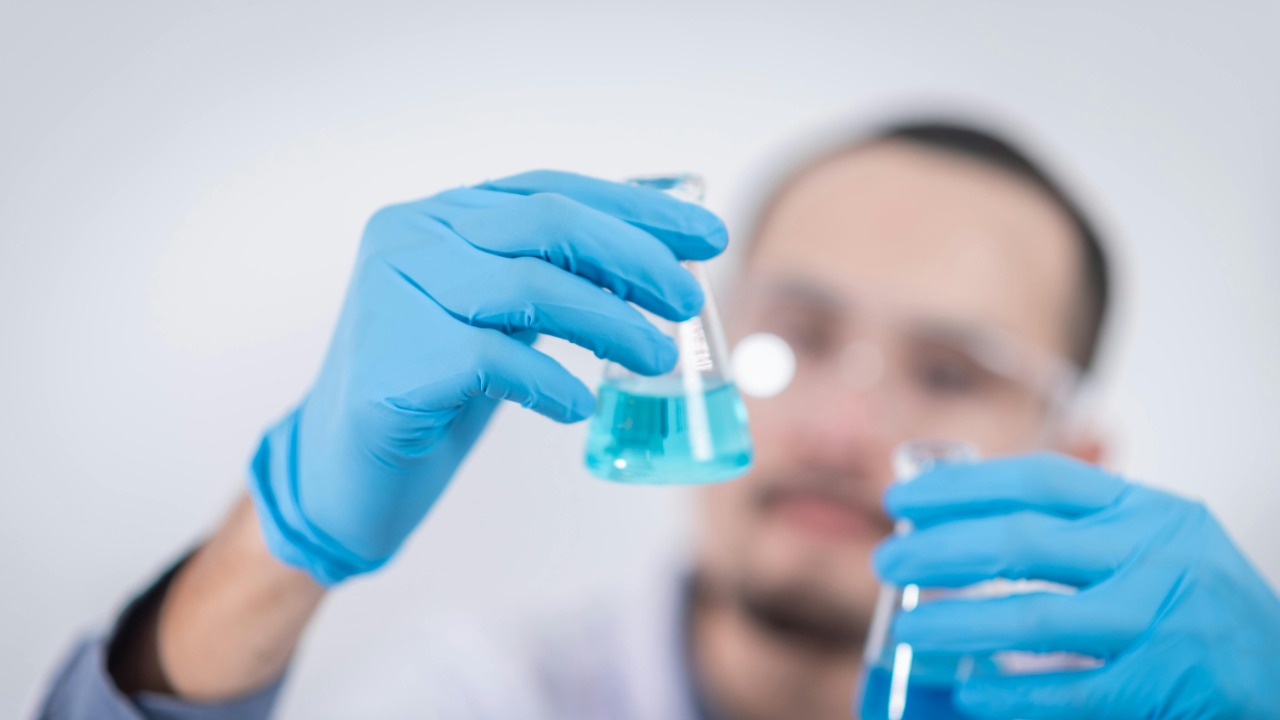
This innovation in oral care could set the stage for a new era of dental products that leverage biological materials for health benefits. The successful integration of keratin into toothpaste may inspire similar approaches in other areas of healthcare, where natural proteins can be used for repair and protection. The potential for such advancements is immense, and the implications for public health could be far-reaching.
Looking ahead, the broader impacts on preventive care strategies are promising. By reducing the incidence of tooth decay and promoting healthier enamel, keratin-based products could significantly improve dental health outcomes. This advancement might encourage further research and development, paving the way for more sustainable and effective healthcare solutions. As the industry evolves, the potential for innovations like hair protein toothpaste to influence future dental practices cannot be overstated.
