
The 2025 Nobel Prize in Physics has been awarded to John Clarke, Michel Devoret, and John Martinis for their groundbreaking work in demonstrating that quantum effects, typically confined to microscopic scales, can manifest in larger, real-world systems. Clarke, a professor emeritus at the University of California, Berkeley, played a pivotal role in developing experimental techniques to observe these phenomena in macroscopic objects. Devoret, from Yale University, and Martinis, from the University of California, Santa Barbara, collaborated on breakthroughs that extended quantum weirdness beyond theoretical models, significantly impacting fields like quantum computing.
The Discovery of Macroscopic Quantum Effects
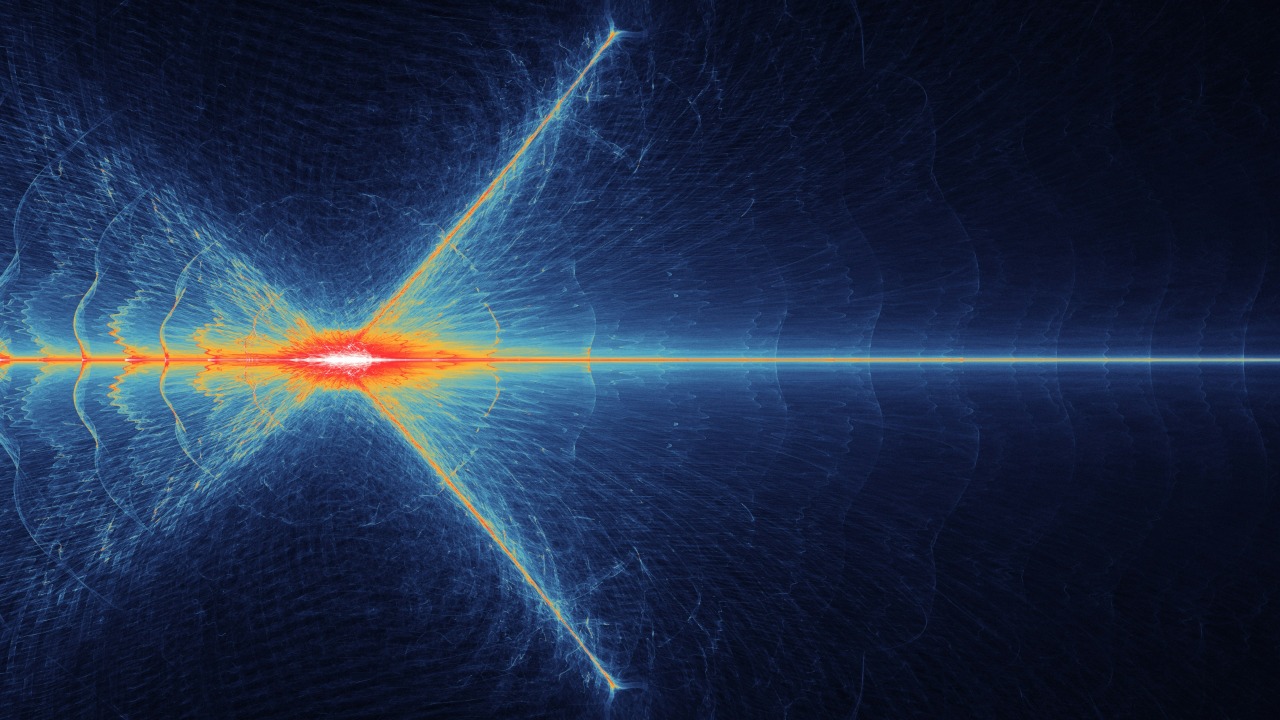
The laureates’ work involved an experimental setup that allowed them to observe quantum superposition and entanglement in circuits containing billions of atoms. This marked a significant shift from quantum behaviors traditionally limited to single particles. Their experiments demonstrated that quantum effects could be observed in larger systems, challenging the conventional understanding of quantum mechanics. This discovery has profound implications for the future of technology and science, as it opens up new possibilities for the application of quantum principles on a macroscopic scale [source].
John Clarke’s contribution to this discovery was crucial, particularly through his development of sensitive detectors like SQUIDs (Superconducting Quantum Interference Devices). These detectors enabled the measurement of quantum fluctuations in larger systems during the 1980s and 1990s. Clarke’s work laid the foundation for observing quantum effects in macroscopic environments, which was previously thought to be impossible. His innovations have not only advanced the field of quantum physics but also paved the way for practical applications in various industries [source].
Michel Devoret’s role in this groundbreaking work involved creating artificial atoms within superconducting circuits. These artificial atoms allowed for the study of quantum coherence on scales that were previously considered unattainable. Devoret’s experiments demonstrated that quantum coherence could be maintained in larger systems, bridging the gap between microscopic and macroscopic quantum realms. This achievement has significant implications for the development of quantum technologies, as it provides a deeper understanding of how quantum principles can be harnessed in practical applications [source].
Individual Contributions of the Laureates

John Clarke’s foundational work at UC Berkeley involved pioneering noise reduction techniques to isolate quantum signals in macroscopic environments. His efforts in reducing noise and enhancing signal detection were instrumental in observing quantum phenomena in larger systems. Clarke’s contributions have been recognized as a cornerstone in the field of quantum physics, as they have enabled researchers to explore the potential of quantum mechanics beyond theoretical models [source].
At Yale University, Michel Devoret conducted experiments focusing on quantum tunneling in Josephson junctions during the 1990s. These experiments were pivotal in bridging the microscopic and macroscopic quantum realms, demonstrating that quantum tunneling could occur in larger systems. Devoret’s work has been instrumental in advancing the understanding of quantum mechanics and its potential applications in various fields, including quantum computing and cryptography [source].
John Martinis’s advancements at UC Santa Barbara included research on qubit stability in the 2000s. His work confirmed that quantum effects could persist in real-life, larger-scale devices, which was a significant breakthrough in the field of quantum computing. Martinis’s research has directly contributed to the development of stable qubits, which are essential for the practical implementation of quantum computers. His contributions have been recognized as a major step forward in making quantum computing a reality [source].
Implications for Quantum Technologies
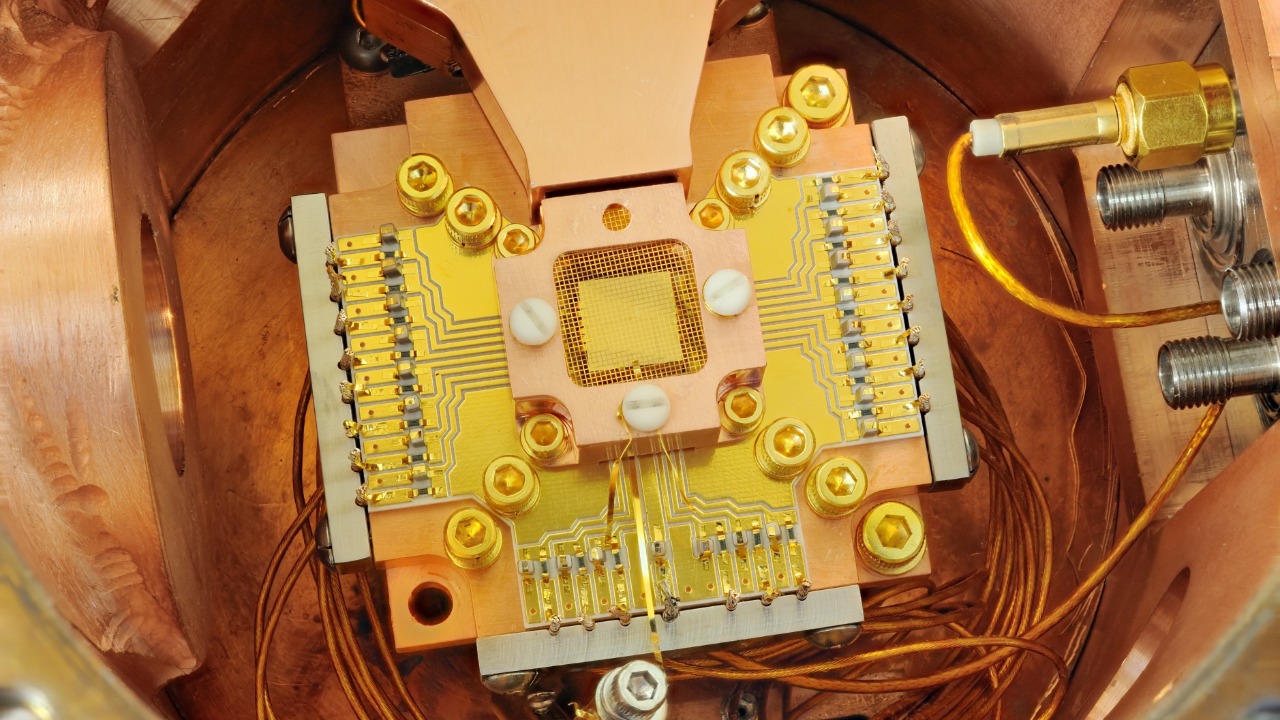
The findings of Clarke, Devoret, and Martinis have directly advanced the field of quantum computing by enabling the development of stable qubits that operate under macroscopic conditions. This advancement has been crucial for companies like Google and IBM, which are working on quantum computing prototypes. The ability to maintain quantum coherence in larger systems has opened up new possibilities for the practical application of quantum computers, which could revolutionize industries ranging from cryptography to artificial intelligence [source].
In addition to quantum computing, the laureates’ work has significant implications for quantum sensors. Clarke’s SQUID technology, for example, is now used to detect minute magnetic fields in applications such as medical imaging and geophysical surveys. These advancements have the potential to improve the accuracy and efficiency of various technologies, providing new tools for scientists and engineers in a wide range of fields [source].
Beyond these applications, the work of Devoret and Martinis on error-corrected quantum systems has made quantum weirdness practical for everyday technology. Their research has addressed some of the key challenges in developing reliable quantum systems, paving the way for advancements in cryptography and simulation. These developments have the potential to transform industries by providing more secure communication methods and powerful computational tools [source].
Historical Context and Recognition
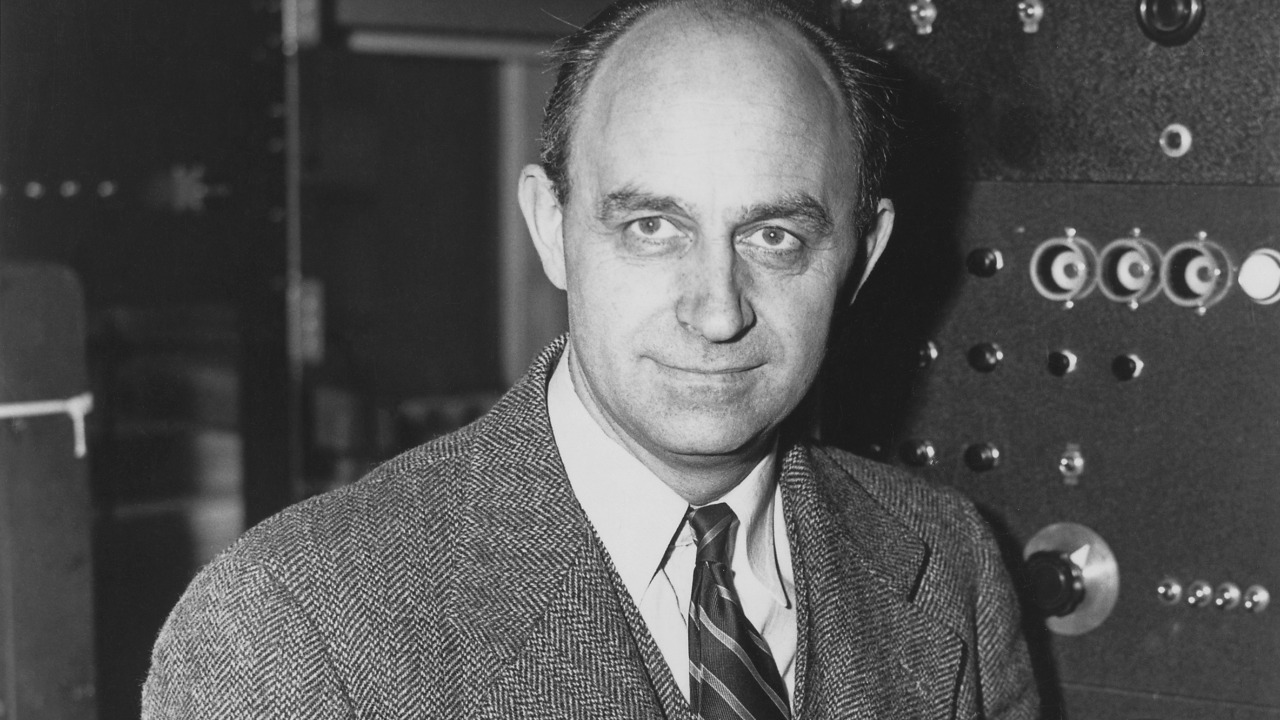
The evolution of quantum theory from its early days in the 1920s to the 2025 Nobel recognition highlights the significant progress made in understanding and applying quantum mechanics. The laureates overcame challenges related to decoherence, which had previously confined quantum effects to tiny scales. Their breakthroughs have expanded the boundaries of quantum physics, demonstrating that quantum mechanics can be applied to larger, real-world systems [source].
The Nobel Committee praised the trio for “bringing quantum mechanics into the macroscopic world,” a recognition awarded on October 8, 2025, in Stockholm. This acknowledgment underscores the importance of their work in advancing the field of quantum physics and its practical applications. The recognition of their achievements by the Nobel Committee highlights the transformative impact of their research on the scientific community and beyond [source].
Reactions from the scientific community have been overwhelmingly positive, with endorsements from quantum physicists highlighting the work’s role in validating quantum theory’s real-life applicability. The laureates’ contributions have been recognized as a major step forward in the field, providing new insights and opportunities for researchers and industries alike. Their work has not only advanced the understanding of quantum mechanics but also opened up new possibilities for its application in various fields [source].
