
When it comes to the intricate world of automotive technology, even a tiny overlooked function could be causing you to hemorrhage money. Car experts consistently stress the need to familiarize oneself with the vehicle’s features in order to maximize its efficiency and save your hard-earned cash.
The Overlooked Automotive Button: Cruise Control
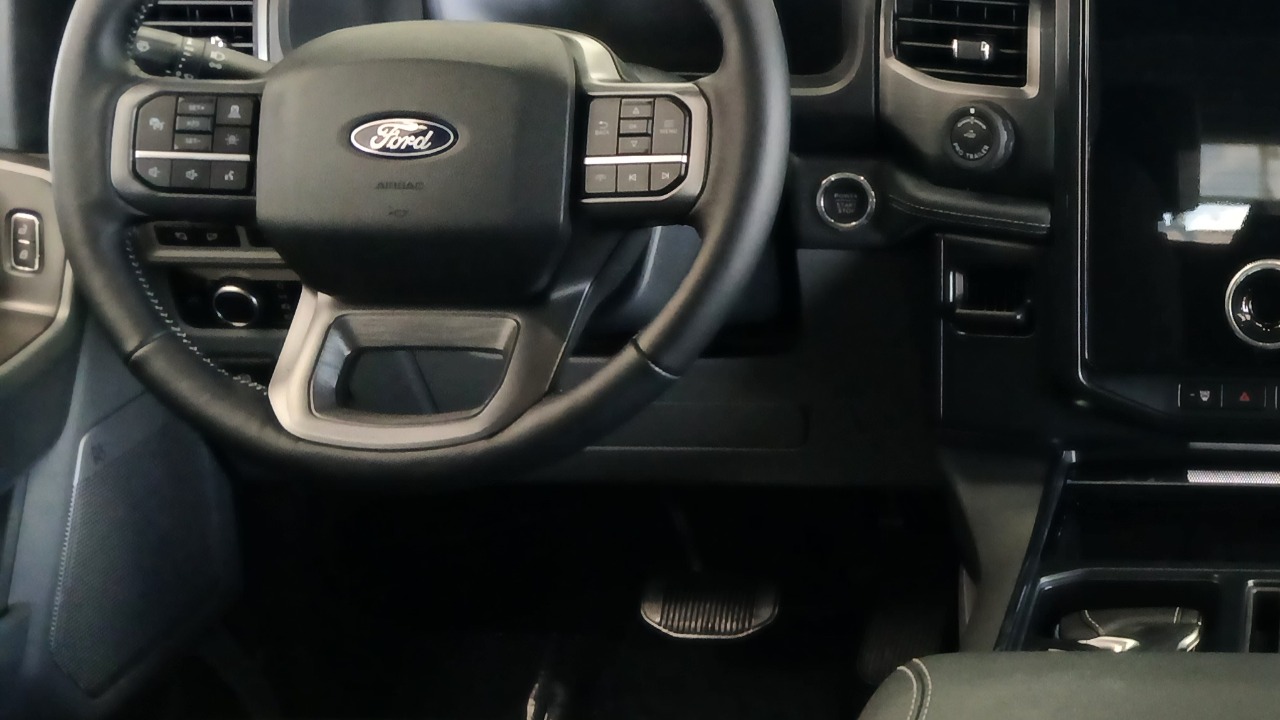
The feature in question is the often-ignored cruise control. This system is designed to automatically control the speed of a vehicle. By setting a desired speed, drivers can take their foot off the accelerator and allow the car to maintain a constant speed, reducing the need for unnecessary acceleration and deceleration. Unfortunately, many drivers tend to overlook or misuse this feature, leading to unnecessary fuel consumption and costs.
Reports from the Bristol Post and insights from several car experts, have emphasized the importance of using cruise control correctly. These sources point out that the misuse of cruise control can lead to excessive fuel consumption, which could amount to substantial financial losses over time.
How Cruise Control Saves Fuel and Money
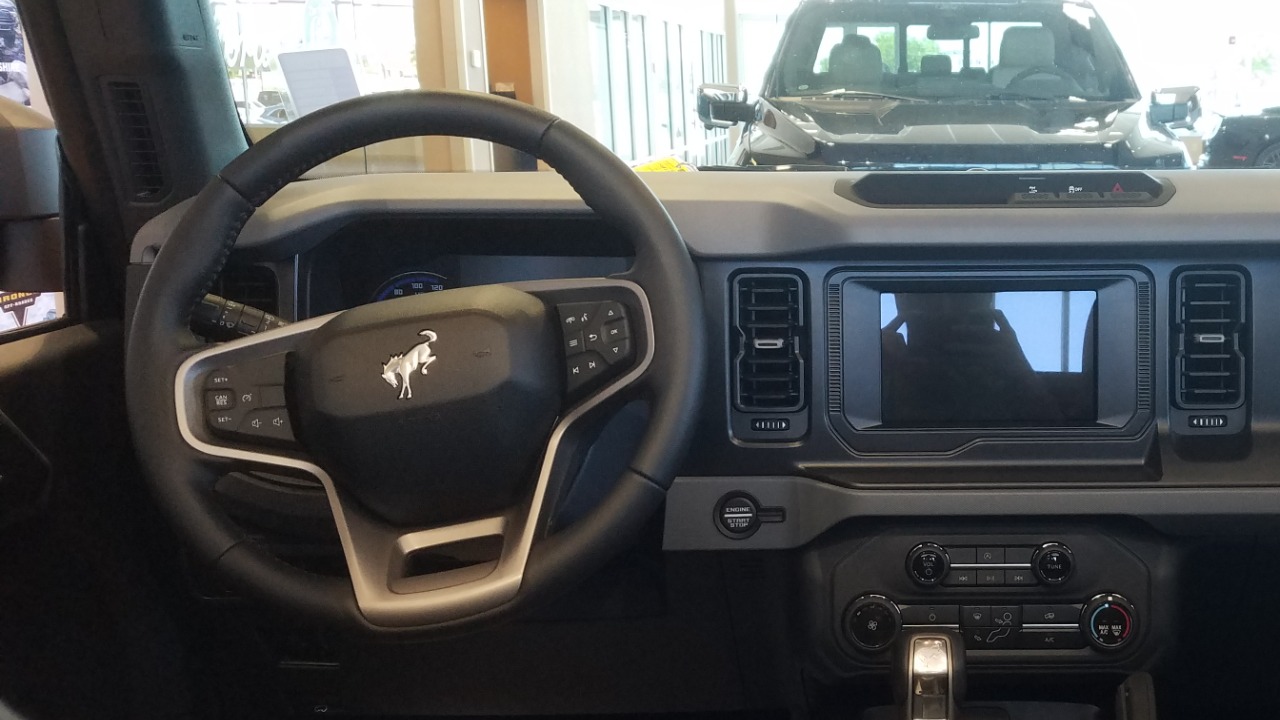
So, how exactly does cruise control save fuel and money? By maintaining a steady speed, cruise control reduces the need for constant acceleration and deceleration, which consume more fuel. This consistent speed can improve your vehicle’s fuel efficiency and ultimately save you money at the pump.
Research cited by the Bristol Post estimates that using cruise control could save drivers up to 1200 GBP a year on fuel costs. This is because varying speeds and rapid acceleration lead to increased fuel consumption, translating into higher costs for drivers.
Other Ways Ignorance of Car Features Can Cost You

While cruise control is a significant feature that many drivers overlook, it’s not the only one. Other car features such as tire pressure monitoring systems, engine oil life monitors, and even the humble air conditioning can also impact your vehicle’s fuel efficiency and longevity if not used correctly.
Take for example the tire pressure monitoring system. This feature alerts you when your tires are under-inflated, which can lead to increased fuel consumption and even damage to your tires. Proper use of this feature, as outlined in your car manual, can save you money on fuel and potential tire replacements.
Tips on Using Cruise Control and Other Features Efficiently
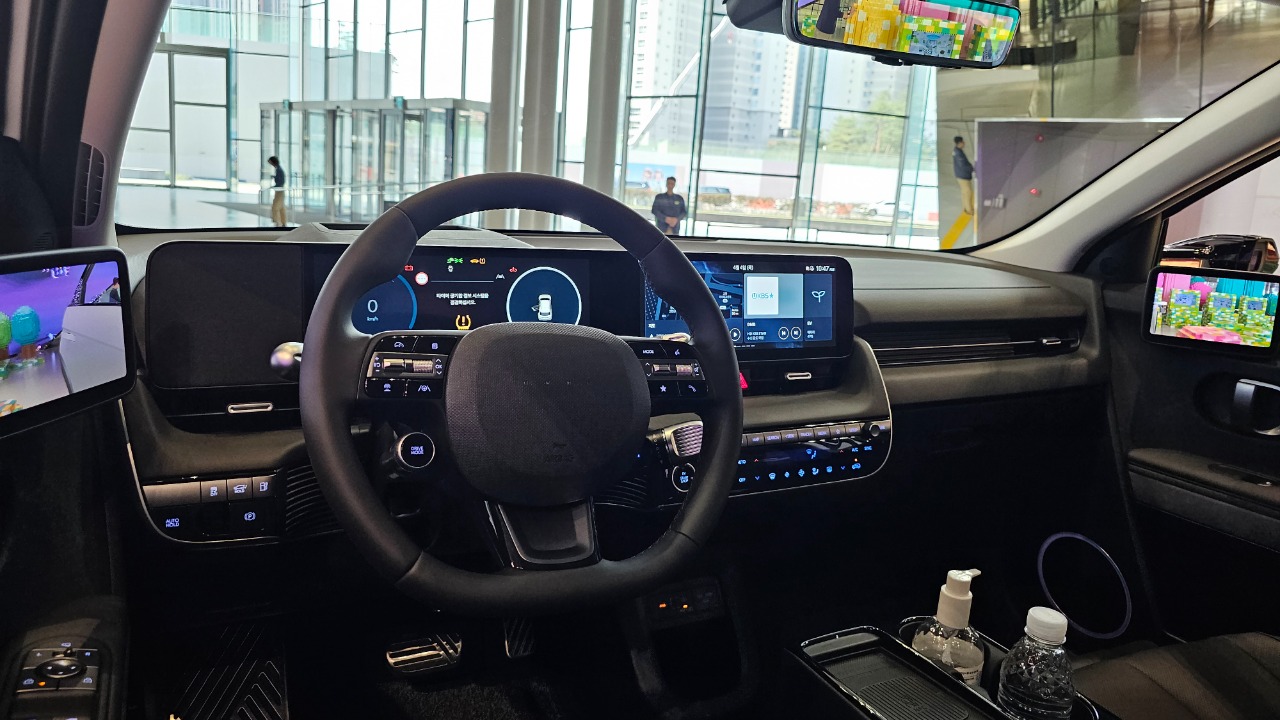
So how can you use cruise control and other vehicle features more efficiently? First and foremost, it’s essential to understand how these features work. Read your car manual thoroughly and don’t hesitate to ask questions if you’re unsure about something. The more you know about your car, the better you’ll be able to use it to its full potential and save money in the process.
When using cruise control, for instance, it’s best to use it on long, open stretches of road rather than city driving. This is because constant changes in speed due to traffic or stoplights can make cruise control less efficient. As for other features like the tire pressure monitoring system, make sure to check your tire pressure regularly and top up if necessary.
The Financial and Environmental Impact of Efficient Car Use

On a broader scale, if all drivers made the most of their car’s features, the collective financial impact would be significant. Not only would individuals save money, but the reduced fuel consumption could also lead to lower national spending on fuel imports.
Moreover, using your car efficiently doesn’t just save you money; it also benefits the environment. Less fuel consumption means fewer carbon emissions, contributing to a cleaner and healthier environment. A study published in the New York Law Review discusses how efficient car use can help mitigate the effects of climate change by reducing greenhouse gas emissions. In short, understanding your car’s features and using them correctly can have far-reaching financial and environmental benefits.
