A partial human cranium, discovered in the Hualongdong cave site in eastern China and dated to approximately 300,000 years ago, is causing a stir in the scientific community. This ancient skull exhibits a unique blend of archaic and modern features that do not correspond to any known Homo species, including Homo sapiens, Neanderthals, or Denisovans.
The Discovery at Hualongdong Cave
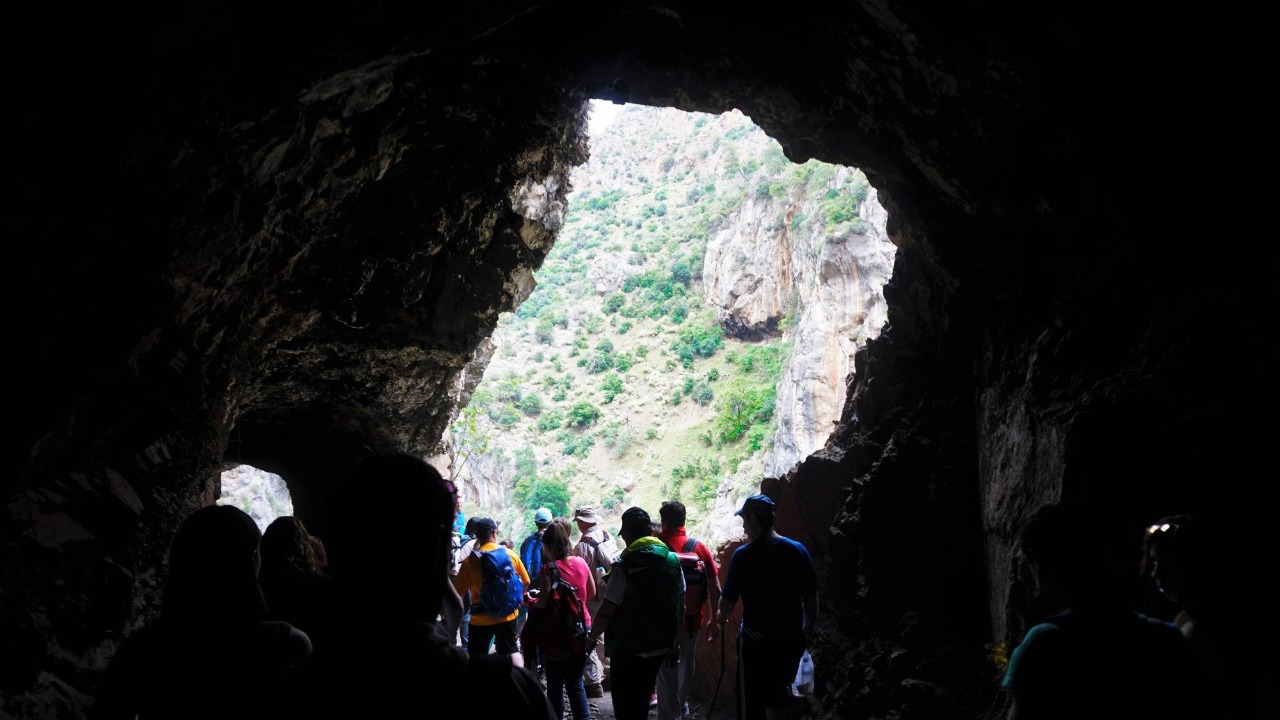
The initial excavation process began in 2014 at the Hualongdong site in Ningbo City, eastern China. Researchers from the Chinese Academy of Sciences unearthed over 50 bone fragments belonging to at least five individuals. Among these findings was a partial cranium, cataloged as HLD 6, which was discovered alongside other fossils, including limb bones and teeth from the same period.
The Hualongdong site is a karst cave environment, a type of landscape formed from the dissolution of soluble rocks such as limestone, dolomite, and gypsum. This environment is significant for preserving Middle Pleistocene fossils, providing a unique window into our ancient past.
Dating the Fossils to 300,000 Years Ago
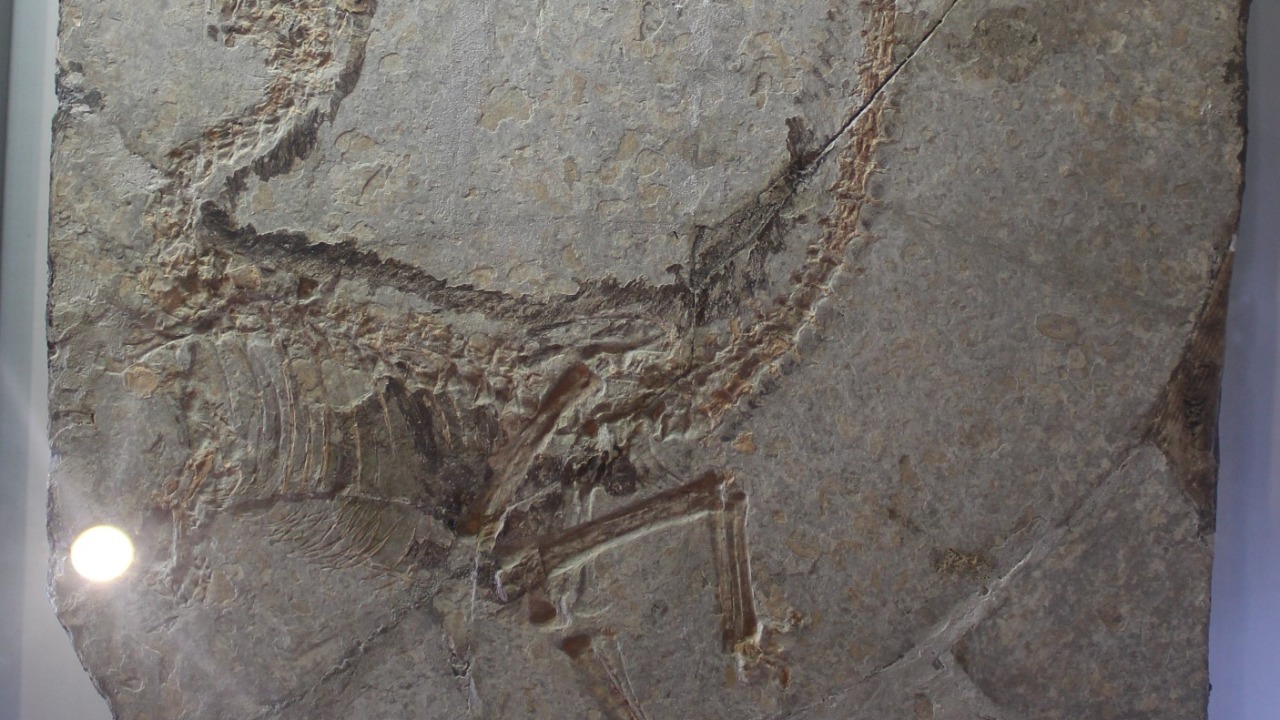
Scientists used uranium-series dating on a tooth found in the same layer as the cranium, confirming an age of around 300,000 years for the Hualongdong fossils. This dating technique, as reported by Popular Mechanics, aligns the site with the Middle Pleistocene epoch and overlaps with early Homo sapiens timelines in Africa.
The stratigraphic evidence from the cave layers supports the 300,000-year estimate. This evidence, which includes the types and distribution of fossils and sediments in the layers, does not contradict the associated fauna, further bolstering the age estimate.
Unique Features of the Hualongdong Cranium
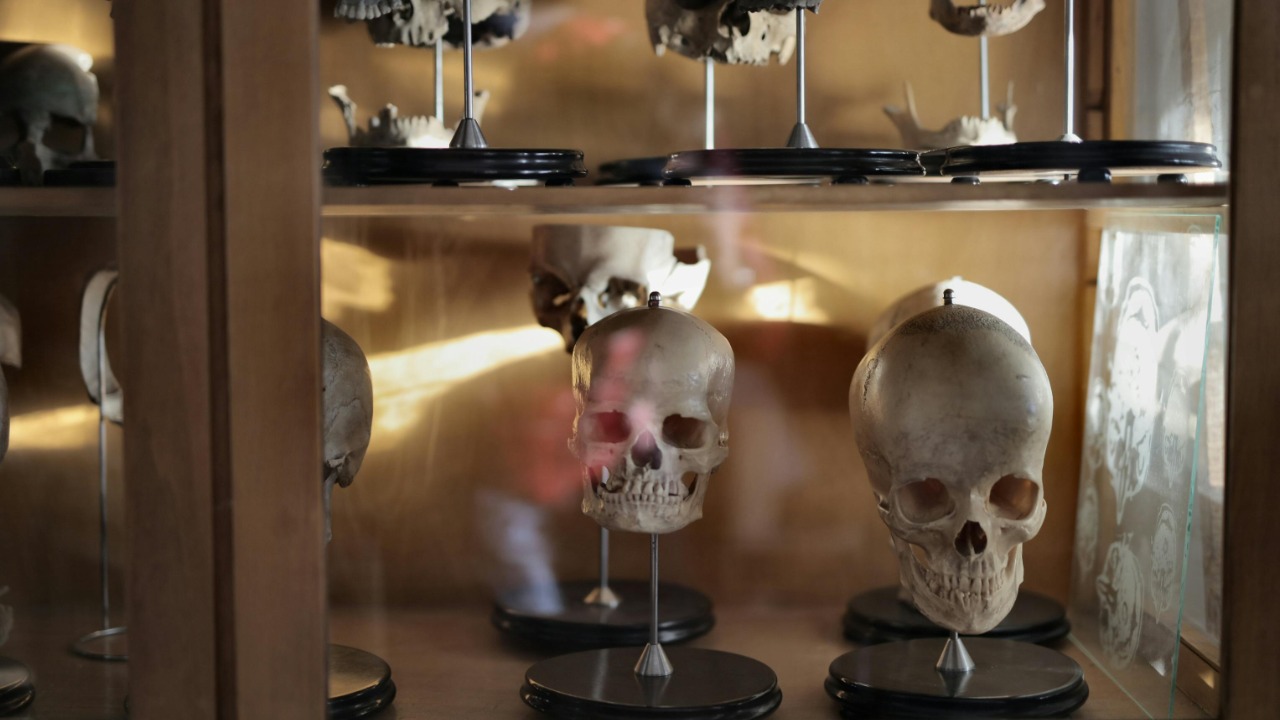
The Hualongdong cranium is remarkable for its combination of archaic and modern features. It has a low, flat forehead and thick brow ridges, traits similar to earlier Homo species. However, it also has a rounded occipital bone, a feature more commonly associated with modern humans. This unique blend of characteristics sets it apart from any known human species.
Notably, the cranium lacks a pronounced supraorbital torus, a ridge above the eye sockets often seen in Neanderthals. Instead, it has a more globular braincase, a feature more typical of modern humans. The estimated brain size of the cranium is about 1,420 cubic centimeters, larger than many archaic humans but with a unique shape.
Comparisons to Known Human Species
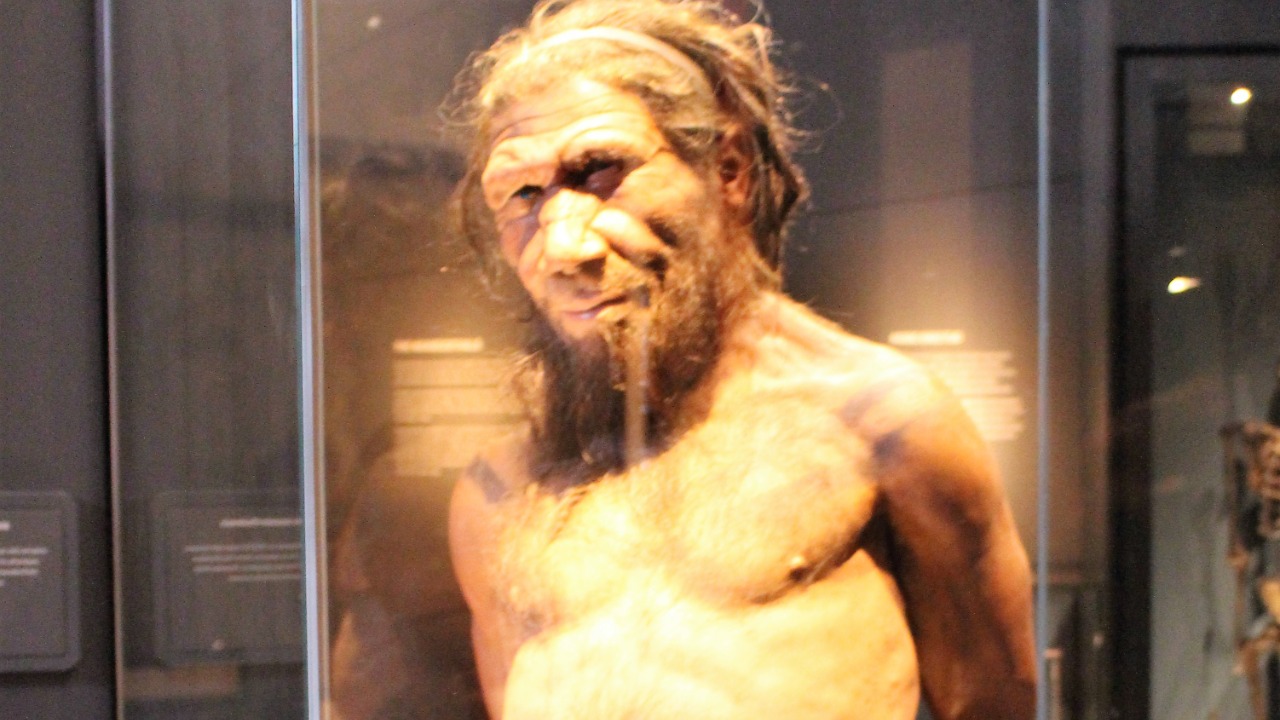
When compared to Homo erectus, the Hualongdong cranium shows similarities in robusticity but differences in the reduced brow ridge and more modern vault shape. In contrast, early Homo sapiens from Africa, such as those from Jebel Irhoud dated to 300,000 years ago, have a more modern facial structure compared to the more primitive facial structure of the Hualongdong specimen.
The Hualongdong cranium also differs from Denisovans and Neanderthals. It lacks cold-adapted features and has flat facial proportions not seen in these groups, further distinguishing it from known human species.
Implications for Human Evolution in Asia
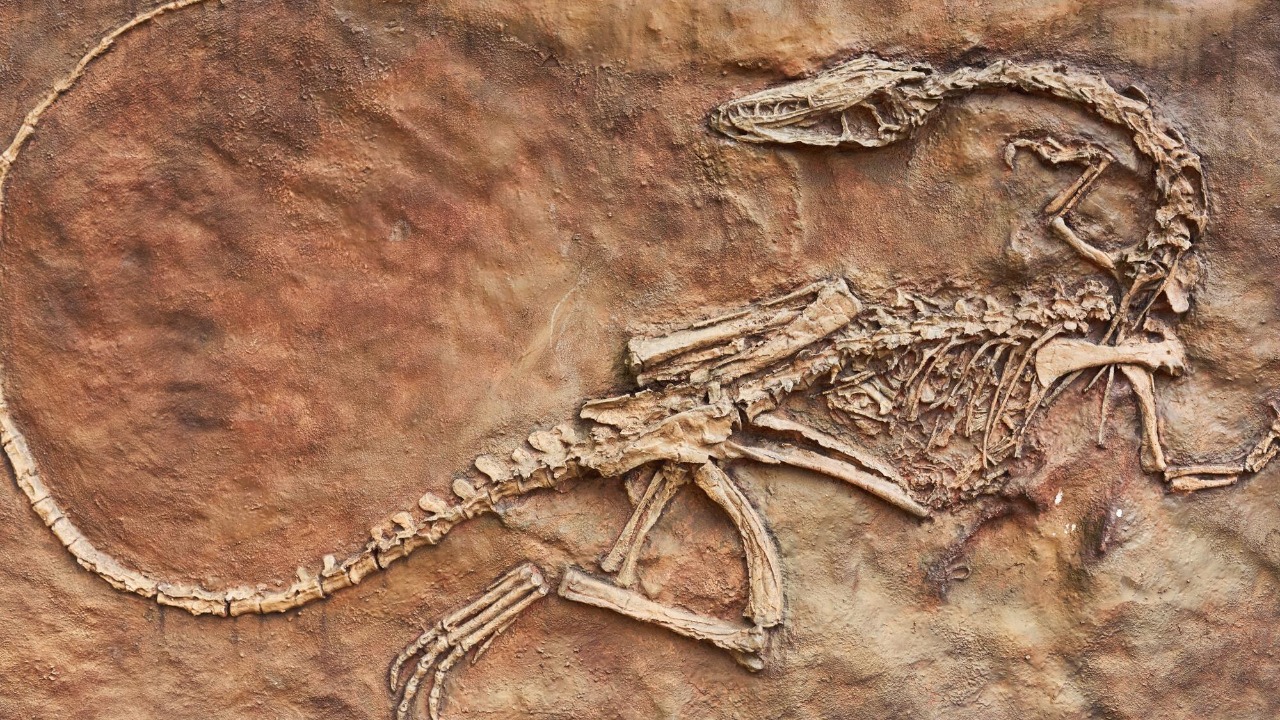
The Hualongdong fossils suggest that multiple human lineages may have coexisted in Asia during the Middle Pleistocene. This challenges the single-origin model for modern humans, which posits that all modern humans descended from a single population in Africa.
Lead researcher Xiujie Wu from the Chinese Academy of Sciences has proposed that this specimen could represent a new species or a hybrid population. This hypothesis, if confirmed, could significantly reshape our understanding of human evolution.
The Hualongdong findings also fill a gap in the evolutionary mosaic, providing context for other Asian fossils, like those from Dali and Jinniushan.
The Research Team and Publication
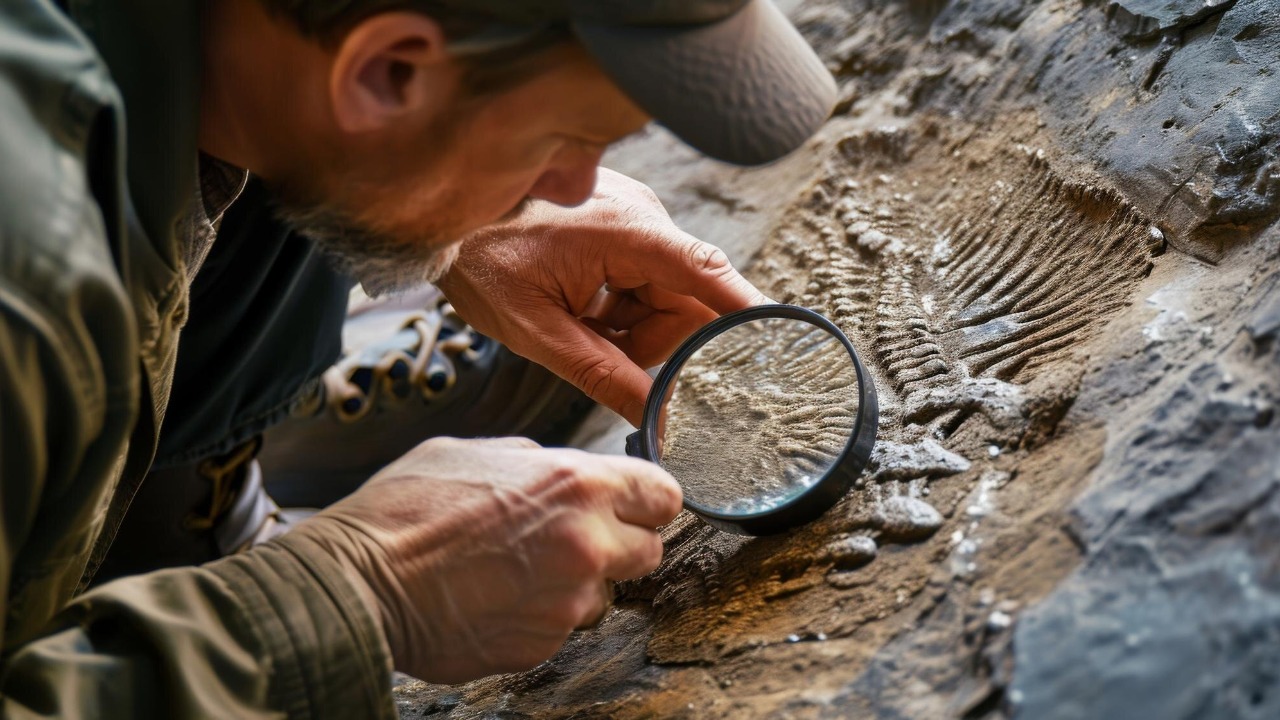
The research was conducted by a multidisciplinary team led by the Chinese Academy of Sciences. The team, which included paleontologists and geologists, spent nearly a decade analyzing the findings.
The team’s findings were published in the journal Communications Biology on August 10, 2023. In the publication, the team described the cranium’s mosaic traits in depth. Researcher Christopher Bae from the University of Hawaii noted, “This is a very important discovery that will help us better understand human evolution in eastern Asia.”
Future Directions in Studying the Skull

Despite the challenges of preserving ancient DNA in subtropical caves, scientists hope to extract DNA from the Hualongdong remains. This could help clarify genetic links to modern populations and provide further insights into human evolution.
Comparative CT scans with other Asian fossils could also be used to quantify morphological variations and refine species classifications. Ongoing excavations at Hualongdong may also yield more complete skeletons, providing a fuller picture of this potential new branch of humanity.
