Nestled in the southeastern region of Anatolia, Turkey, is an archaeological marvel, Göbekli Tepe, believed to be approximately 11,000 years old. This intriguing discovery has the potential to challenge and redefine our current understanding of Anatolian history.
Unveiling Göbekli Tepe: The Oldest Temple of the World
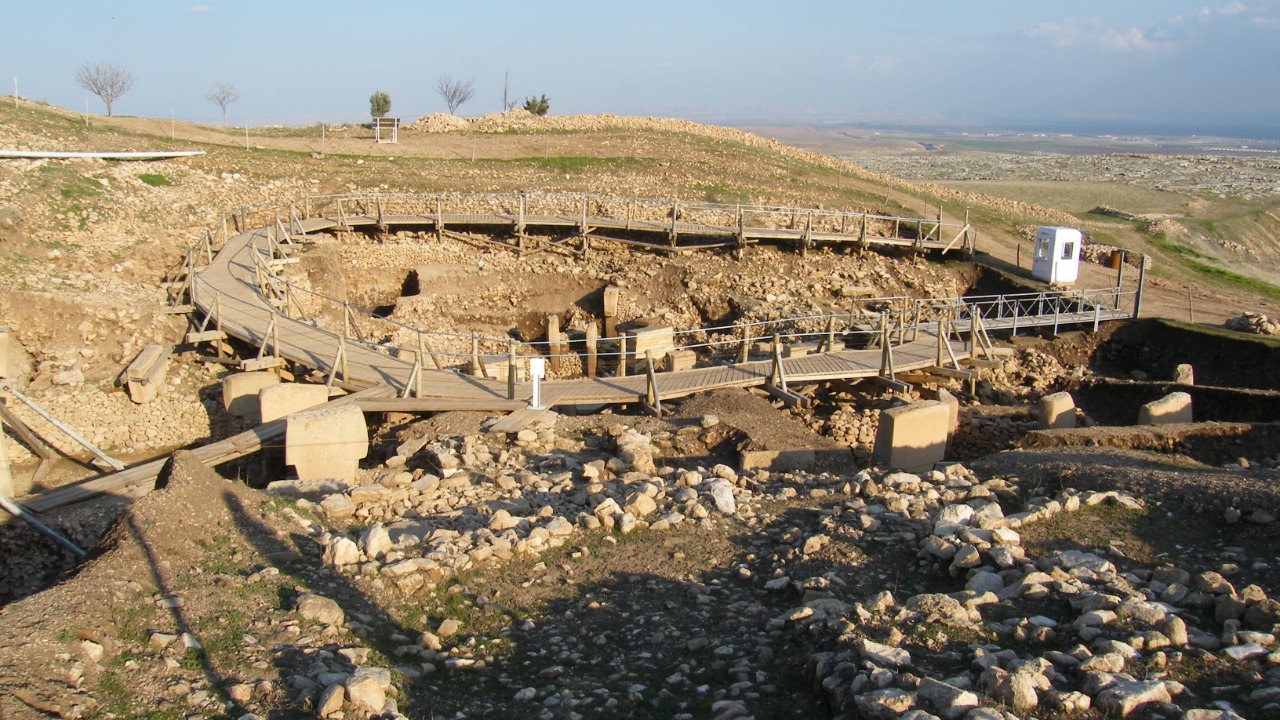
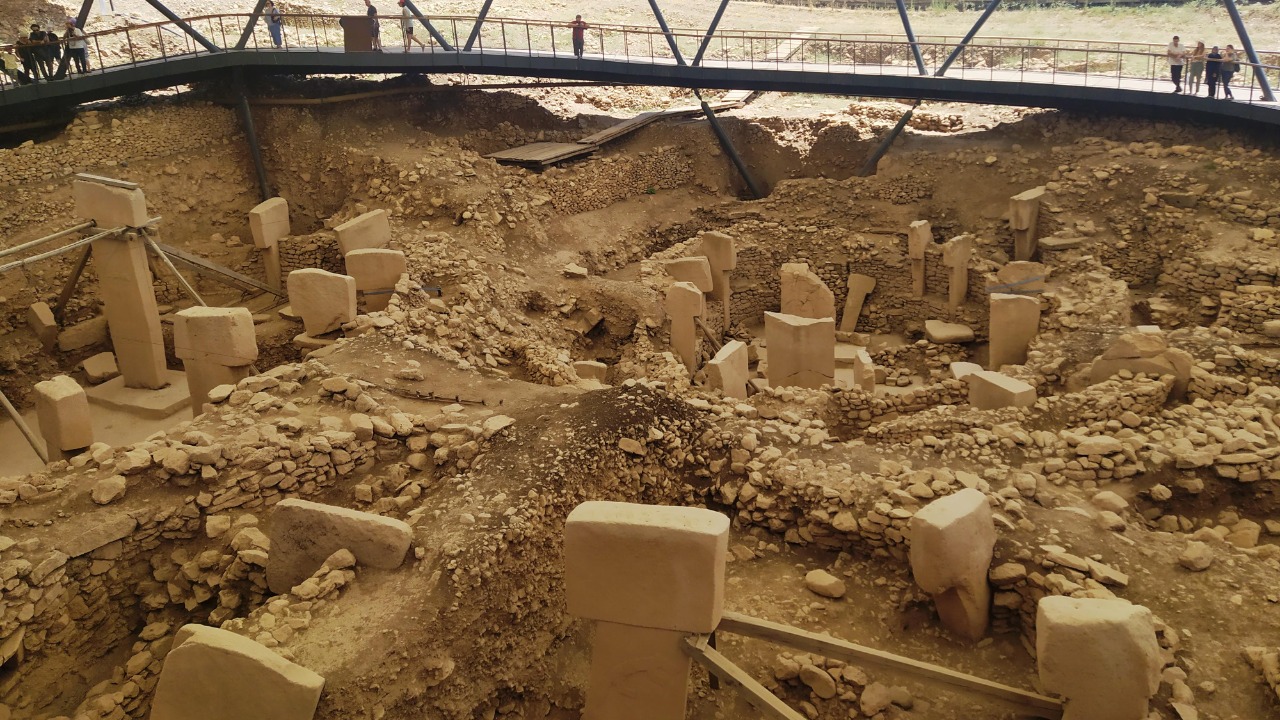
The excavation of Göbekli Tepe has revealed a site of monumental proportions, with intricate carvings and artifacts that speak volumes about the people who once inhabited this region. The site is characterized by massive T-shaped stone pillars arranged in circles, with detailed reliefs depicting animals and abstract human forms. It’s a testament to the architectural prowess of prehistoric societies.
In 2018, Göbekli Tepe was recognized by UNESCO and added to the World Heritage List, acknowledging its significant contribution to our understanding of early human societies. You can learn more about the site’s UNESCO World Heritage Status on their official website.
Shattering Preconceived Notions: Göbekli Tepe’s Impact on Archaeology
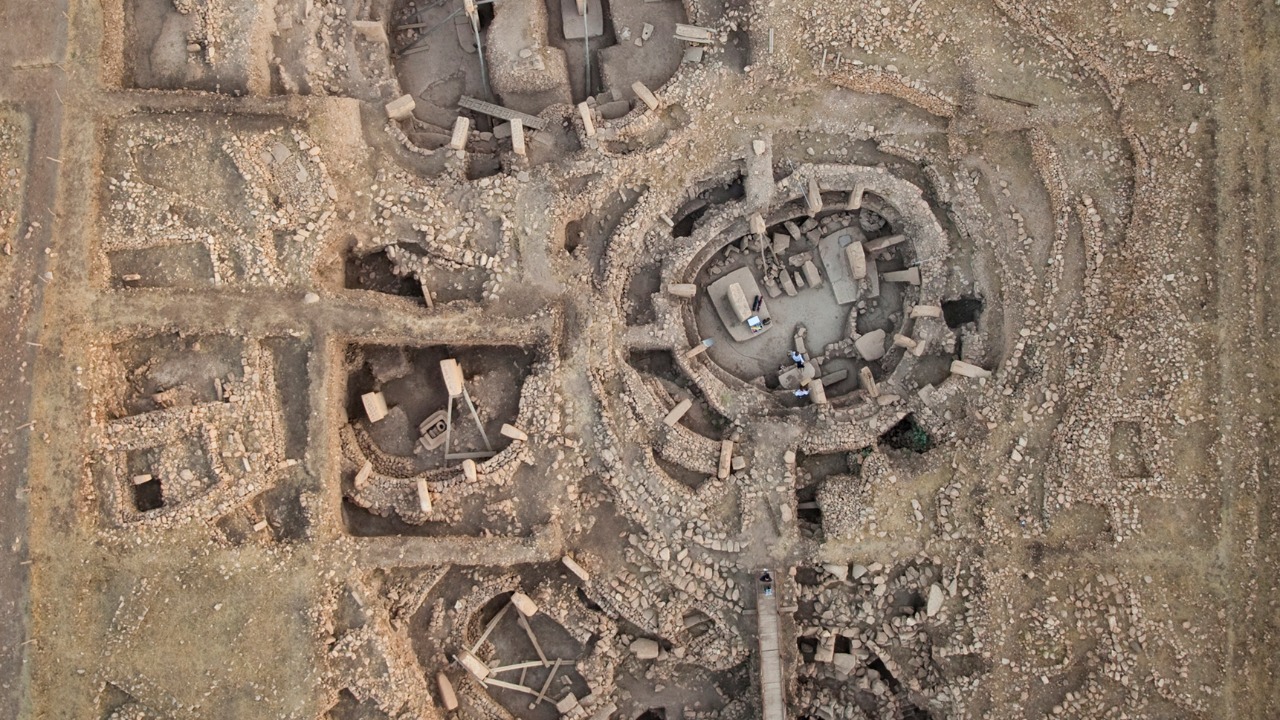
The discovery of Göbekli Tepe challenges the prevailing narrative of the ‘agricultural revolution’ as the catalyst for the development of complex societies. Instead, evidence from the site suggests that large-scale religious and social gatherings may have played a crucial role in spurring agricultural development.
Moreover, the site’s complex architecture and intricate carvings imply a society with a sophisticated societal structure and religious practices. This redefines our understanding of societal structures in prehistoric times and implies that religious rituals and practices were integral aspects of life in the Neolithic period. This study delves deeper into the implications of these findings.
Göbekli Tepe and the Kurdish Problem
Göbekli Tepe’s location in the Kurdish region of Turkey has stirred up significant political controversy. The Kurdish people have made claims to the site as part of their cultural heritage. This has led to tensions between the Kurdish community, the Turkish government, and the international archaeological community regarding the site’s ownership and preservation.
These disputes have significant implications for the preservation and study of Göbekli Tepe, and they highlight the broader issues surrounding cultural heritage and political boundaries. This article provides a comprehensive overview of the Kurdish problem and its implications for Göbekli Tepe.
Unanswered Questions and Future Research
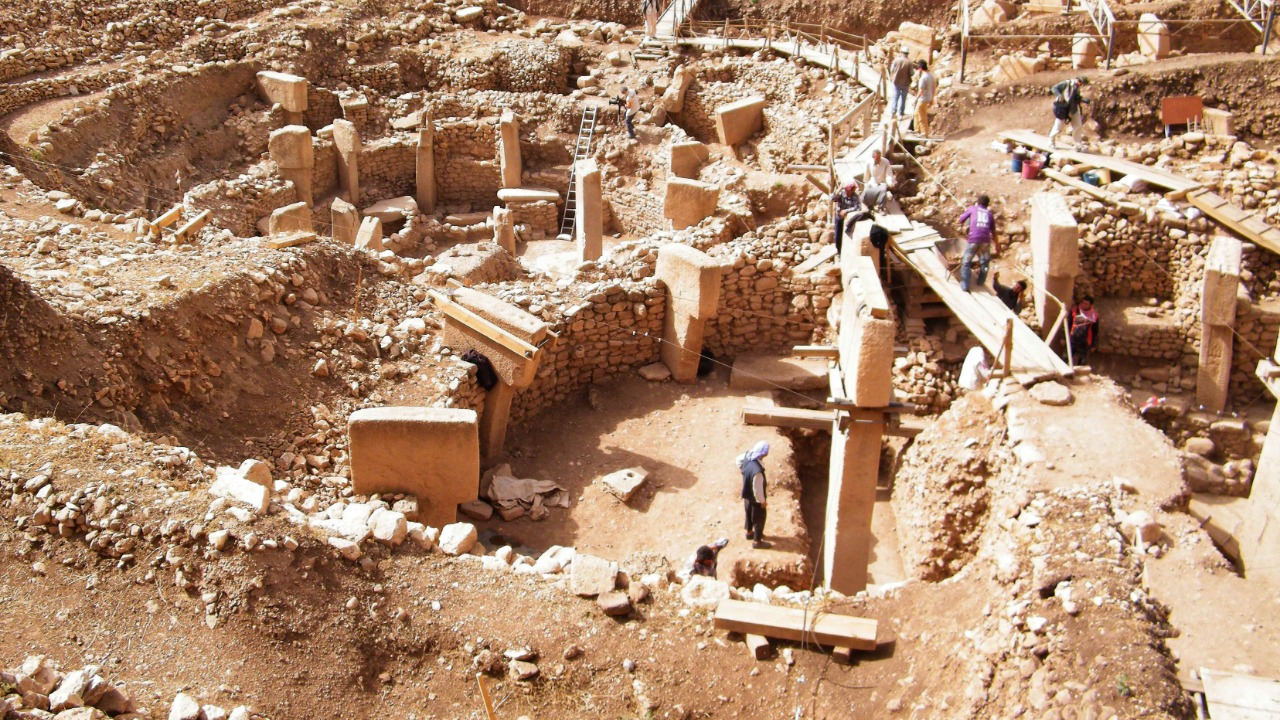
Despite extensive research, the people who built Göbekli Tepe remain shrouded in mystery. Little is known about their culture, language, or lifestyle, and these unanswered questions form the basis for future research in the area. There are also several unexplored areas around the site, suggesting a wealth of potential for future archaeological findings.
Continued research and study of Göbekli Tepe are of utmost importance. Not only will it help unravel the mysteries of this ancient civilization, but it will also contribute to our understanding of early human societies and their evolution over time.
Göbekli Tepe: A New Chapter in Anatolian History
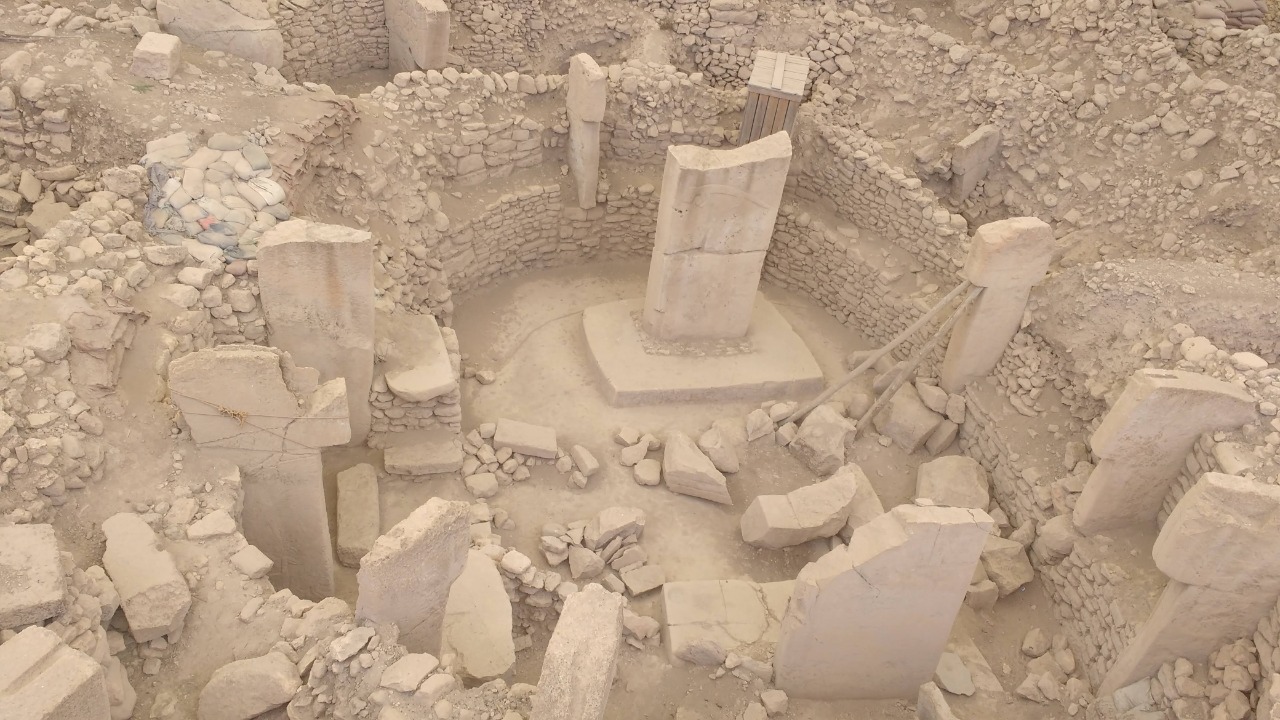
Göbekli Tepe is rapidly changing the narrative of early civilization in Anatolia. Its sophisticated architecture and societal structures suggest a level of complexity that predates previously known civilizations. This has the potential to reshape our historical understanding of the region and challenge our preconceived notions about the development of human societies.
Moreover, the implications of Göbekli Tepe extend beyond Anatolia. Its significance is recognized in global archaeological and historical discourse, positioning it as a crucial site in our understanding of human history. This article further explores how Göbekli Tepe could rewrite history.
