In a groundbreaking discovery, astronomers have identified a third-ever interstellar object streaking through our solar system. Known as Comet 3I/ATLAS, this celestial traveler offers a rare opportunity to study material from beyond our solar boundaries, potentially unlocking secrets of the universe.
The Discovery of Comet 3I/ATLAS
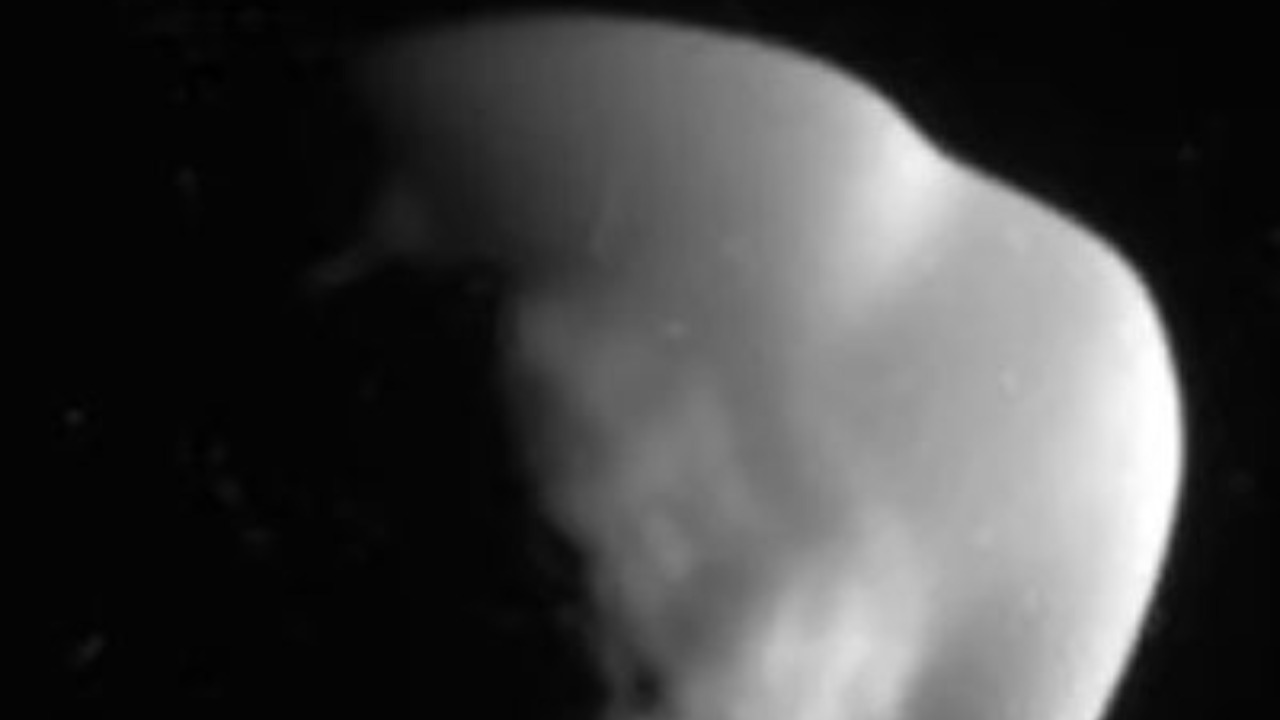
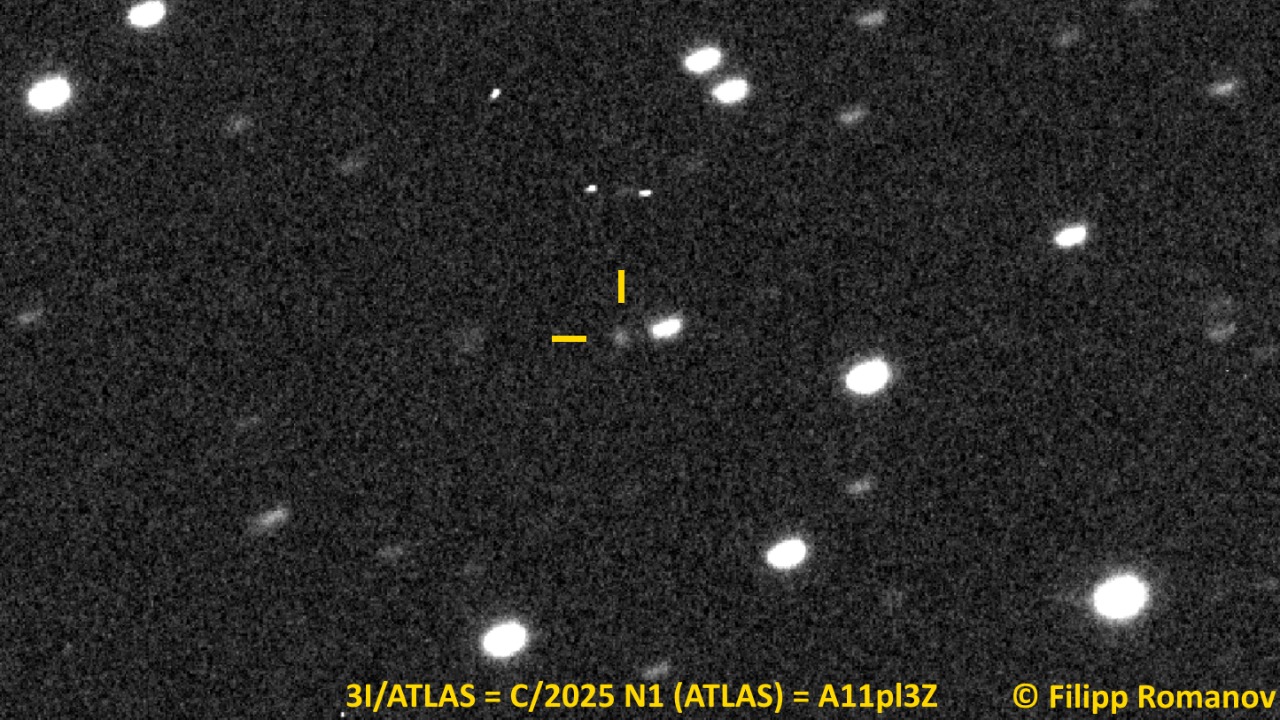
The discovery of Comet 3I/ATLAS marks a significant milestone in the field of astronomy. This interstellar object was first detected in early 2025 by the ATLAS (Asteroid Terrestrial-impact Last Alert System) project, which is designed to track Earth-bound asteroids. The initial detection occurred when astronomers noticed an unusual trajectory that did not align with known solar system objects. Subsequent observations by various observatories worldwide confirmed its interstellar origin, as detailed in this report.
Comet 3I/ATLAS boasts some intriguing characteristics. With an estimated size of several kilometers in diameter, it travels through space at a speed of nearly 30 kilometers per second. Its hyperbolic trajectory suggests it originated from outside our solar system, distinguishing it from typical comets that orbit the sun. Compared to previous interstellar visitors, ‘Oumuamua and Comet 2I/Borisov, 3I/ATLAS offers unique insights due to its substantial size and speed.
Significance of Interstellar Visitors
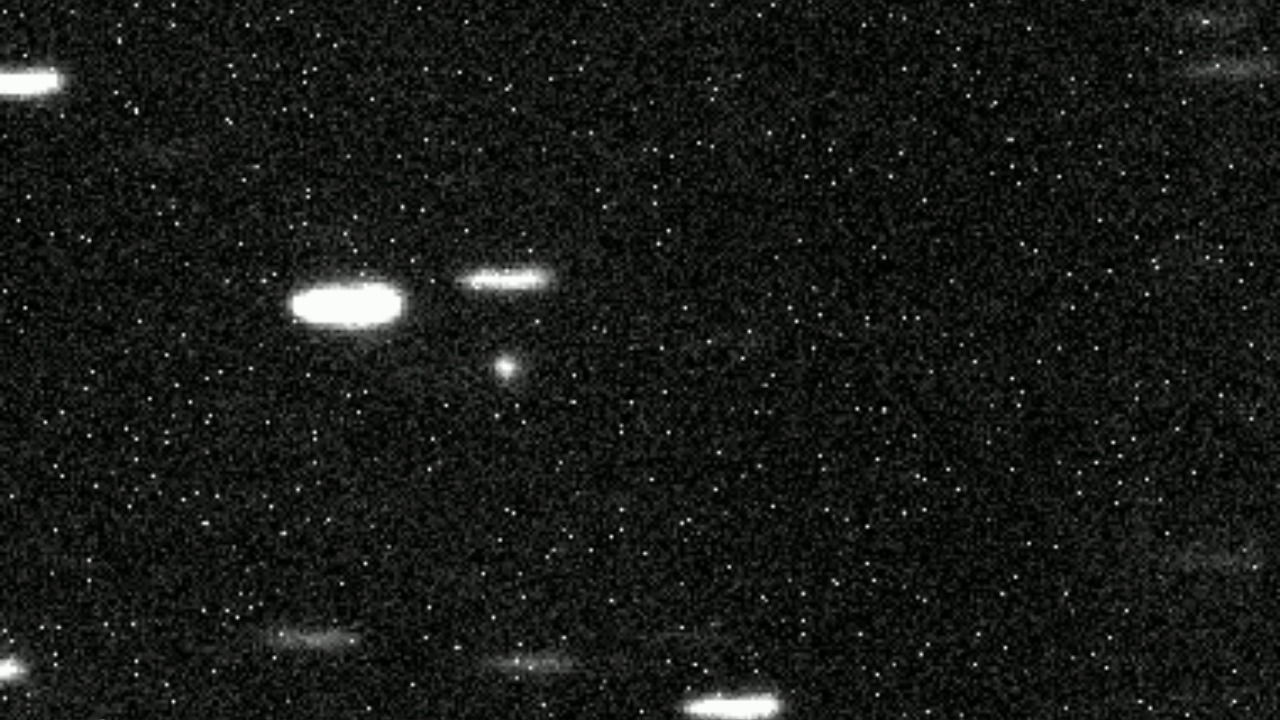
Interstellar objects like Comet 3I/ATLAS provide invaluable insights into the formation of other star systems. By analyzing their composition, scientists can infer the chemical and physical processes that occur in distant regions of our galaxy. This information is crucial for understanding the diversity of planetary systems beyond our own and the potential for life elsewhere in the universe.
Moreover, these celestial visitors play a pivotal role in advancing our knowledge of the solar system’s formation and evolution. By comparing interstellar objects with native solar system bodies, researchers can identify similarities and differences that shed light on the early conditions and processes that shaped our cosmic neighborhood.
Challenges in Tracking and Studying Interstellar Objects
Tracking and studying interstellar objects like Comet 3I/ATLAS pose significant challenges. Due to their high velocities and distant origins, detecting these objects requires sophisticated technology and keen observational strategies. Many interstellar objects are only observed after they have already entered our solar system, leaving a narrow window for detailed study.
To overcome these hurdles, astronomers are exploring advanced technologies and methodologies for future studies. Enhancements in telescope sensitivity and data analysis techniques are essential for improving the detection of interstellar objects. Collaborative efforts among international observatories are also crucial, as detailed in this article, to maximize the scientific value of these rare encounters.
Comparing Comet 3I/ATLAS with Previous Interstellar Visitors
The first two interstellar objects, ‘Oumuamua and Comet 2I/Borisov, have already captivated the scientific community. ‘Oumuamua, discovered in 2017, was a peculiar, elongated object that defied traditional cometary characteristics. In contrast, Comet 2I/Borisov, discovered in 2019, resembled typical solar system comets but with a unique composition.
Comet 3I/ATLAS presents both differences and similarities to its predecessors. Its size and speed set it apart, while its composition offers new opportunities for comparative analysis. By studying these interstellar visitors, scientists can gain a more comprehensive understanding of the diversity and dynamics of objects that traverse our galaxy.
Implications for Future Research and Exploration
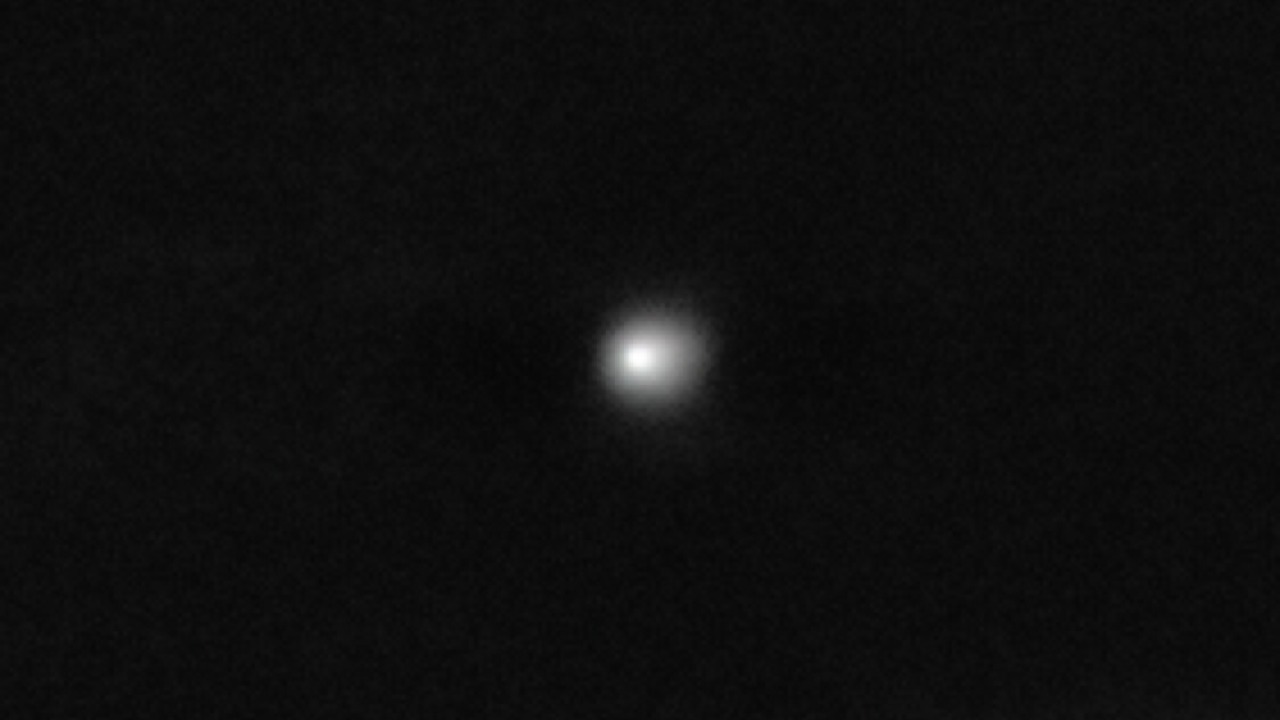
The study of Comet 3I/ATLAS holds the potential for groundbreaking discoveries. As researchers continue to analyze its properties, they may uncover new information about the building blocks of planets and the conditions necessary for life. Such findings could have profound implications for our understanding of the universe and our place within it.
International collaboration is essential to maximize the scientific gains from interstellar studies. By pooling resources and expertise, astronomers worldwide can ensure that no opportunity is missed in capturing data from these fleeting visitors. As highlighted in this analysis, global cooperation is key to unlocking the mysteries of interstellar phenomena and advancing our exploration of the cosmos.
