In the 1970s, a select group of European sports cars achieved top speeds and acceleration figures that surpassed even the most powerful American muscle cars of the era, challenging the dominance of Detroit’s high-performance icons. Models from brands like Lamborghini, Ferrari, and Porsche set benchmarks in velocity and engineering prowess during this decade of automotive evolution. This outline details the key vehicles and contexts that defined this transatlantic rivalry.
The Context of 1970s Automotive Performance
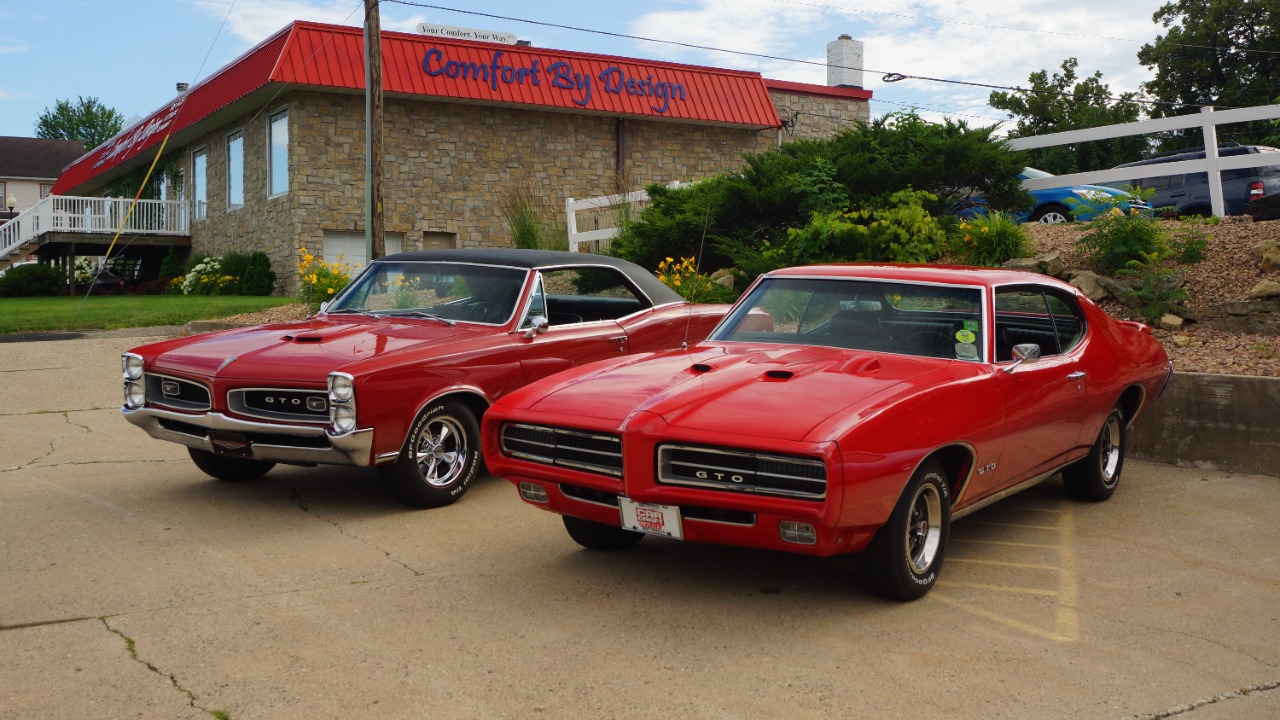
The 1970s marked a significant shift in the automotive landscape, particularly in the United States, where regulatory and economic factors led to a decline in muscle car power outputs. Emissions standards and the oil crisis forced American manufacturers to prioritize fuel efficiency over raw power, creating an opportunity for European sports cars to shine. European manufacturers, in contrast, focused on lightweight materials and advanced aerodynamics, allowing them to achieve remarkable speeds without relying solely on massive engines. This strategic difference is evident in comparative acceleration metrics from the era, such as 0-60 mph times, where European models often outperformed their American counterparts.
While American muscle cars were known for their torque-heavy V8 engines, European sports cars emphasized engineering finesse. This approach not only allowed them to maintain high speeds but also offered superior handling and agility. The performance gap was further highlighted by the use of innovative technologies and design philosophies that prioritized speed and efficiency over sheer horsepower, setting a new standard for automotive excellence during the decade.
During this period, the automotive industry was also influenced by a growing environmental consciousness, which led to stricter emissions regulations. These regulations prompted manufacturers to innovate in engine design, focusing on fuel injection systems and turbocharging to enhance efficiency without sacrificing performance. European manufacturers, in particular, excelled in this area, developing engines that were not only powerful but also more environmentally friendly compared to their American counterparts. This shift in focus allowed European sports cars to maintain their edge in performance while adhering to new environmental standards.
Additionally, the cultural landscape of the 1970s played a role in the popularity of European sports cars. The era’s fascination with speed and style was reflected in popular media, with films and television showcasing sleek European models as symbols of sophistication and success. This cultural endorsement further boosted the appeal of European sports cars, positioning them as desirable alternatives to the traditional American muscle car.
Standout Lamborghini Models
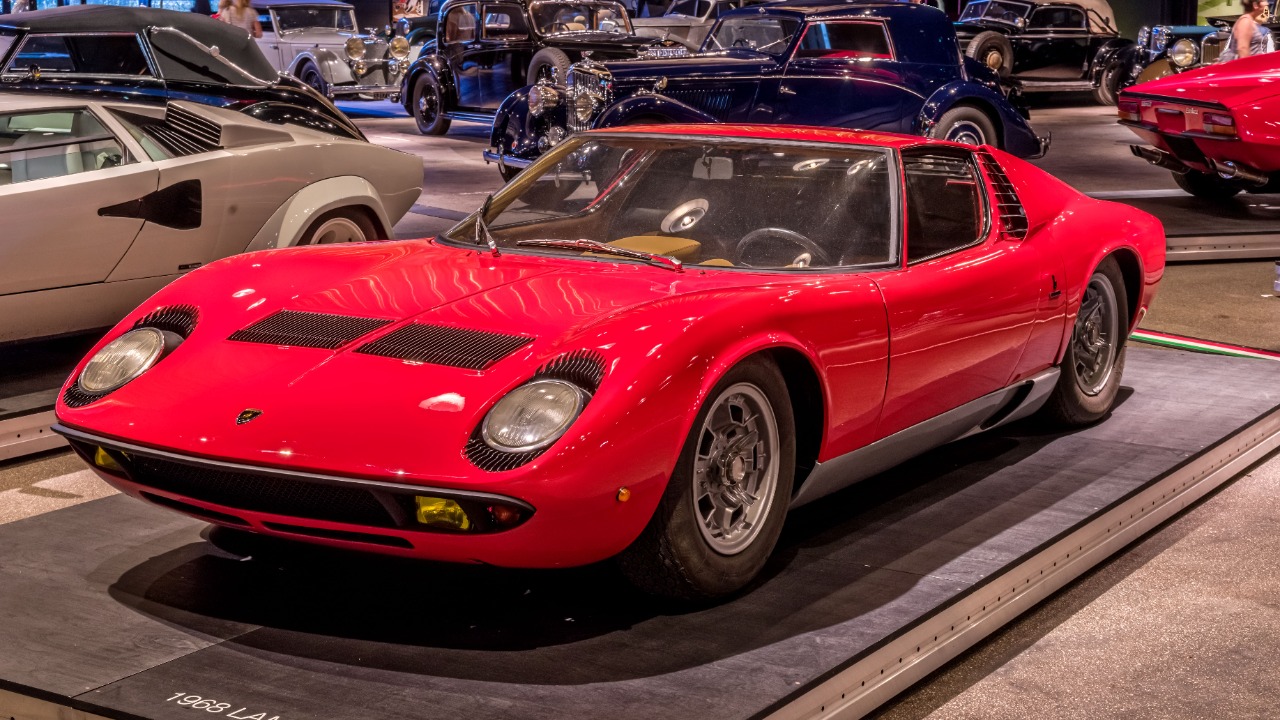
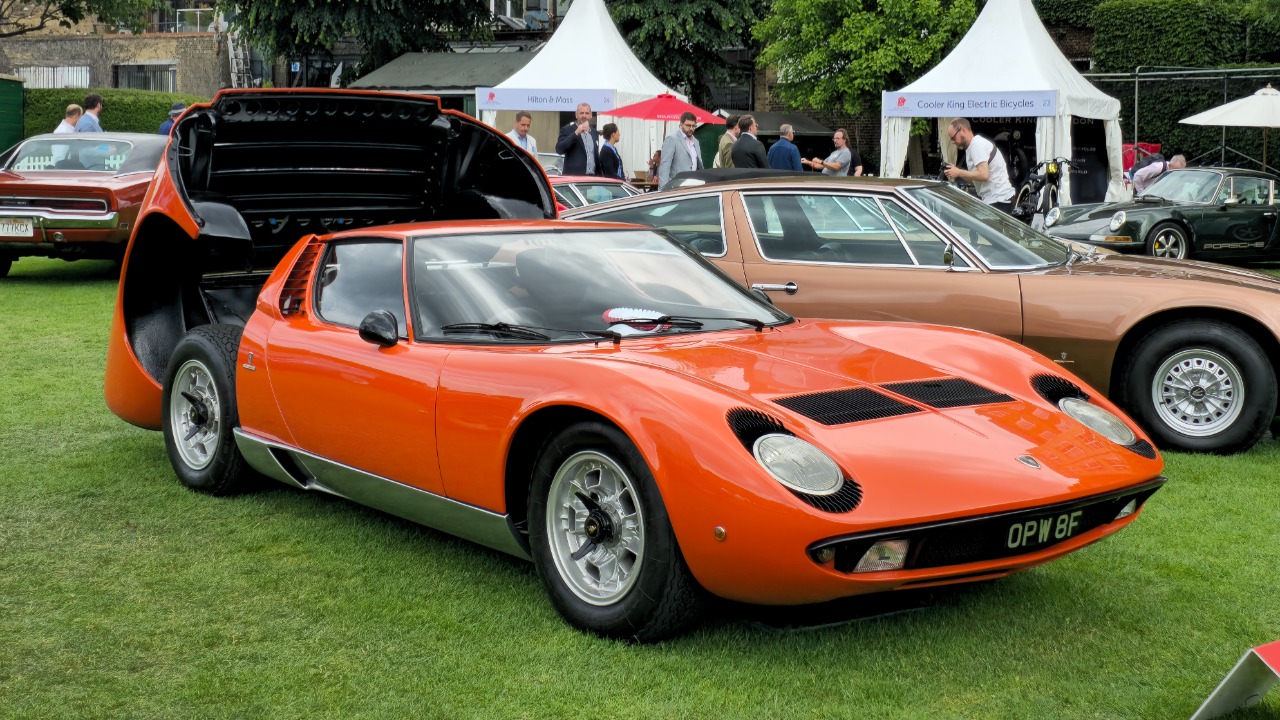
Lamborghini emerged as a leader in the high-speed arena with models like the Miura and Countach. The Lamborghini Miura, with its top speed exceeding 170 mph, was a mid-engine pioneer that outpaced American icons like the Dodge Challenger. Its transverse engine layout contributed to superior handling and velocity, setting a benchmark for sports car design. The introduction of the Lamborghini Countach in the early 1970s further cemented the brand’s reputation for speed and innovation. With its distinctive scissor doors and a V12 engine capable of delivering over 180 mph, the Countach was faster than any U.S. production car of the time.
These engineering feats not only showcased Lamborghini’s commitment to performance but also highlighted the brand’s ability to push the boundaries of automotive design. The Miura and Countach remain iconic examples of how European manufacturers leveraged advanced technology and design to achieve unparalleled speed and agility.
The Lamborghini Miura and Countach not only excelled in performance but also in their aesthetic appeal. The Miura’s groundbreaking design, with its low-slung body and aggressive stance, set a new standard for sports car aesthetics. The Countach, with its futuristic lines and innovative features, such as the iconic scissor doors, captured the imagination of car enthusiasts worldwide. These design elements were not just for show; they contributed to the cars’ aerodynamic efficiency, enhancing their speed and handling capabilities. Lamborghini’s focus on both form and function helped solidify its reputation as a leader in the high-performance sports car market.
Ferrari’s Speed Supremacy
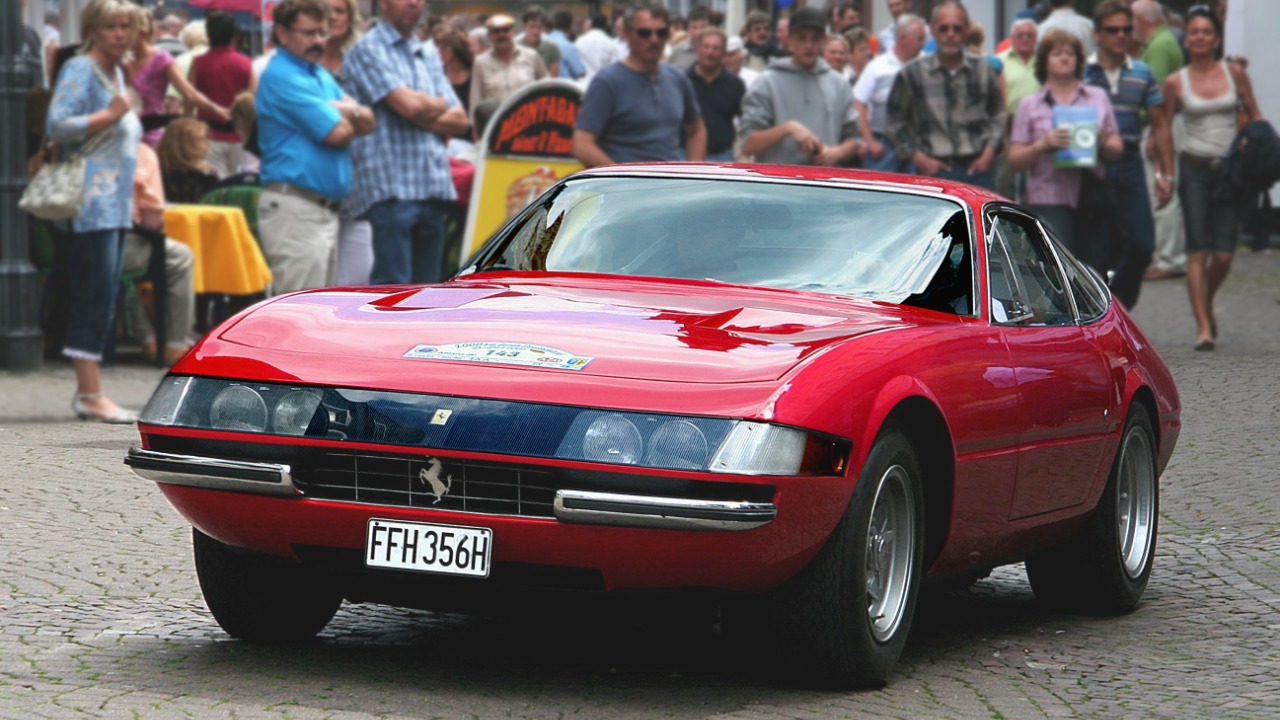
Ferrari’s contribution to the 1970s speed race was marked by models like the 365 GTB/4 Daytona and the Dino 308 GT4. The Ferrari 365 GTB/4 Daytona achieved 0-60 mph in under 6 seconds and boasted top speeds around 170 mph, surpassing muscle cars like the Chevrolet Corvette. This performance was a testament to Ferrari’s engineering prowess and its ability to blend speed with style. The Ferrari Dino 308 GT4, with its balance of performance and accessibility, offered speeds rivaling high-end American models despite its smaller V8 engine.
Ferrari’s racing heritage played a crucial role in influencing its road car designs. Techniques such as wind-tunnel testing were employed to enhance high-speed stability, ensuring that Ferrari models not only looked fast but also delivered exceptional performance. This commitment to innovation and excellence helped Ferrari maintain its status as a leader in the world of high-performance sports cars.
Ferrari’s engineering excellence was not limited to speed alone; the brand also prioritized driver experience and comfort. The interior of models like the 365 GTB/4 Daytona was designed with luxury in mind, featuring high-quality materials and advanced instrumentation that provided drivers with both comfort and control. This attention to detail extended to the car’s handling characteristics, with precise steering and suspension systems that offered a balanced and responsive driving experience. Ferrari’s ability to combine luxury with performance made its cars not only fast but also highly desirable, cementing its status as a premier sports car manufacturer.
Porsche and Other German Contenders
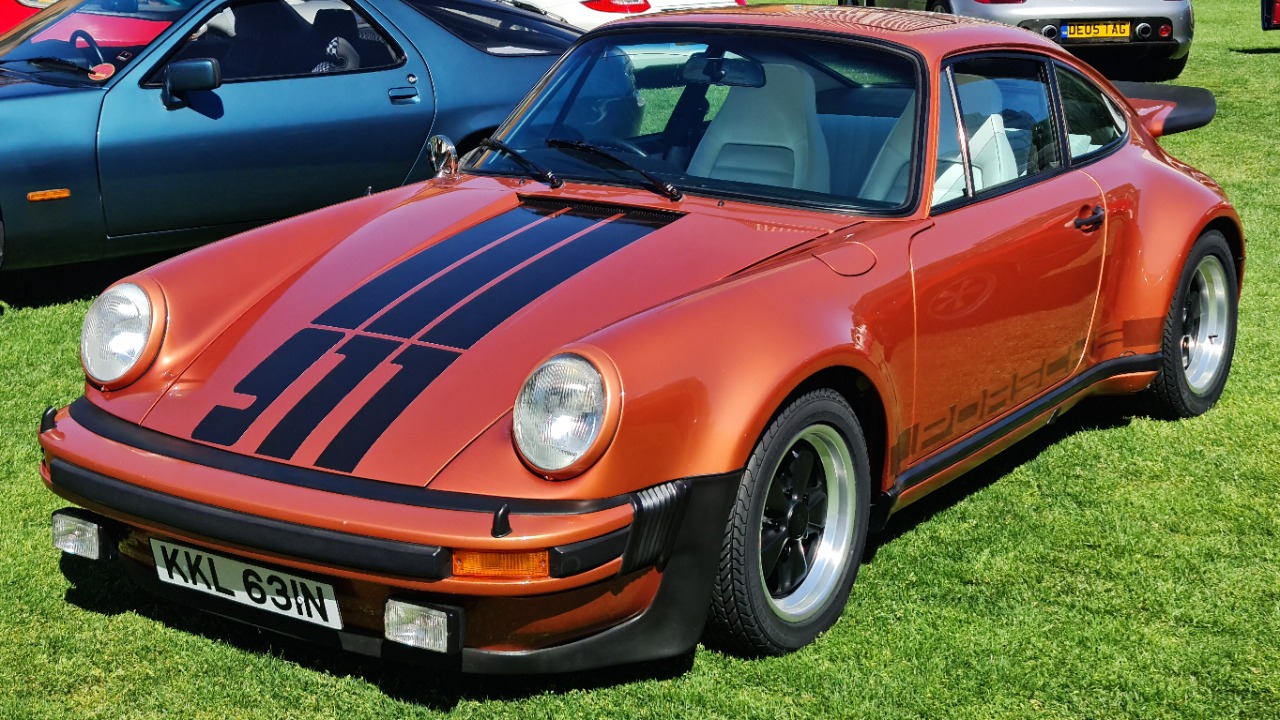
Porsche’s entry into the high-speed competition was marked by the debut of the 911 Turbo in 1975. Featuring turbocharging, the Porsche 911 Turbo could achieve 0-60 mph in 5.3 seconds and reach top speeds over 155 mph, outstripping U.S. rivals. This model exemplified Porsche’s dedication to combining power with precision engineering, setting a new standard for performance cars. Similarly, the BMW 3.0 CSL, with its lightweight construction and aerodynamic “Batmobile” modifications, enabled speeds above 140 mph in a sedan-like package.
The influence of rally and endurance racing on these models’ development provided real-world speed advantages, allowing German manufacturers to compete effectively on the global stage. These innovations not only enhanced performance but also demonstrated the versatility and adaptability of German engineering in the face of changing automotive trends.
In addition to the 911 Turbo, Porsche’s commitment to innovation was evident in its use of lightweight materials and advanced engineering techniques. The brand’s focus on reducing weight without compromising structural integrity allowed its cars to achieve impressive acceleration and handling. Porsche’s success in motorsport, particularly in endurance racing, provided valuable insights that were applied to its road cars, ensuring that they delivered exceptional performance in real-world driving conditions. This motorsport heritage was a key factor in Porsche’s ability to produce sports cars that were both fast and reliable.
Legacy and Comparative Impact
The legacy of these European sports cars is evident in their long-term sales and cultural influence, which often surpassed that of fading American muscle cars. The speed records set by European models shifted perceptions of performance, highlighting the importance of engineering and design in achieving automotive excellence. Modern retrospectives on 1970s testing data, such as quarter-mile times, continue to affirm the European edge in performance and innovation.
These vehicles also inspired future hybrid American-European designs in the following decades, blending the best of both worlds to create cars that offered both power and precision. The impact of these European sports cars on the automotive industry is undeniable, as they set new benchmarks for speed and performance that continue to influence car design today.
