While SUVs continue to dominate the automotive market, not all are built with the same level of longevity and reliability. Some models have struggled to meet expectations over time, leading to higher maintenance costs and owner dissatisfaction. Here’s a look at eight SUVs that have notably failed long-term reliability tests.
Ford Explorer
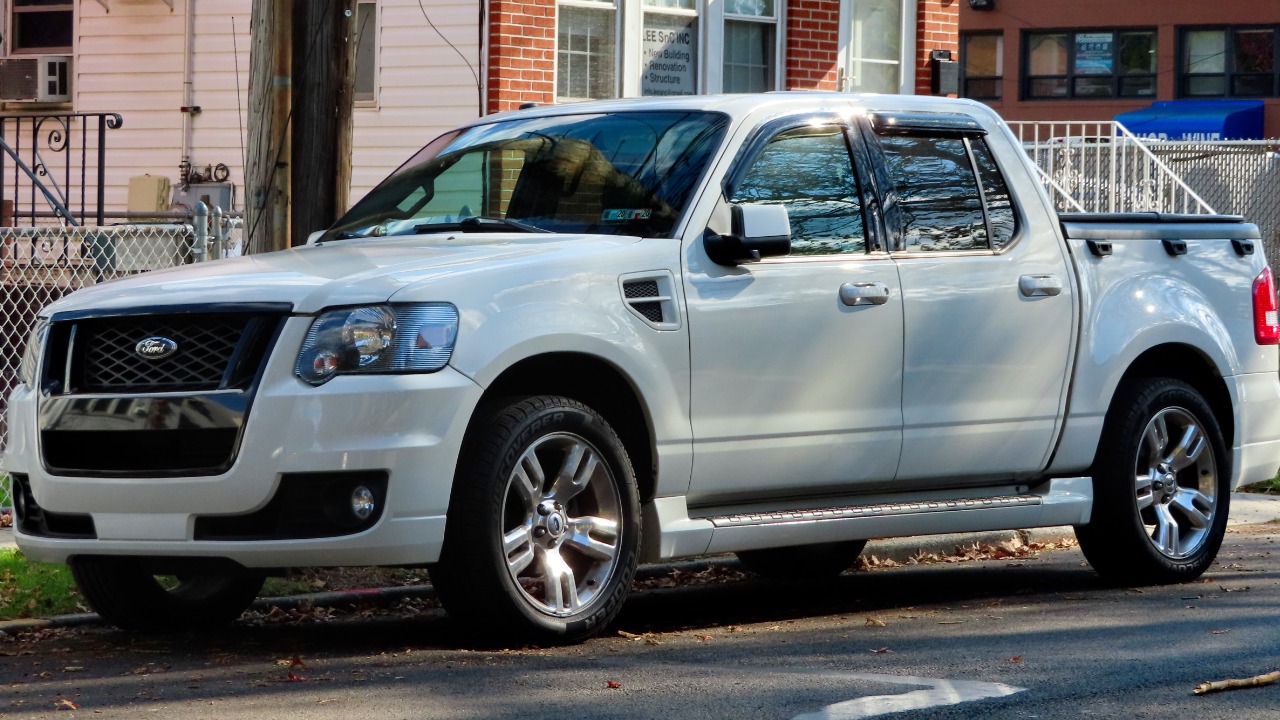
The Ford Explorer, especially models from the early 2010s, has been plagued with reliability issues. Among the most common complaints are engine problems and transmission failures that have left many owners frustrated. Despite its popularity, the Explorer’s track record for long-term durability is less than stellar, with many users reporting issues just beyond the warranty period.
Ford has made strides in addressing some of these concerns in recent years, but the reputation lingers. For those considering a used Explorer, it’s crucial to thoroughly check maintenance records and consider the potential for costly repairs down the line.
Jeep Grand Cherokee
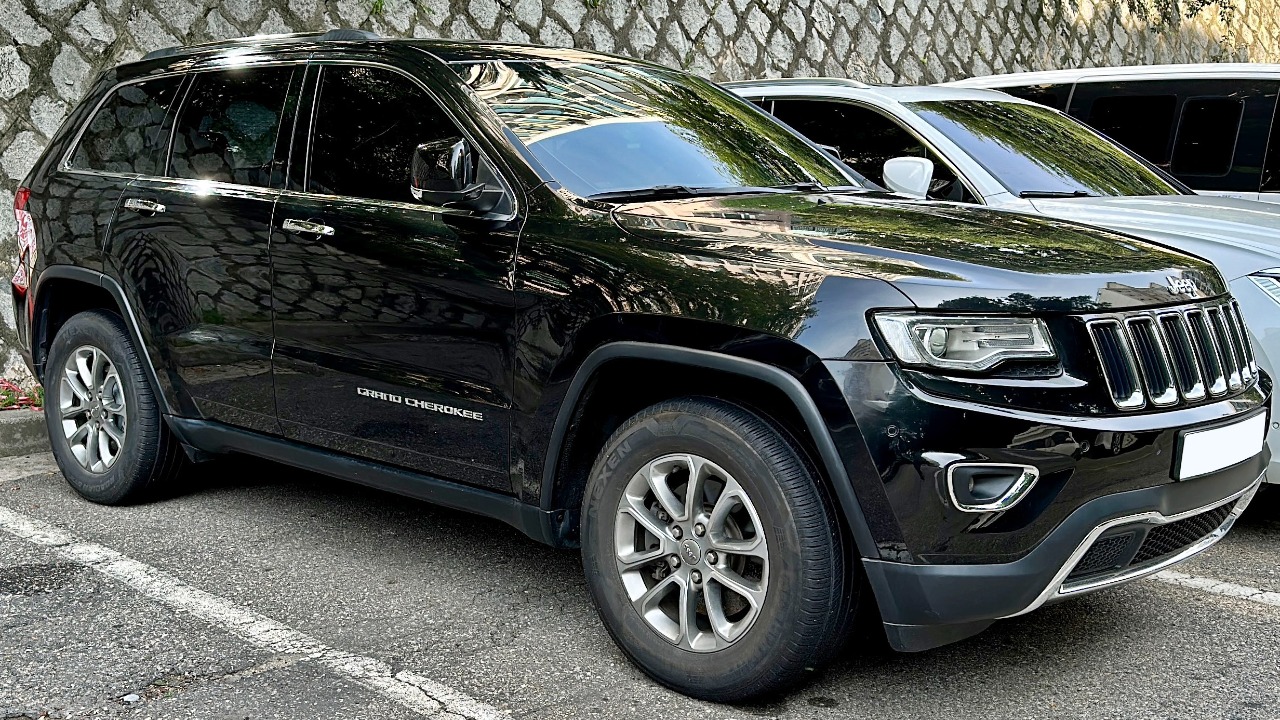
The Jeep Grand Cherokee has been a favorite for off-road enthusiasts, but its reliability often falls short. Models from 2014 to 2016 have been particularly problematic, with frequent issues related to the electrical system and transmission. These problems have not only been costly to repair but have also affected the overall driving experience.
Despite its rugged appeal, the Grand Cherokee’s long-term maintenance costs can be significant. Potential buyers should weigh the model’s features against the potential for mechanical issues and consider investing in a comprehensive warranty.
Nissan Pathfinder
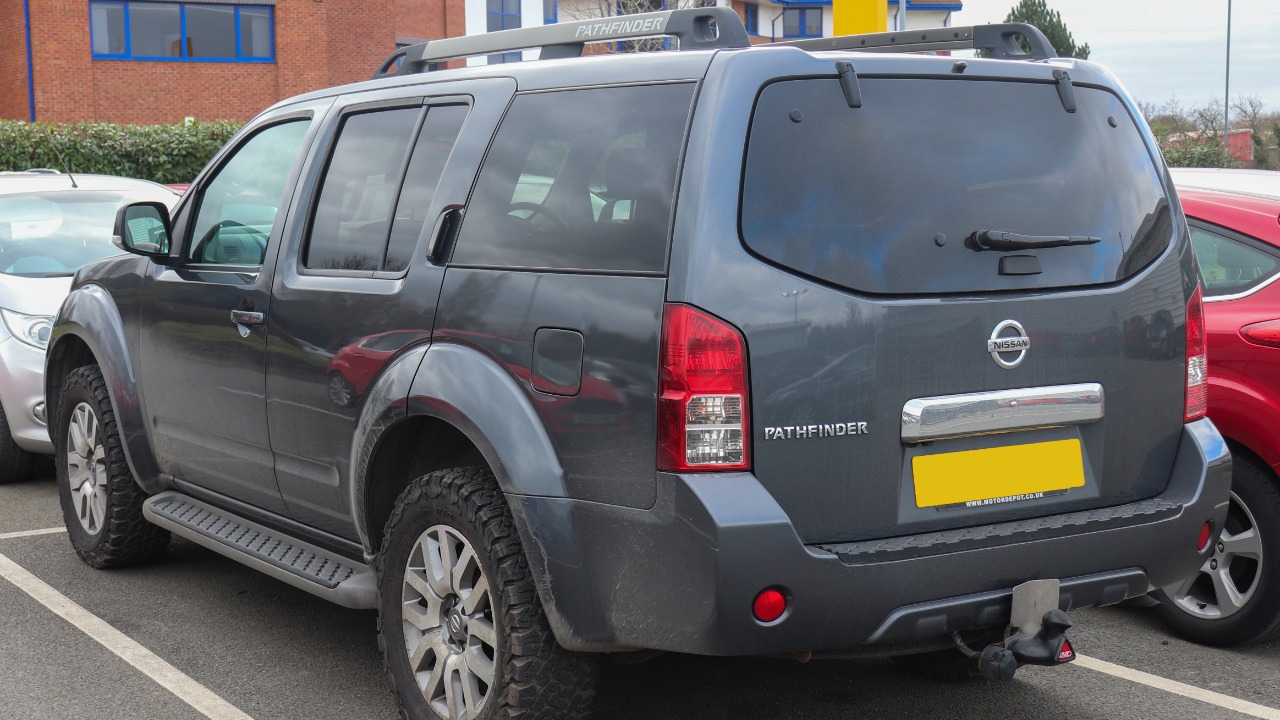
The Nissan Pathfinder has seen its share of challenges, particularly with models from the early 2010s. Transmission failures and issues with the CVT have been common complaints. These problems not only affect performance but also lead to expensive repairs, detracting from the vehicle’s overall value.
Nissan has attempted to rectify these issues in newer models, but older Pathfinders continue to receive poor marks in reliability, making it a critical point of consideration for buyers looking at pre-owned options.
Land Rover Discovery
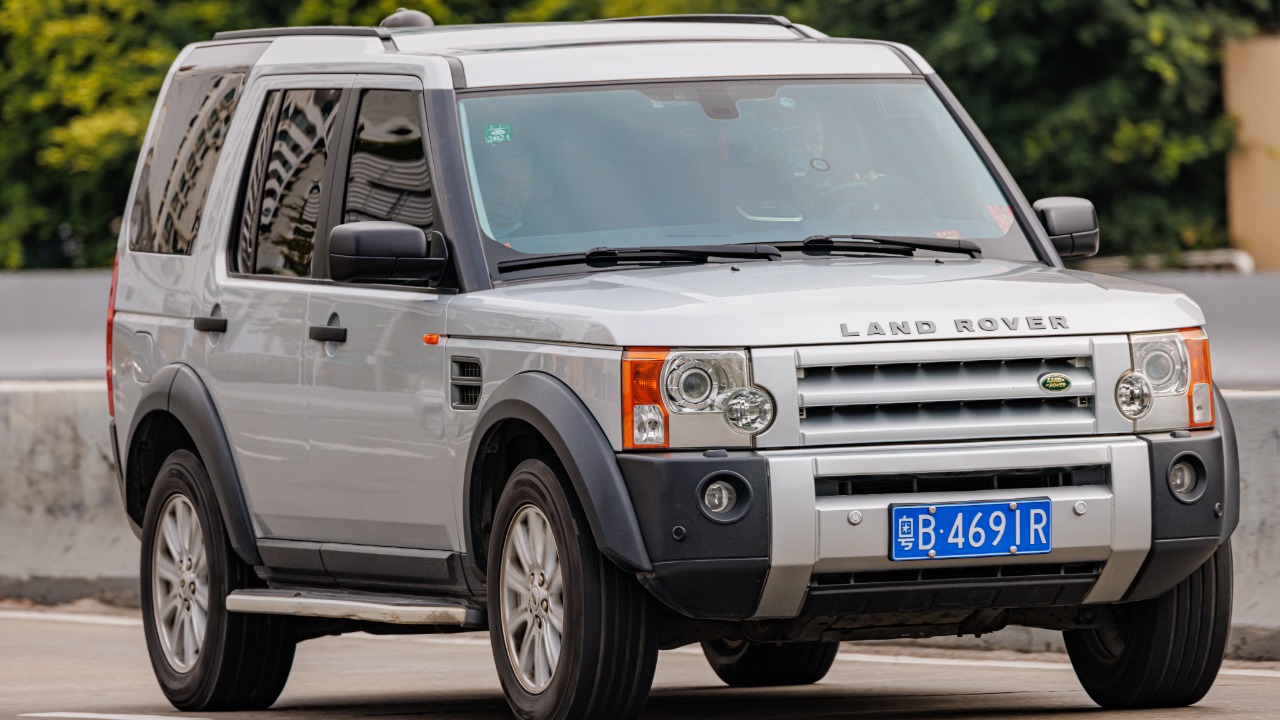
Renowned for its luxury and off-road capabilities, the Land Rover Discovery also carries a reputation for mechanical failures. Owners of models from the mid-2010s report frequent air suspension issues and electrical gremlins, which can be both frustrating and costly to resolve.
The brand has made improvements, but the Discovery’s long-term reliability remains questionable. Prospective buyers should be prepared for potential repairs and assess whether the vehicle’s benefits outweigh the maintenance challenges.
Chevrolet Traverse
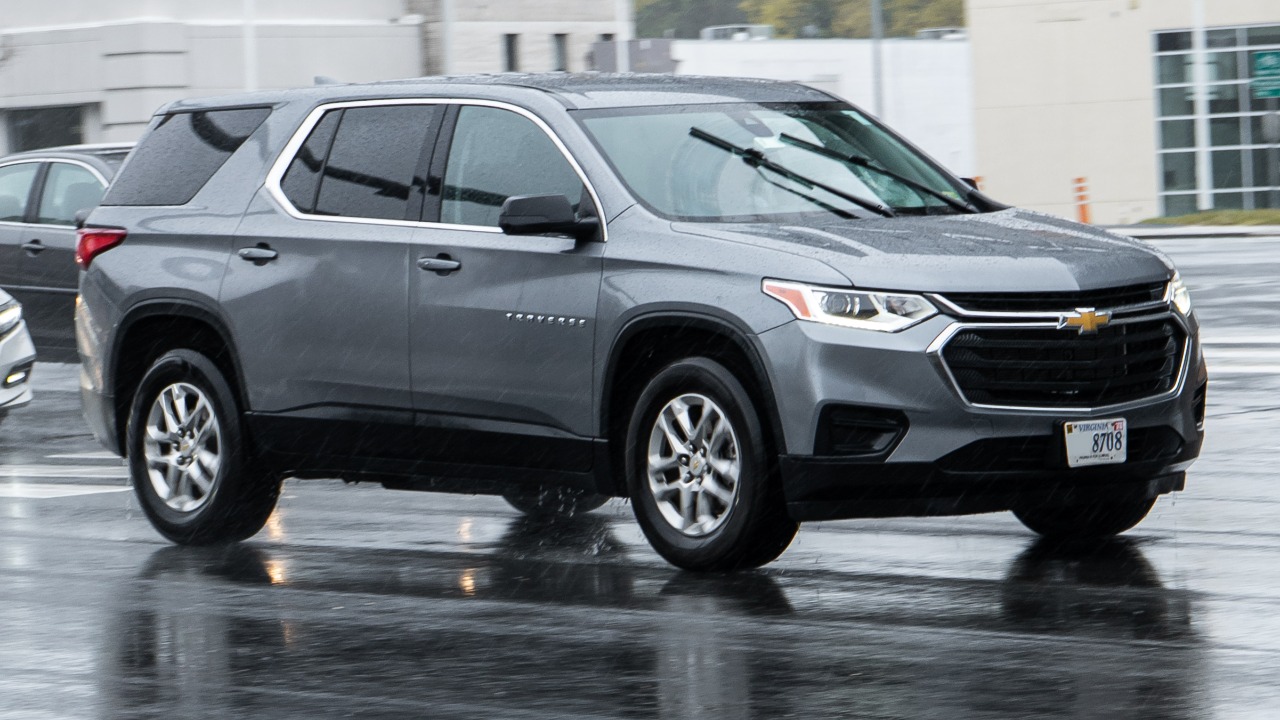
The Chevrolet Traverse, particularly models from 2009 to 2015, has faced significant reliability concerns. Owners have reported issues with the engine and transmission, as well as problems with the HVAC system. These have led to a higher than average number of service visits and repairs.
While newer models have shown improvement, the Traverse’s past reliability issues continue to affect its reputation. Those in the market for a used Traverse should be aware of these potential problems and consider the vehicle’s maintenance history carefully.
Dodge Journey
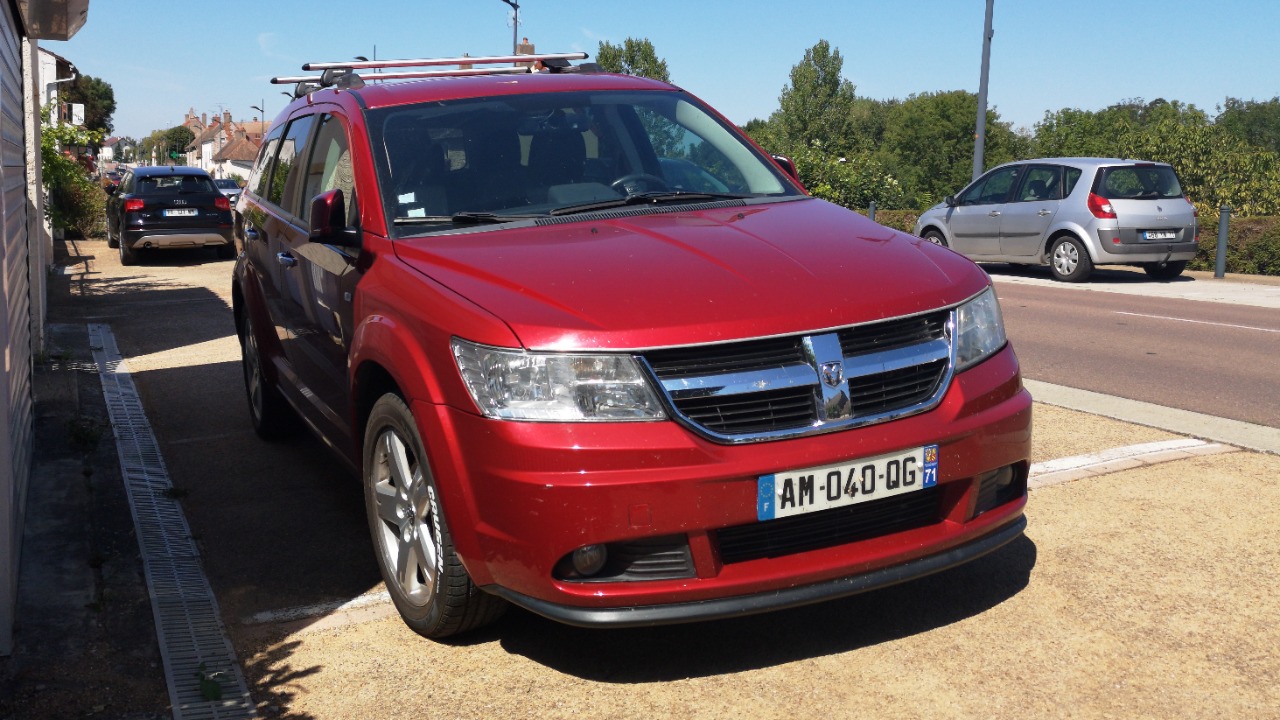
The Dodge Journey has long been criticized for its build quality and reliability issues. Models from 2009 to 2019 suffered from frequent transmission problems and electrical system failures. These issues have negatively impacted the Journey’s resale value and owner satisfaction.
Though Dodge has made updates in recent years, the Journey’s history of reliability problems makes it a less attractive option for those seeking a dependable SUV. Buyers should weigh the vehicle’s initial affordability against the potential for ongoing repairs.
Volkswagen Atlas
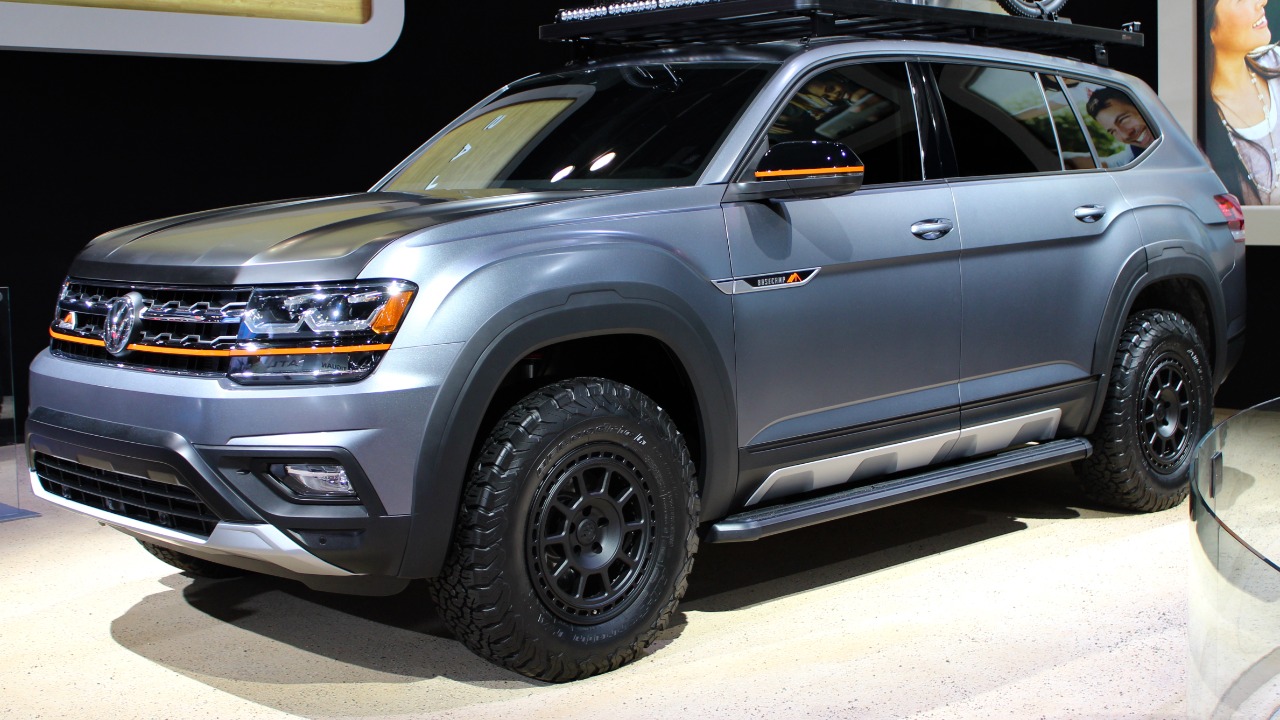
The Volkswagen Atlas, a relatively new entrant in the SUV market, has encountered its own set of reliability challenges. Models from 2018 and 2019 have been marked by engine and electrical issues, which have led to numerous recalls and consumer complaints.
Volkswagen is working to improve the Atlas, but its early reliability issues remain a concern for potential buyers. Those considering this SUV should look into the specific model year’s track record and ensure any known issues have been addressed.
BMW X5
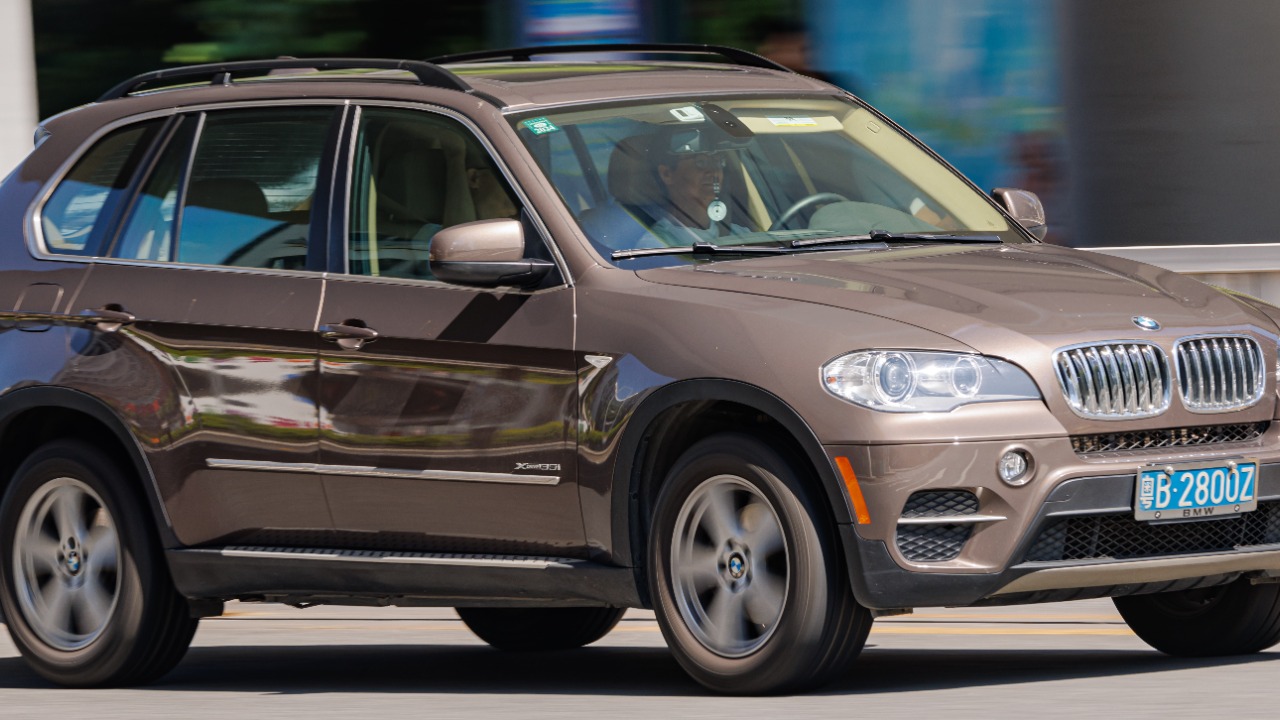
The BMW X5 combines luxury with performance, but not without its share of reliability issues. Owners of older models, particularly those from the early 2010s, have reported frequent problems with the engine and electrical systems. These issues often result in costly repairs, reducing the vehicle’s overall appeal.
While newer models have addressed some of these concerns, the X5’s history of reliability issues means potential buyers should conduct thorough research and consider the cost of potential repairs when evaluating this SUV.
