Electric vehicles (EVs) are increasingly popular, but their real-world range can often fall short of expectations. While some models boast impressive numbers on paper, numerous factors can affect their actual performance. Here’s a closer look at eight EVs that didn’t quite live up to their projected range during real-world tests.
Tesla Model 3
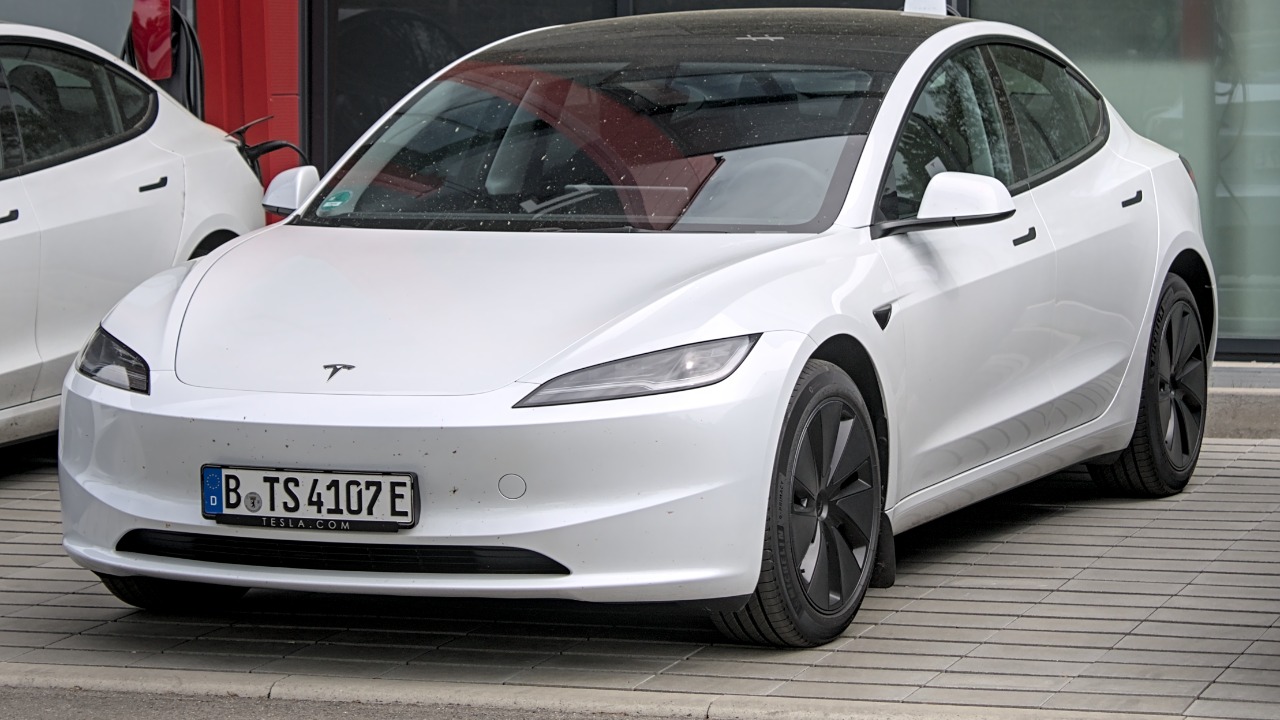
The Tesla Model 3 is celebrated for its innovation and cutting-edge technology. However, real-world tests sometimes reveal a discrepancy between its advertised range and actual performance. Various conditions, such as weather and driving habits, can significantly impact its range. Experts have noted that the Model 3’s range can decrease under harsh conditions, which is something potential buyers should consider.
Despite this, the Model 3 remains a favorite among EV enthusiasts due to its performance and features. It’s important to be aware of these potential range discrepancies to set realistic expectations and plan accordingly for longer trips.
Ford Mustang Mach-E
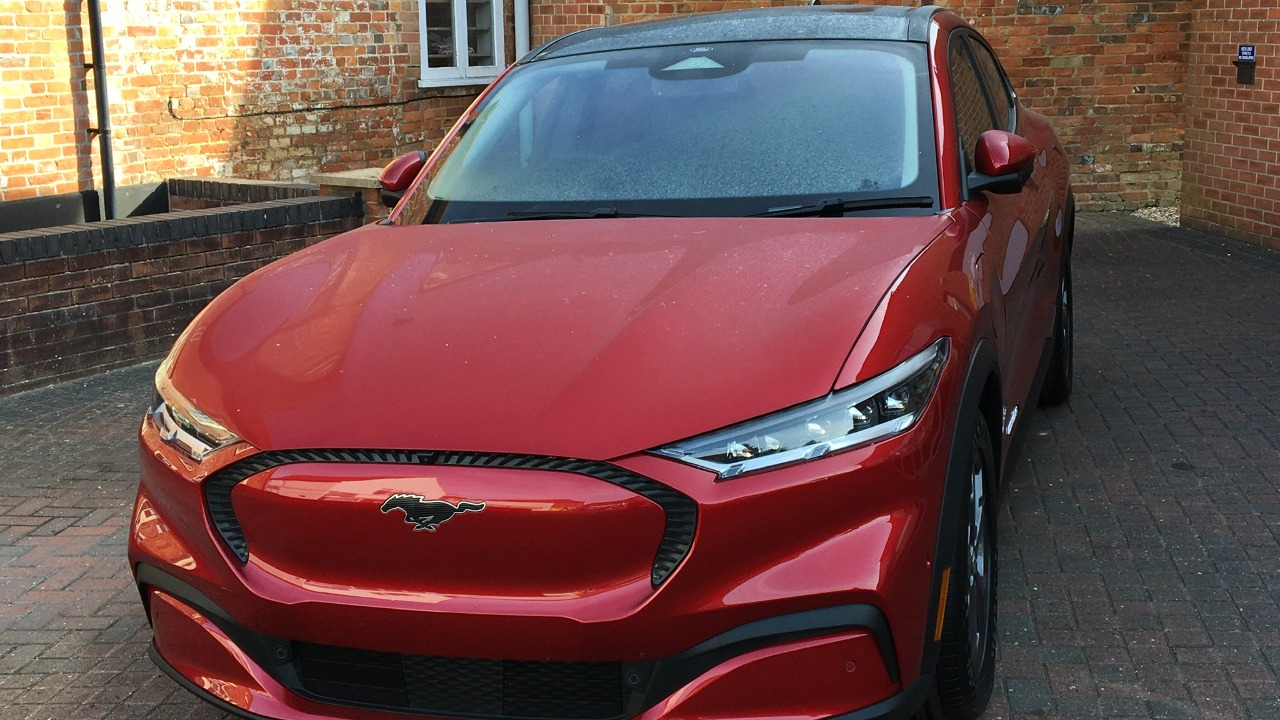
The Ford Mustang Mach-E has been well-received for its design and driving dynamics. However, its range performance in real-world conditions can sometimes disappoint. Tests show that colder climates and aggressive driving can lead to a noticeable drop in range, which might catch some drivers off guard.
Ford continues to improve the Mach-E through software updates and enhancements. For current and prospective owners, understanding the impact of driving conditions on range is crucial for maximizing the vehicle’s capabilities.
Chevrolet Bolt EV
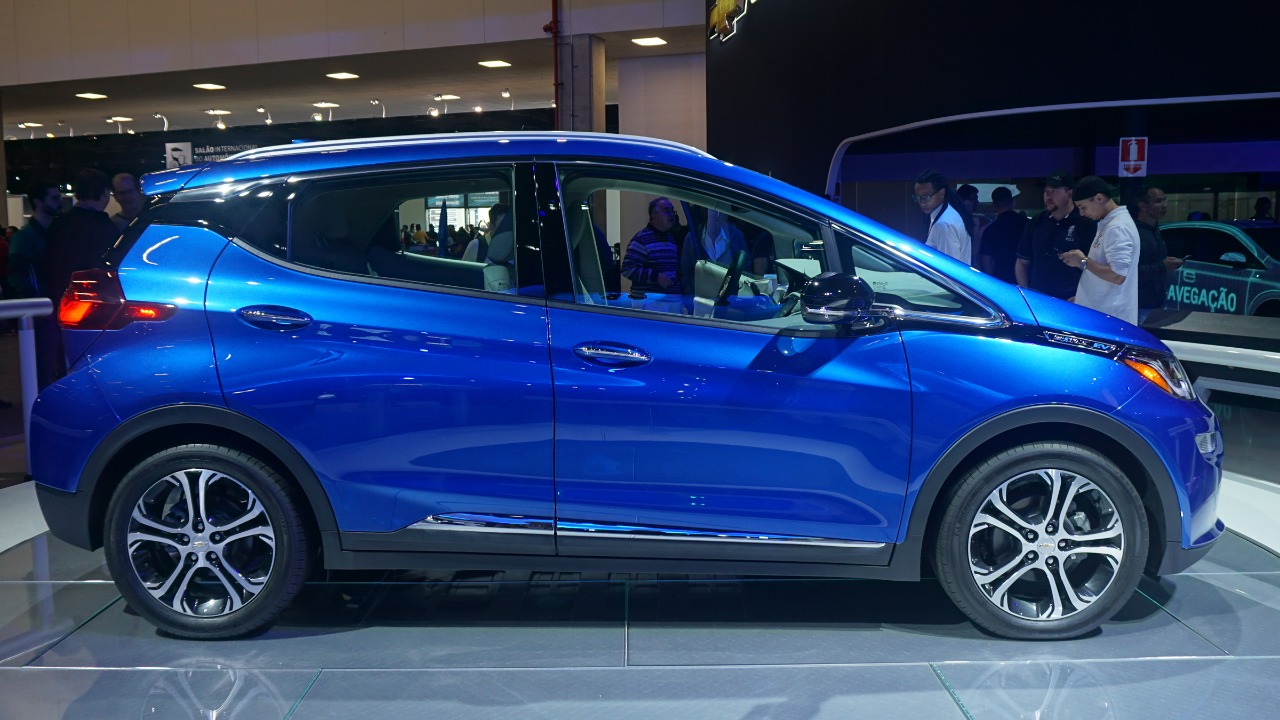
The Chevrolet Bolt EV offers a practical and affordable option in the EV market. However, it doesn’t always achieve its promised range in everyday scenarios. Factors such as highway driving speeds and temperature variations can lead to significant range reductions.
This discrepancy is a reminder that EV range tests might not fully capture real-life conditions. Owners should consider these factors to ensure they get the most out of their Bolt EV.
Nissan Leaf
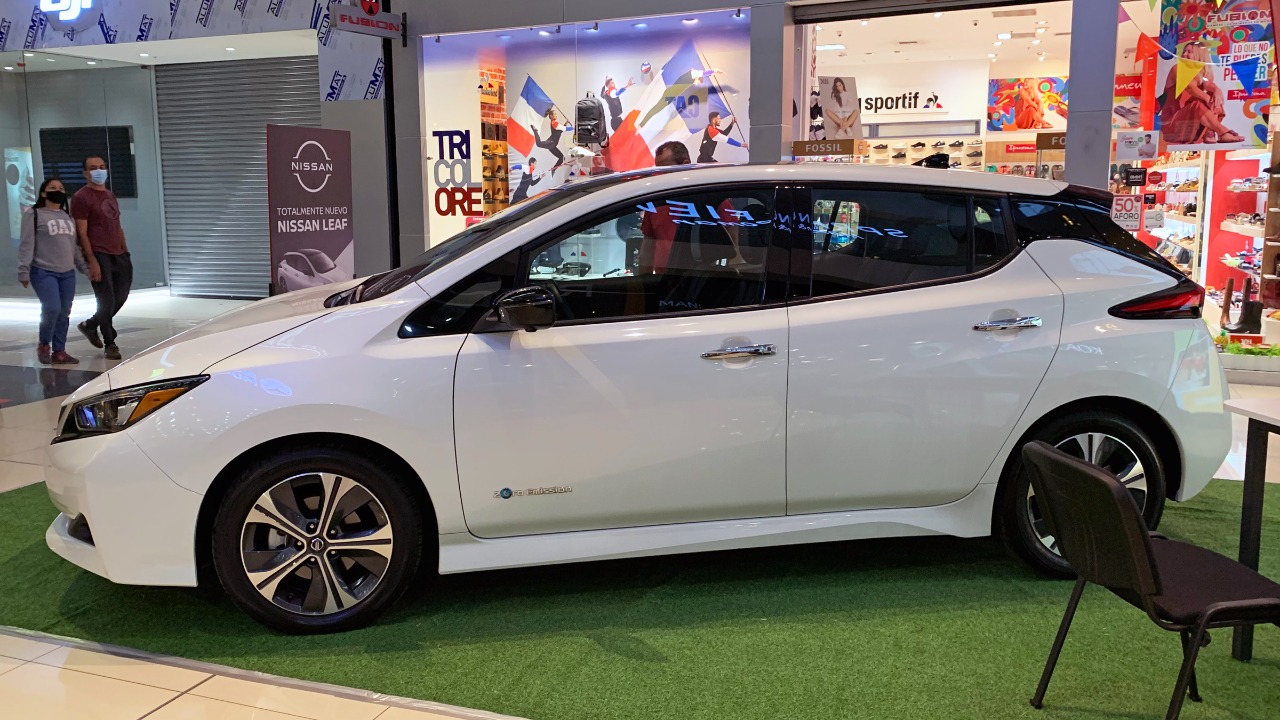
The Nissan Leaf is a pioneer in the electric vehicle industry, known for its reliability and accessibility. However, its real-world range can be lower than expected, especially in colder climates. This has been highlighted in several tests, where the Leaf’s range notably decreased during winter months.
For those considering a Leaf, it’s wise to account for these seasonal impacts on range. Planning for charging stops during longer trips can mitigate potential inconveniences.
Hyundai Kona Electric
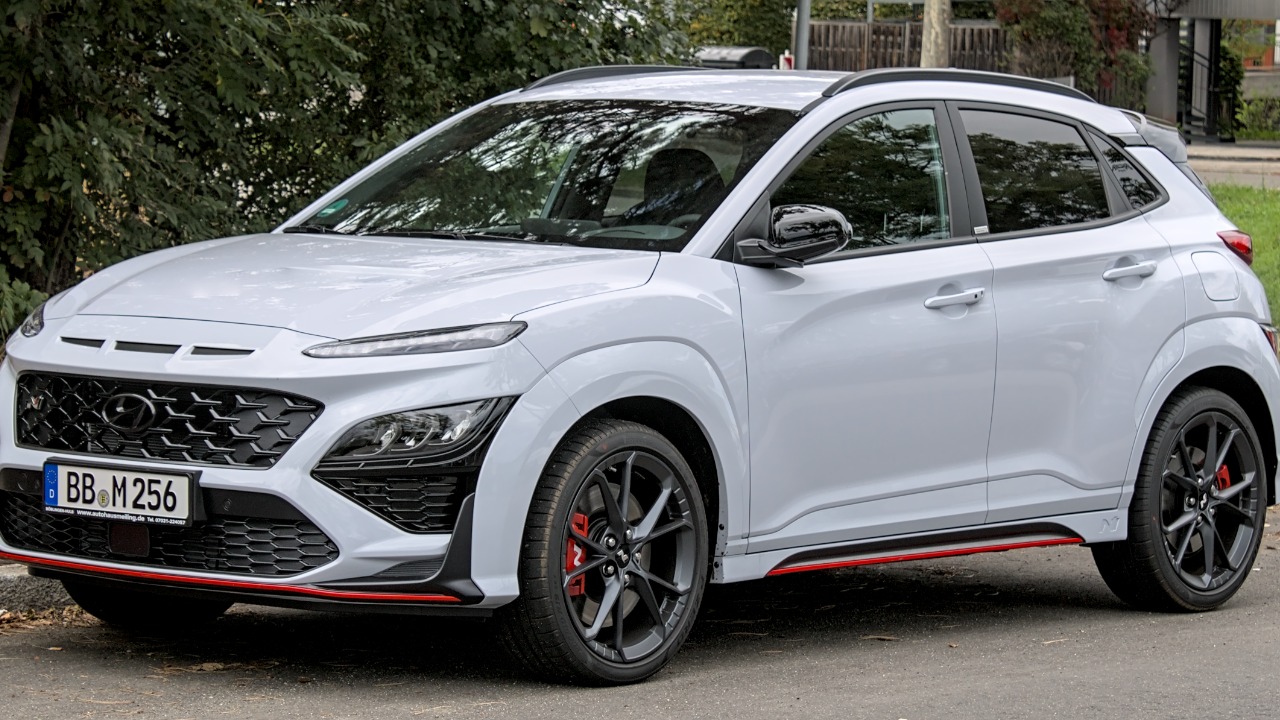
The Hyundai Kona Electric is praised for its efficiency and range on paper. Yet, real-world conditions can affect its performance, often resulting in a shorter range than advertised. This is particularly true during high-speed driving or in adverse weather conditions.
Understanding these potential range reductions is essential for Kona Electric owners. By adjusting driving habits and planning routes with available charging stations in mind, drivers can better manage their vehicle’s range.
Audi e-tron
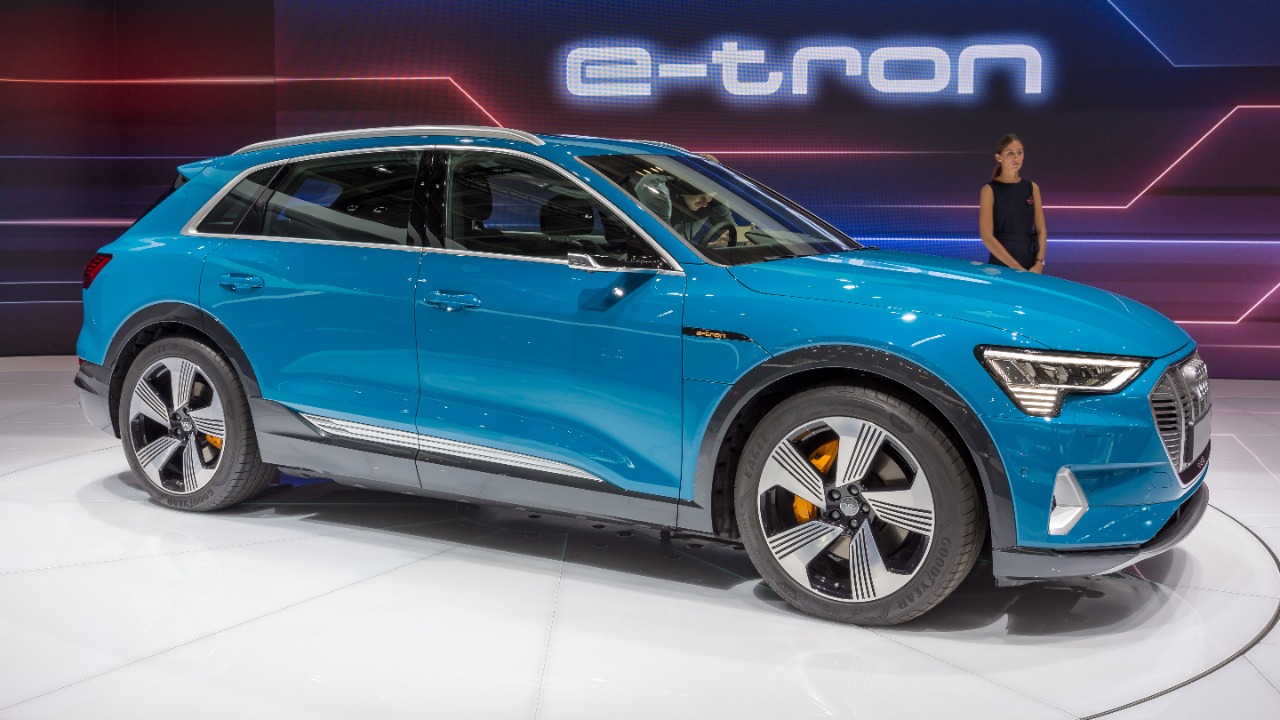
The Audi e-tron represents luxury in the EV market, but its range has been a topic of discussion. Despite its premium features, the e-tron’s actual range can fall short of expectations, especially when driven aggressively or in cold weather.
For those who appreciate the e-tron’s luxury and performance, being aware of these range limitations is crucial. Planning and optimizing driving conditions can help ensure a satisfying experience.
Jaguar I-PACE
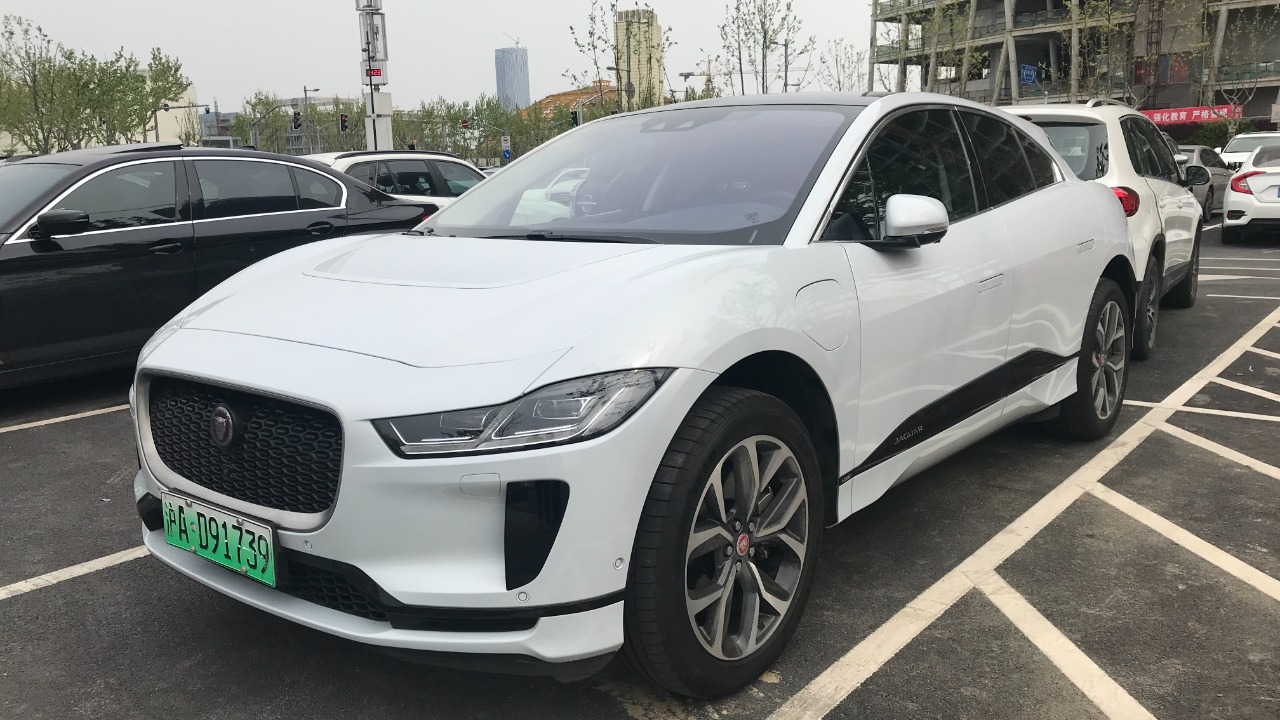
The Jaguar I-PACE is a stylish and performance-oriented EV that has garnered attention. However, its real-world range can be less than anticipated, particularly in more demanding driving conditions. This is something potential buyers and current owners need to consider.
Understanding how factors like temperature and speed affect the I-PACE’s range is vital for maximizing its usability. By doing so, drivers can make informed decisions about their travel plans and charging needs.
BMW i3
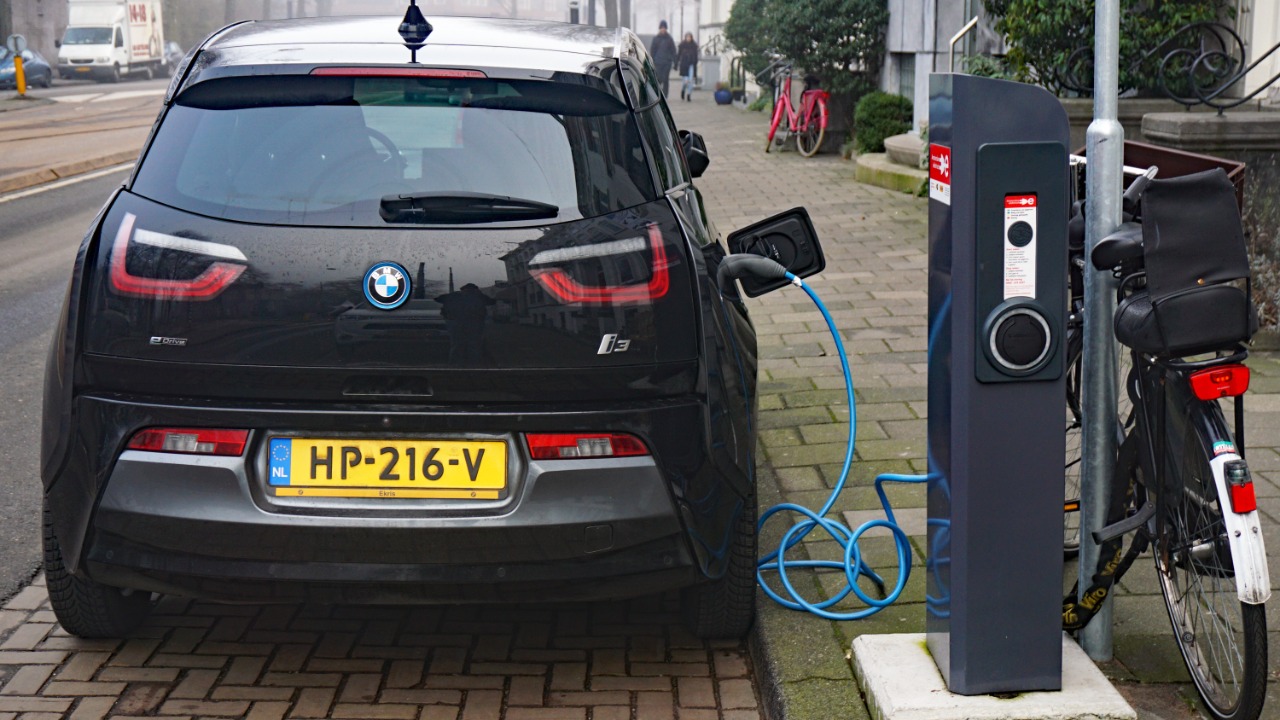
The BMW i3 is known for its unique design and urban-friendly size. Despite its appeal, the i3 sometimes struggles to deliver on the range promised in controlled tests. This is especially true when driving at higher speeds or in colder weather.
To get the most out of the i3, it’s important to be conscious of these range limitations. While it remains a popular choice for city driving, longer trips may require additional planning and charging stops. Winter testing has shown that preparation can significantly impact the i3’s usability during colder months.
