While Egypt’s Giza pyramids are iconic, the world’s largest pyramid site by sheer scale is located in a desert empire that encompasses twice the size of the Egyptian complex. This site, often overshadowed by its more famous counterpart, reveals a vast network of structures built by a sophisticated civilization in an arid landscape. Recent reporting highlights how this “desert empire” redefines pyramid-building achievements on a global scale (Daily Galaxy).
Discovery and Exploration
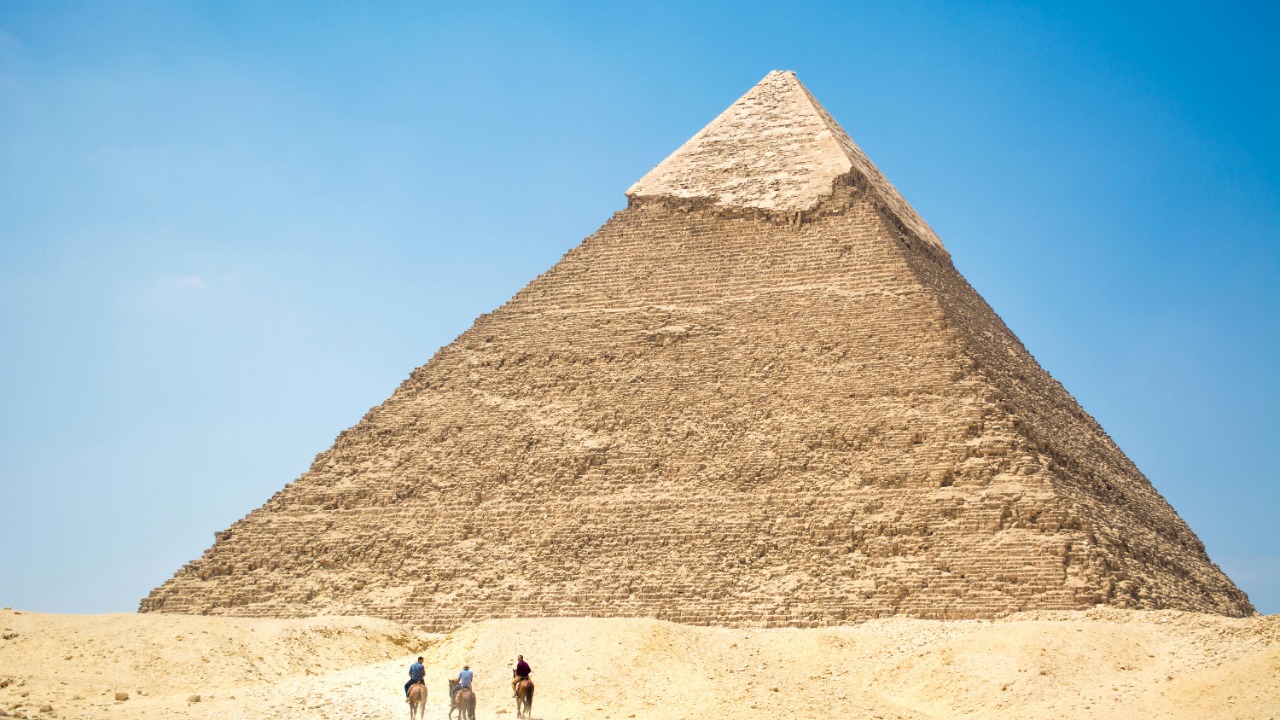
The initial archaeological findings that identified this site as the largest pyramid complex were groundbreaking. Early expeditions laid the groundwork for understanding its vastness, but it was modern surveys that truly uncovered its full extent. Researchers utilized remote sensing technologies, including satellite imagery, to reveal structures that span twice the area of Giza. This technological advancement allowed archaeologists to map out the site comprehensively, overcoming the geographical challenges posed by the harsh desert environment (Daily Galaxy).
Key researchers and teams have been instrumental in confirming the scale of the site. The 2025 reporting date marks a significant milestone in public awareness, as it brought to light the sheer magnitude of this discovery. The collaborative efforts of archaeologists and technology experts have been crucial in piecing together the site’s history and significance, providing a clearer picture of its place in the ancient world (Daily Galaxy).
In addition to remote sensing technologies, ground-penetrating radar and drone surveys have played a crucial role in mapping the site. These tools have allowed researchers to identify previously hidden structures beneath the sand, offering a more detailed understanding of the site’s layout and construction phases. The integration of these technologies has not only expanded the known boundaries of the complex but also provided insights into the construction techniques and materials used by the ancient builders. This comprehensive approach has been essential in overcoming the logistical challenges of exploring such a vast and remote area, ensuring that the site’s full historical significance is recognized and preserved for future study (Daily Galaxy).
The Desert Empire’s Historical Context
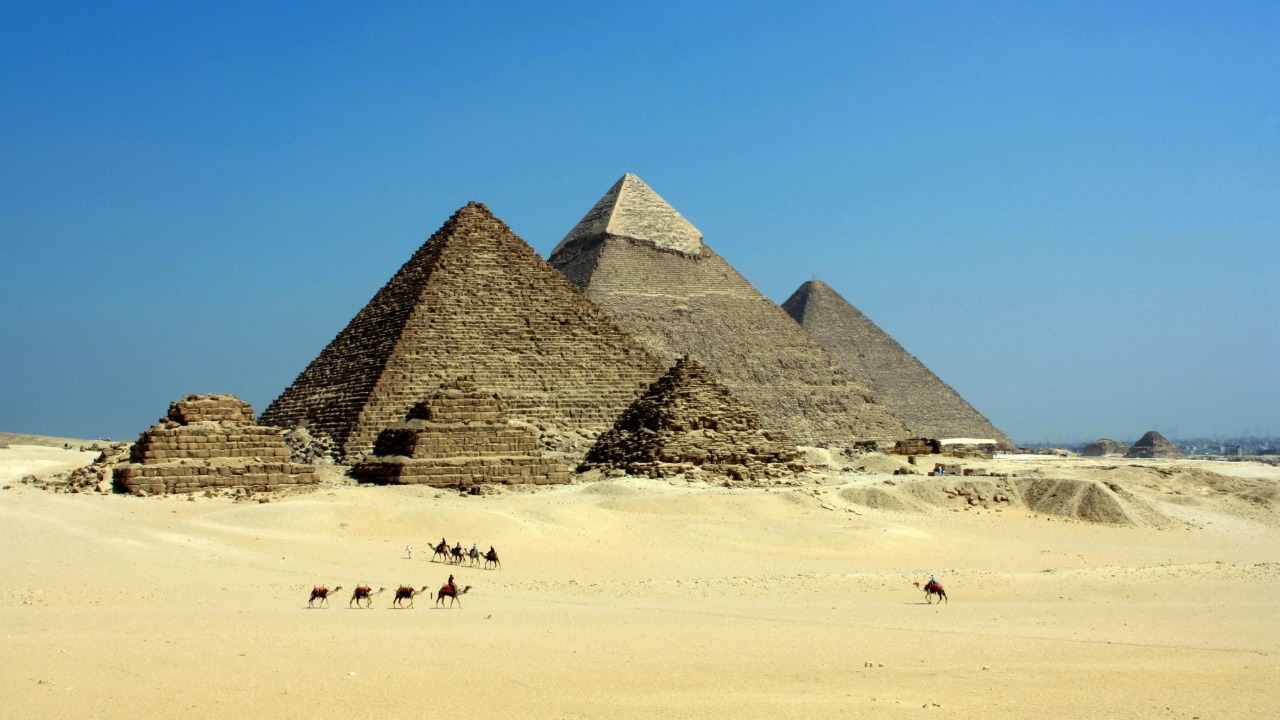
The civilization behind this pyramid site rose as a formidable “desert empire,” rivaling Egypt in architectural ambition. This ancient society’s ability to construct a pyramid complex twice the size of Egypt’s is a testament to its cultural and political prowess. Factors such as strategic trade routes and resource management in the arid region played a significant role in its development. The empire’s achievements in architecture and engineering reflect a sophisticated understanding of their environment and resources (Daily Galaxy).
Artifacts and inscriptions found at the site provide valuable insights into the empire’s engineering prowess and societal organization. These discoveries paint a picture of a civilization that was not only adept at monumental construction but also highly organized and capable of sustaining large-scale projects in challenging conditions. The evidence suggests a complex society with a rich cultural heritage, contributing to our understanding of ancient world dynamics (Daily Galaxy).
Further examination of the site’s artifacts has revealed a complex trade network that extended far beyond the immediate region. Items such as pottery, tools, and decorative objects suggest connections with distant cultures, indicating that the desert empire was a hub of commerce and cultural exchange. This network likely facilitated the acquisition of materials and knowledge necessary for the construction of such an extensive pyramid complex. Additionally, the inscriptions found at the site provide evidence of a sophisticated administrative system, with records of labor organization, resource allocation, and ceremonial practices. These findings underscore the empire’s ability to mobilize and sustain large-scale projects, reflecting a high degree of social organization and political stability (Daily Galaxy).
Architectural Features and Scale
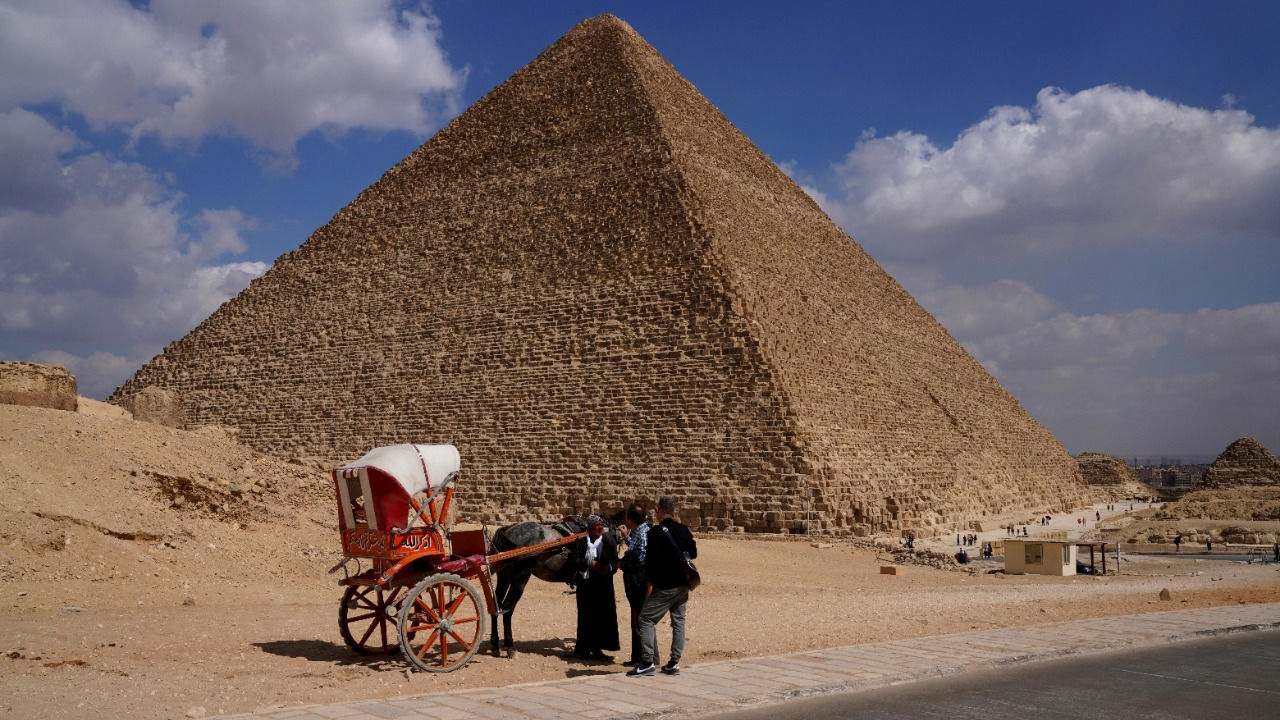
The pyramid site comprises numerous structures, with the overall complex achieving twice the size of the Egyptian pyramid fields through its density and layout. The number and types of pyramids within the site highlight the architectural diversity and complexity of the empire’s construction techniques. This vast network of structures showcases the empire’s ability to adapt to the desert environment, utilizing materials and methods distinct from those used in the Nile Valley (Daily Galaxy).
Specific monumental elements, such as burial chambers and alignments, demonstrate the site’s complexity beyond mere size. These features reflect a deep understanding of architectural principles and a commitment to creating enduring structures. The comparison between the construction techniques of this desert empire and those of Egypt underscores the unique adaptations required to thrive in such a challenging environment (Daily Galaxy).
The architectural ingenuity of the desert empire is further exemplified by the innovative use of local materials, such as sandstone and mudbrick, which were adapted to withstand the harsh desert climate. The builders employed advanced techniques to ensure the stability and longevity of the structures, including the use of interlocking stones and precise alignment with celestial bodies. These methods not only highlight the technical skills of the builders but also their deep understanding of environmental factors and astronomical phenomena. The layout of the site, with its strategic placement of pyramids and ceremonial spaces, suggests a sophisticated urban planning approach that maximized the use of available resources while maintaining the cultural and religious significance of the structures (Daily Galaxy).
Significance Beyond Egypt
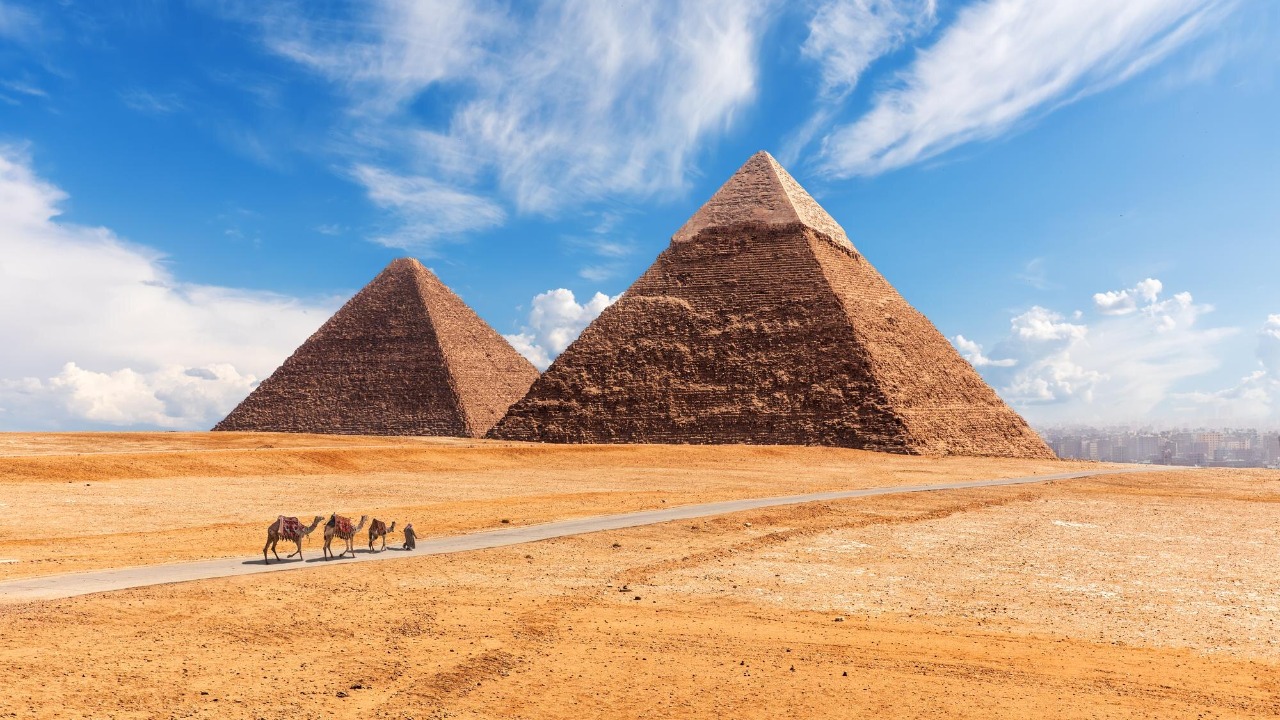
The discovery of this site reframes global perceptions of pyramid-building, positioning the desert empire’s site as the true largest rather than Egypt’s. This revelation has significant implications for tourism, preservation efforts, and ongoing excavations in the region as of 2025. The newfound attention on this site is likely to spur increased interest and investment in its preservation, ensuring that its historical and cultural significance is recognized and protected for future generations (Daily Galaxy).
Exploring connections to broader ancient world networks, the site offers potential insights into influences or parallels with Egyptian practices. The similarities and differences between the two civilizations’ approaches to pyramid-building provide a richer understanding of the ancient world and its interconnectedness. This discovery not only challenges assumptions about the primacy of Egyptian pyramids but also highlights the diverse and innovative architectural achievements of ancient societies (Daily Galaxy).
