The world of aviation has always been a playground for innovation and experimentation, with the X-plane series standing as a testament to human ingenuity and daring. These experimental aircraft have pushed the boundaries of design and performance, resulting in some of the most bizarre and awe-inspiring creations ever to take to the skies.
The Birth of the X-Plane Program
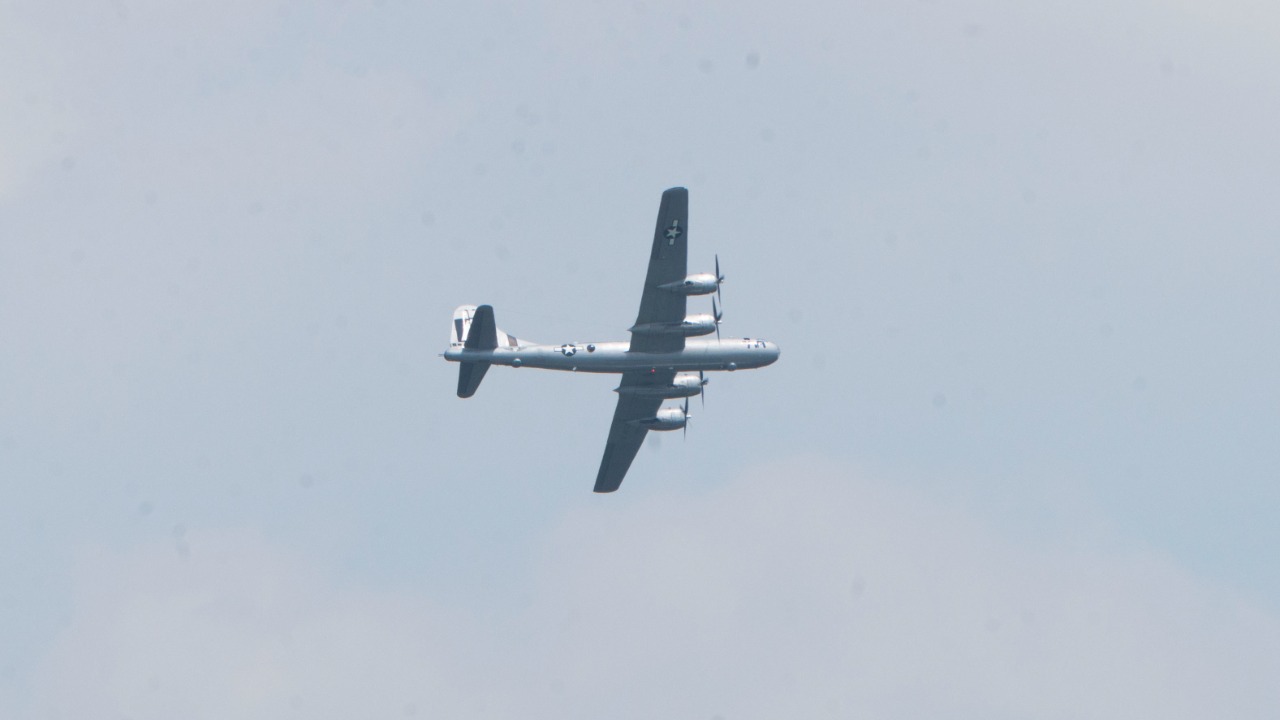
The origins of the X-plane program can be traced back to a post-World War II era when the need for technological advancement in aviation was more pressing than ever. The program was developed to test new technologies and aerodynamic concepts, allowing engineers and pilots to explore the unknown. The United States Air Force and NASA played key roles in advancing these aviation technologies, working collaboratively to push the limits of what was thought possible.
During the Cold War era, the pressure to innovate became even more intense, with both superpowers striving to outdo each other in aerospace technology. This historical context provided fertile ground for the X-plane program to flourish, leading to groundbreaking developments that influenced not just military aviation but also commercial flight and space exploration. The program’s ambitious goals and daring experiments laid the groundwork for modern aerospace advancements.
X-1: Breaking the Sound Barrier
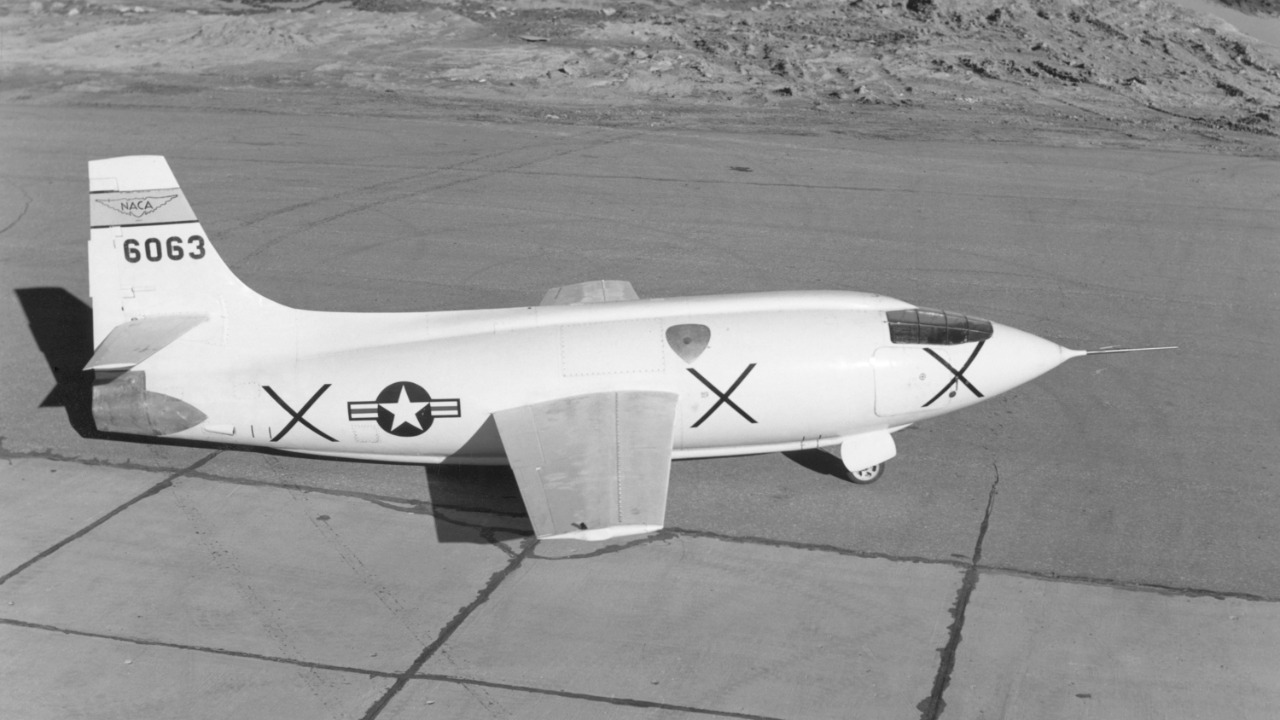
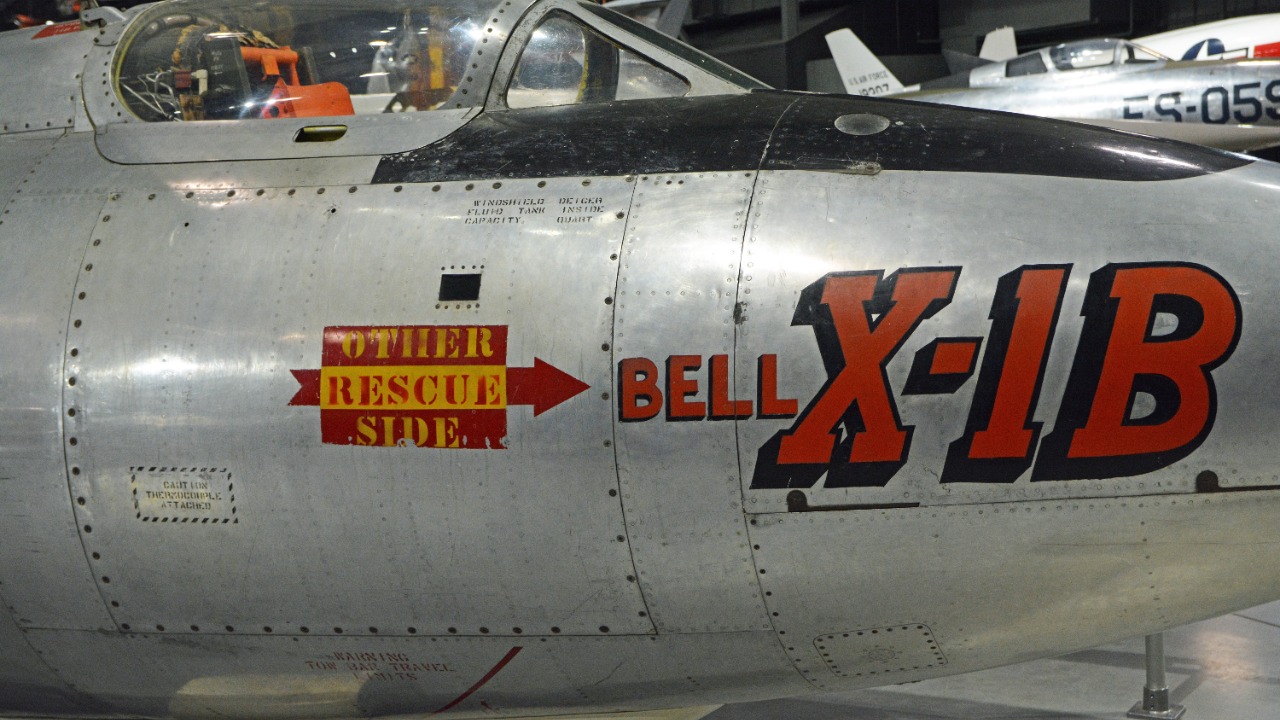
The Bell X-1, piloted by Chuck Yeager, became the first aircraft to break the sound barrier in level flight on October 14, 1947. Its design was unique, resembling a bullet with its sleek, rocket-powered form. The journey to achieving supersonic flight was fraught with engineering challenges and significant risks for the test pilots involved. The X-1’s development was a testament to the innovative spirit of the era and the determination to conquer new frontiers.
The achievements of the X-1 program were monumental, proving that breaking the sound barrier was not only possible but also instrumental in paving the way for future supersonic and hypersonic aircraft. Despite the challenges, the X-1 set a precedent for rigorous testing and engineering excellence that would define future X-plane projects.
X-15: The Edge of Space
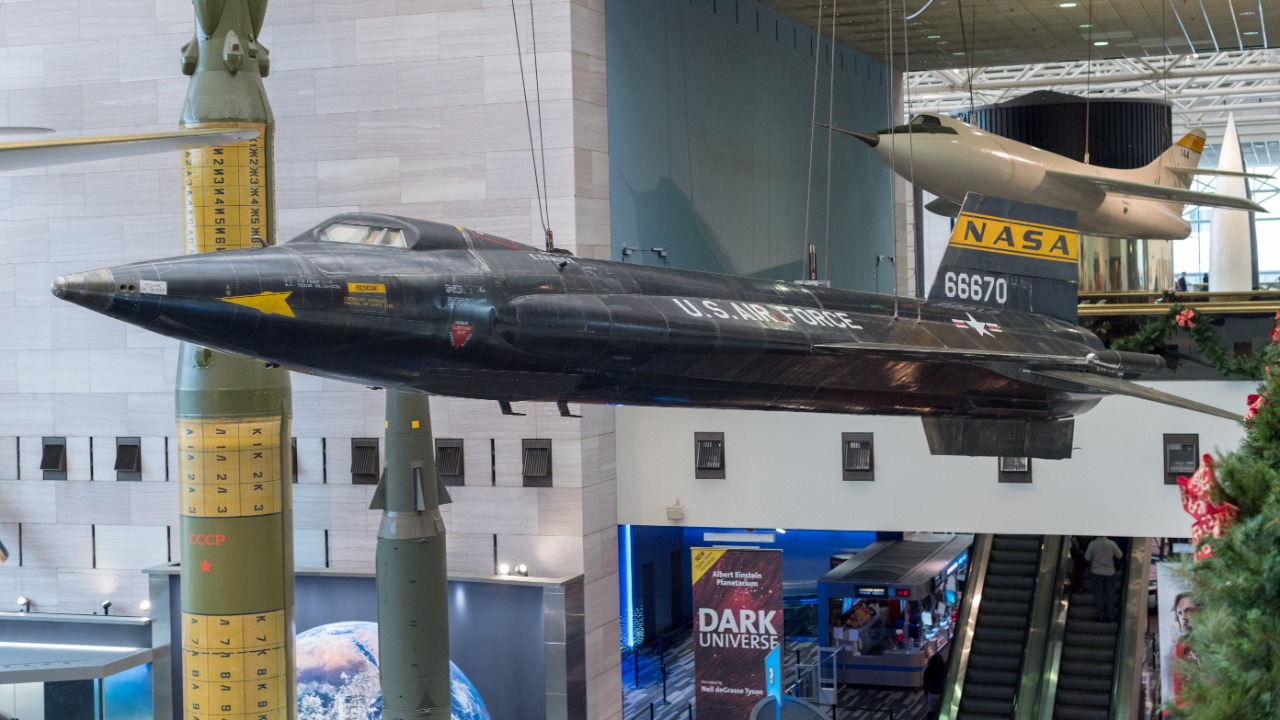
The X-15 was a rocket-powered aircraft designed to reach the boundaries of space, and it succeeded in setting speed and altitude records that remain unmatched to this day. This aircraft was a marvel of engineering, capable of soaring to altitudes above 50 miles, thus earning its pilots astronaut wings. The X-15’s record-setting flights provided invaluable data on high-speed aerodynamics and thermal control, contributing significantly to space exploration efforts.
Its legacy is profound, influencing modern aerospace technology and serving as a precursor to the Space Shuttle program. The X-15 demonstrated the potential of reusable spacecraft and advanced our understanding of atmospheric reentry, leaving an indelible mark on the history of aviation and space travel.
The X-29: Forward-Swept Wings
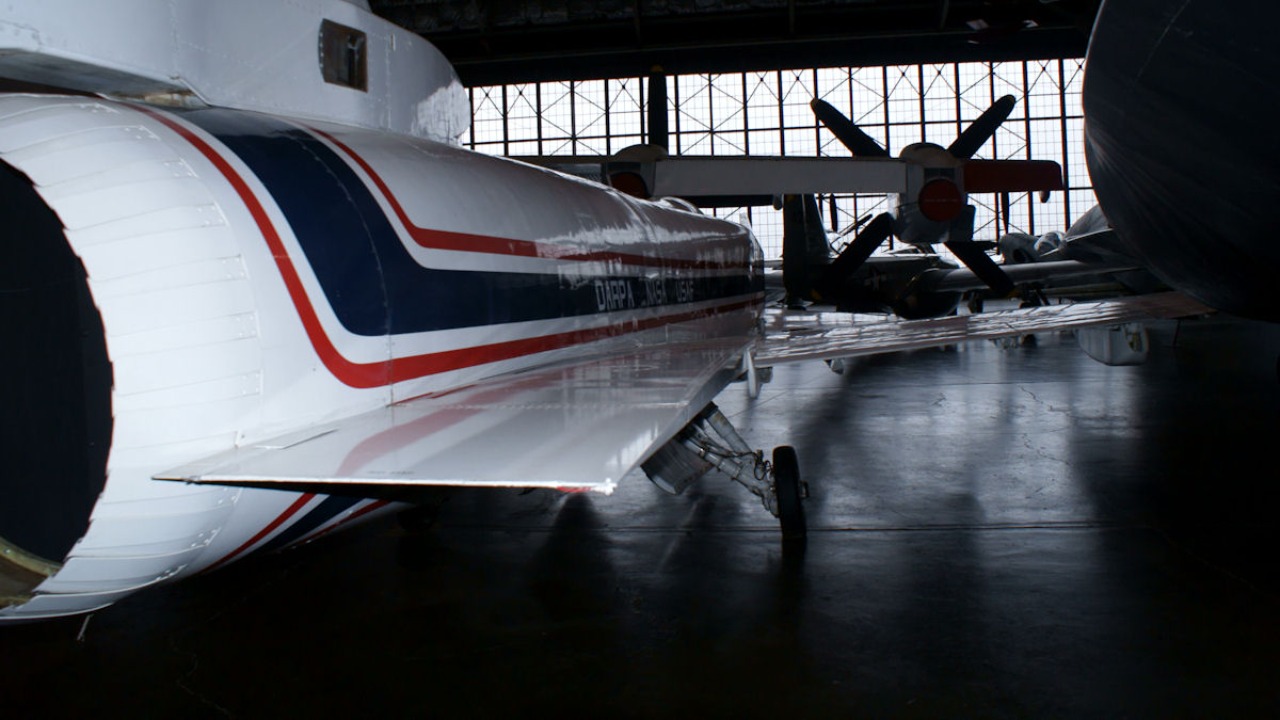
The X-29 was an experimental aircraft known for its unconventional forward-swept wing design, which offered enhanced maneuverability and control at high speeds. This design challenged traditional aerodynamic theories, and engineers faced significant hurdles in ensuring stability and performance. The use of advanced composite materials and a sophisticated fly-by-wire control system allowed the X-29 to overcome these challenges.
The aerodynamic advantages of the X-29 were evident in its improved agility and responsiveness, which provided valuable insights into aircraft design and control systems. The innovations tested on the X-29 have influenced the development of modern fighter jets and continue to inspire new approaches to aircraft engineering.
X-43A: Pushing Hypersonic Limits
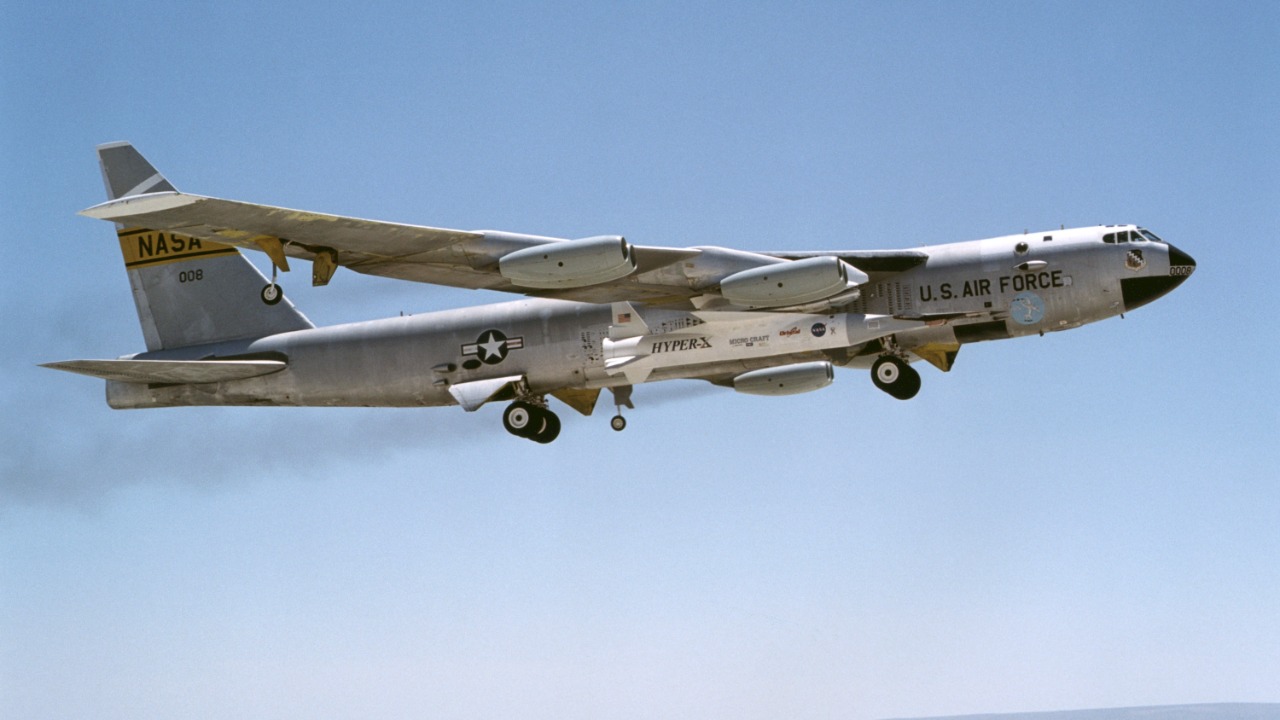
The X-43A was a part of NASA’s effort to explore hypersonic flight, aiming to reach speeds up to Mach 10. Despite the program facing setbacks and eventually being abandoned, it achieved a significant milestone with a successful flight that reached Mach 9.6. This achievement marked a new frontier in high-speed flight and provided essential data for future hypersonic research.
Although the X-43A program was not continued, its impact on modern hypersonic research and military applications is undeniable. The lessons learned have influenced the development of next-generation hypersonic vehicles, underscoring the program’s contributions to aerospace technology.
X-48: Exploring Blended Wing Bodies
The X-48 was an innovative experiment designed to explore the potential of blended wing bodies, which blur the lines between wings and fuselage to improve aerodynamic efficiency. This design promised significant benefits in terms of fuel efficiency and environmental impact, making it an attractive option for future commercial aircraft.
Research outcomes from the X-48’s test flights have provided valuable insights into the feasibility and advantages of blended wing body designs. These findings continue to influence the direction of aircraft design, offering a glimpse into a future where efficiency and sustainability are paramount considerations in aviation.
