
The WindRunner, a new transport jet for the US military, is set to become the world’s largest cargo plane. With capabilities to ferry 4 F-35Cs, 4 F-16s, and 12 AH-64 Apache choppers in its belly, the WindRunner marks a significant upgrade in airlift capacity. This development signals a shift toward larger-scale rapid deployment options for fighter jets and helicopters, potentially transforming logistical operations in contested environments.
Announcement of the WindRunner Project
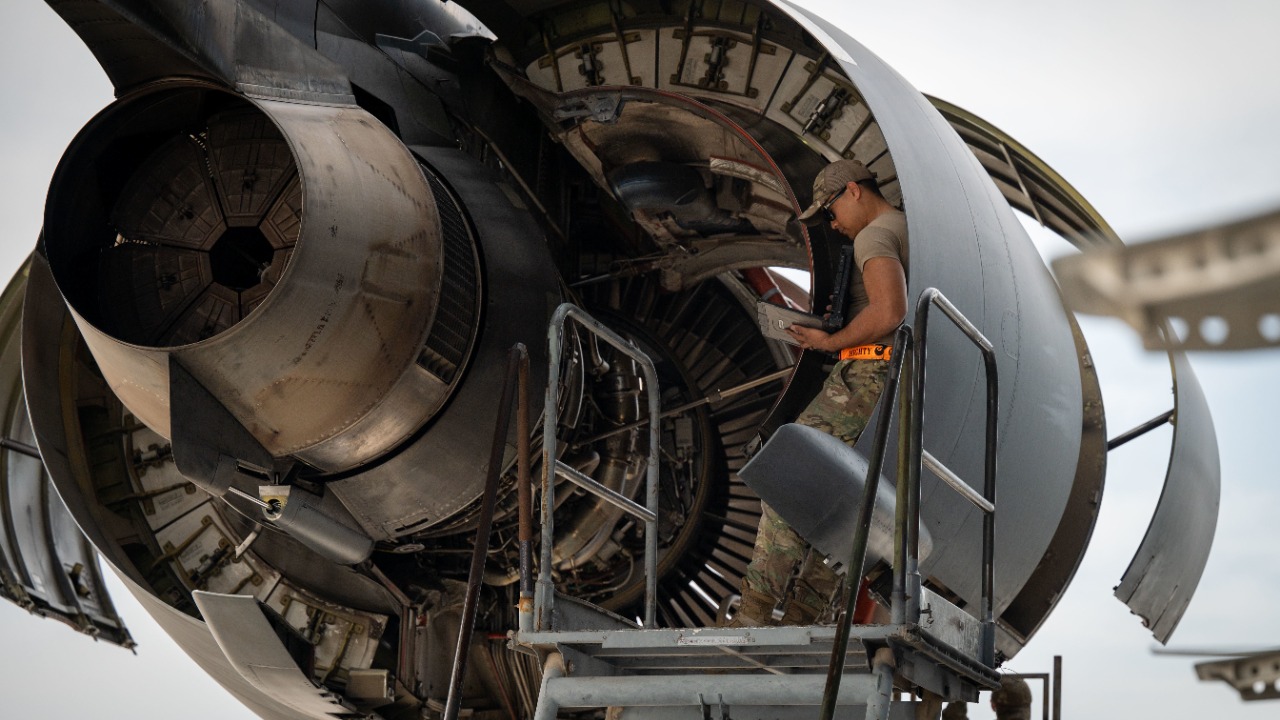
The US military’s new transport jet, the WindRunner, has been highlighted in recent reporting on its impending arrival. This announcement emphasizes the jet’s role in enhancing strategic air transport for the US armed forces. The WindRunner is not just another addition to the fleet, but a game-changer in terms of size and capacity.
According to the Economic Times, the WindRunner project was announced as part of a broader initiative to modernize the US military’s air transport capabilities. The project’s announcement was met with anticipation and interest from military strategists and aviation enthusiasts alike, given the potential implications for the US military’s global reach and rapid response capabilities.
Size Comparison to the C-17 Globemaster
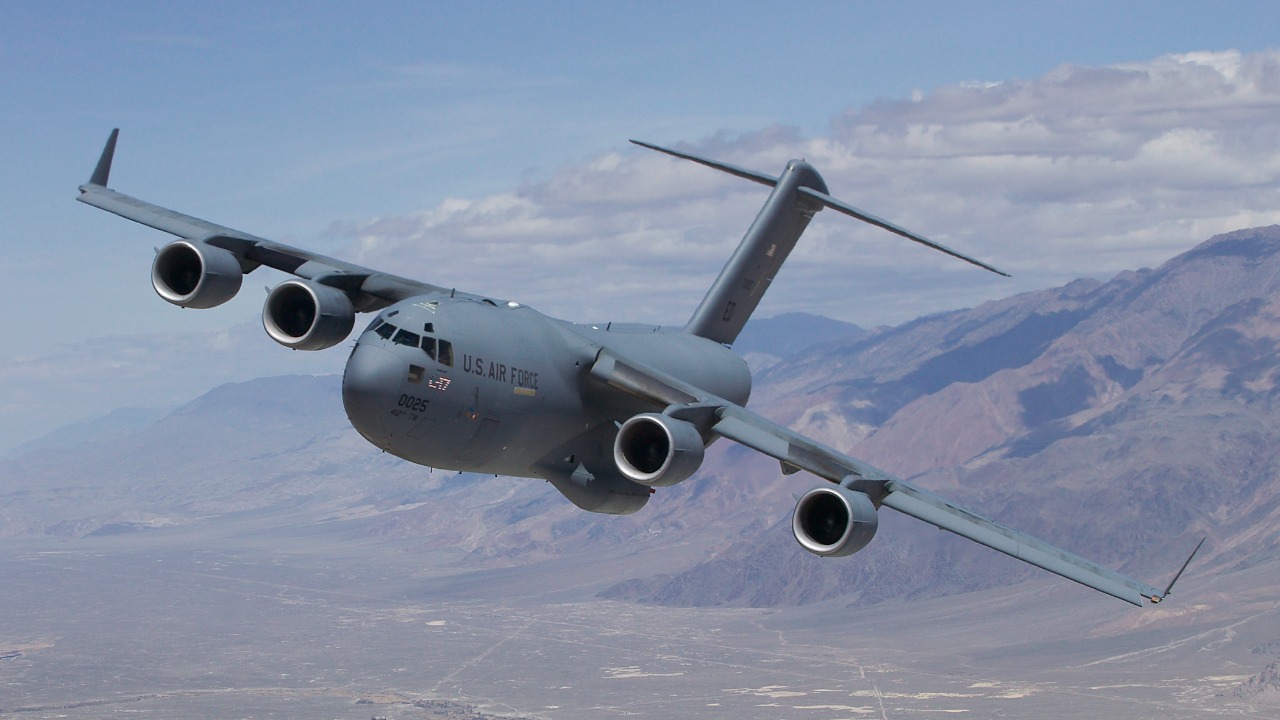
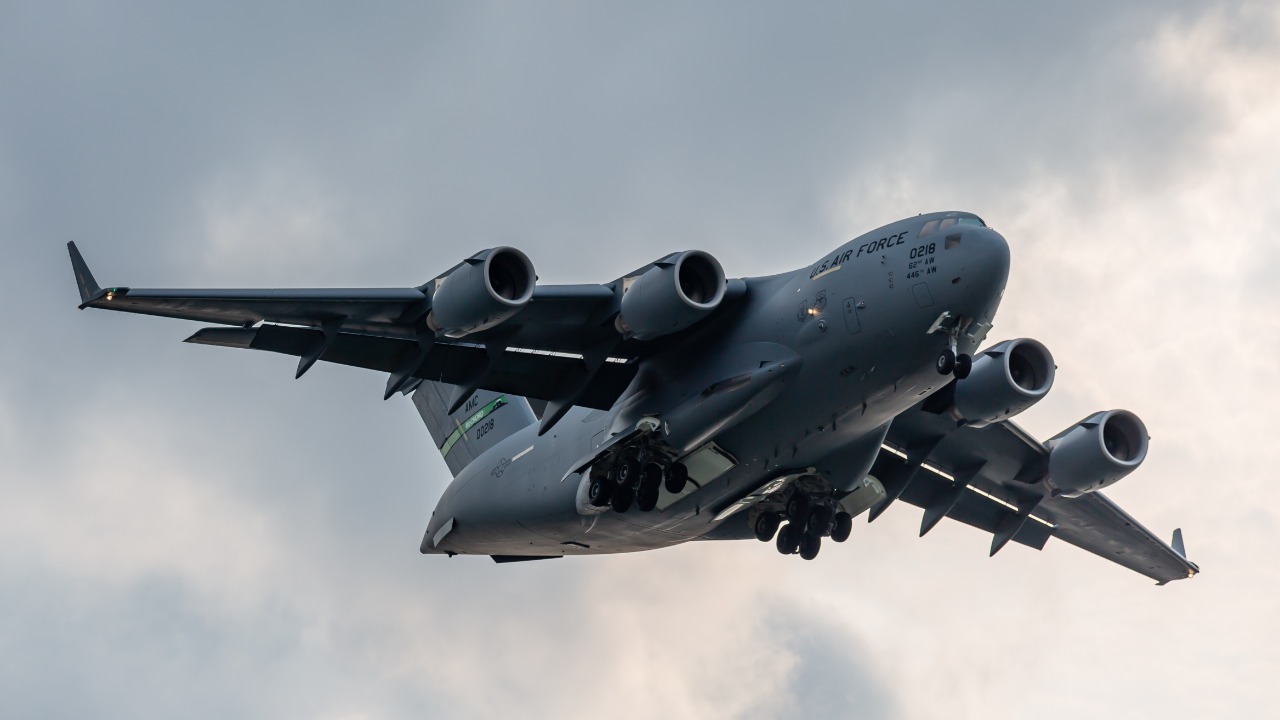
The WindRunner dwarfs the C-17 Globemaster in size, positioning it as a larger alternative for heavy-lift operations within the US military’s fleet. This size advantage represents a key evolution from previous transport jets, enabling unprecedented payload volumes. Reporting underscores how this scale change addresses limitations in current C-17 deployments.
While the C-17 Globemaster has a length of 174 feet and a wingspan of 169.8 feet, the WindRunner significantly surpasses these dimensions, although exact measurements have not been publicly disclosed. This size difference allows the WindRunner to carry larger payloads, including multiple fighter jets and helicopters. The larger size also means that the WindRunner will require longer runways for takeoff and landing, which could influence where it can be deployed.
Payload Capacity for Fighter Jets
The WindRunner can ferry 4 F-35Cs in its belly, offering a major boost to rapid deployment of stealth fighters for the US military. It also supports transport of 4 F-16s, expanding options for multirole fighter logistics compared to C-17 constraints. This increased capacity could significantly enhance the US military’s ability to respond quickly and effectively in various operational scenarios.
The WindRunner’s ability to transport 4 F-35Cs and 4 F-16s simultaneously is a significant upgrade from the C-17 Globemaster, which can only carry a single F-35C. This increased capacity allows for the rapid deployment of a squadron of fighter jets, a capability that could prove crucial in conflict scenarios where air superiority is key. The ability to transport multiple F-16s, a multirole fighter that can perform both air-to-air and air-to-ground missions, further enhances the WindRunner’s versatility and strategic value.
Helicopter Transport Capabilities
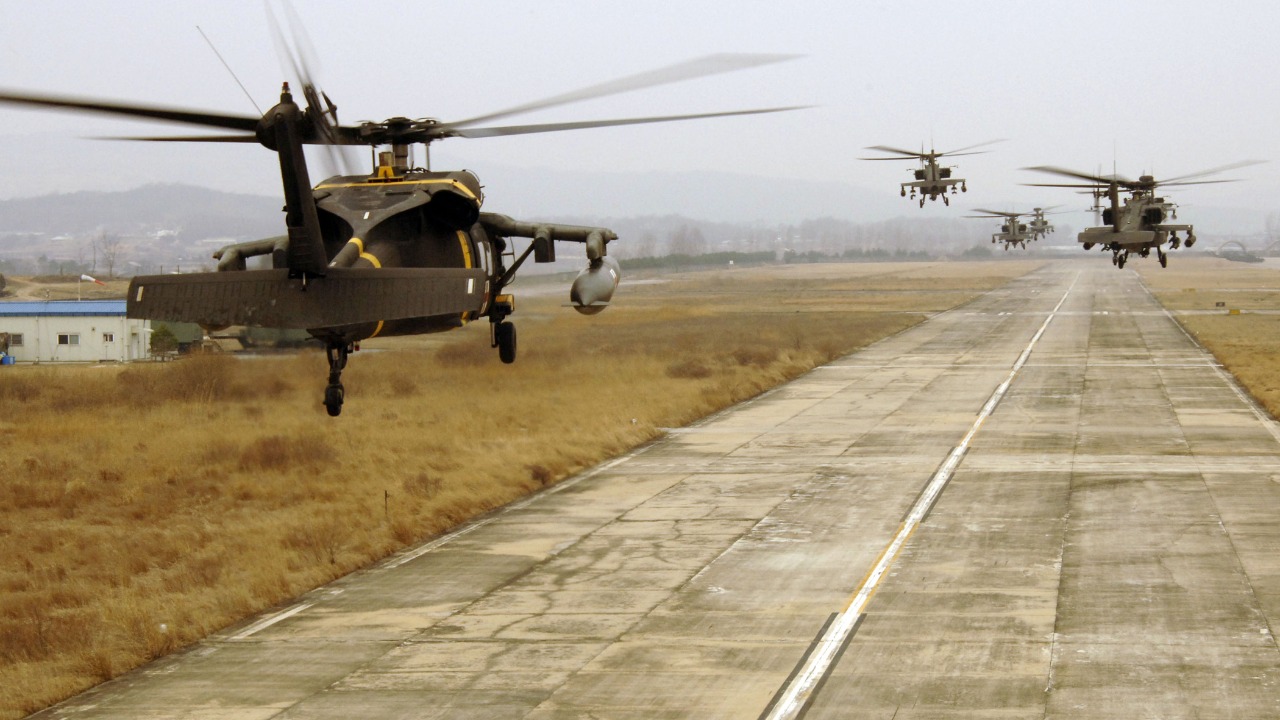
The WindRunner is designed to carry 12 AH-64 Apache choppers internally, facilitating large-scale helicopter ferrying for US Army aviation units. This capacity highlights a change from prior transport limits, enabling quicker reinforcement of ground support assets in operational theaters. The ability to transport a large number of helicopters at once could prove crucial in situations requiring rapid deployment of air support.
In comparison, the C-17 Globemaster can only carry two Apaches. This increased capacity allows for the rapid deployment of a large number of helicopters, which can provide crucial air support for ground troops in a variety of operational scenarios. The ability to transport multiple helicopters at once also allows for the rapid replacement of damaged or destroyed helicopters, ensuring that air support can be maintained even in the face of enemy action.
Implications for US Military Logistics
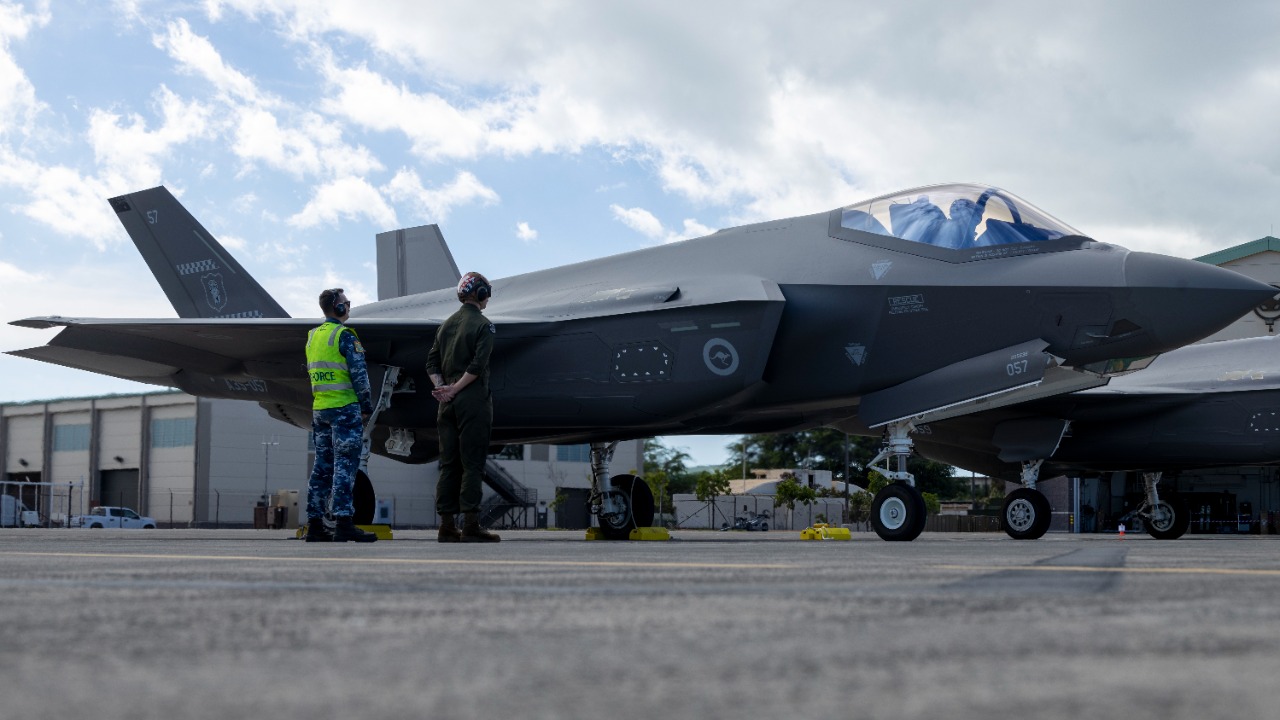
As the world’s largest cargo plane, the WindRunner will redefine US military airlift strategies by combining fighter and helicopter transport in one mission. The reporting indicates this jet’s arrival could accelerate deployment timelines for joint operations involving F-35Cs, F-16s, and AH-64 Apaches. This development could have far-reaching implications for the US military’s operational readiness and strategic capabilities.
Additionally, the WindRunner’s large size and payload capacity could also make it a valuable asset for humanitarian missions, allowing for the rapid delivery of large quantities of supplies to disaster-stricken areas.
Future Deployment and Timeline
The WindRunner’s impending integration into the US military fleet promises to outpace C-17 efficiencies starting in the near term. This update signals accelerated progress toward operational readiness for oversized cargo missions. As the WindRunner becomes operational, it is expected to significantly enhance the US military’s airlift capabilities and operational flexibility.
