Cloning human organs has sparked intense interest and debate in recent years, drawing attention from scientific, ethical, and medical communities. The potential for cloning human organs presents exciting opportunities for medical advancements and organ transplantation. However, this innovation also raises critical ethical questions and technical challenges that require thorough consideration.
Understanding the Science of Cloning Human Organs
At the heart of organ cloning technology is a method known as somatic cell nuclear transfer (SCNT). This process involves transferring the nucleus of a somatic cell into an egg cell whose nucleus has been removed. Through this method, a viable embryo can develop, which potentially allows scientists to grow specific tissues or organs. SCNT has been a cornerstone of cloning research, enabling the creation of genetically identical organisms and opening doors to organ cloning advancements.
progress has also been made in stem cell research, which plays a vital role in organ cloning. Stem cells can develop into various types of cells, making them a promising tool for regenerating tissues and organs. Advances in induced pluripotent stem cells (iPSCs) have offered new avenues for creating patient-specific cells, reducing the risk of organ rejection and enhancing compatibility in transplants. These scientific breakthroughs are pivotal for the future of cloning human organs, although challenges remain in refining the techniques and ensuring their safety and efficacy.
The current state of organ cloning research is marked by several notable scientific breakthroughs. Successful animal organ cloning, such as the cloning of sheep and mice, has provided valuable insights into the potential for human applications. For instance, the cloning of Dolly the sheep in 1996 was a landmark achievement that demonstrated the feasibility of cloning mammals. These animal studies offer a foundation for understanding the complexities involved in human organ cloning, though technical and ethical hurdles persist.
Ethical Considerations in Cloning Human Organs

The ethical implications of cloning human organs are a major point of contention among researchers, ethicists, and the public. One of the primary concerns is the potential commodification of human life, where organs could be treated as mere products for sale. This raises questions about the value and dignity of human beings and whether cloning may lead to a slippery slope of devaluing human life. Ethical frameworks such as utilitarianism and deontological ethics provide different perspectives on these issues, with some advocating for the greatest good through medical advances and others emphasizing the intrinsic moral values that must not be violated.
Another significant ethical concern is the potential for increased healthcare inequality. If cloning technology becomes available, access to life-saving treatments could be limited to those who can afford it, exacerbating existing disparities in healthcare access. The commercialization of cloned organs may lead to a scenario where only the wealthy benefit from advancements, leaving marginalized groups without equitable access to necessary treatments. These ethical debates are crucial in shaping the guidelines and policies governing the use of cloning technologies.
Legal and Regulatory Frameworks

The legal status of human organ cloning varies globally, with different countries adopting diverse approaches to regulation. In many regions, cloning for reproductive purposes is banned, while therapeutic cloning remains a gray area. International laws and regulations, such as those outlined by the United Nations, aim to balance the potential benefits of cloning with ethical considerations and public safety. However, the lack of uniformity in national policies can hinder cross-border collaboration and research efforts.
Creating effective regulation for cloning technologies is a complex task that requires balancing innovation with ethical oversight. Governments and non-governmental organizations play a pivotal role in shaping policies that ensure public safety and moral integrity while fostering scientific progress. As cloning technologies advance, regulatory frameworks must evolve to address new challenges and prevent potential misuse, ensuring that scientific advancements are aligned with societal values and norms.
Medical and Therapeutic Applications
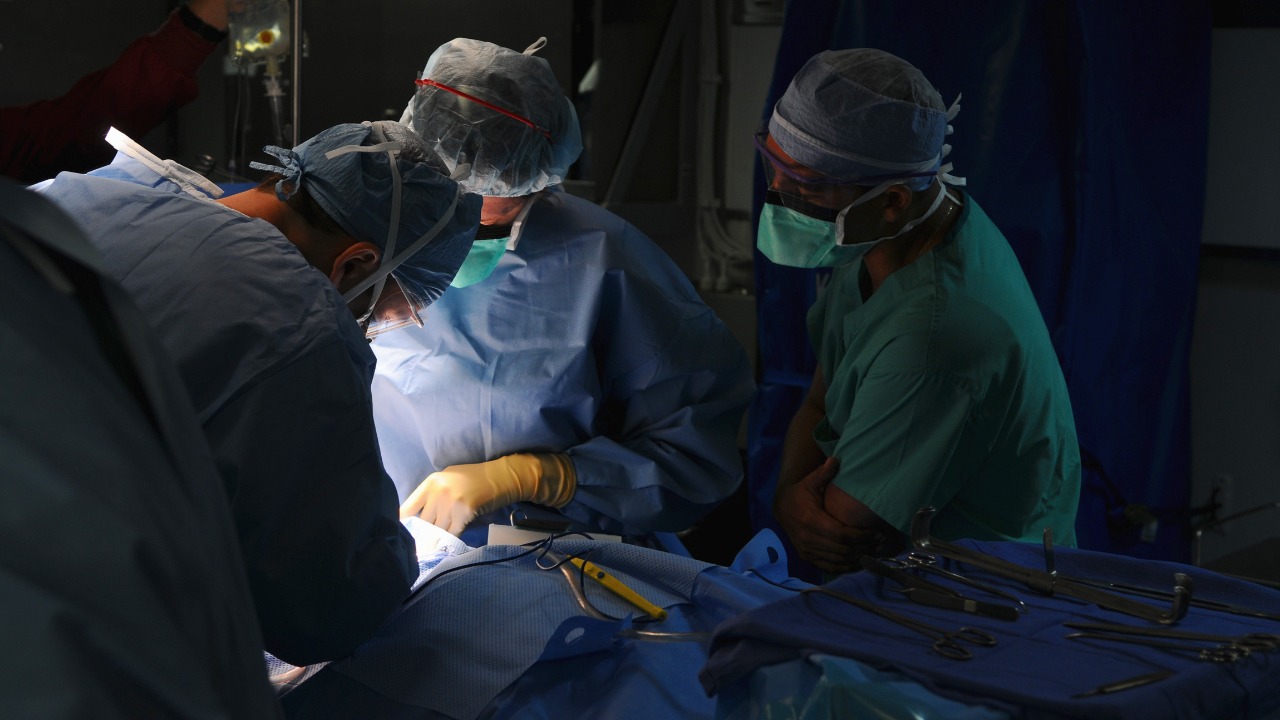
The potential benefits of cloning human organs for organ transplantation are significant. Currently, a major challenge in transplantation is the shortage of available organs, leading to long waiting lists and preventable deaths. Cloning technology could drastically reduce these waiting times by providing a consistent and reliable source of organs. Moreover, cloned organs derived from a patient’s own cells could minimize the risk of rejection, as they would be genetically identical to the recipient.
Another promising application of organ cloning is the possibility of personalized medicine. By creating organs tailored to individual patients, doctors could develop more effective treatment plans and improve patient outcomes. This level of customization could revolutionize healthcare, allowing for more precise and targeted therapies.
Despite the potential benefits, significant challenges remain in the clinical implementation of cloned organs. Ensuring the safety and efficacy of these organs is paramount, as any adverse effects could have serious consequences for patients. Additionally, integrating cloned organs into existing medical practices requires careful consideration of logistical, ethical, and legal factors. Overcoming these hurdles is essential for the successful adoption of organ cloning in mainstream medicine.
The Future of Human Organ Cloning
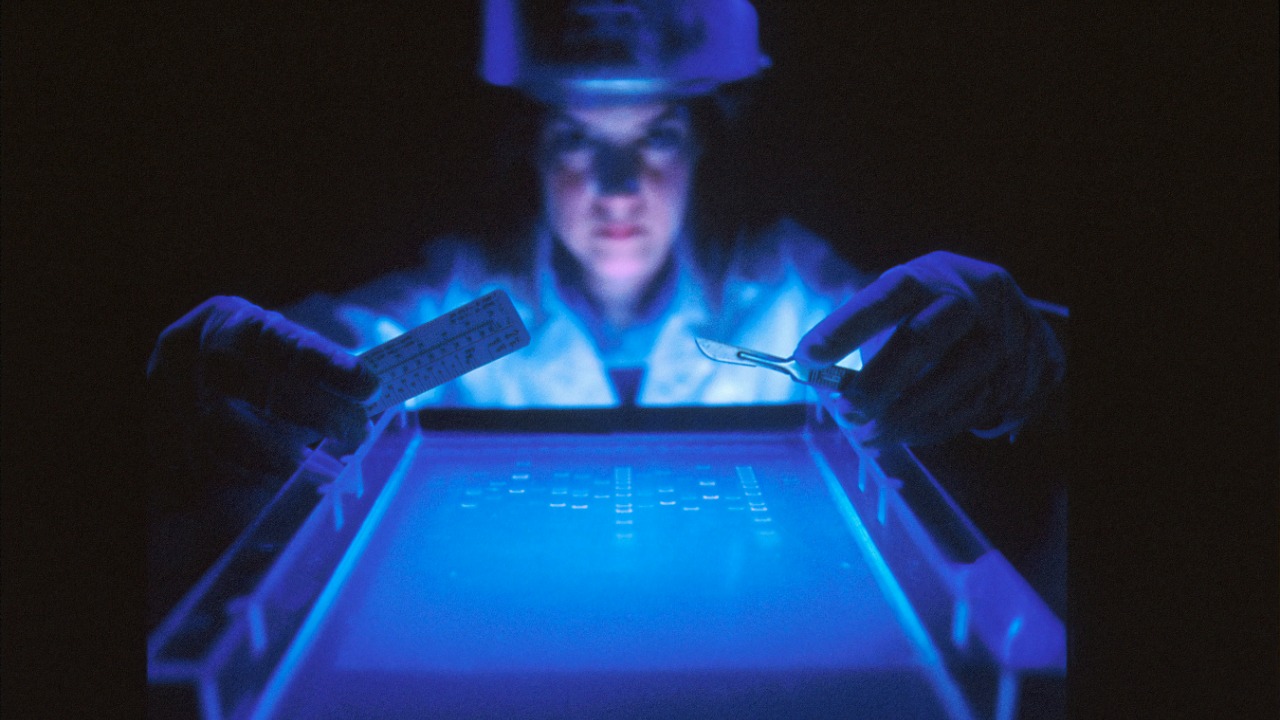
The future of human organ cloning is poised for remarkable advancements. Emerging technologies, such as CRISPR gene editing and 3D bioprinting, hold the potential to revolutionize the field by enhancing the precision and efficiency of cloning processes. These innovations could address some of the current limitations and accelerate the development of viable human organs for transplantation.
Predictions for scientific advancements suggest that overcoming the existing scientific and ethical barriers may take time, but the pace of progress is encouraging. Experts anticipate that within the next few decades, organ cloning could become a routine part of medical practice, transforming how we approach organ transplantation and personalized medicine.
The long-term societal implications of cloning human organs are profound. As the technology matures, it could lead to a transformation of healthcare systems, with more equitable access to life-saving treatments and improved patient outcomes. However, public perception and acceptance will play a crucial role in shaping the future of cloning technologies. Addressing ethical concerns and fostering informed discussions will be essential for gaining public trust and support.
