
In recent years, Elon Musk has captivated global attention not only through his electric vehicles and space ventures but also with the development of the Tesla Bot. While on the surface, this humanoid robot seems like an ambitious leap into science fiction, the motivations behind its creation are grounded in a strategic vision for the future. Delving deeper into Musk’s latest technological project reveals multifaceted reasons driving its development, ranging from labor market solutions to significant advancements in AI technology.
Revolutionizing Labor and Productivity
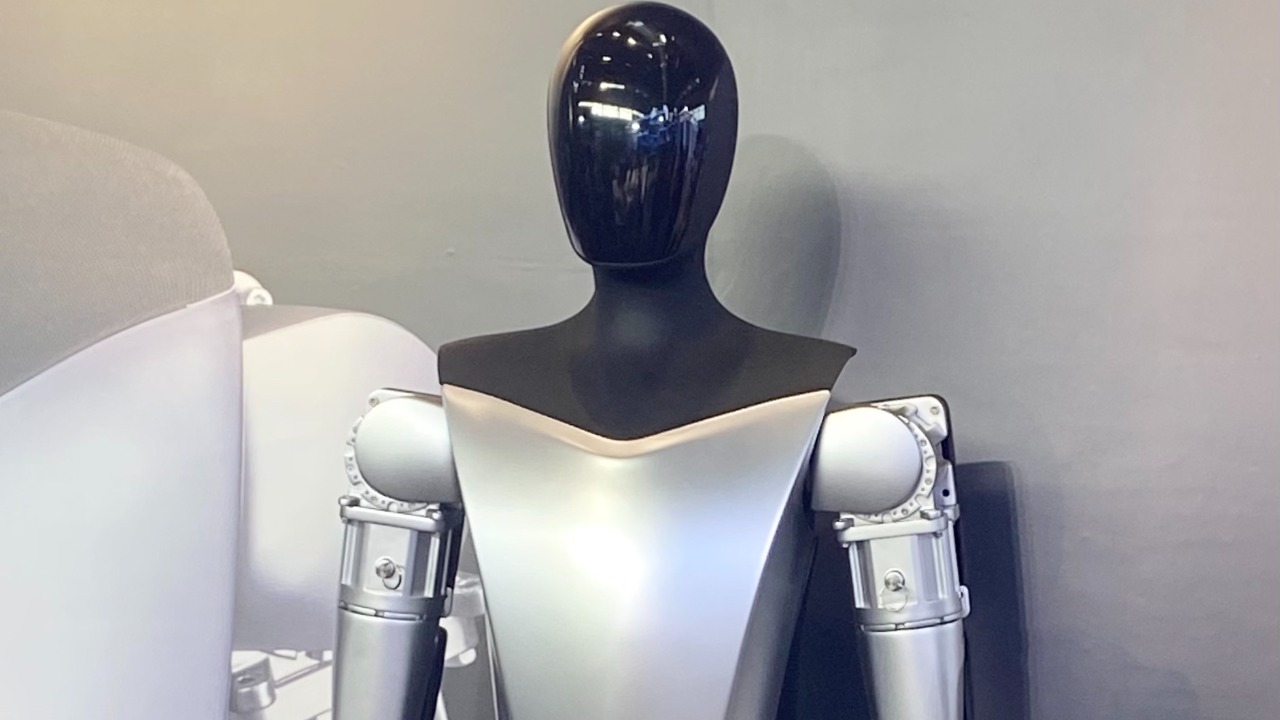
The global economy is currently grappling with labor shortages across multiple industries. From manufacturing to service sectors, finding skilled and unskilled labor has been a persistent challenge. The Tesla Bot is poised to fill these gaps by taking over roles that are either too dangerous, repetitive, or undesirable for human workers. Industries like agriculture, where labor is physically demanding and often seasonal, could significantly benefit from a humanoid robot capable of performing tasks such as picking fruits or tending crops.
Beyond addressing labor shortages, the Tesla Bot promises to enhance productivity. By automating routine and physically exhausting tasks, human workers can focus on more complex and creative aspects of their jobs. This shift not only boosts individual efficiency but also enhances overall productivity within businesses. Consider, for instance, an assembly line where Tesla Bots manage the repetitive task of fastening bolts, allowing human workers to oversee quality control and innovation processes.
The AI First Agenda
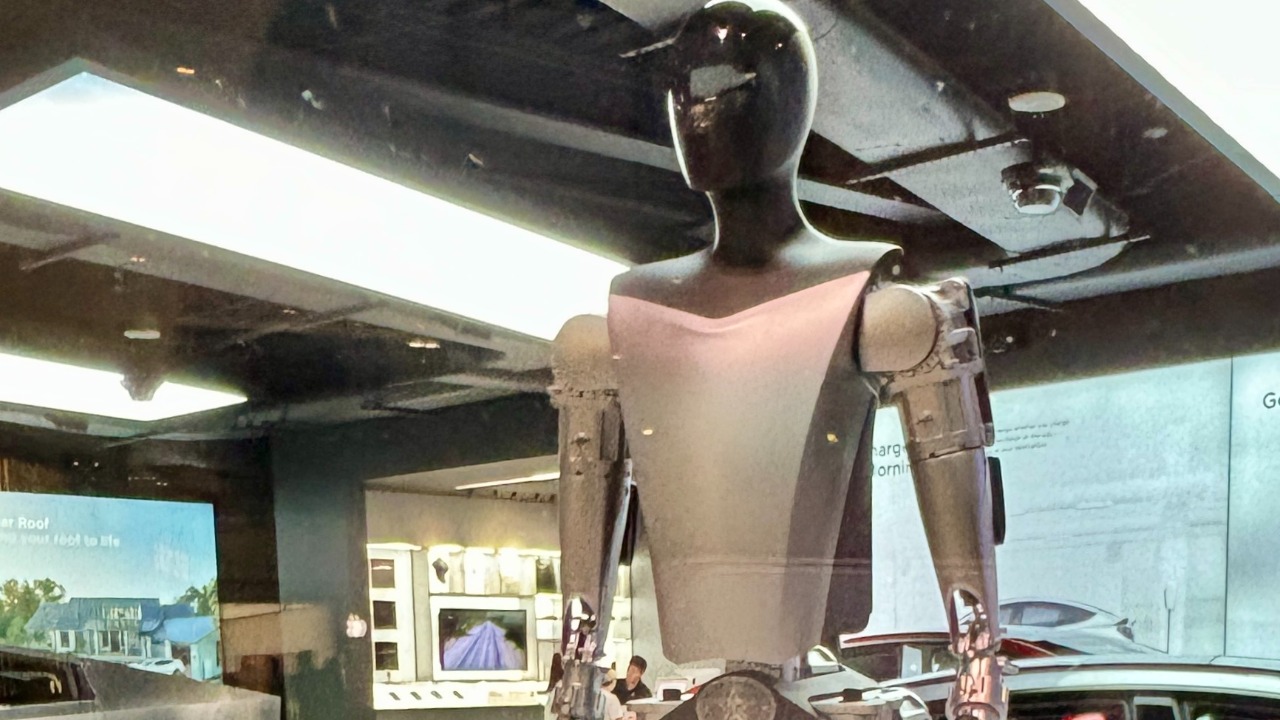
Elon Musk has been an outspoken advocate for the integration of artificial intelligence into everyday technology. The Tesla Bot is a testament to this vision, embedding advanced AI systems to operate autonomously. These systems enable the robot to learn from its environment, adapt to new tasks, and improve its performance over time. Such capabilities are vital as they allow the Tesla Bot to function effectively in dynamic and unpredictable work environments.
The AI landscape is competitive, with tech behemoths like OpenAI and Google leading the charge in AI innovation. By entering the fray, Tesla positions itself as a formidable player in the AI race. The development of the Tesla Bot not only showcases Tesla’s commitment to advancing AI technology but also sets the stage for potential collaborations or rivalries with other AI pioneers.
Strategic Business Expansion
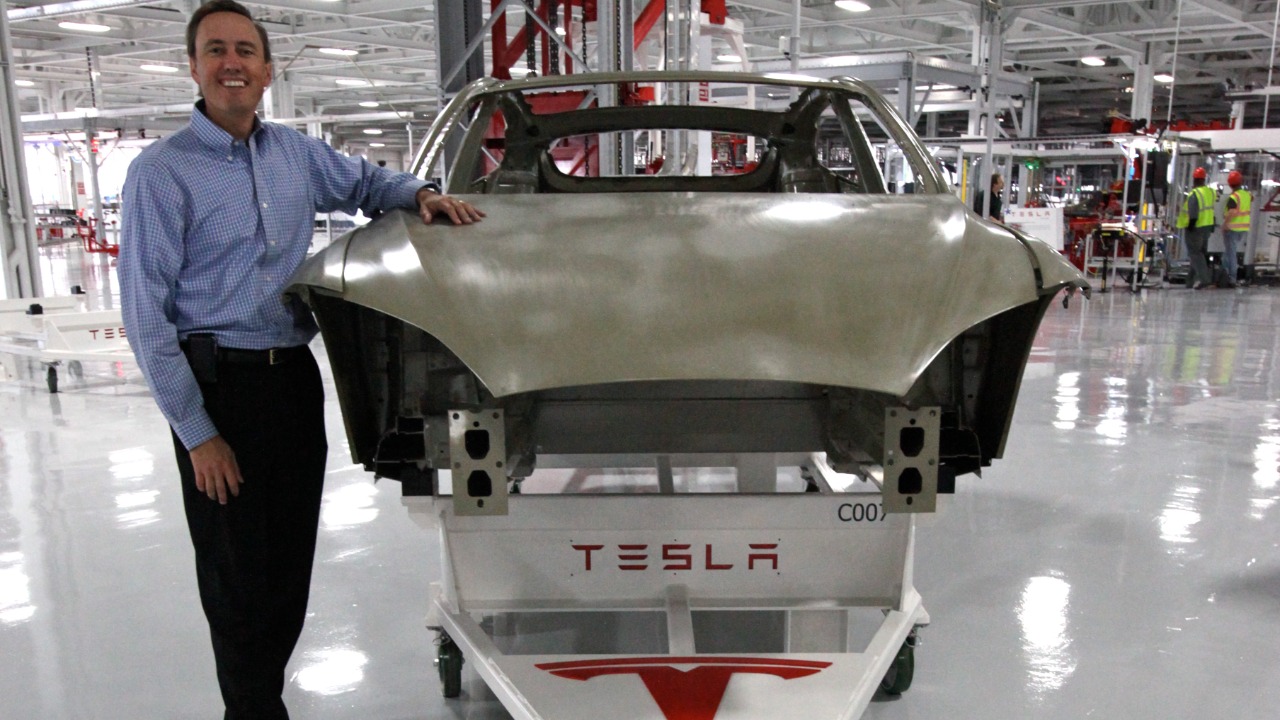
For Tesla, the creation of the Tesla Bot represents more than a technological milestone; it opens up new revenue streams beyond the automotive industry. While Tesla is renowned for its electric vehicles, expanding into robotics allows the company to diversify its portfolio and tap into the burgeoning market for automation solutions. This strategic move could yield significant financial benefits, bolstering Tesla’s financial health and investor confidence.
Moreover, the Tesla Bot strengthens Tesla’s market position as a leader in technological innovation. By being at the forefront of robotics development, Tesla not only reinforces its brand as a pioneer in cutting-edge technology but also influences global markets. This influence extends to setting industry standards and shaping consumer expectations around what is possible with autonomous machines.
Technological and Ethical Implications
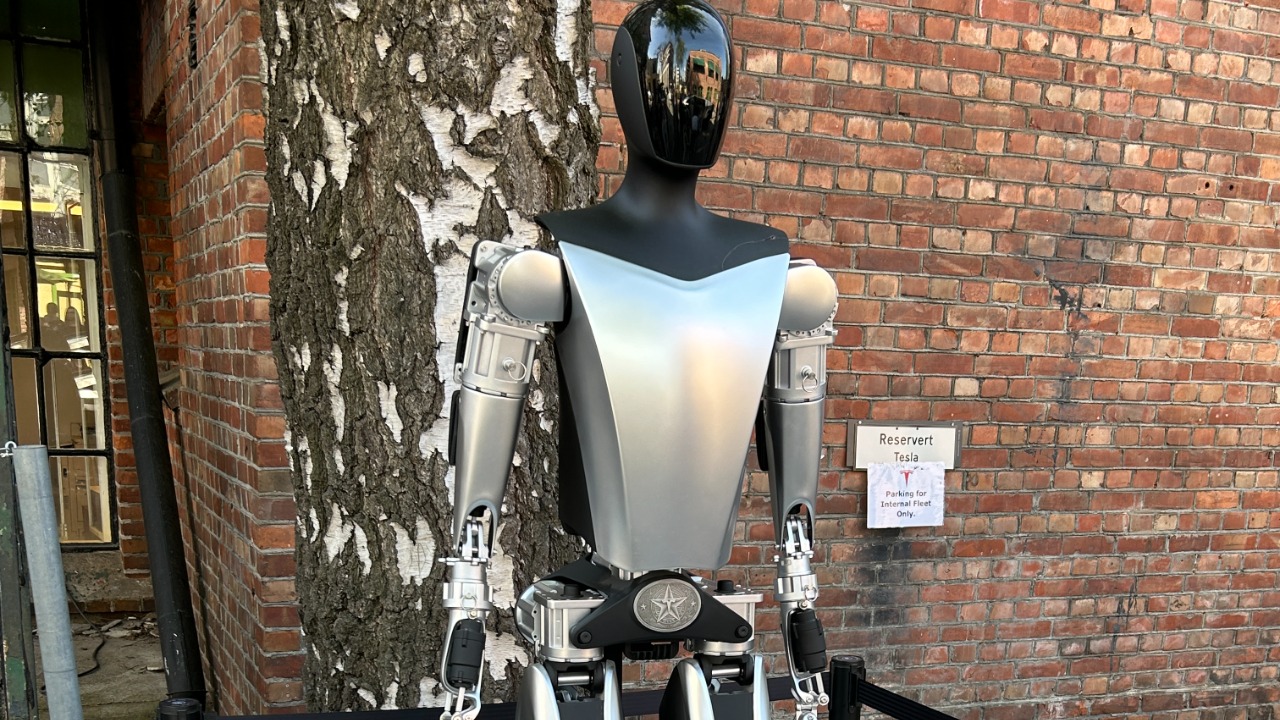
The development of the Tesla Bot necessitates significant advancements in robotics technology. Innovations in AI, sensors, and mechanical engineering are essential to create a robot that can mimic human movements and perform tasks with precision. These technological breakthroughs are pivotal in ensuring the Tesla Bot’s functionality and reliability across different applications.
However, the introduction of humanoid robots into society brings forth ethical considerations. Concerns about job displacement are at the forefront, as robots could potentially replace human workers in certain roles. Additionally, privacy issues arise with the deployment of autonomous machines capable of collecting data. Tesla must address these concerns by implementing ethical guidelines and ensuring transparency in how the Tesla Bot is used and the data it collects.
Impacts on Related Industries
The ripple effects of Tesla’s robotics ambitions are likely to be felt across various industries. The semiconductor industry, in particular, stands to gain significantly. Companies like Nvidia, which produce AI chips and processors, could see increased demand as Tesla and other robotics developers require more advanced hardware. In fact, Nvidia’s stock has already seen positive impacts from Tesla’s ambitious plans.
Beyond the tech industry, other sectors such as manufacturing, agriculture, and logistics could experience transformative changes. The introduction of the Tesla Bot may lead to more efficient production lines, smarter farming practices, and streamlined supply chain operations. As these robots become a reality, industries must adapt to the new landscape, embracing automation while balancing the human element in their operations.
