
The cosmos is a vast and fascinating expanse, filled with curiosities. Meteorites, remnants of this cosmic expanse, hurtle towards Earth carrying with them minerals that aren’t found anywhere else on our planet. Let’s delve into the world of these unusual minerals.
The Bizarre Beauty of Widmanstätten Patterns
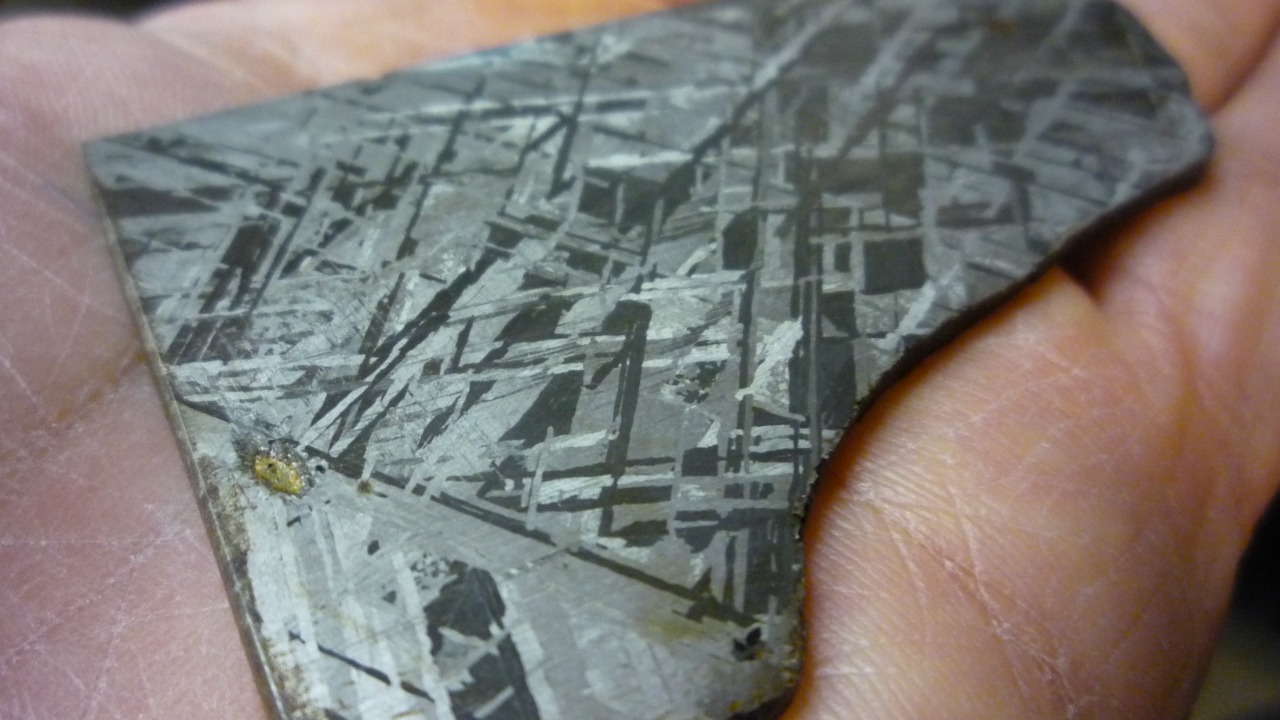
Crash-landed from outer space, meteorites often reveal beautiful, intricate structures known as Widmanstätten patterns. These patterns are formed by interweaving bands of nickel-iron crystals, unseen in terrestrial rocks. They are only revealed when the meteorite is polished and etched with acid, a process that reveals the exquisite natural design.
This incredible structure is a result of slow cooling in the zero-gravity environment of space, a process that takes millions of years. It’s a cosmic work of art, a testament to the beauty that can be found in the most unlikely of places.
The Extraordinary Existence of Pallasite
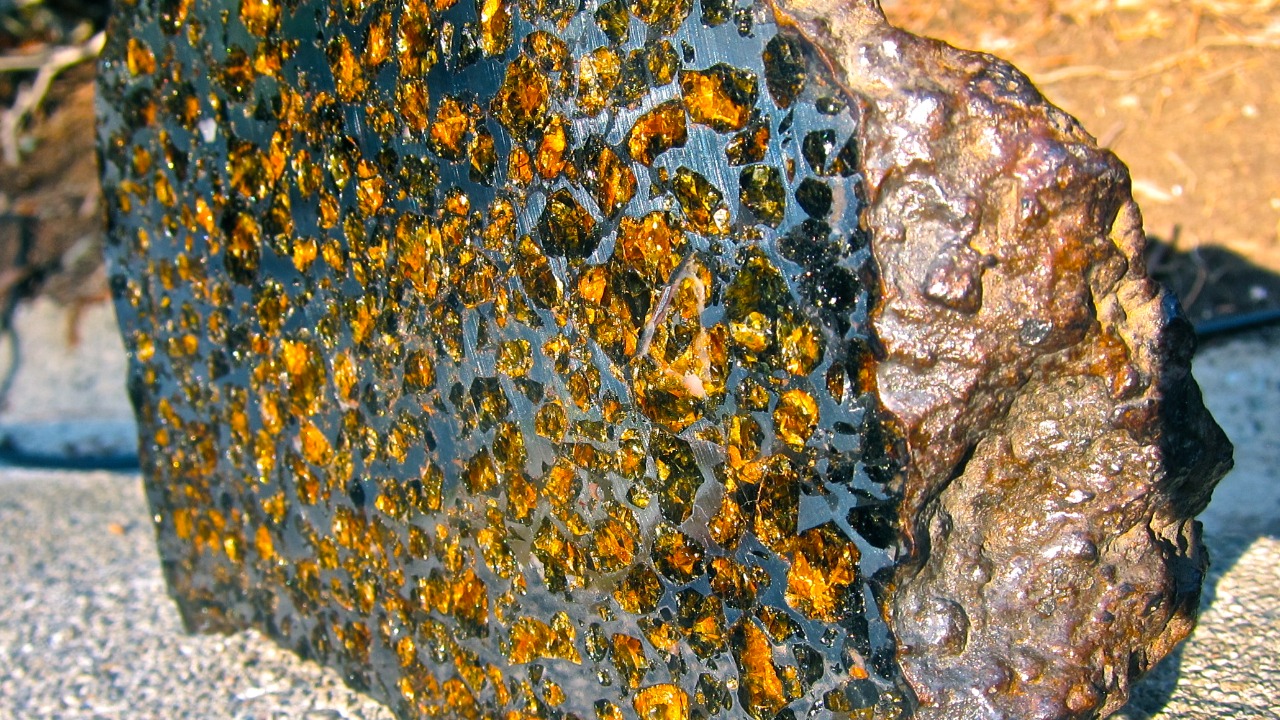
Meteorites can also reveal the extraordinary existence of pallasite, a type of stony–iron meteorite. Pallasites are composed of olivine crystals embedded in an iron-nickel metal matrix. Why is this extraordinary? Because pallasites are thought to originate from the core-mantle boundary of differentiated asteroids.
This gives us a unique insight into the interior of celestial bodies that we could never otherwise see. So, in a way, these meteorites are like cosmic postcards, offering us glimpses into the vast mysteries of the universe.
The Wonders of the Rarely Found Kamacite
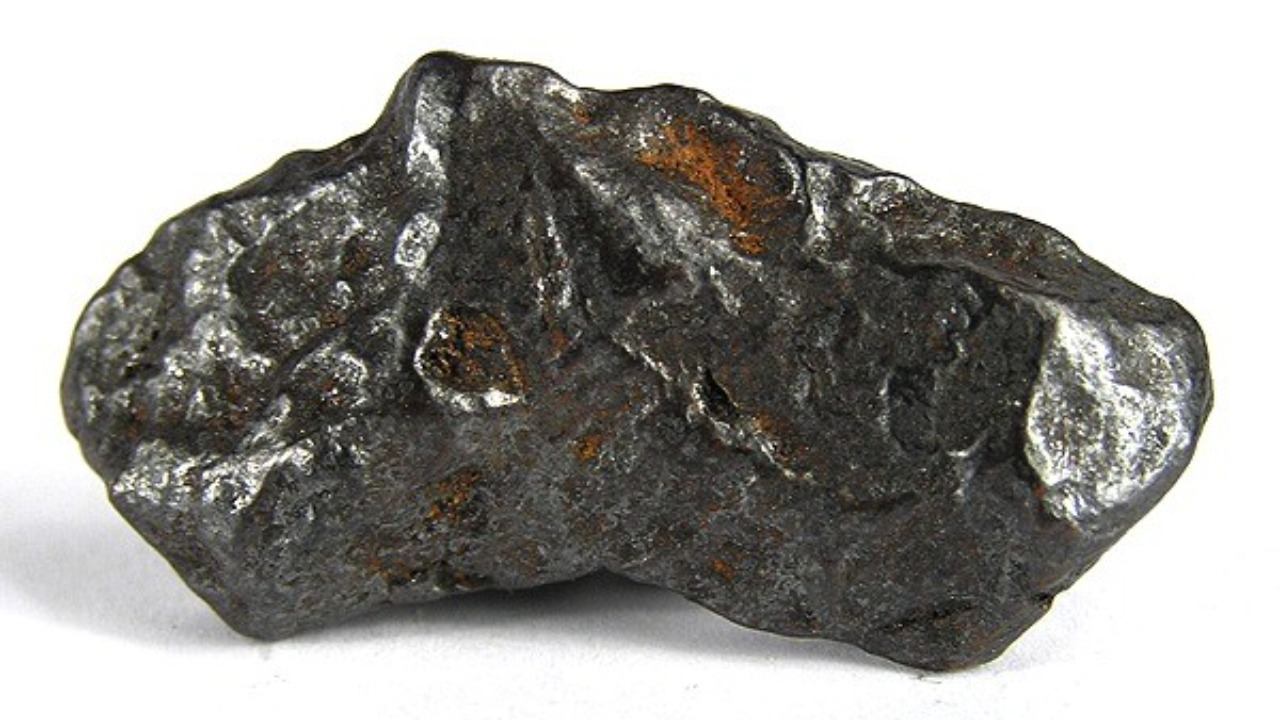
Then there’s the rarely found kamacite. This mineral, an alloy of iron and nickel, is found almost exclusively in meteorites. It forms in zero-gravity conditions, and its presence is a telltale sign of a meteorite’s extraterrestrial origin.
The largest discovered mass of kamacite, the Hoba meteorite, weighs an astonishing 60 tons. Kamacite’s resistance to weathering and corrosion makes it an enduring testament to the meteorite’s celestial journey.
The Intriguing Inclusions of Troilite
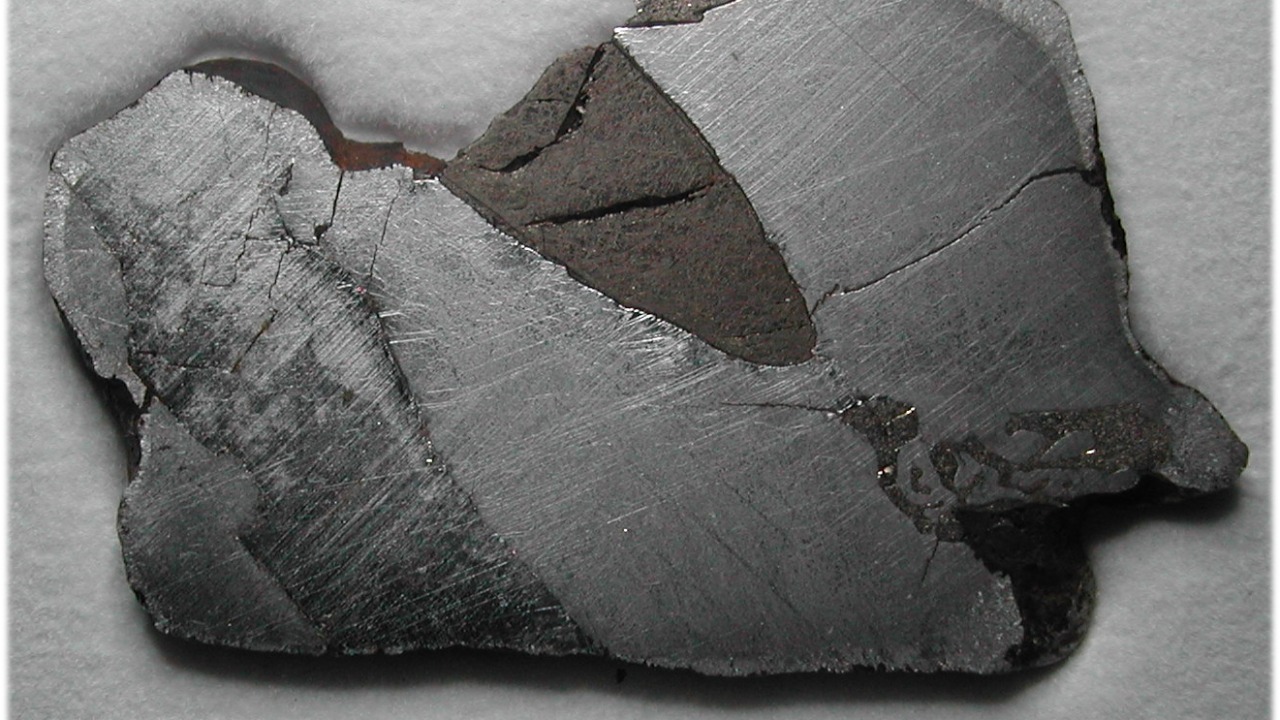
Troilite, a rare form of iron sulfide, is another mineral found in meteorites. It’s intriguing due to its absence on Earth’s surface, making meteorites the only source of this mineral. Troilite inclusions in meteorites are often associated with silicate and metal phases, giving us clues about the early solar system’s chemical environment.
Moreover, researchers have used troilite inclusions to estimate the age of meteorites, providing valuable information about the evolution of our solar system and its celestial bodies.
The Mysteries of Meteoric Iron
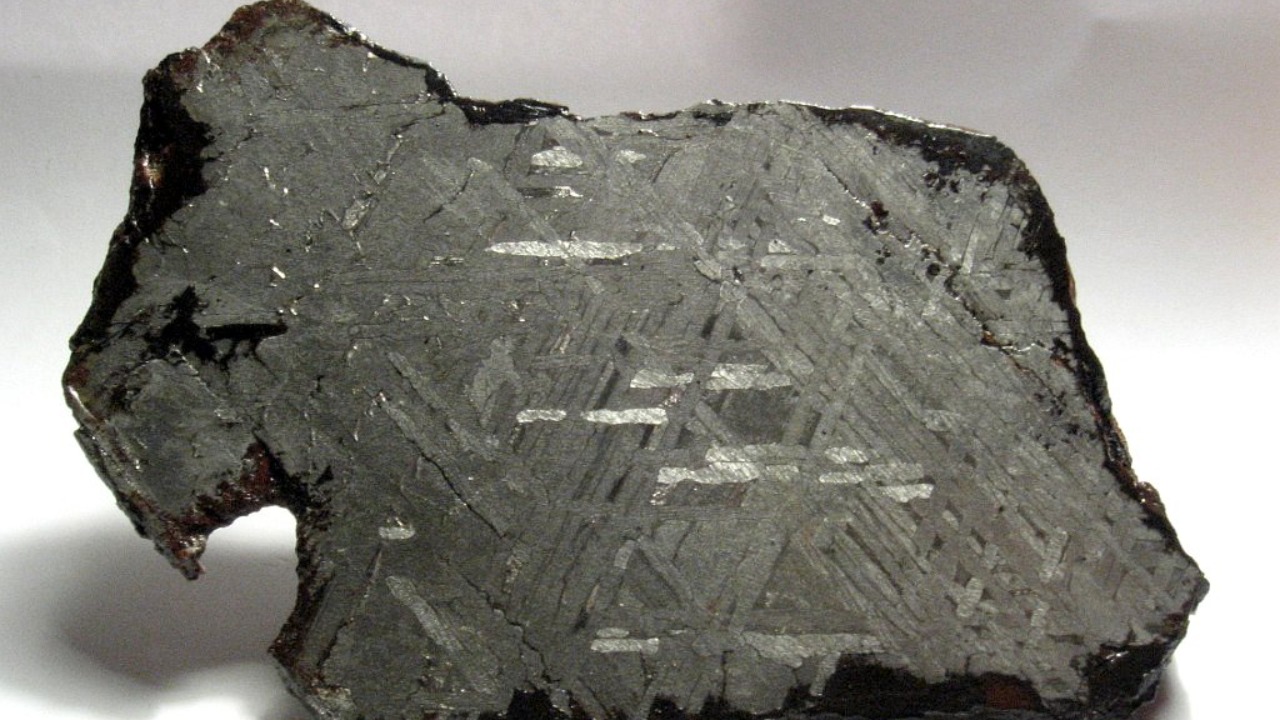
Then we have meteoric iron, a metal found only in meteorites. This mineral isn’t just scientifically interesting; it has a rich cultural history too. Ancient civilizations used meteoric iron to make weapons and tools, making it a truly cosmic resource.
Just imagine, a fallen star transformed into a tool or weapon, utilised by ancient people. The history of meteoric iron intertwines the mysteries of the cosmos with the story of human civilization.
The Cosmic Curiosity of Chondrules
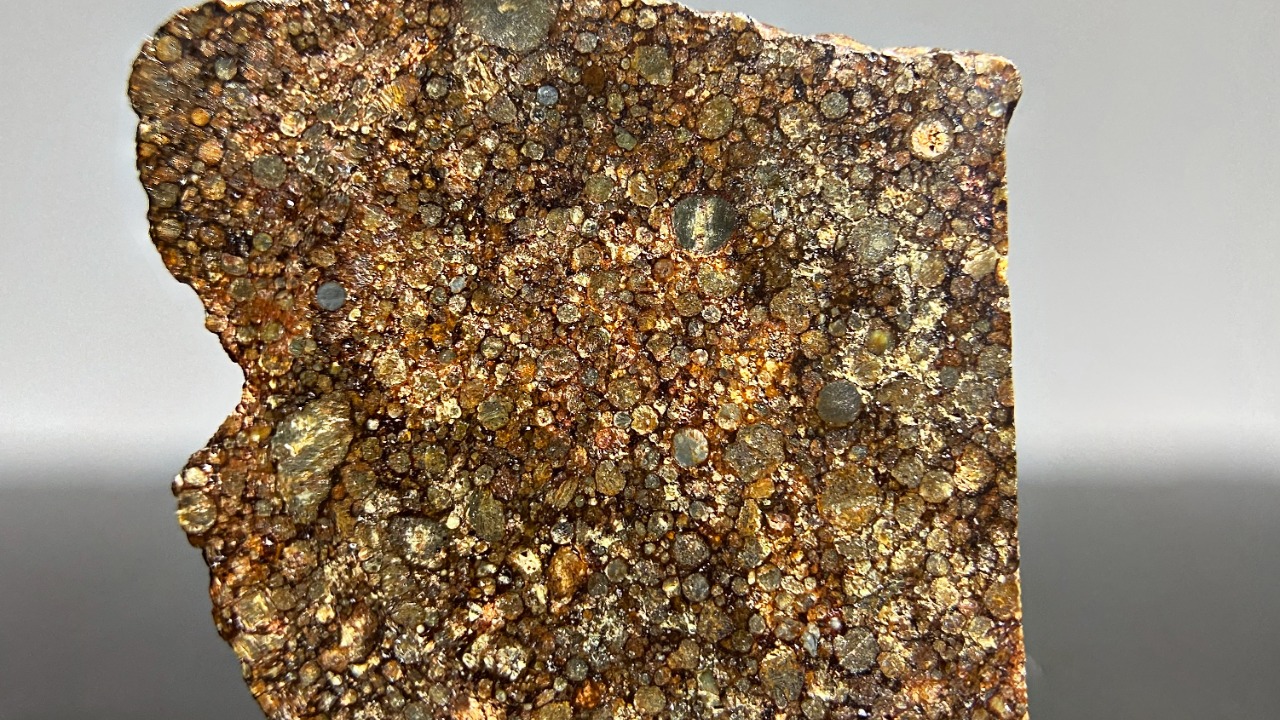
Finally, there are chondrules, small, round grains found in chondritic meteorites. These tiny spherules are among the oldest solid materials in the solar system, dating back over 4.5 billion years. Their formation remains a mystery, but they’re thought to be remnants of the early solar system.
Studies of chondrules can provide insights into the processes that led to the formation of planets and other celestial bodies. They’re like tiny time capsules, holding secrets of our cosmic past.
