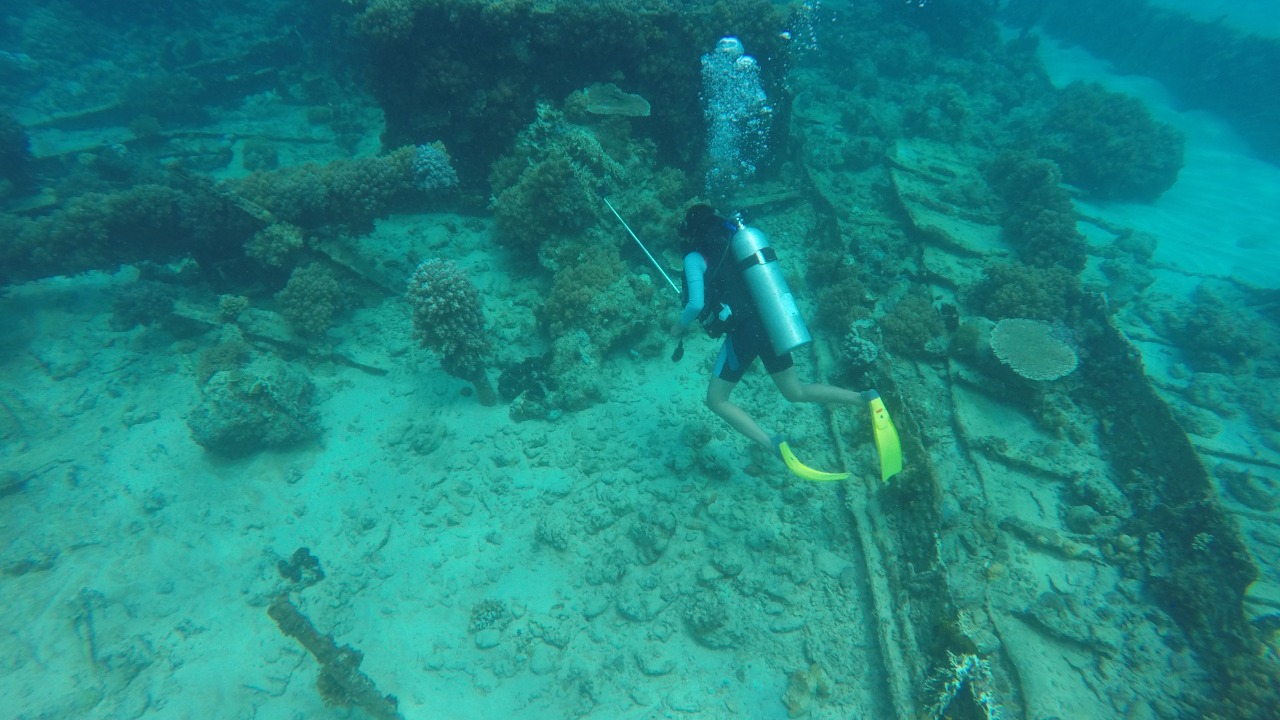
The Endurance, the ship used by Sir Ernest Shackleton for the 1914 Imperial Trans-Antarctic Expedition, is one of history’s most famous shipwrecks. Despite the survival of all 28 crew members, the ship was trapped and crushed in the pack ice of the Weddell Sea on November 21, 1915. Recent forensic analysis of the wreck, discovered intact in 2022 at 10,000 feet below the surface, reveals that the vessel was doomed from the outset due to design flaws that prioritized speed over ice resistance. This risk was acknowledged by Shackleton before departure, highlighting how the captain’s awareness of the ship’s vulnerabilities foreshadowed the disaster off Antarctica’s coast.
The Imperial Trans-Antarctic Expedition’s Ambitious Goals
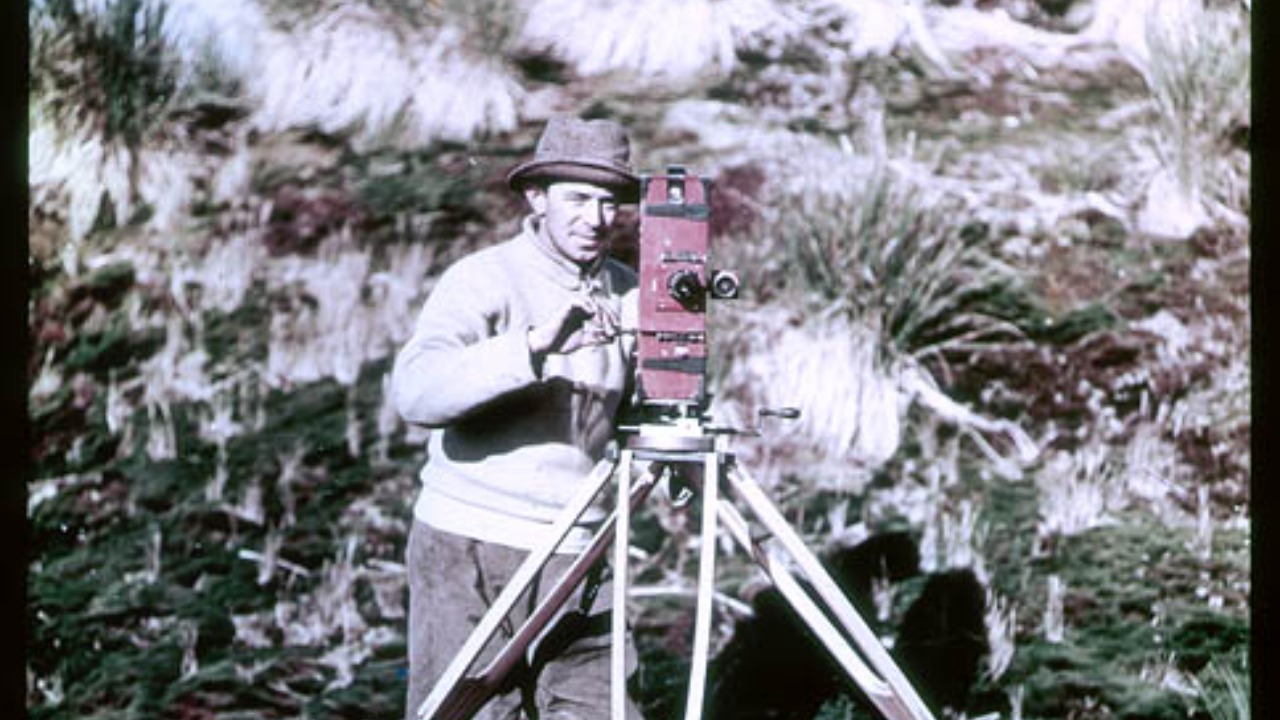
Sir Ernest Shackleton’s plan for the Imperial Trans-Antarctic Expedition was ambitious. He aimed to cross Antarctica on foot from the Weddell Sea to the Ross Sea, a 1,800-mile journey that would have marked the first continental traverse. The Endurance was tasked with depositing supplies at 83° South latitude before returning to base [source]. The expedition departed from Plymouth, England, on August 8, 1914, with 28 men on board, including key officers such as Frank Worsley as captain and Tom Crean as second officer. Despite the outbreak of World War I, Shackleton offered to halt the voyage, but was urged to proceed by Winston Churchill [source].
The expedition adopted a two-pronged approach. While the Aurora was assigned to the Ross Sea party to lay depots, the Endurance was responsible for the Weddell Sea landing. This strategy, however, presented logistical challenges such as coal shortages and difficulties in navigating through the ice [source].
Design and Construction of the Endurance
The Endurance was a three-masted barque built in 1912 by Christian Jacobsen at the Framnæs Shipyard in Norway. The ship was 140 feet long and had a steel hull designed to withstand ice. However, it was optimized for speed at 10 knots rather than for resisting heavy polar crushing forces [source]. The ship’s design was influenced by its Norwegian whaler heritage, featuring a rounded hull shape to push through ice. However, it lacked reinforced framing to withstand prolonged pressure. This was confirmed by the 2022 wreck scans, which showed buckling at the bow due to inferior rivet quality in stressed areas [source].
The vessel, which cost £25,000 and was funded by private backers, had interiors that included a darkroom for photographer Frank Hurley and a wardroom for officers. However, it had structural weaknesses such as thinner plating amidships. Recent modeling predicts that these areas would fail under 50 psi ice pressure [source].
Shackleton’s Pre-Voyage Awareness of Risks
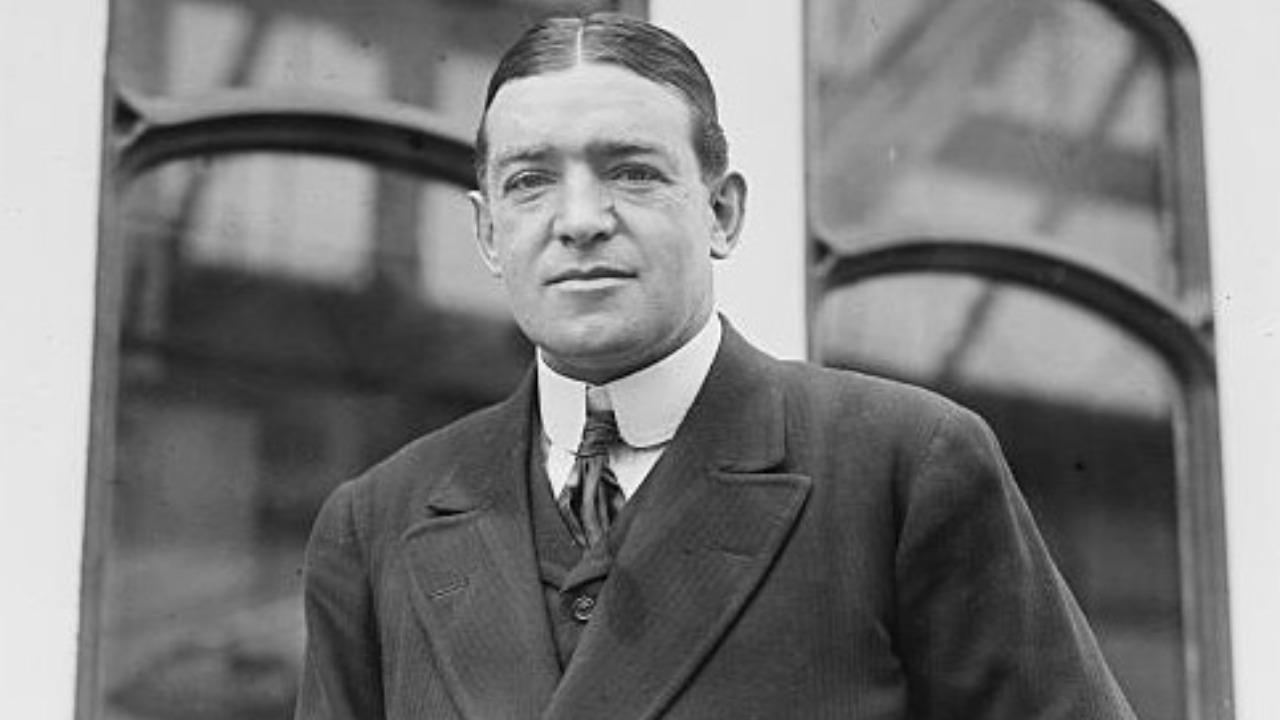
Before the voyage, Shackleton consulted with experts such as Norwegian explorer Roald Amundsen, who had successfully reached the South Pole in 1911. Amundsen warned Shackleton about the dangers of the Weddell Sea ice. Despite this, Shackleton decided to reinforce the Endurance’s hull, fully aware of its limitations in such conditions [source]. In his expedition plans, Shackleton stated, “The ship is not built for the heaviest ice,” indicating his deliberate choice to prioritize mobility over full polar fortification. This sentiment was echoed in his book South, where he reflected on the gamble he had taken [source].
There were delays in the voyage, including a stop in Buenos Aires for modifications such as added propeller guards. These changes show Shackleton’s proactive but insufficient efforts to mitigate the known design flaws before entering Antarctic waters [source].
Navigating into the Weddell Sea Trap
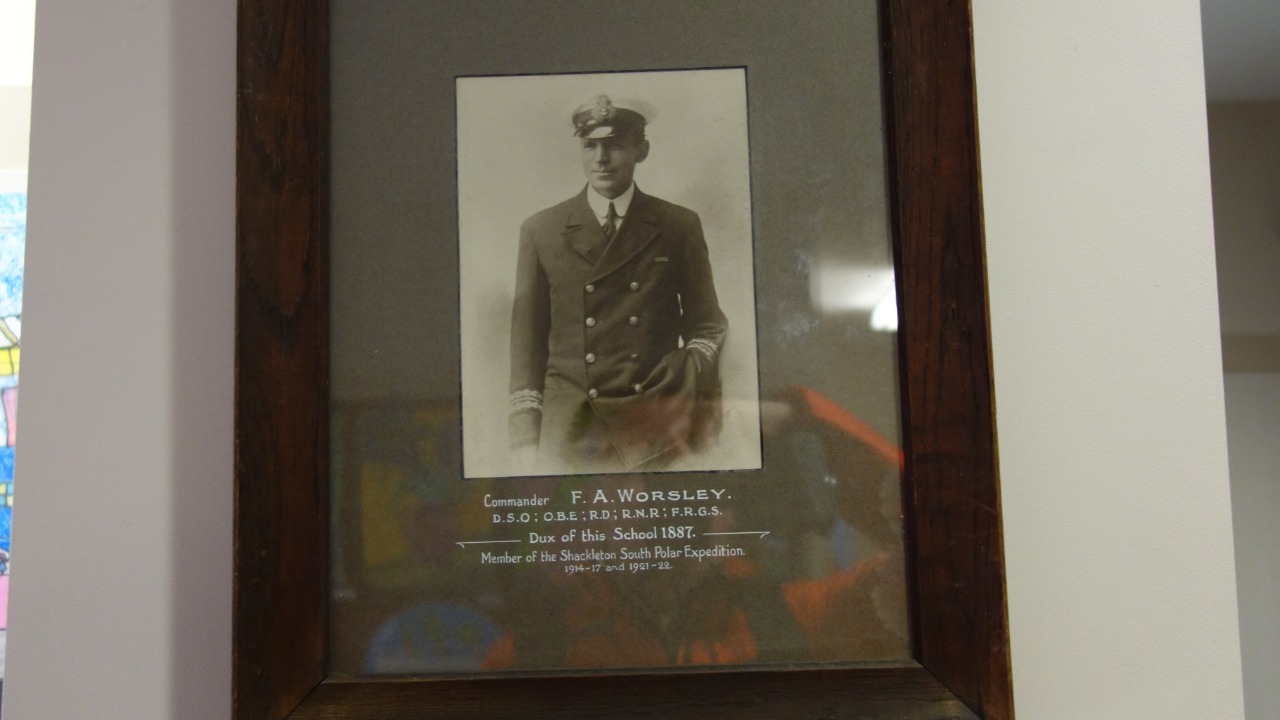
After leaving South Georgia Island on December 5, 1914, the Endurance pushed southward into thickening pack ice by January 1915. Captain Frank Worsley maneuvered the ship through leads but encountered unyielding floes at 76°34′ South [source]. The ship was immobilized on January 19, 1915, 200 miles from the continent. The crew resorted to dog-sled training and ice parties while the vessel drifted northwest in the Weddell Sea gyre, far from its intended landing at Vahsel Bay [source].
Early signs of strain were evident as early as February 1915, with the ship’s timbers groaning under the pressure of the ice. In his journal, Shackleton noted the ship’s “doomed” trajectory, which mirrored his pre-expedition fears [source].
The Crushing and Sinking of the Endurance
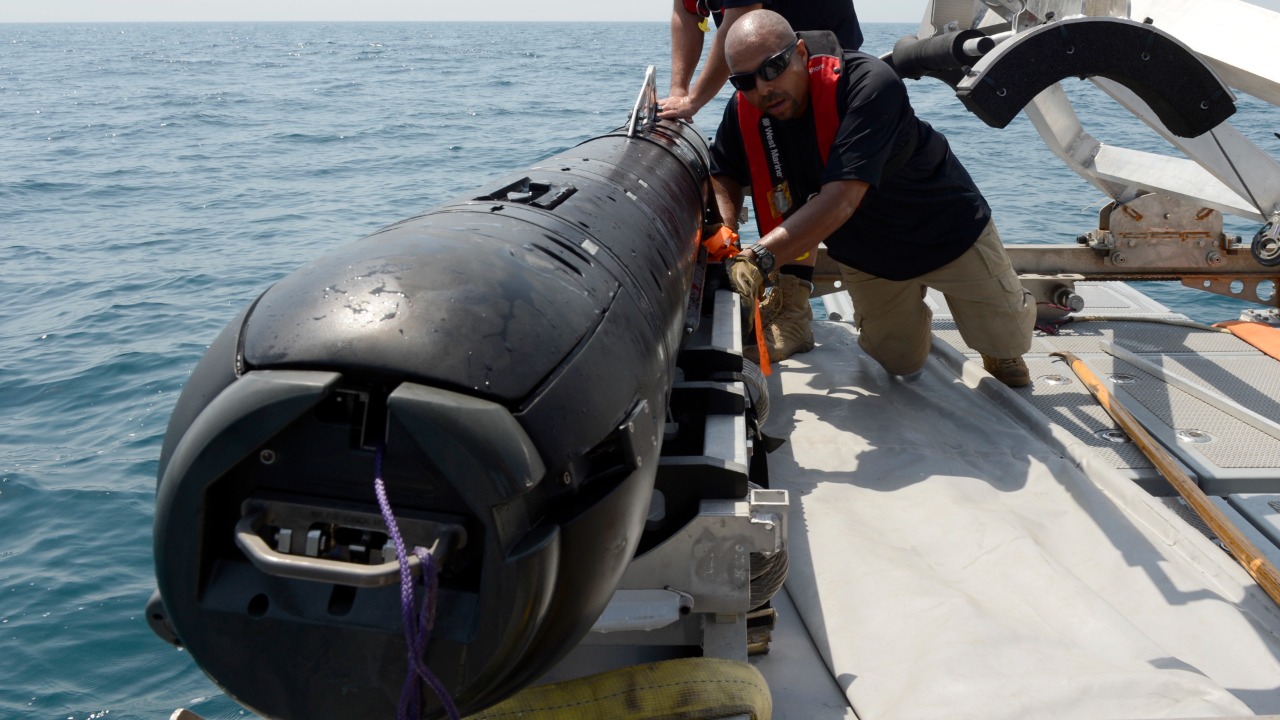
The situation escalated on October 24, 1915, when ice floes closed in on the ship. The pressure raised the ship onto a ridge and caused the plates to buckle. By November 21, 1915, the hull had split along the seams at coordinates 69°05′ South, 51°30′ West [source]. The 2022 expedition by the Falklands Maritime Heritage Trust used submersibles to reveal that the wreck was in an upright position with the main mast collapsed but no major corrosion. This confirmed that the ship had failed due to design flaws under 100 tons of ice force per square foot, rather than rot or collision [source].
The crew evacuated to the ice, salvaging six weeks’ provisions and three lifeboats, including the James Caird. The ship slipped under the ice on November 21, 1915, exactly as Shackleton had anticipated from its build [source].
Aftermath and the Crew’s Survival Saga
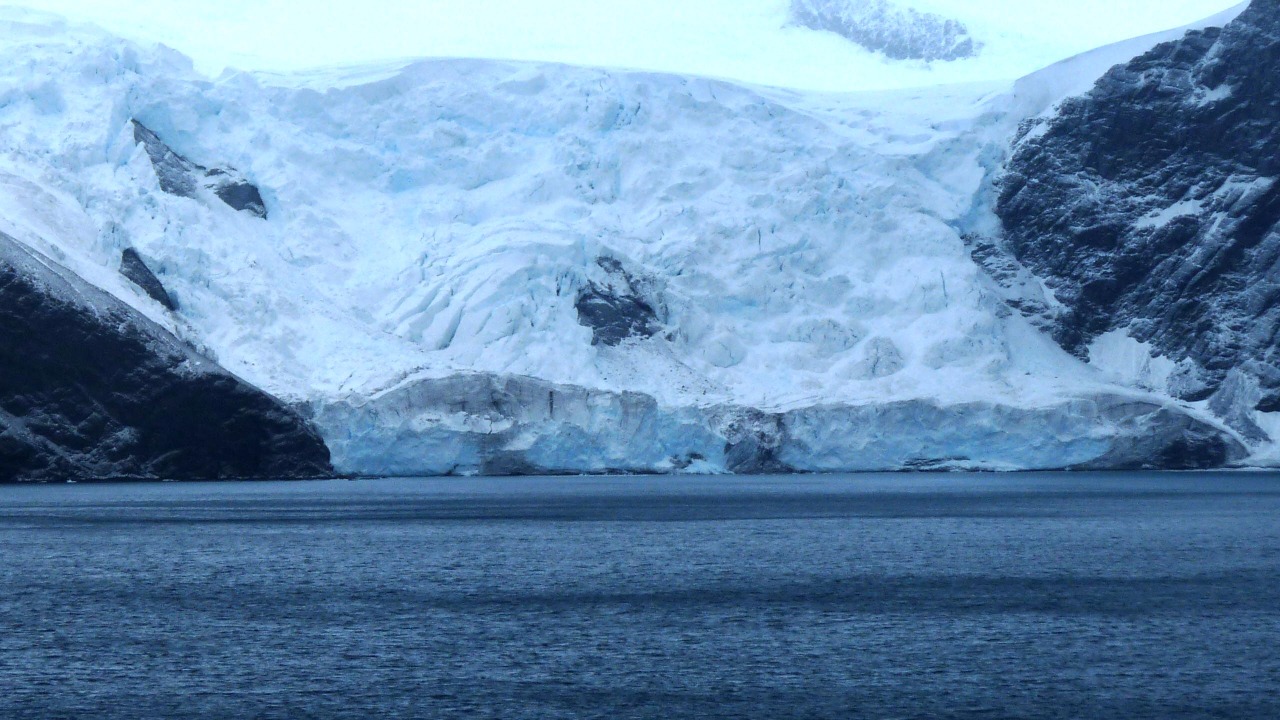
The crew drifted on ice floes for five months. Shackleton maintained morale by organizing routines such as football games. On April 9, 1916, they launched lifeboats and reached Elephant Island after seven days of battling 80-foot seas [source]. Shackleton then embarked on an epic 800-mile open-boat voyage in the James Caird to South Georgia. From April 24 to May 10, 1916, he navigated without charts and scaled mountains to rescue the stranded 22 men on August 30, 1916, without any fatalities [source].
The ship’s early doom amplified Shackleton’s leadership legend. Crew testimonies, such as those from Frank Hurley, emphasized the captain’s calm demeanor despite his foreknowledge of the vessel’s inadequacies [source].
Modern Analysis and Legacy of the Wreck
The Endurance was discovered in 2022 by Mensun Bound’s expedition using Kongsberg Maritime sonar. The ship was located at 69°38.50′ South, 51°39.62′ West, in remarkably preserved condition. This allowed for detailed imaging of the fatal structural weaknesses [source]. The discovery has significant implications for the history of polar exploration. Experts like marine archaeologist Hans Christian Bjørnstad concluded that the ship’s whaler design was mismatched for the Weddell Sea’s “vicious” ice, validating Shackleton’s pre-voyage concerns [source].
The wreck is now protected under UNESCO guidelines, preventing disturbance. It also plays a role in inspiring current climate studies on Antarctic ice dynamics that echo the 1915 entrapment conditions [source].
