The ancient Egyptians are often celebrated for their monumental architecture and art, but their technological prowess is equally impressive. From advanced medical practices to sophisticated engineering, the secrets of ancient Egyptian technology reveal a civilization that was far ahead of its time. We will explore the ingenious innovations and technologies that defined ancient Egypt and their lasting impact on the world.
The Marvels of Ancient Egyptian Engineering
Pyramids and Monumental Structures
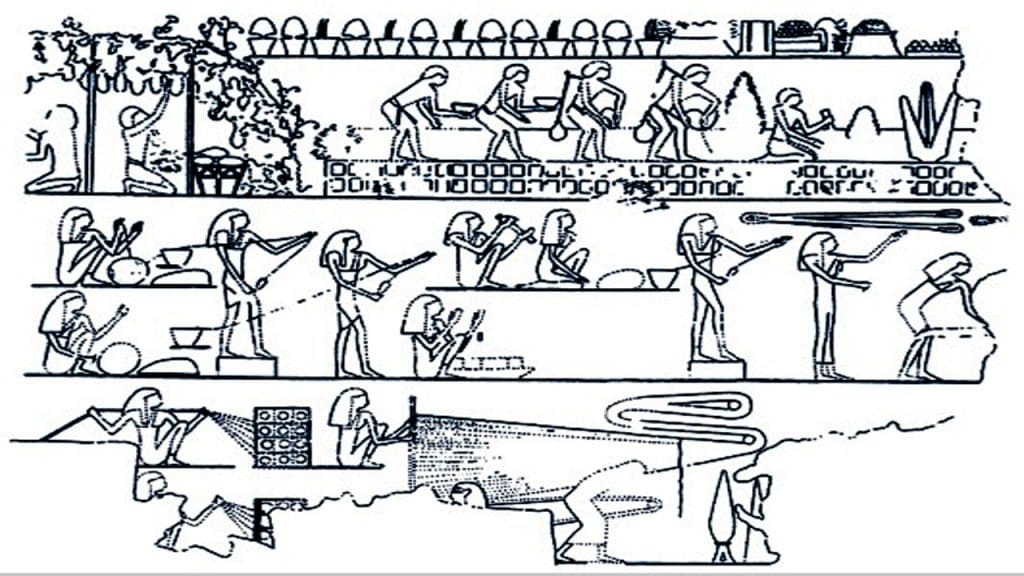
The construction of the pyramids remains one of the most remarkable feats of engineering from ancient times. The Egyptians employed innovative techniques to build these monumental structures, utilizing simple yet effective tools. Levers, sledges, and ramps were among the tools used to move massive stone blocks that weighed several tons. The precision with which these stones were cut and placed continues to fascinate modern engineers and historians alike. The Great Pyramid of Giza, for instance, is a testament to the ingenuity and skill of ancient Egyptian builders.
Moving these colossal stones required a deep understanding of physics and engineering. The Egyptians likely used a combination of wet sand and wooden sledges to reduce friction and facilitate the movement of these stones over long distances. This method is supported by archaeological evidence and experimental archaeology, offering insights into the advanced state of Egyptian engineering.
Irrigation and Agriculture
The development of irrigation systems along the Nile River was crucial for supporting Egypt’s growing population. The Egyptians constructed an intricate network of canals and basins that allowed them to control the flooding of the Nile and distribute water to their fields. This system enabled the cultivation of a variety of crops, including wheat, barley, and flax, which were staples of the Egyptian diet.
Agricultural innovations went beyond irrigation. The Egyptians developed tools such as the shaduf and the plow, which increased agricultural efficiency. The shaduf, a simple hand-operated device, allowed farmers to lift water from the Nile to irrigate their fields. This combination of tools and techniques helped sustain a society that was heavily reliant on agriculture.
Medical Practices and Innovations
Advanced Medical Knowledge
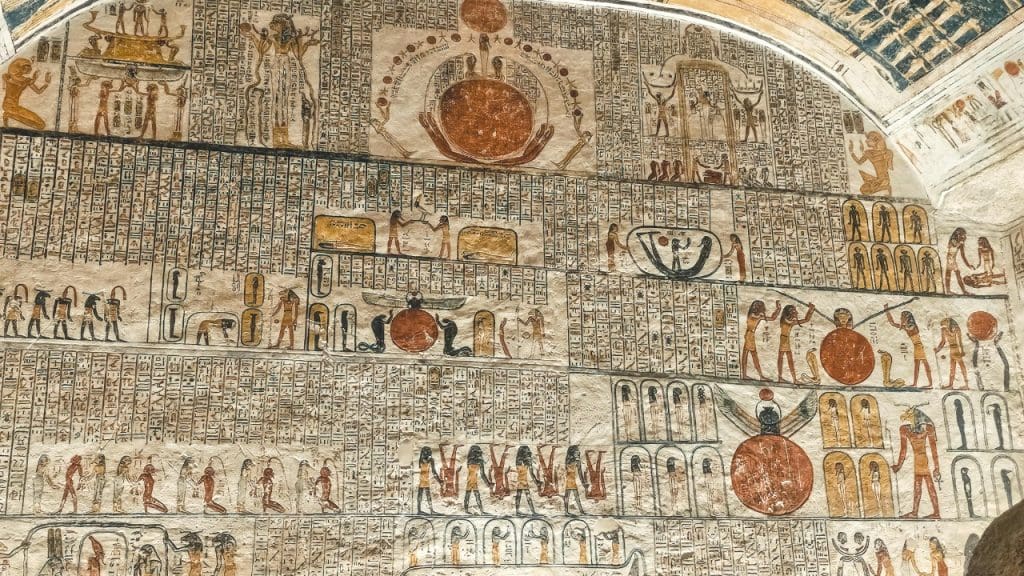
Ancient Egyptian medical practices were surprisingly advanced, as evidenced by surviving medical texts such as the Ebers Papyrus. These documents reveal a wealth of knowledge about anatomy, disease, and treatment. Egyptian physicians were skilled in diagnosing and treating a wide range of ailments, from broken bones to internal injuries. Their understanding of the human body was far beyond what might be expected for their time.
Specific surgical procedures, such as trepanation and the treatment of fractures, were documented and practiced by Egyptian physicians. Their use of antiseptics and surgical instruments demonstrates a sophisticated approach to medicine that laid the groundwork for future medical advancements.
Herbal Medicine and Pharmaceuticals
The use of herbs and natural remedies was an integral part of Egyptian medicine. Physicians utilized a variety of plants to create treatments for different conditions. For example, they used honey as an antiseptic and willow bark for its pain-relieving properties, similar to modern aspirin. The preparation and administration of these remedies were often overseen by apothecaries, who played a vital role in the Egyptian healthcare system.
Apothecaries were responsible for sourcing, preparing, and dispensing medicinal compounds. Their work helped establish a tradition of herbal medicine that influenced later cultures and persists in some form today. The knowledge preserved in texts like the Ebers Papyrus continues to offer insights into ancient Egyptian medical practices.
The Art of Metallurgy and Craftsmanship
Bronze and Copper Tools
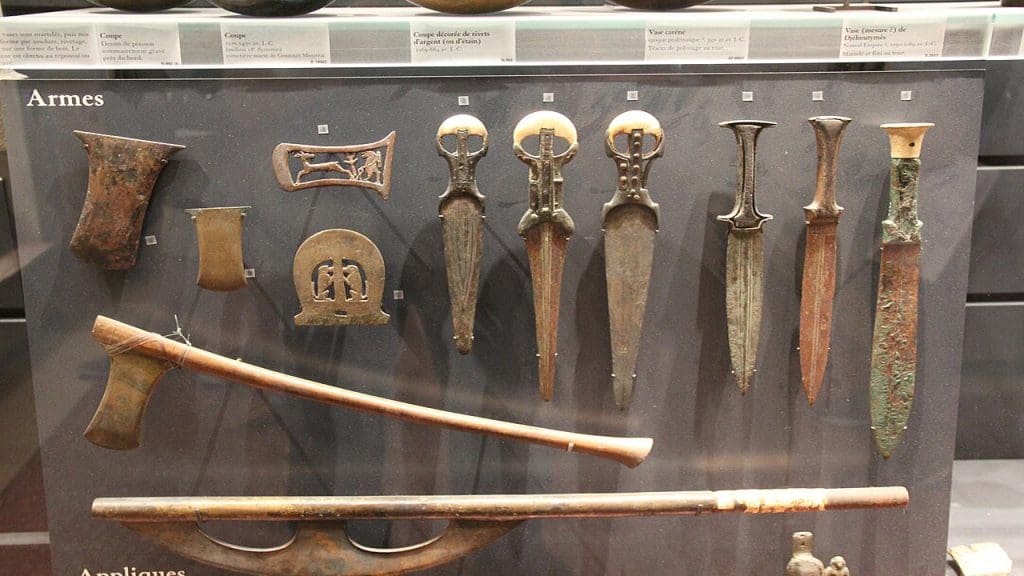
The Egyptians were adept at working with metals such as copper and bronze, which were essential for producing tools and weapons. Smelting techniques allowed them to extract metals from ores and shape them into a variety of implements. Copper, in particular, was used to create chisels, saws, and other tools that were crucial for construction and craftsmanship.
Bronze, an alloy of copper and tin, offered additional strength and durability, making it ideal for weapons and armor. The production of these metal goods was a highly skilled craft, with workshops dedicated to the creation of everything from household items to weapons of war.
Jewelry and Ornamentation
The Egyptians were renowned for their ability to create elaborate jewelry and ornamentation. Gold, precious stones, and other materials were crafted into intricate designs that held both aesthetic and symbolic significance. Jewelry served not only as adornment but also as a means of displaying wealth and status.
Gold, in particular, was highly prized and used extensively in the creation of jewelry. The craftsmanship involved in shaping and decorating these pieces was exceptional, reflecting the Egyptians’ deep appreciation for beauty and artistry. Such skills in metallurgy and craftsmanship were integral to Egyptian culture and influenced neighboring civilizations.
Astronomy and Timekeeping
Celestial Observations
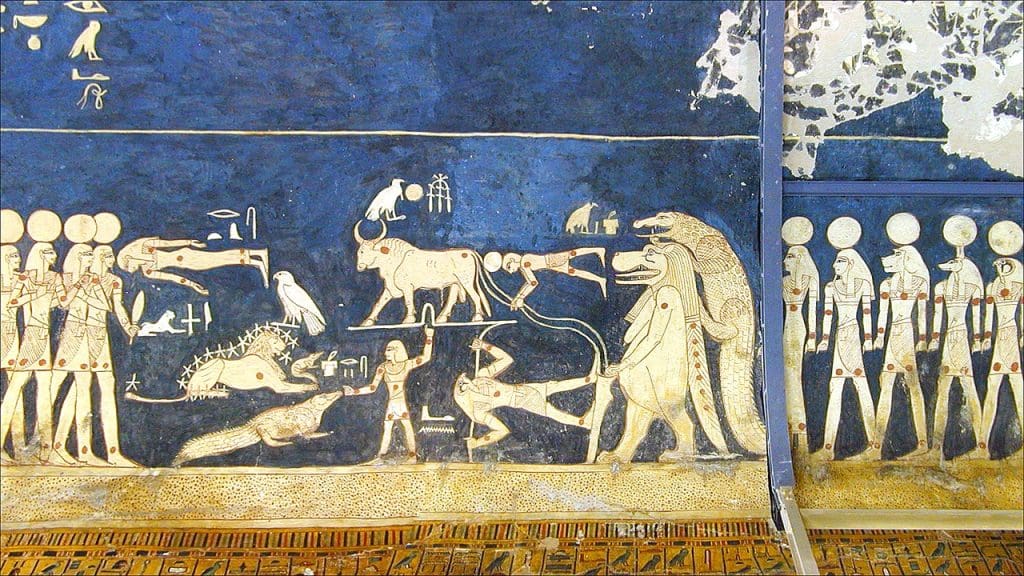
The ancient Egyptians possessed a profound understanding of astronomy, which played a critical role in their society. They observed the stars and planets, using this knowledge for navigation and to mark the passage of time. The alignment of the pyramids with specific stars demonstrates their advanced grasp of celestial phenomena.
By observing the night sky, the Egyptians developed a calendar system that was remarkably accurate. They recognized the importance of astronomical events, such as the heliacal rising of Sirius, which signaled the onset of the Nile flood and the beginning of the agricultural year.
Calendrical Systems
The development of the Egyptian calendar was a significant achievement, providing a reliable means of organizing time. The calendar consisted of 12 months of 30 days each, with an additional five days added at the end of the year. This system was not only useful for agricultural planning but also had religious and ceremonial significance.
The accuracy of the Egyptian calendar influenced later cultures, including the Greeks and Romans. Its structure served as a foundation for other calendrical systems, highlighting the broader impact of Egyptian knowledge on subsequent civilizations.
Legacy and Influence of Egyptian Technology
Impact on Later Civilizations
The technological advancements of ancient Egypt had a lasting impact on later civilizations. The Greeks and Romans, in particular, were influenced by Egyptian innovations in areas such as medicine, engineering, and astronomy. The preservation and transmission of Egyptian knowledge through texts and artifacts allowed these advancements to be integrated into other cultures.
Egyptian technology continued to be studied and appreciated throughout history, with scholars and historians working to uncover and understand the full extent of their achievements. Recent research highlights the depth of Egyptian influence on later societies.
Modern Discoveries and Insights
Archaeological findings continue to provide new insights into ancient Egyptian technology. Modern technology, such as scanning and imaging techniques, has revealed previously hidden aspects of Egyptian life and innovation. For example, scans of mummies have uncovered details about medical practices and the materials used in embalming.
These discoveries not only enrich our understanding of ancient Egyptian society but also demonstrate the enduring fascination and relevance of their technological achievements. As we continue to explore and study the remains of this remarkable civilization, we gain a deeper appreciation for the ingenuity and creativity of the ancient Egyptians.
