Hidden beneath the surface of our planet are mysterious caves that remain largely unexplored, holding secrets of potential life forms yet unknown to science. Recent discoveries have sparked interest in one such cave that may harbor unique organisms, offering a glimpse into Earth’s hidden biodiversity and the mysteries that lie beneath.
The Discovery of the Secret Cave
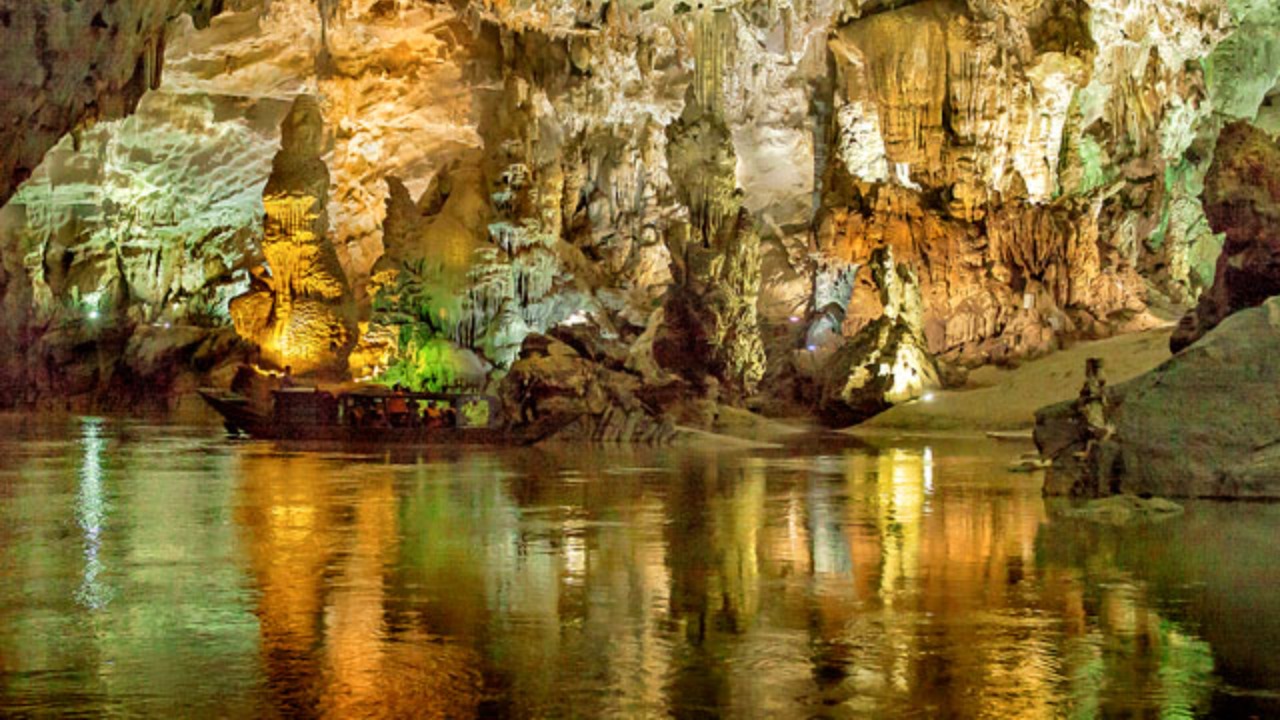
The cave that has captured the scientific community’s attention is located in the remote regions of Vietnam’s Phong Nha-Kẻ Bàng National Park. Known as Hang Sơn Đoòng, it was initially discovered by a local farmer in 1991 but remained largely unexplored until a British caving expedition in 2009. The sheer scale of the cave, which includes a river and a jungle within its confines, makes it one of the most significant natural wonders on Earth.
The exploration of Hang Sơn Đoòng has been made possible by technological advances that include the use of drones and advanced 3D mapping techniques. These tools allow researchers to navigate the cave’s complex network of passages and chambers without disturbing its delicate ecosystem. The use of laser scanning technology has provided detailed images of the cave’s interior, enabling scientists to study its structure and plan further expeditions.
Chance plays a significant role in scientific discoveries, and this cave is no exception. The initial discovery by a local farmer was a serendipitous event that led to further exploration. Such unexpected findings often propel scientific inquiry, leading researchers to uncover hidden worlds beneath our feet.
The Potential for Unknown Life
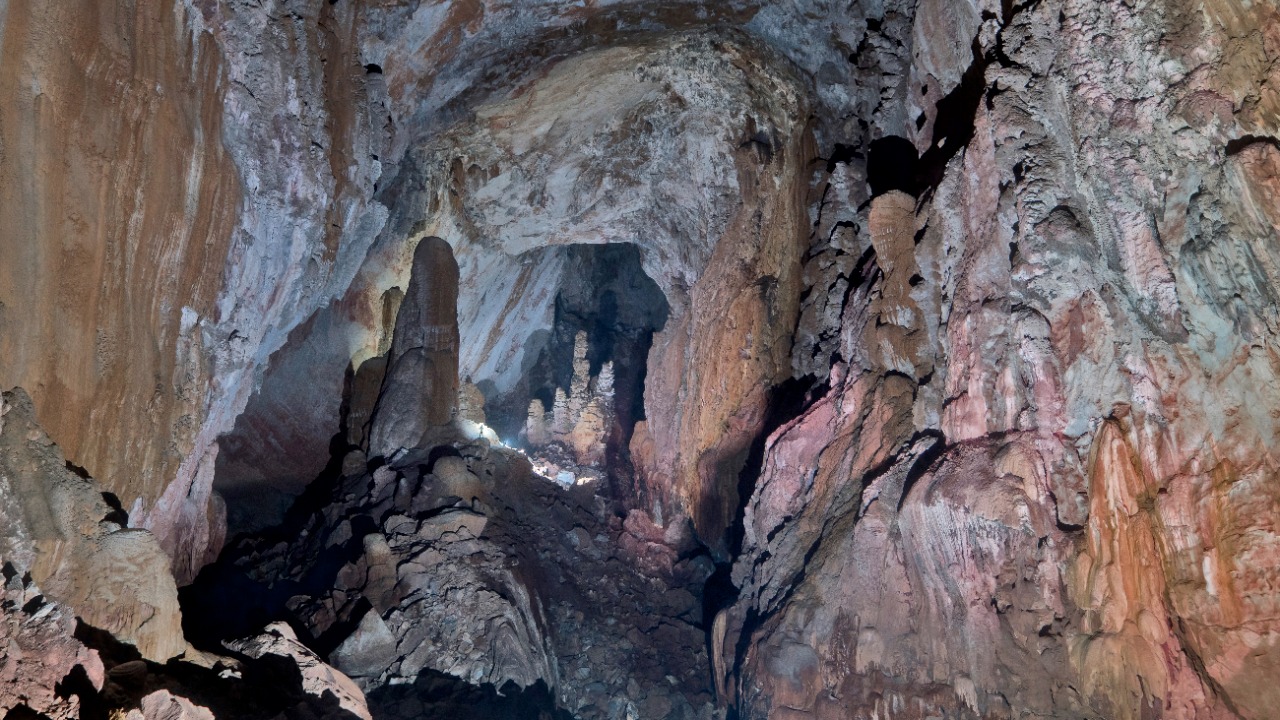
Hang Sơn Đoòng presents unique environmental conditions that could support unknown life forms. The cave maintains a stable climate with high humidity and the presence of a subterranean river, creating an ecosystem that is isolated from the outside world. The presence of unusual mineral formations and microorganisms suggests that the cave may harbor life forms that have adapted to its unique conditions.
When comparing the cave’s ecosystem to other extreme environments on Earth, such as deep-sea vents and Antarctic subglacial lakes, scientists find intriguing parallels. These environments are known for hosting extremophiles—organisms that thrive in harsh conditions—which raises the possibility that Hang Sơn Đoòng could be home to similar life forms.
The study of such environments has significant implications for astrobiology. Understanding how life can thrive in extreme conditions on Earth provides valuable insights into the potential for life beyond our planet. Researchers hope that studying caves like Hang Sơn Đoòng will aid in the search for extraterrestrial life.
Scientific Challenges and Opportunities
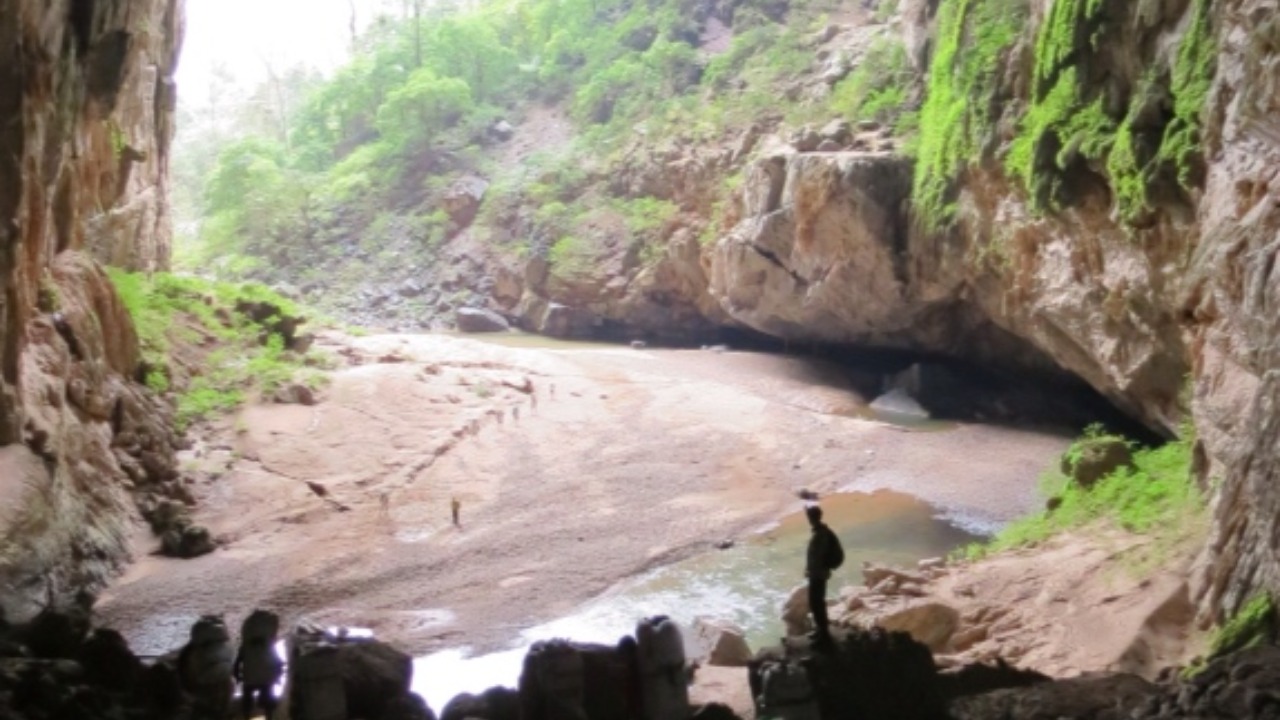
Accessing Hang Sơn Đoòng poses significant challenges due to its remote location and the need to preserve its pristine environment. Conservation efforts are crucial to prevent damage to the cave’s delicate ecosystem. As a result, expeditions are carefully planned to minimize human impact while maximizing scientific discovery.
Interdisciplinary research efforts are essential in studying the cave, bringing together geologists, biologists, and other scientists. This collaborative approach allows for a comprehensive understanding of the cave’s geology, ecology, and potential for unknown life.
The potential discoveries within Hang Sơn Đoòng could have a profound impact on our scientific knowledge. Uncovering new life forms or geological structures could reshape our understanding of Earth’s biodiversity and inspire future explorations of other unexplored caves around the world.
Cultural and Historical Significance
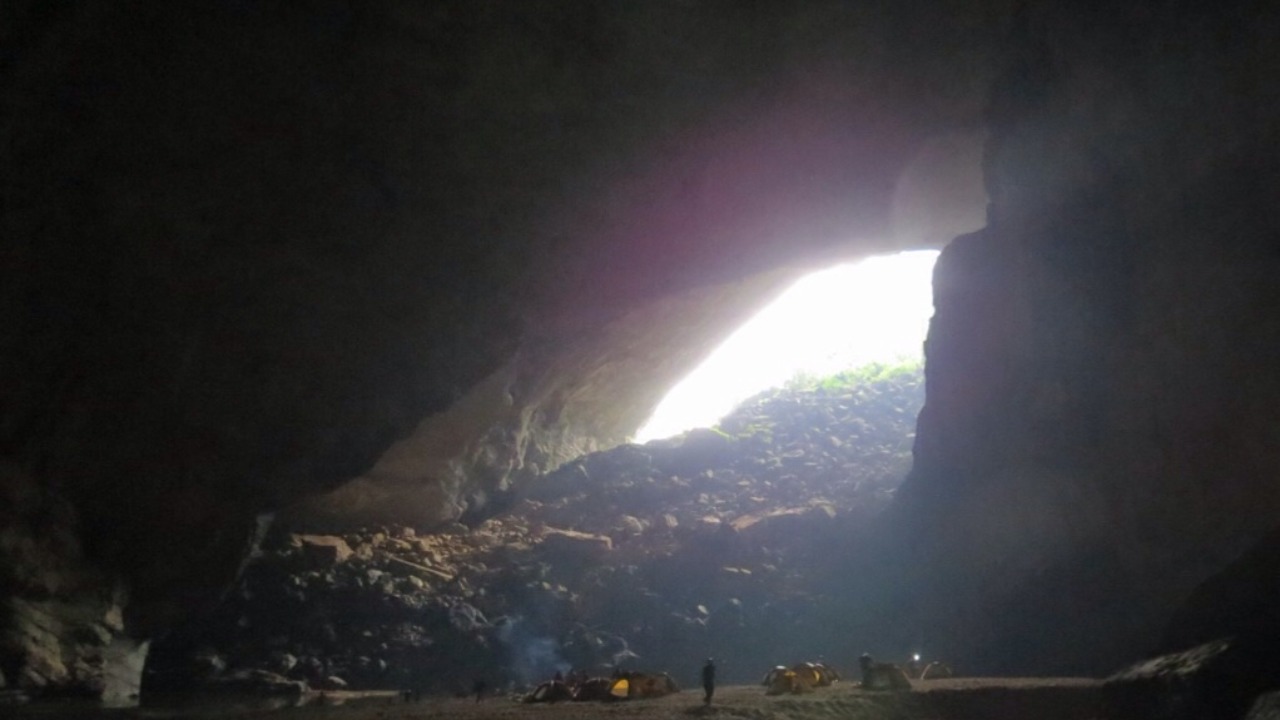
Hang Sơn Đoòng is not only a scientific marvel but also a site of cultural and historical significance. Local legends speak of the cave as a place of mystery and wonder, adding to its allure. These stories have been passed down through generations, contributing to the cave’s mystique.
Historical expeditions to the cave have also left a rich tapestry of anecdotes and stories. Early explorers faced numerous challenges navigating the cave’s complex passages, and their accounts provide valuable insights into the cave’s history and the human spirit of adventure.
The cave has also impacted popular culture, inspiring art, literature, and media. For instance, it served as a backdrop in the video game Red Dead Redemption 2, highlighting its influence on creative storytelling and its role as a source of inspiration.
Future Exploration and Conservation Efforts
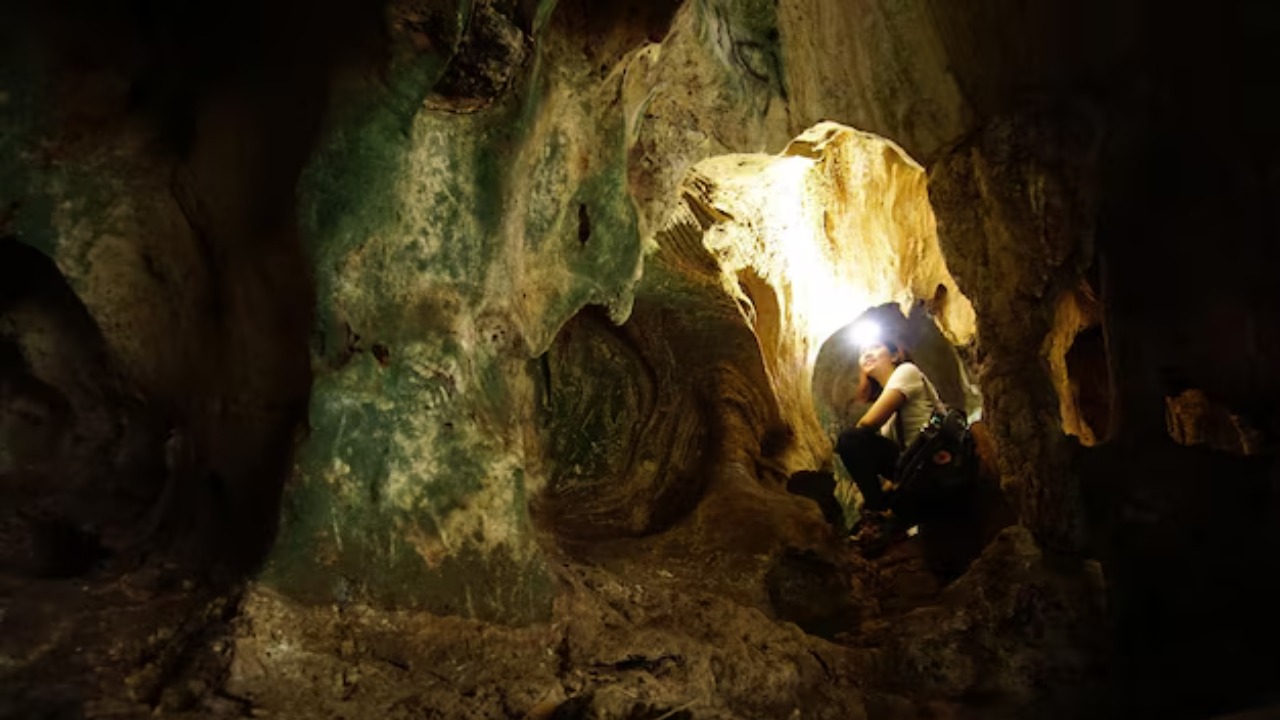
Future expeditions to Hang Sơn Đoòng are planned with the goal of uncovering more of its secrets. Researchers aim to explore new areas within the cave and study its unique ecosystems in greater detail. These efforts are guided by a commitment to conservation and the preservation of the cave’s natural beauty.
Conservation strategies are being implemented to protect Hang Sơn Đoòng from environmental degradation. These include limiting the number of visitors and employing sustainable practices during explorations. The goal is to ensure that the cave remains a pristine environment for future generations.
Engaging the public in the exploration and conservation of Hang Sơn Đoòng is also a key priority. Scientists are using educational programs and media campaigns to raise awareness about the cave’s significance. This approach fosters a sense of shared responsibility for preserving this natural wonder and inspires a new generation of explorers and conservationists.
