NASA’s renewed interest in lunar exploration has captivated the imagination of space enthusiasts and scientists alike. While many assume that the return to the Moon is simply a nostalgic venture, the reality is far more complex and strategic. The multifaceted reasons behind NASA’s decision to go back to the Moon shed light on the scientific, economic, and geopolitical factors at play.
Scientific Exploration and Research
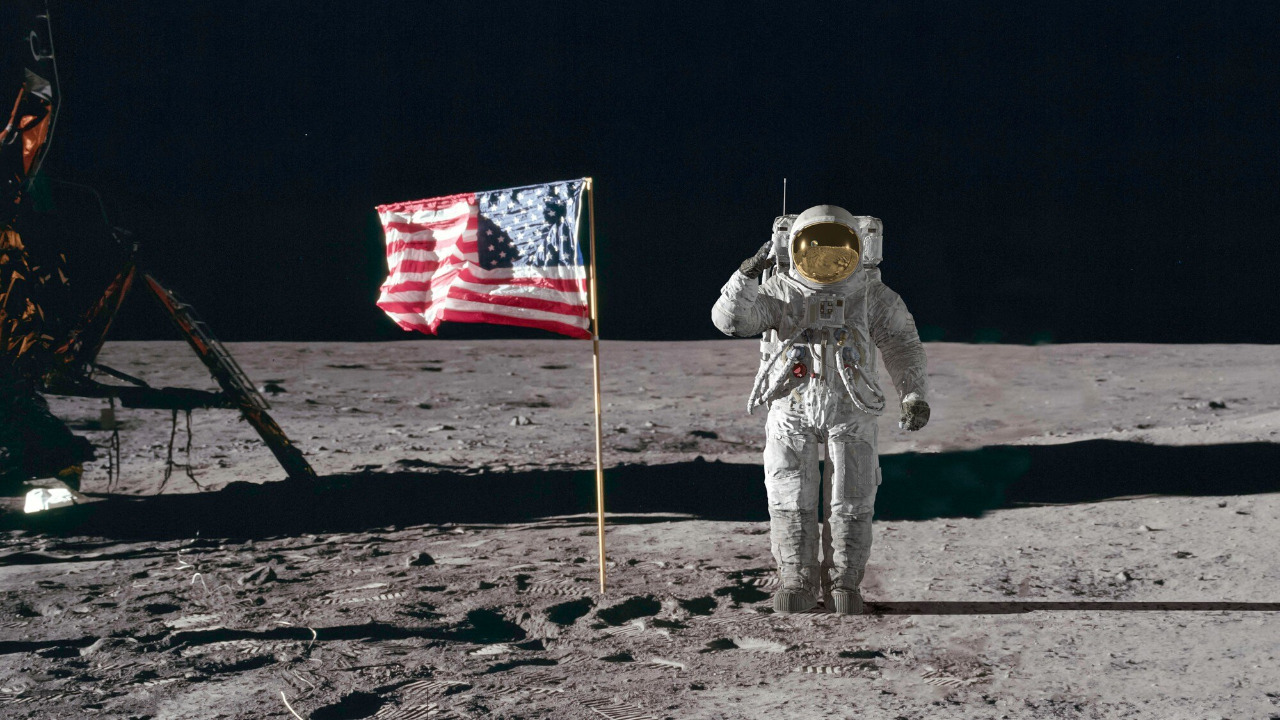
Understanding Lunar Geology
Exploring the Moon offers an unparalleled opportunity to delve into the history of our solar system. By investigating the lunar surface, scientists aim to gather insights that could unravel the mysteries of planetary formation and evolution. The Moon’s geological features, untouched by atmospheric or biological processes, serve as a time capsule, preserving evidence of the solar system’s early days.
Analyzing lunar samples, such as those collected during the Apollo missions, can significantly enhance our understanding of planetary science. These samples help scientists to piece together the Moon’s formation, offering clues about the early conditions of the Earth-Moon system. Such research not only expands our knowledge of celestial bodies but also informs theories about the evolution of other planets in our solar system.
Testing New Technologies
The Moon serves as an ideal testing ground for the development of new technologies crucial for long-duration space travel. For instance, NASA’s plans for Mars missions rely heavily on technologies validated during lunar expeditions. These include life-support systems, habitats, and other essential infrastructure needed to sustain human life beyond Earth.
Moreover, the Moon provides a unique environment for testing propulsion systems, power generation technologies, and communication networks. The lessons learned from operating these systems on the Moon will be instrumental in overcoming the challenges associated with extended missions to Mars and other deep-space destinations.
Economic and Industrial Opportunities
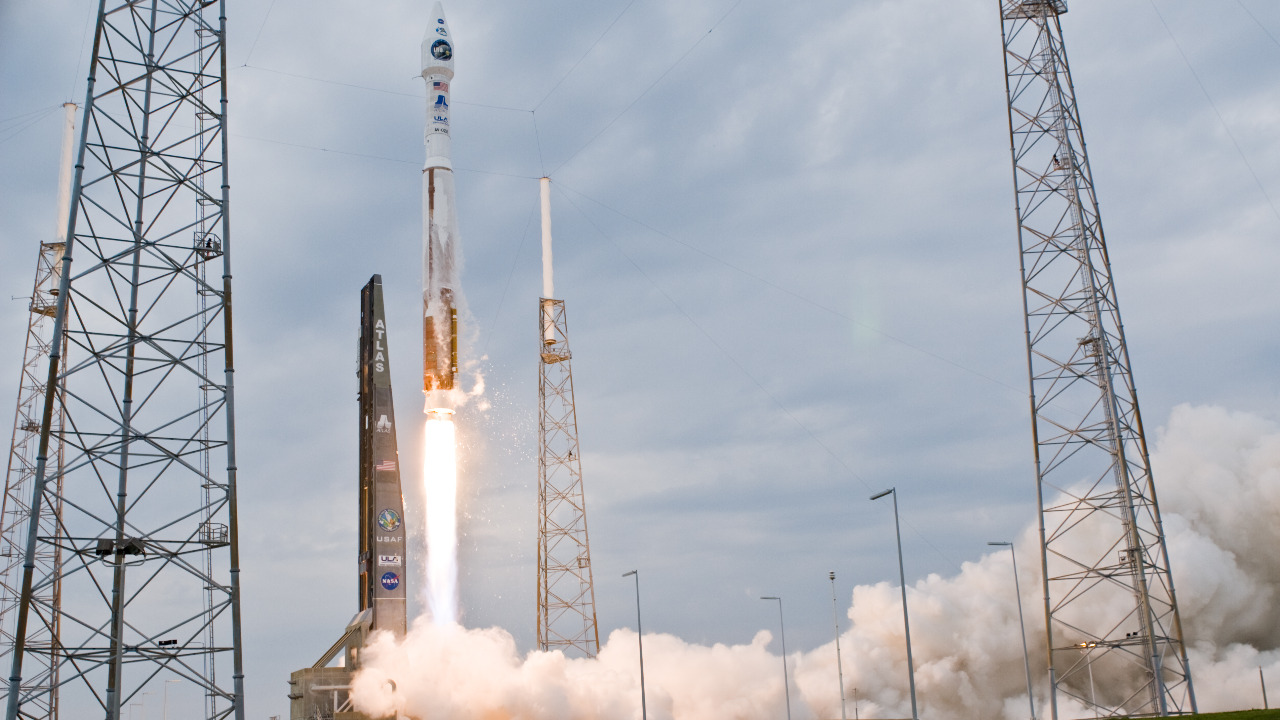
Resource Utilization
One of the most compelling economic incentives for returning to the Moon is the potential for resource utilization. The Moon is believed to harbor valuable resources such as Helium-3, rare earth elements, and water ice. Helium-3, for instance, holds promise as a future fuel for nuclear fusion reactors, which could provide a clean and virtually limitless energy source.
Assessing the feasibility of using lunar materials for in-situ resource utilization is another critical aspect of lunar exploration. By utilizing materials found on the Moon, such as regolith, NASA aims to reduce the logistical challenges and costs associated with transporting supplies from Earth. This approach could pave the way for a sustained human presence on the Moon and beyond.
Commercial Partnerships
Nurturing commercial partnerships is a cornerstone of NASA’s strategy to return to the Moon. By engaging the private sector, NASA seeks to drive down costs and stimulate innovation. Collaborations with companies such as SpaceX, Blue Origin, and others have already begun to reshape the landscape of space exploration, promising more frequent and cost-effective missions to the Moon.
The development of a lunar economy could lead to new markets and economic opportunities. Commercial activities on the Moon, such as tourism, research, and manufacturing, could create a thriving economic ecosystem that benefits both public and private entities. These partnerships not only enhance the sustainability of lunar missions but also contribute to the broader goals of space exploration.
Geopolitical Considerations
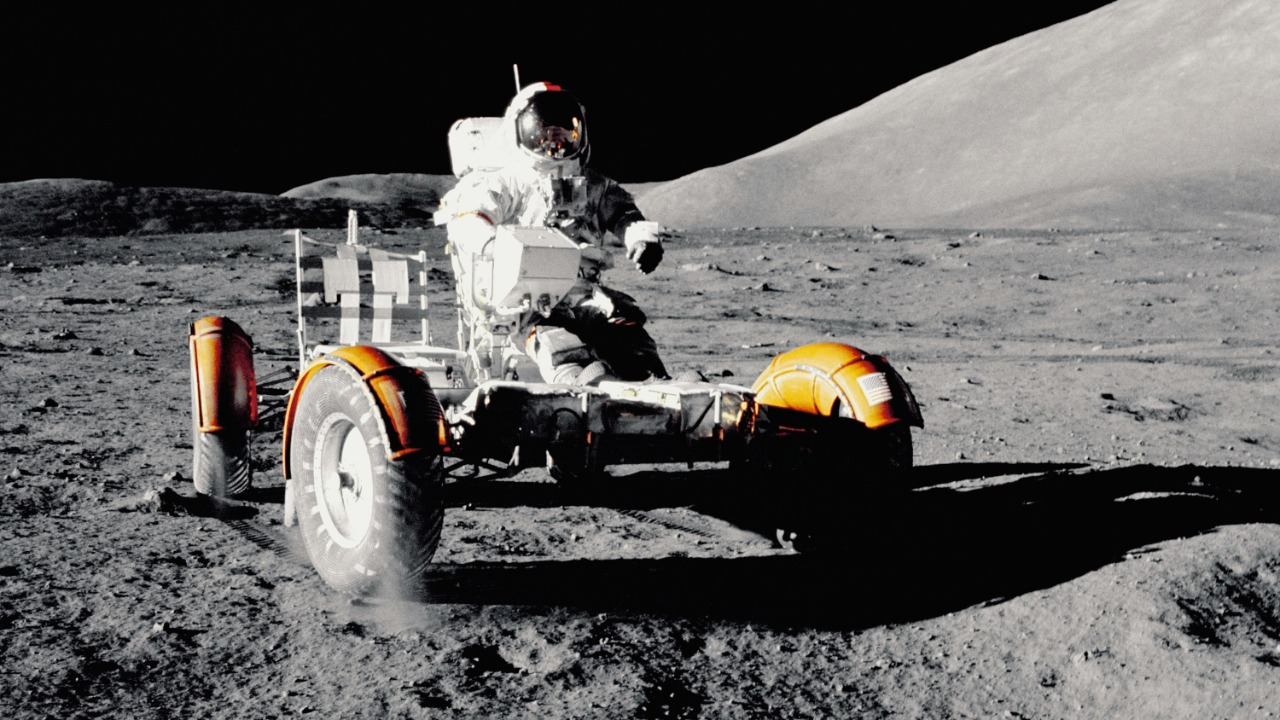
Maintaining Global Leadership
In the realm of space exploration, maintaining global leadership is a key consideration for NASA. As other nations, including China and Russia, ramp up their lunar ambitions, the United States is keen to reinforce its position as a frontrunner. Demonstrating technological and scientific prowess on the lunar stage is crucial for sustaining the nation’s leadership in space.
The return to the Moon is also a statement of intent, showcasing America’s commitment to pushing the boundaries of human exploration. It serves as a powerful reminder of the nation’s capability to achieve grand feats, inspiring confidence in its technological and scientific endeavors.
Strategic Partnerships
Building and strengthening alliances with international partners is another vital aspect of NASA’s lunar strategy. Collaborative lunar missions pave the way for shared resources, expertise, and costs, making ambitious projects more feasible. Countries such as Canada, Japan, and European nations are already involved in various aspects of lunar exploration, highlighting the importance of international cooperation in achieving common goals.
Furthermore, promoting peaceful uses of outer space through international agreements and cooperative frameworks ensures that the Moon remains a domain of collaboration rather than conflict. These partnerships not only enhance the scientific and technological outcomes of lunar missions but also foster goodwill and stability in international relations.
Pathway to Mars and Beyond
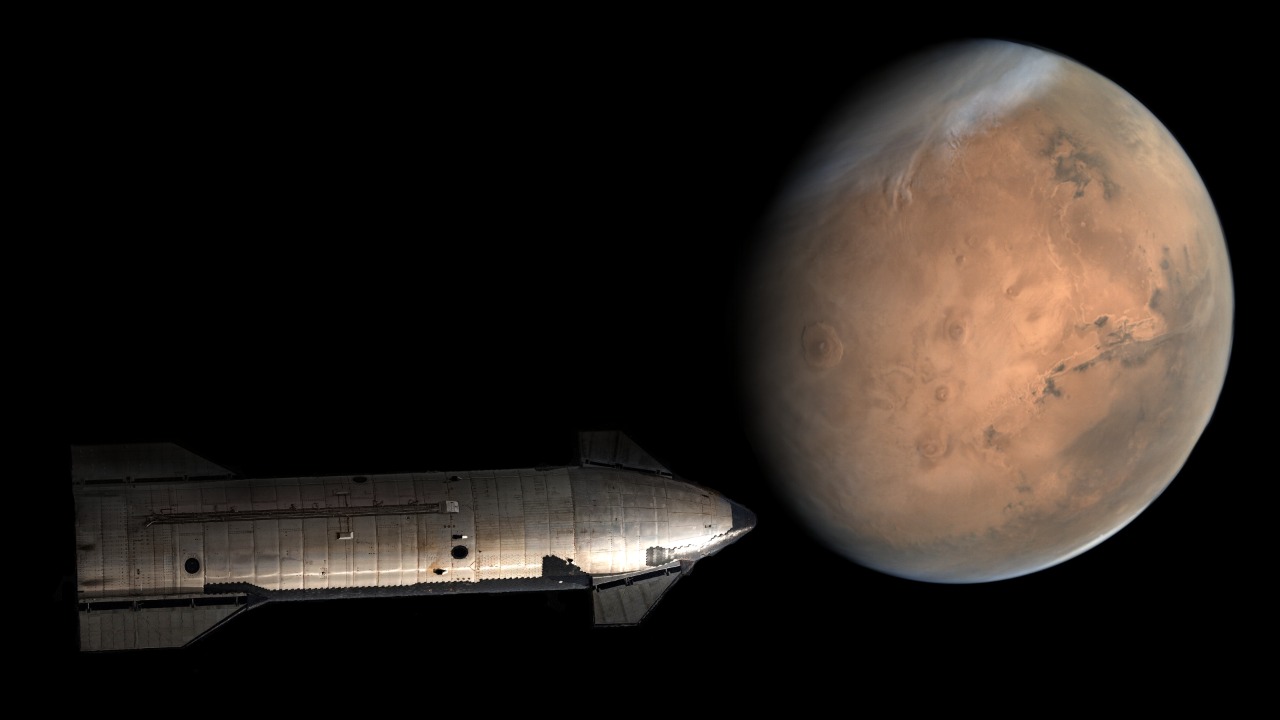
Gateway to Deep Space Exploration
NASA views the Moon as a crucial gateway for human missions to Mars and other deep-space destinations. Establishing a presence on the Moon provides valuable experience in living and working on another celestial body, addressing the challenges associated with extended space travel.
The Moon’s proximity to Earth makes it an ideal testing ground for technologies and systems needed for deep-space exploration. By overcoming the hurdles of lunar habitation, NASA lays the groundwork for future interplanetary missions, ultimately expanding humanity’s reach into the cosmos.
Developing Infrastructure
Establishing a sustainable presence on the Moon is a long-term objective that involves developing essential infrastructure. This includes habitats, power systems, and transportation networks that support both human and robotic activities. A lunar base could serve as a hub for scientific exploration, providing a platform for conducting experiments and research that are not feasible on Earth.
Moreover, a lunar base could act as a launch point for missions beyond the Moon, facilitating easier access to other celestial bodies. Developing such infrastructure is pivotal for realizing the vision of a multi-planetary future, where humans can explore and inhabit worlds beyond our own.
Public Engagement and Inspiration

Rekindling Interest in Space Exploration
The excitement of lunar missions has the potential to inspire a new generation of scientists, engineers, and explorers. By rekindling interest in space exploration, NASA aims to engage the public and educational institutions through outreach and educational programs that emphasize the importance of science, technology, engineering, and mathematics (STEM).
Public engagement is crucial for garnering support and enthusiasm for space exploration endeavors. By involving the public in the journey to the Moon, NASA hopes to foster a sense of collective achievement and inspire future generations to pursue careers in space-related fields.
Cultural and Historical Significance
The return to the Moon builds on the legacy of the Apollo missions, creating new narratives of exploration and discovery. The cultural and historical significance of lunar exploration cannot be overstated, as it represents a continuation of humanity’s quest to push beyond our current boundaries.
Celebrating human achievements and the spirit of exploration, NASA’s lunar missions serve as a testament to our collective curiosity and determination. These missions not only honor the past but also pave the way for future endeavors, inspiring us to dream bigger and reach further into the unknown.
