When we think of the smartphone revolution, names like Apple and Samsung often come to mind. However, it’s important to remember that the roots of this technology can be traced back to an often overlooked but equally significant pioneer – the once-dominant Intel Corporation.
The Advent of Wireless Communication

The journey of mobile phones, from large, bulky devices to sleek, handheld gadgets that fit in our pockets, is nothing short of remarkable. The inception and evolution of these devices have been greatly influenced by the pioneering work of Intel. In the early days, mobile phones were considered a luxury, only accessible to a privileged few. However, with the advent of wireless communication, these devices quickly became a necessity.
Intel played a significant role in the early development of wireless communication technology. The company was instrumental in creating microprocessors for mobile devices. These microprocessors, which serve as the brain of the device, enabled the transformation of mobile phones from simple communication devices to multifunctional tools.
The Rise and Fall of Intel
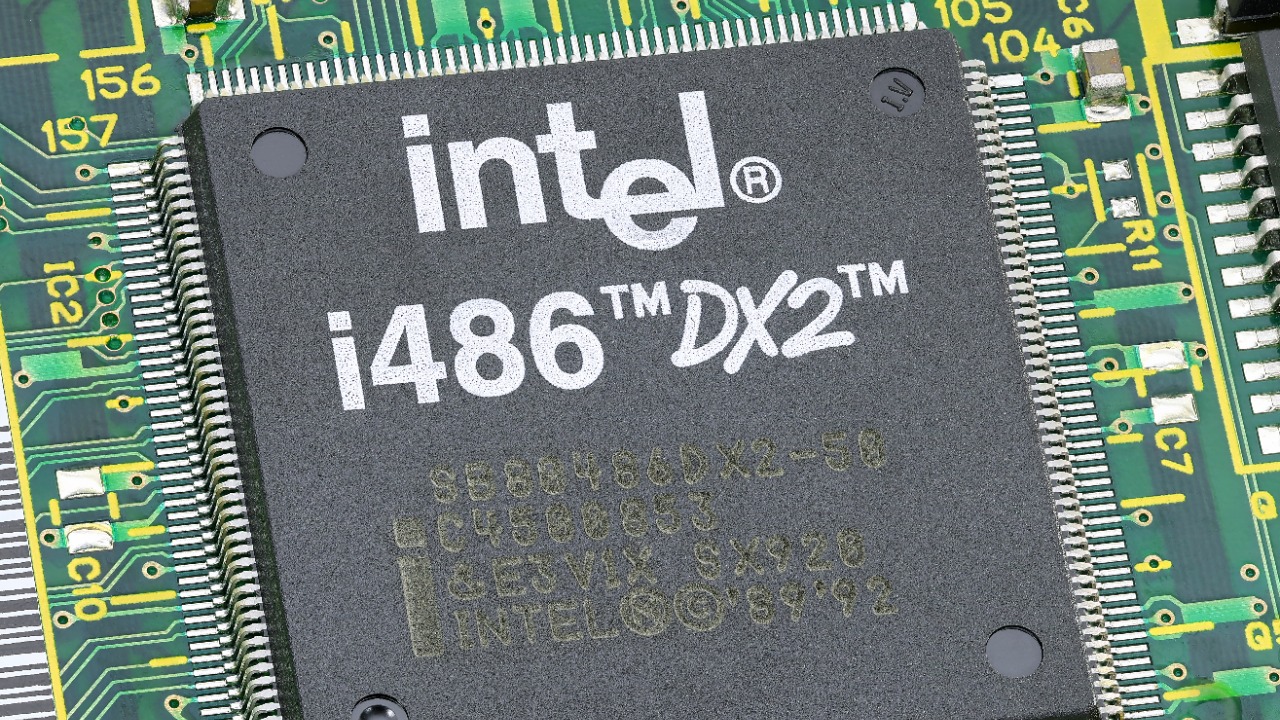
Intel’s groundbreaking innovations in microprocessor technology initially positioned the company as a dominant player in the tech industry. Intel’s microprocessors were widely adopted by computer manufacturers, placing the company at the forefront of the personal computer revolution. However, as the industry started to shift towards mobile technology, Intel struggled to adapt.
Intel’s inability to transition its powerful microprocessors to mobile devices led to its decline in the tech industry. This fall from grace opened the door for competitors to take the lead in the smartphone revolution. Companies like Samsung and Apple capitalized on Intel’s shortcomings, developing their own processors specifically for mobile devices.
Motorola: A Missed Call
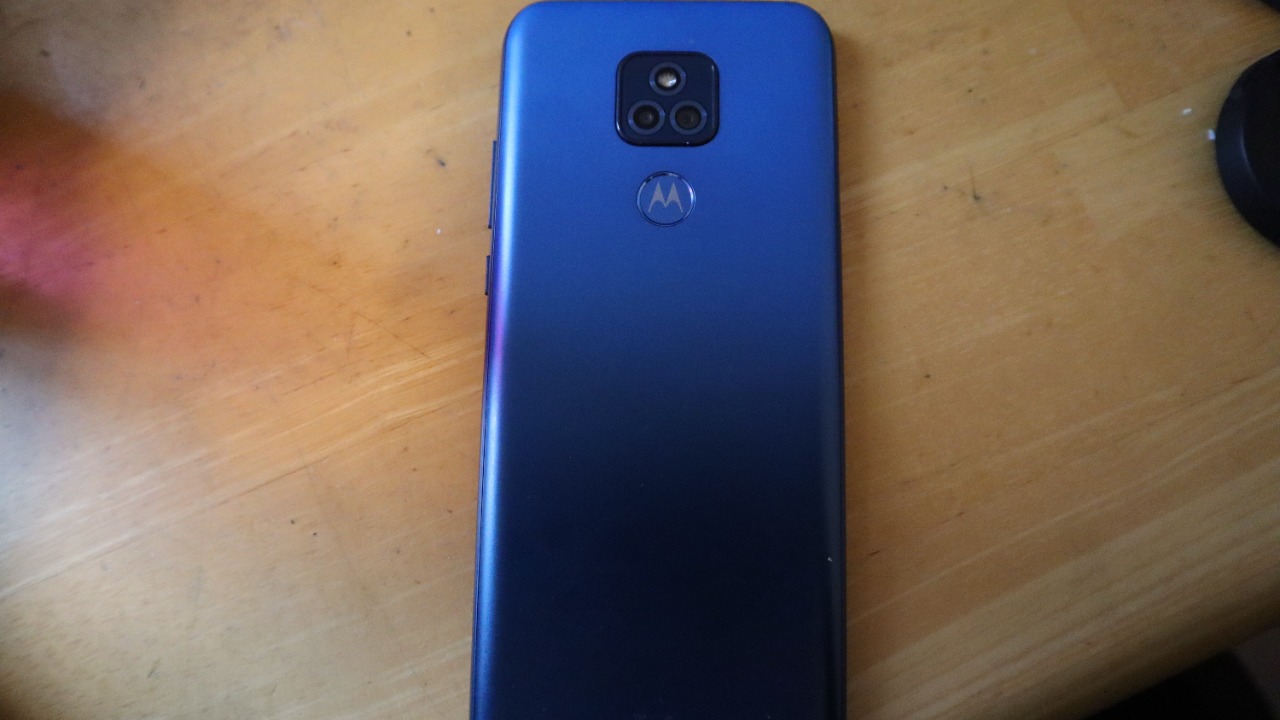
Another overlooked pioneer in the mobile phone industry is Motorola. Long before the advent of smartphones, Motorola was a significant player in the mobile phone industry, introducing the world’s first commercial handheld cellular phone, the DynaTAC 8000X, in 1983. However, as the industry evolved, Motorola missed the call of the future.
The company’s decline can be attributed to several factors, including its failure to innovate and compete with emerging industry leaders. While companies like Apple and Samsung were quick to recognize the potential of smartphones, Motorola was late to the game. The company’s inability to adapt to changing market trends ultimately led to its downfall.
Lessons from Intel and Motorola

The experiences of Intel and Motorola serve as a stark reminder of the importance of adaptability and innovation in the tech industry. In a rapidly changing industry, companies need to continuously innovate and adapt to stay ahead. Those who fail to do so risk falling behind and becoming irrelevant.
The tech industry is characterized by constant advancements and evolving market trends. Companies need to stay ahead of these trends to maintain their dominance. The decline of Intel and Motorola demonstrates the consequences of failing to adapt to these changes.
The Underappreciated Benefits of the Smartphone Revolution

The impacts of the smartphone revolution extend far beyond personal communication. This revolution has brought about wide-reaching impacts across various industries and aspects of life. For instance, smartphones have transformed the way we access information, making it more accessible than ever before.
Moreover, the smartphone revolution has facilitated the democratization of technology. Today, smartphones are no longer a luxury but a necessity, accessible to people across different socio-economic backgrounds. This increased accessibility has had far-reaching impacts, from enhancing communication to facilitating e-commerce and digital banking. The benefits of the smartphone revolution are indeed diverse and often underappreciated.
