The North Atlantic’s shifting currents are raising alarms among scientists who warn of potential global chaos as key ocean systems weaken. Reports indicate that the Gulf Stream system is particularly vulnerable, with its weakening potentially unleashing widespread impacts on climate and weather patterns. Experts caution that the collapse of these critical ocean currents could occur after 2100, fundamentally altering the climate of various regions (MSN).
The Science Behind the Shifts

The North Atlantic currents play a crucial role in regulating climate and weather patterns across the globe. These currents, including the Gulf Stream, are part of a larger system known as the Atlantic Meridional Overturning Circulation (AMOC), which helps distribute heat and nutrients around the planet. The Gulf Stream, in particular, is a powerful ocean current that transports warm water from the Gulf of Mexico into the Atlantic Ocean, significantly influencing the climate of the eastern United States and Western Europe (MSN).
Currently, the Gulf Stream system is showing signs of weakening, which could have profound implications for global oceanic circulation. This weakening is attributed to several factors, including increased freshwater input from melting ice and changes in wind patterns. The Gulf Stream’s significance lies in its ability to moderate temperatures, and any disruption could lead to drastic climate changes (SciTechDaily).
If these currents continue to weaken, the climate in certain regions could become unrecognizable. For example, Western Europe could experience much colder temperatures, while other areas might face increased heat and drought conditions. This potential shift underscores the importance of understanding and monitoring these oceanic changes (Live Science).
In addition to the Gulf Stream, other components of the AMOC, such as the North Atlantic Deep Water formation, are crucial for maintaining the balance of oceanic currents. This process involves the sinking of cold, dense water in the North Atlantic, which drives the circulation of the AMOC. Disruptions in this process, potentially caused by increased freshwater from melting ice caps, could further destabilize the system. Scientists emphasize the interconnectedness of these oceanic processes and their collective impact on global climate systems (MSN).
Potential Global Implications
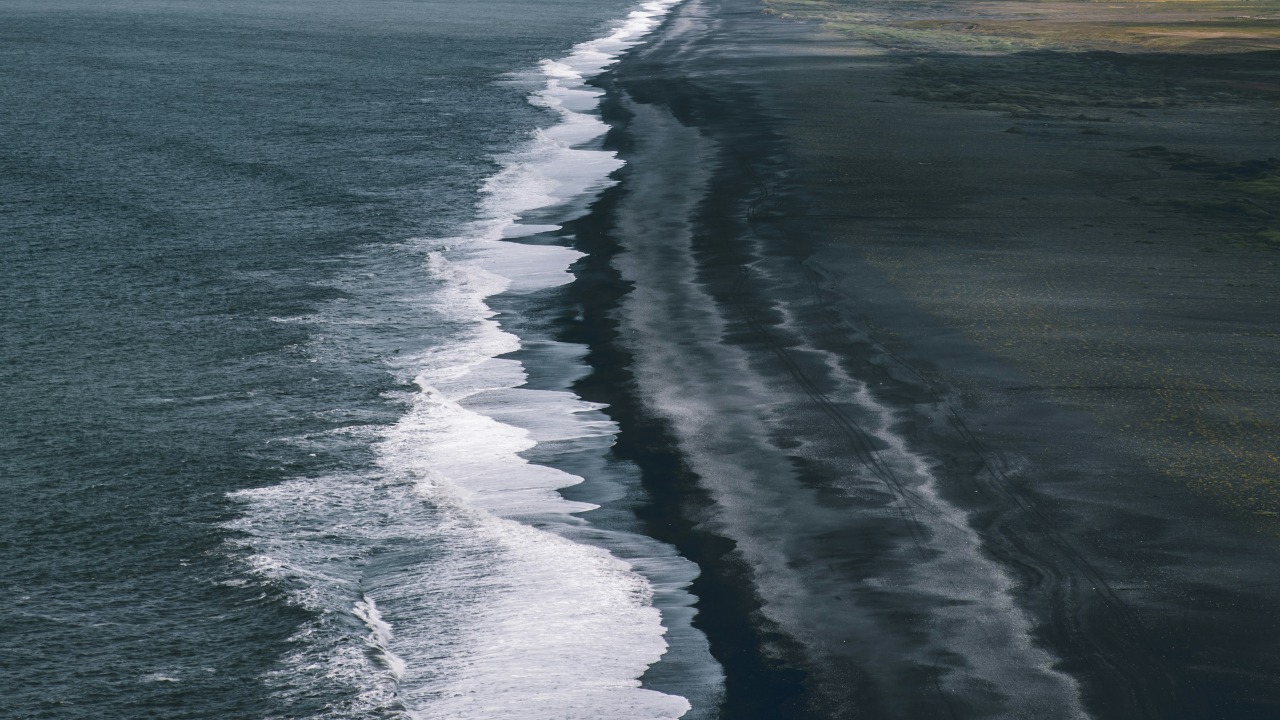
The weakening of the Gulf Stream and other North Atlantic currents could have catastrophic consequences for European climates. Scientists warn that a tipping point could lead to severe weather disruptions, including more intense storms and prolonged cold spells. These changes could severely impact agriculture, infrastructure, and overall human well-being in the region (Euronews).
Globally, the effects could be even more far-reaching. Disruptions to weather patterns could lead to increased frequency and severity of natural disasters, such as hurricanes and floods. Marine ecosystems, which rely on stable ocean currents for nutrient distribution, could also be severely affected, impacting biodiversity and fisheries worldwide (SciTechDaily).
While the timeline for these changes is uncertain, projections suggest that a collapse of the AMOC could occur after 2100. This potential delay provides a window for scientists and policymakers to develop strategies to mitigate these impacts and adapt to the changing climate (Open Access Government).
Beyond Europe, the weakening of these currents could also affect the monsoon systems in Asia and Africa, leading to unpredictable rainfall patterns and impacting agriculture and water supply. The potential for increased heatwaves and droughts in regions dependent on stable weather patterns could exacerbate food insecurity and strain resources. Moreover, changes in ocean currents can alter the distribution of marine species, affecting global fisheries and the livelihoods of communities reliant on them. These cascading effects highlight the need for comprehensive global strategies to address the multifaceted challenges posed by these shifts (Live Science).
Scientific Community’s Response

The scientific community is actively engaged in understanding the potential for a tipping point in the North Atlantic currents. While there is consensus on the risks associated with a weakened Gulf Stream, the exact timing and magnitude of these changes remain uncertain. Researchers are employing advanced models and observational data to predict future trends and assess the potential impacts (Euronews).
Ongoing research efforts are focused on monitoring current changes in the North Atlantic. Scientists are using satellite data, ocean buoys, and climate models to track shifts in ocean currents and temperature patterns. These efforts aim to provide more accurate forecasts and inform policy decisions to address the potential challenges posed by these changes (MSN).
Despite advancements in research, forecasting the exact timing and magnitude of these shifts remains challenging. The complexity of oceanic systems and the influence of various environmental factors contribute to the uncertainties. Scientists continue to emphasize the need for comprehensive data collection and international collaboration to improve predictive capabilities (Live Science).
To enhance predictive accuracy, scientists are also focusing on paleoclimate data, which provides insights into past climate conditions and oceanic behaviors. By understanding historical patterns, researchers aim to improve models that forecast future changes. This approach is complemented by international research collaborations that pool resources and expertise, fostering a more comprehensive understanding of the AMOC’s dynamics. Such efforts are crucial for developing effective mitigation and adaptation strategies, as they provide a clearer picture of potential future scenarios (Euronews).
Mitigation and Adaptation Strategies
To address the potential weakening of ocean currents, scientists and policymakers are exploring various mitigation strategies. These include reducing greenhouse gas emissions to slow down global warming and implementing measures to protect and restore marine ecosystems. Such efforts aim to stabilize the climate and prevent further disruption of oceanic systems (Open Access Government).
Adaptation measures are also being considered for regions likely to be most affected by these changes. This includes developing infrastructure to withstand extreme weather events, improving water management systems, and enhancing agricultural practices to cope with shifting climate conditions. These strategies are crucial for building resilience and ensuring the well-being of affected communities (SciTechDaily).
International cooperation and policy-making efforts are essential to effectively address these global challenges. Collaborative initiatives can facilitate the sharing of knowledge, resources, and technologies needed to mitigate the impacts of shifting ocean currents. By working together, countries can develop comprehensive strategies to safeguard the planet’s climate and ensure a sustainable future (MSN).
