The United States Navy is embarking on an ambitious journey to develop a next-generation fighter, known as the F/A-XX program. This initiative aims to replace the aging fleet of F/A-18E/F Super Hornets and EA-18G Growlers, ensuring that the Navy remains at the forefront of aerial combat capabilities.
As global threats evolve, the Navy’s new fighter jet is set to incorporate cutting-edge technology and innovative design features to maintain air superiority.
The Need for a Next-Gen Fighter
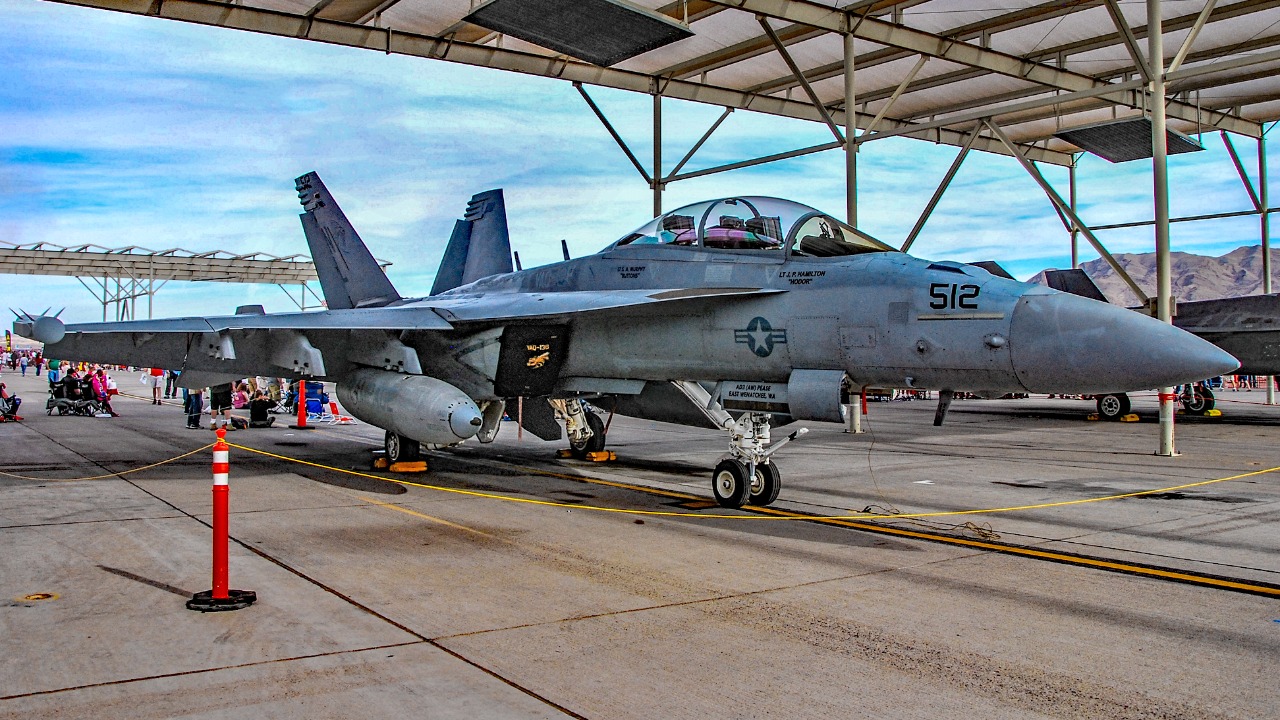
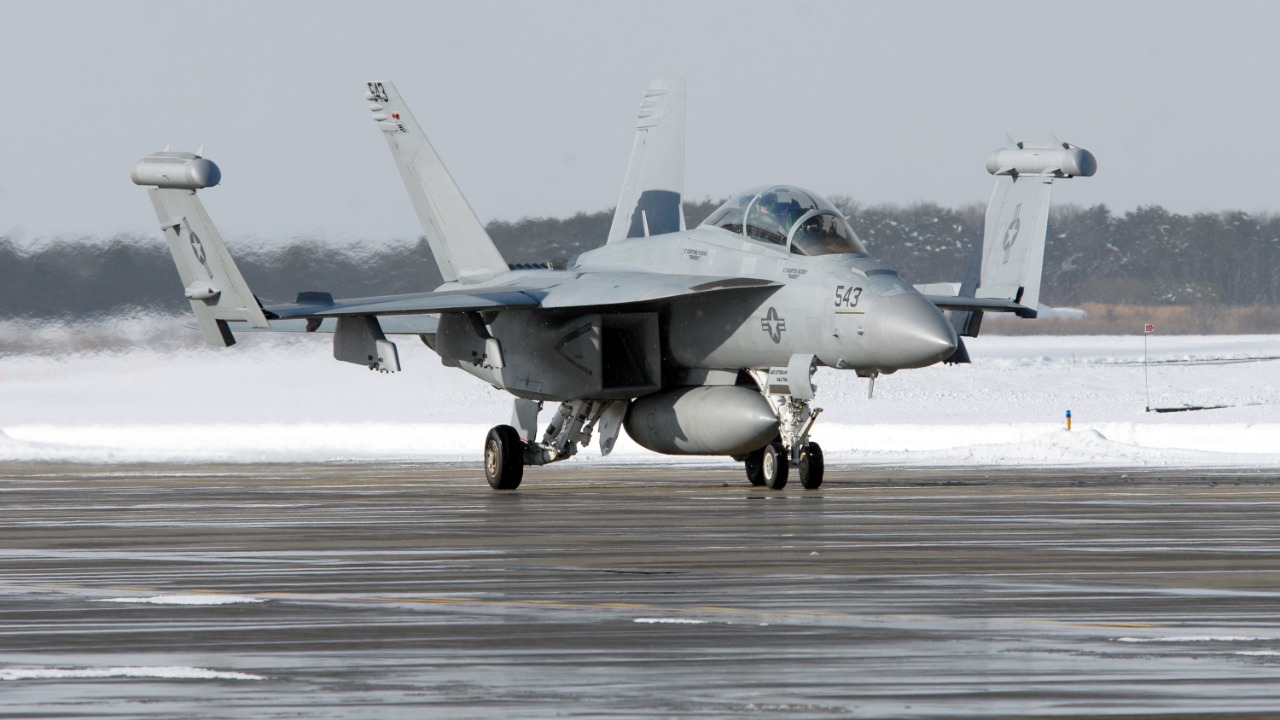
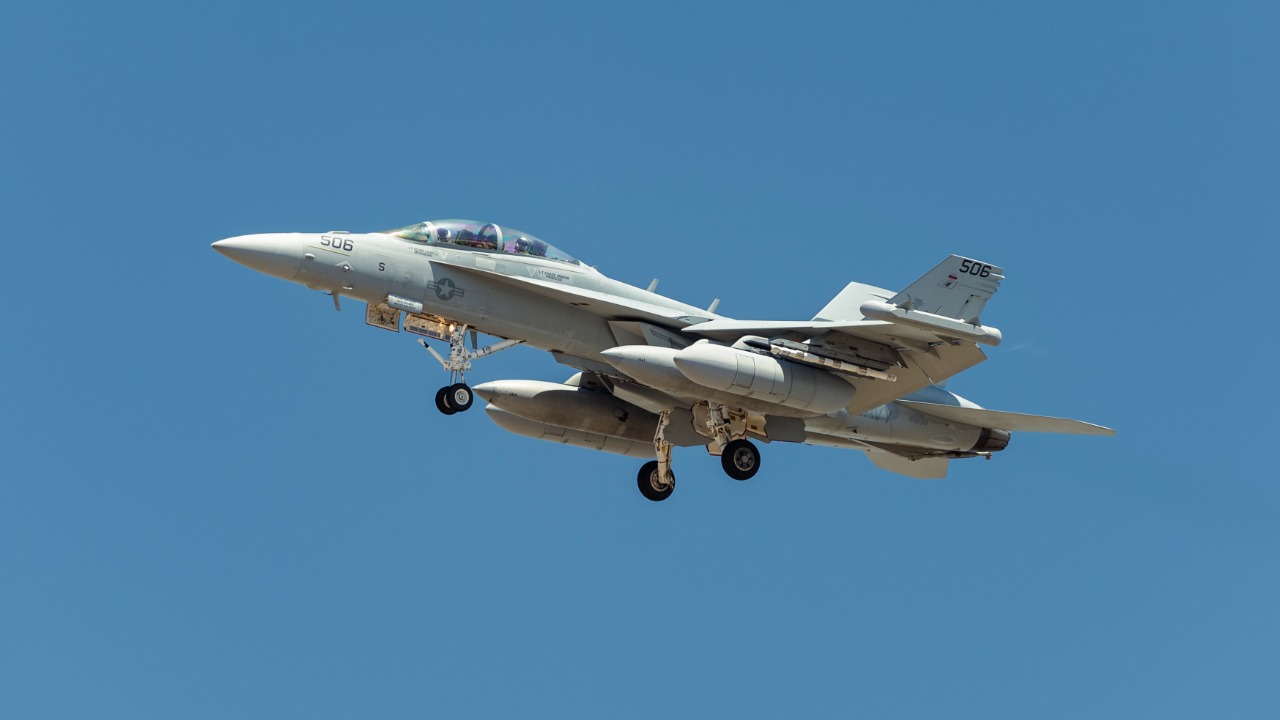
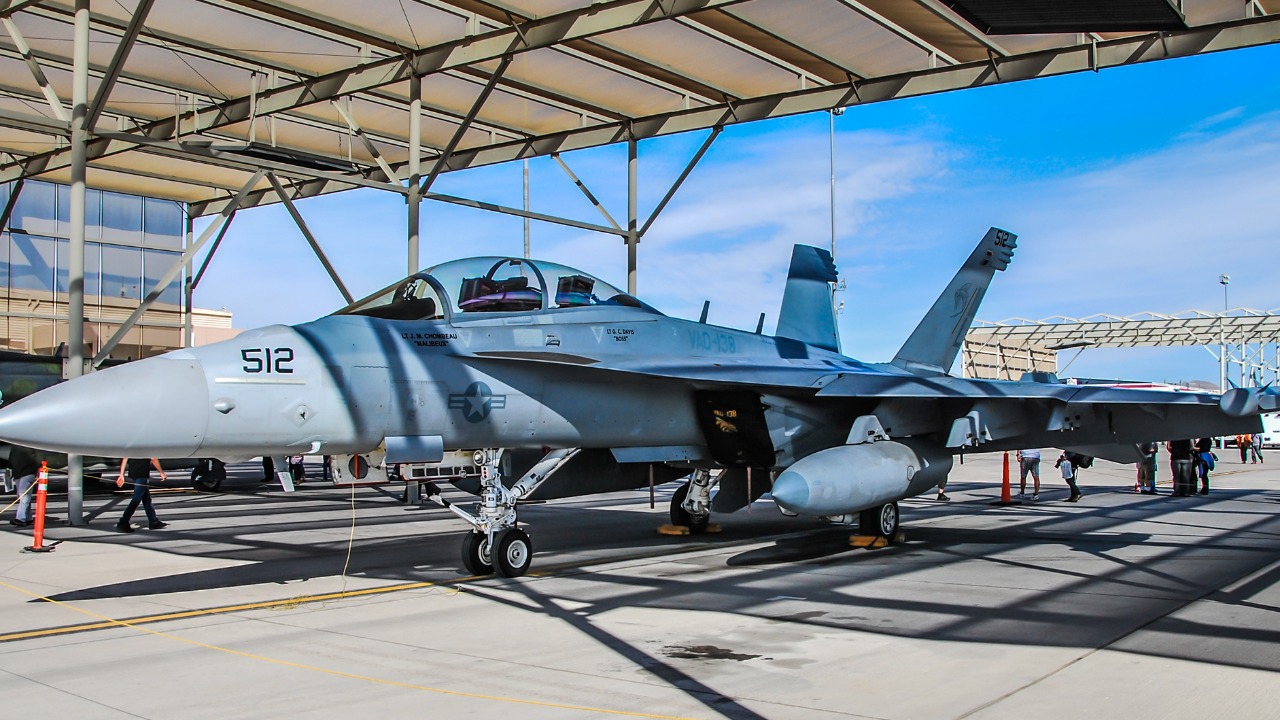
The current fleet of F/A-18E/F Super Hornets and EA-18G Growlers, while having served the Navy well, is beginning to show its age. These aircraft have been the backbone of naval aviation for years, but they face limitations in range, payload capacity, and technological advancements. The Super Hornets, introduced in the late 1990s, are starting to lag behind newer, more advanced aircraft being developed by potential adversaries. As maintenance costs rise and capabilities plateau, the need for a new fighter becomes increasingly urgent.
Global threats are evolving rapidly, with nations such as China and Russia advancing their military aviation technology. The development of new stealth fighters and advanced missile systems by these countries poses a significant challenge to the United States’ air superiority. To maintain its strategic edge, the Navy must invest in a new generation of fighters that can counter these emerging threats. Air superiority is crucial to national security, enabling the military to project power and protect interests worldwide. Without a capable next-generation fighter, the Navy risks losing its competitive advantage.
Key Features of the F/A-XX Program
The F/A-XX program emphasizes advanced stealth technology as a cornerstone of its design. Stealth capabilities are critical for evading enemy radar and ensuring the element of surprise in combat situations. By integrating state-of-the-art materials and design techniques, the F/A-XX aims to minimize its radar cross-section, making it less detectable to adversaries. This focus on stealth will enable the Navy to operate effectively in contested environments and maintain air dominance.
Another key feature of the F/A-XX program is the integration of enhanced weapons systems. The new fighter will be equipped with cutting-edge weaponry and targeting systems, allowing it to engage a variety of threats with precision and efficiency. The F/A-XX is also designed to be multifunctional, capable of performing a range of missions from air-to-air combat to ground attack. This versatility ensures that the aircraft can adapt to different combat scenarios, providing the Navy with a flexible and powerful tool in its arsenal.
Technological Innovations
Artificial intelligence (AI) is poised to play a significant role in the F/A-XX program. AI technologies will enhance decision-making and combat efficiency by providing pilots with real-time data analysis and automated assistance. This integration of AI will reduce cognitive load on pilots, allowing them to focus on critical tasks and improve overall mission success. The use of AI in the F/A-XX represents a significant step forward in military aviation technology.
Networking and connectivity are also essential components of the F/A-XX’s design. The ability to seamlessly communicate with other military assets, such as drones, satellites, and ground forces, is crucial for coordinated operations. By leveraging advanced networking technologies, the F/A-XX will ensure that the Navy remains interconnected and capable of responding swiftly to dynamic situations. Additionally, efforts to incorporate sustainable design elements in the F/A-XX reflect a commitment to reducing the environmental impact of military operations. By exploring eco-friendly technologies, the Navy aims to balance operational effectiveness with environmental responsibility.
Development and Funding Challenges
Despite the promise of the F/A-XX program, budget constraints present a significant challenge. Developing a next-generation fighter is a costly endeavor, and securing adequate funding is crucial to the program’s success. The Navy is exploring various strategies to ensure that the necessary resources are allocated to the F/A-XX program, including prioritizing it in its unfunded priorities list. Balancing fiscal responsibility with the need for advanced capabilities is a complex but essential task.
Technological hurdles also pose challenges to the F/A-XX program. The integration of cutting-edge technologies requires overcoming numerous barriers, from engineering complexities to software integration. To address these challenges, the Navy is collaborating with private defense contractors and industry experts. These partnerships aim to accelerate development and ensure that the F/A-XX meets the highest standards of performance and reliability.
Implications for the Future of Naval Aviation
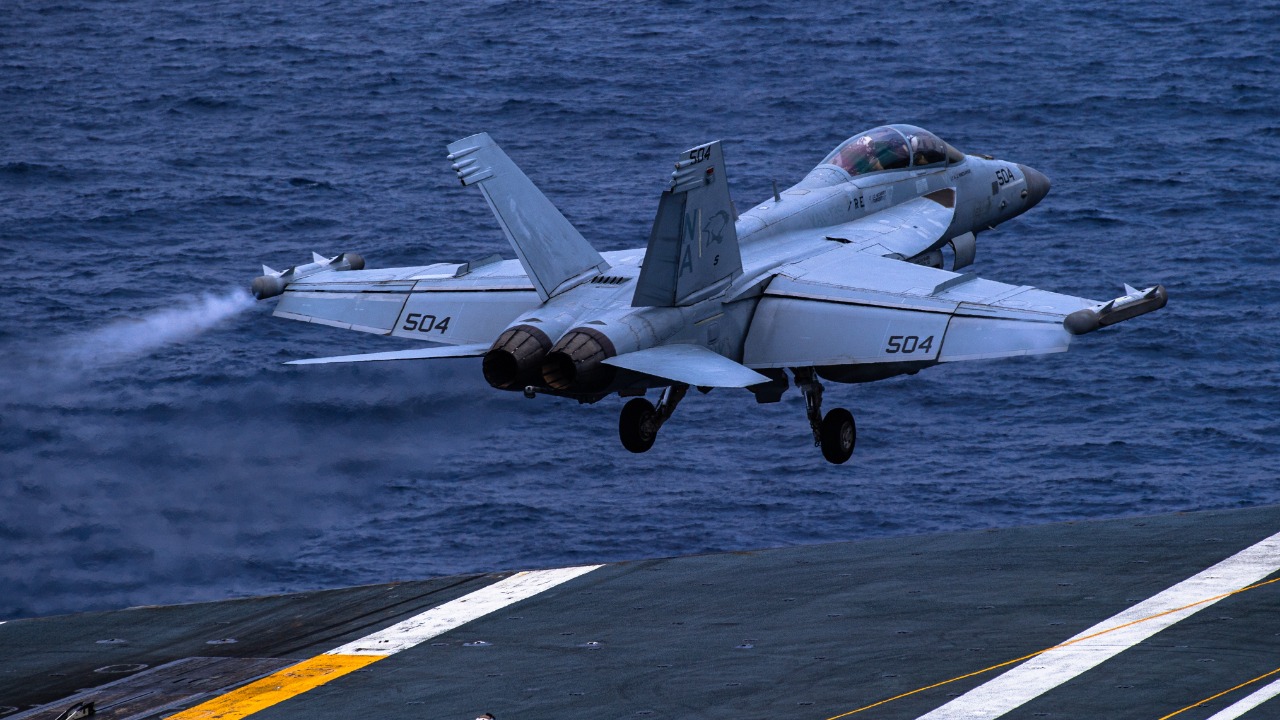
The introduction of the F/A-XX is expected to have a profound impact on naval air operations and strategy. With its advanced capabilities, the F/A-XX will enhance the Navy’s ability to project power and respond to emerging threats. Its superior performance and technological innovations will redefine how air operations are conducted, providing a strategic advantage in future conflicts. The F/A-XX will likely become a cornerstone of naval aviation, shaping the future of military aviation for decades to come.
The development of the F/A-XX also has implications for pilot training and recruitment. As the Navy transitions to a new generation of fighters, the need for skilled personnel capable of operating and maintaining these advanced aircraft will increase. Training programs will need to adapt to incorporate new technologies and tactics, ensuring that pilots are prepared to maximize the F/A-XX’s potential. This focus on training and recruitment is essential to maintaining a capable and ready naval aviation force.
In the broader context of future naval aviation and defense strategy, the F/A-XX is a pivotal element. Its development aligns with the Navy’s long-term vision of maintaining air superiority and adapting to evolving threats. By investing in the F/A-XX program, the Navy is positioning itself to remain at the forefront of military aviation, ensuring that it can continue to protect national interests and maintain global security.
