The US Navy’s next nuclear supercarrier in the Gerald R. Ford-class has achieved a significant milestone in its development process, ensuring continued dominance in global maritime operations. This advancement comes amid international efforts to match US naval technology, highlighting the strategic importance of nuclear-powered carriers. Key figures include the carrier’s projected displacement exceeding 100,000 tons and capacity for over 75 aircraft, positioning it as a cornerstone of future fleet readiness.
The Evolution of US Nuclear Supercarriers
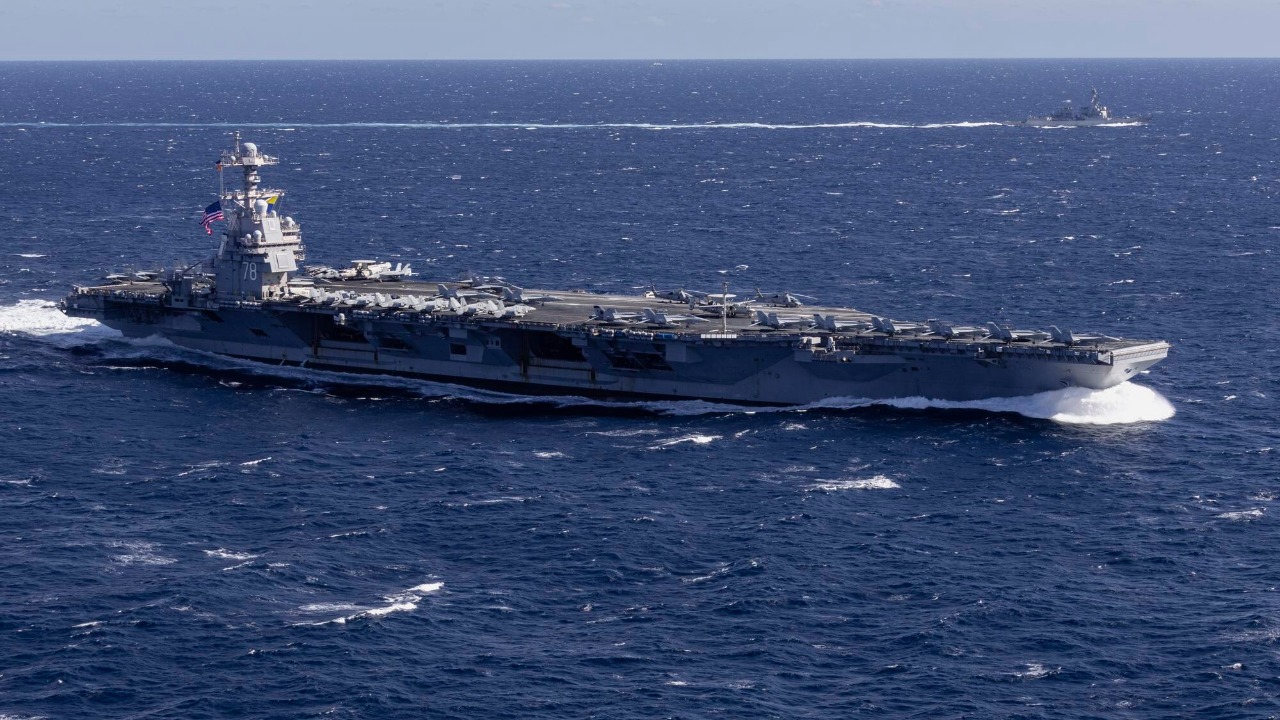
The transition from the Nimitz-class to the Ford-class supercarriers marks a significant evolution in naval engineering and operational efficiency. The Ford-class carriers incorporate advanced automation and design improvements that reduce crew requirements by up to 25% compared to their predecessors. This shift not only enhances operational efficiency but also reduces long-term personnel costs, reflecting a strategic adaptation to modern naval warfare demands.
The program’s inception in the early 2000s was driven by the need to address emerging global threats, with initial funding allocations of approximately $13.3 billion for the lead ship, CVN-78. This investment underscores the US Navy’s commitment to maintaining its technological edge and power projection capabilities. The 2009 contract award to Huntington Ingalls Industries for construction at Newport News Shipbuilding in Virginia marked a crucial step in realizing this vision, setting the stage for the next generation of naval dominance.
Key Milestones in Recent Construction
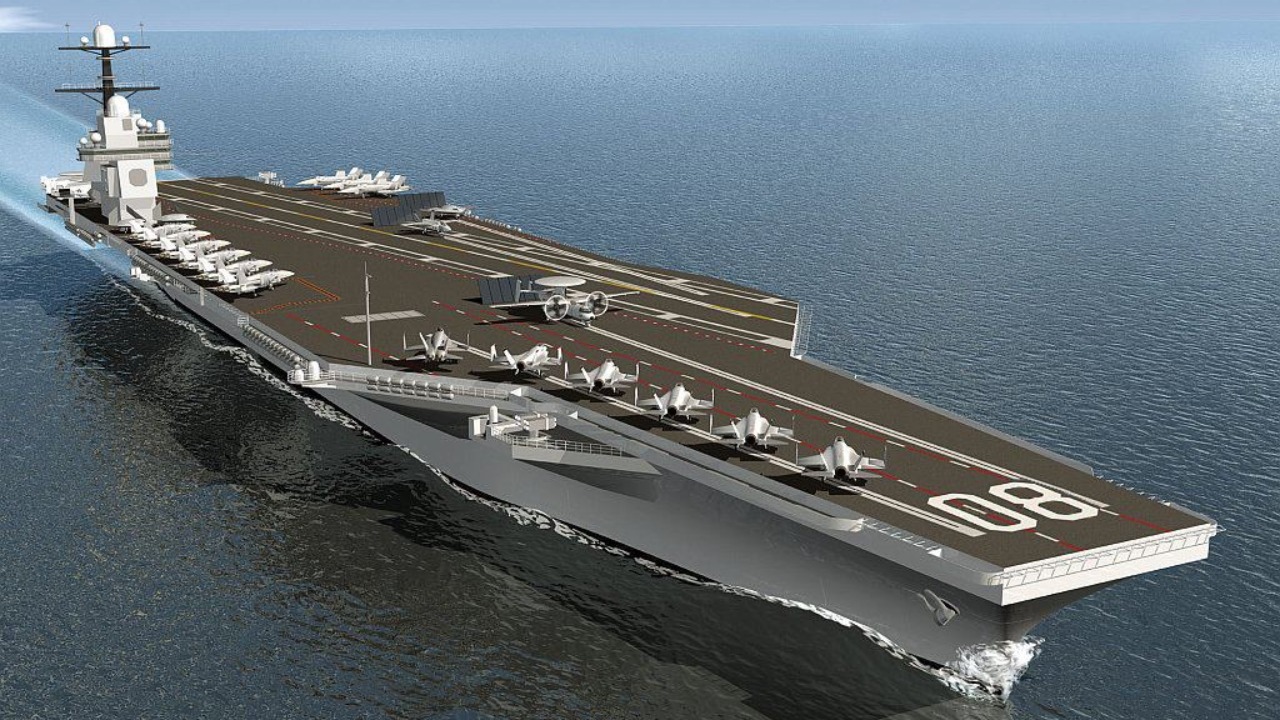
Recent advancements in modular construction techniques have significantly accelerated the assembly of the Ford-class carriers, reducing build time by an estimated 20% from earlier models. This efficiency is critical in meeting the strategic timelines for fleet readiness and deployment. The workforce at Newport News Shipbuilding has expanded to over 4,000 workers dedicated to the project, highlighting the economic and industrial impact of this ambitious undertaking.
While specific milestones for the USS Enterprise (CVN-80) are not detailed in the provided sources, the broader context of construction progress reflects a concerted effort to integrate major hull sections and advance the timeline toward delivery in the late 2020s. These developments are essential for maintaining the US Navy’s operational capabilities and strategic presence in key regions.
Technological Features and Capabilities
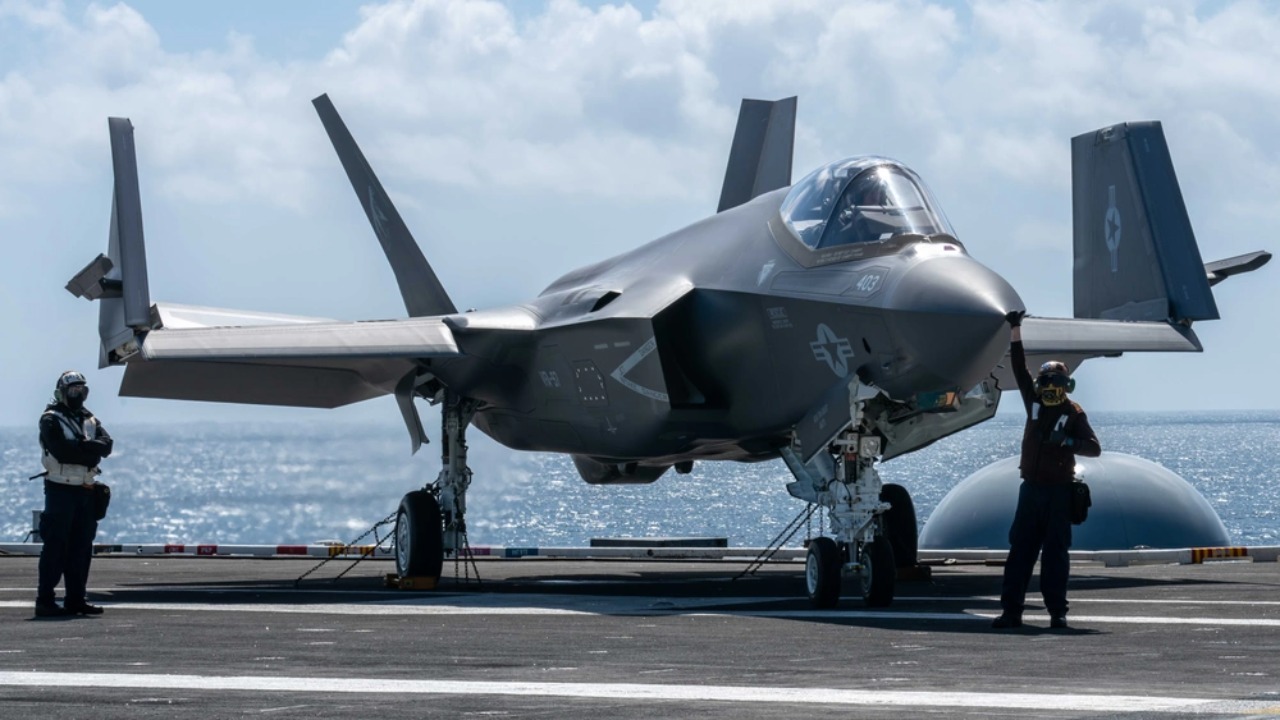
The Ford-class carriers are equipped with the Electromagnetic Aircraft Launch System (EMALS), which replaces traditional steam catapults. This system offers more precise and reliable aircraft operations, supporting the deployment of advanced aircraft such as the F-35C stealth fighters. The integration of EMALS represents a significant technological leap, enhancing the carrier’s operational flexibility and combat readiness.
Nuclear propulsion upgrades using A1B reactors provide 25% more electrical power than the systems used in the Nimitz-class carriers. This increased power capacity supports advanced weapons systems, including directed-energy defenses, and enables sustained operations over 20 years without refueling. Additionally, stealth enhancements, such as redesigned islands and deck coatings, aim to reduce the radar cross-section, further solidifying the carrier’s strategic advantage.
Strategic Implications for US Naval Dominance
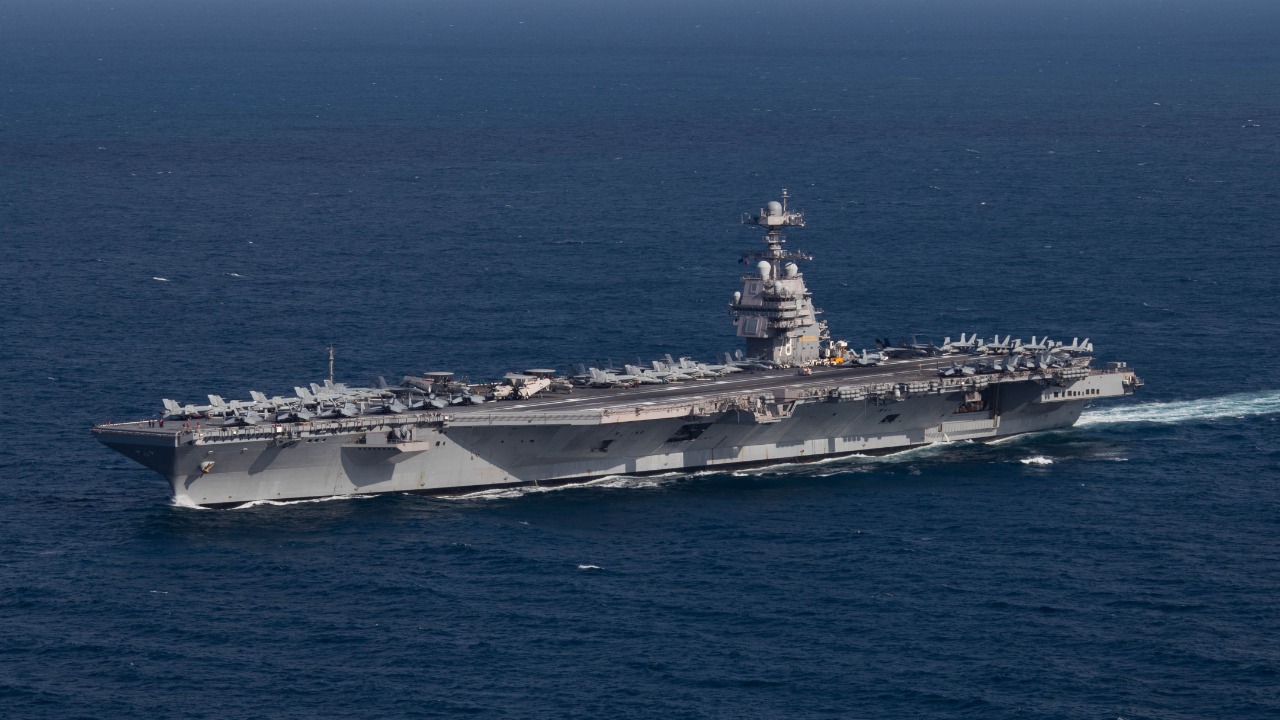
The deployment of Ford-class supercarriers significantly bolsters US presence in contested regions like the Indo-Pacific. These carriers enable sustained air superiority and integrate advanced drone and unmanned systems, enhancing the Navy’s ability to project power and deter potential adversaries. The strategic implications of these capabilities are profound, reinforcing the US’s role as a dominant maritime force.
Budgetary considerations are also pivotal, with annual funding requests around $2.5 billion per ship. These investments are justified through enhanced deterrence capabilities against peer adversaries, ensuring that the US Navy remains at the forefront of global naval power. Operational testing phases post-commissioning will further integrate these carriers with carrier strike groups, preparing them for multi-domain warfare scenarios.
Rival Developments in Global Naval Power
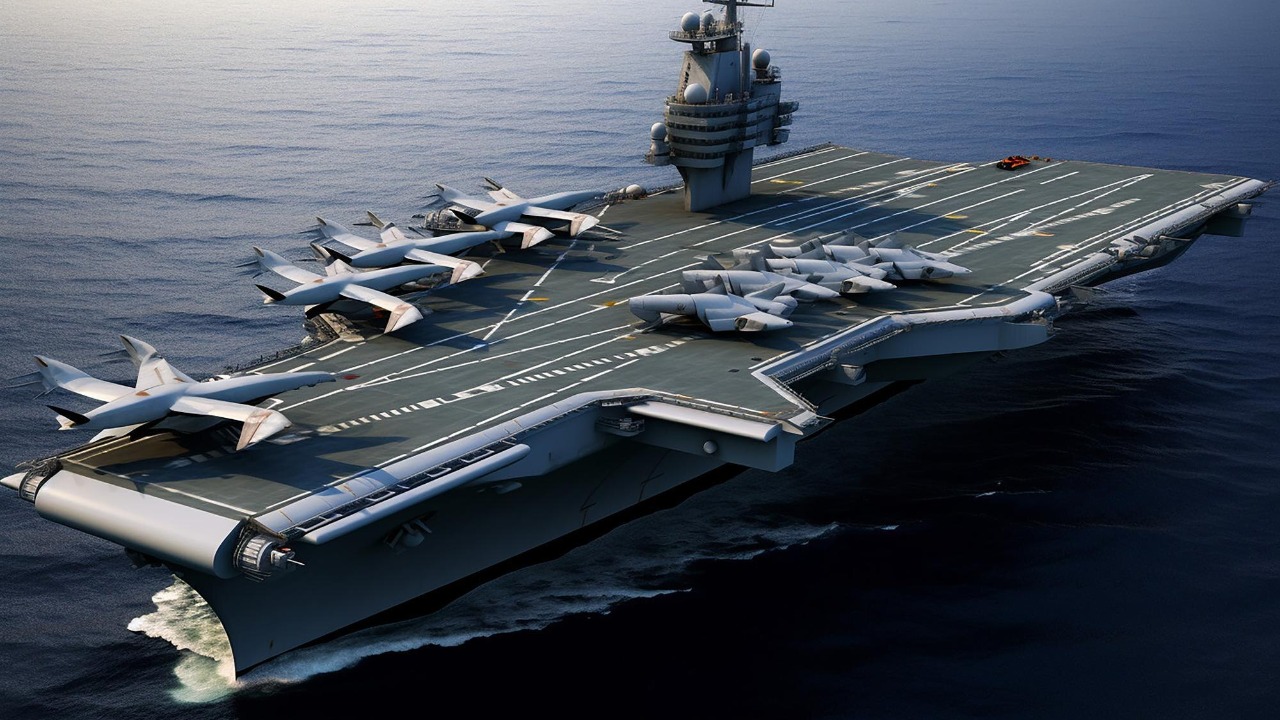
China has initiated the construction of a nuclear-powered Type 004 supercarrier at the Jiangnan Shipyard in Shanghai, potentially displacing 110,000 tons and rivaling US Ford-class vessels in size and capability. This development highlights the competitive landscape in global naval power, as China seeks to expand its carrier fleet to six ships by the 2030s. However, technological hurdles with propulsion systems may challenge China’s ambitions, providing a strategic advantage to the US Navy [source].
Despite these challenges, China is making strides in carrier capabilities, including plans for electromagnetic catapults and conventional take-off variants as precursors to its nuclear-powered ambitions. Reports indicate that Beijing’s massive nuclear-powered carrier build draws on satellite imagery of dock activities, suggesting significant progress in its naval expansion efforts [source].
Broader advancements in China’s carrier capabilities, such as recent leaps in J-35 stealth fighter integration, underscore the competitive dynamics in naval power. These developments reflect China’s commitment to enhancing its maritime capabilities, posing potential challenges to US naval supremacy [source]. However, the US Navy remains confident in its technological and strategic advantages, as highlighted by experts who suggest that China’s nuclear carrier ambitions may face significant obstacles [source].
