Natural disasters have been shaping human history since time immemorial, often bringing about dramatic and devastating changes. From volcanic eruptions to earthquakes, these cataclysmic events have left indelible marks on civilizations, sometimes even leading to their downfall.
The Eruption of Mount Vesuvius that Decimated Pompeii
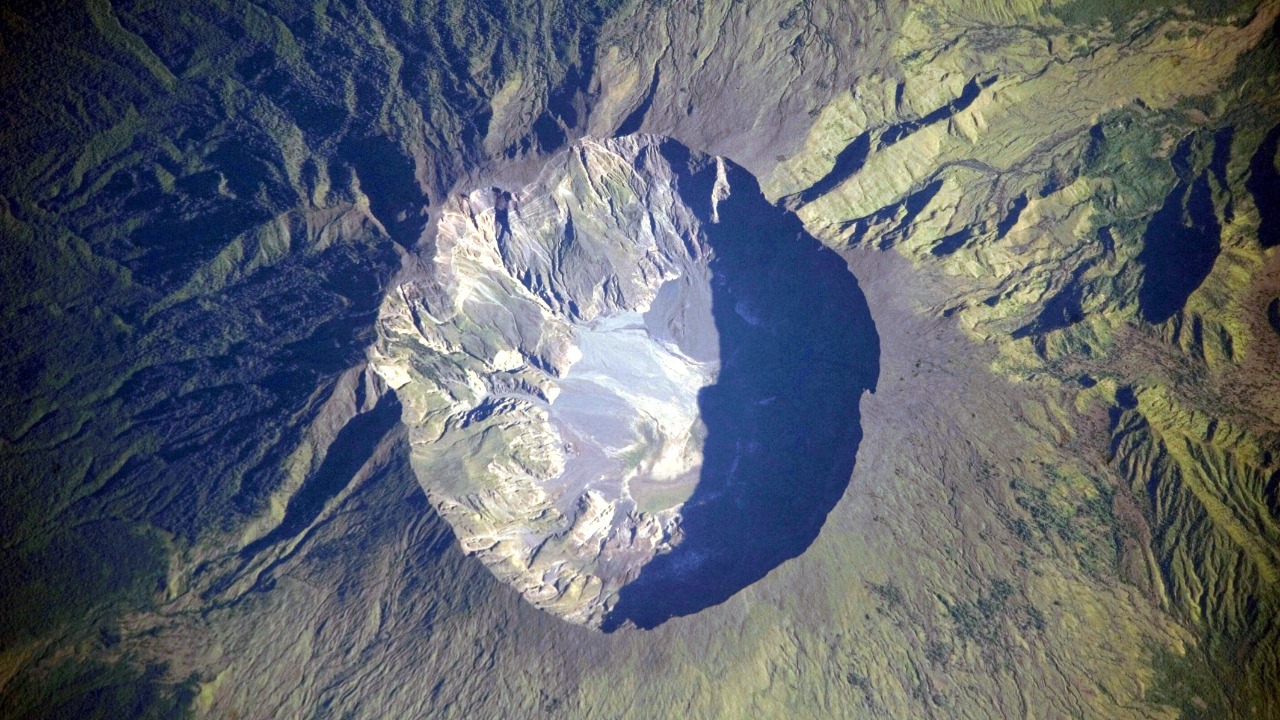
One of the most infamous volcanic eruptions in history is the eruption of Mount Vesuvius in 79 AD. This disaster completely wiped out the Roman city of Pompeii. The city and its inhabitants were buried under a thick layer of volcanic ash, preserving them in a macabre snapshot of daily life. The sudden loss of this city demonstrates the immediate and lasting impact that natural disasters can have on civilizations.
The 1556 Shaanxi Earthquake: China’s Deadliest Natural Disaster

Considered the deadliest earthquake in history, the 1556 Shaanxi earthquake resulted in approximately 830,000 deaths. The widespread devastation, including the collapse of numerous buildings and homes, greatly affected the Ming Dynasty. This event serves as a grim reminder of the potential for natural disasters to cause sweeping societal changes.
The Great Lisbon Earthquake and Tsunami of 1755
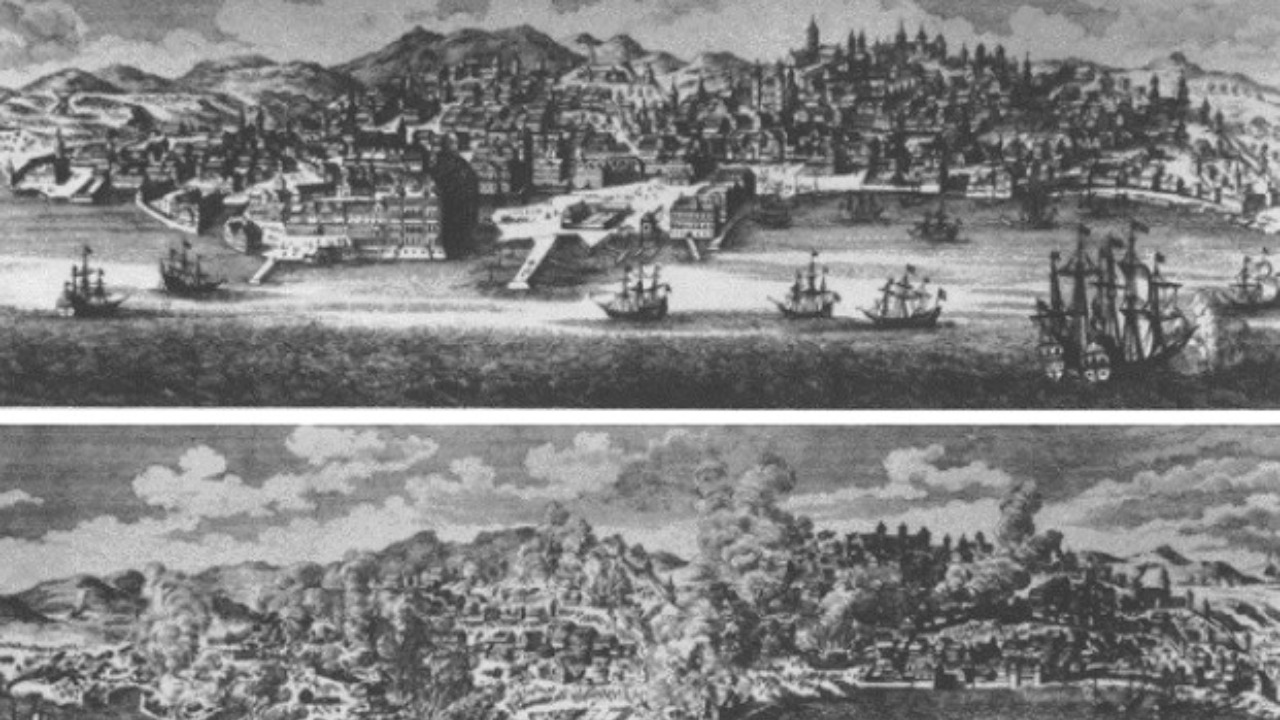
The Lisbon earthquake and subsequent tsunami in 1755 was a catastrophe that changed the course of Portugal’s history. The disaster destroyed much of Lisbon, including its royal palace and archives. The event spurred debates on theodicy and philosophical enquiry, laying the groundwork for the Age of Enlightenment.
The Sudden Devastation of the Minoan Civilization by a Volcanic Eruption
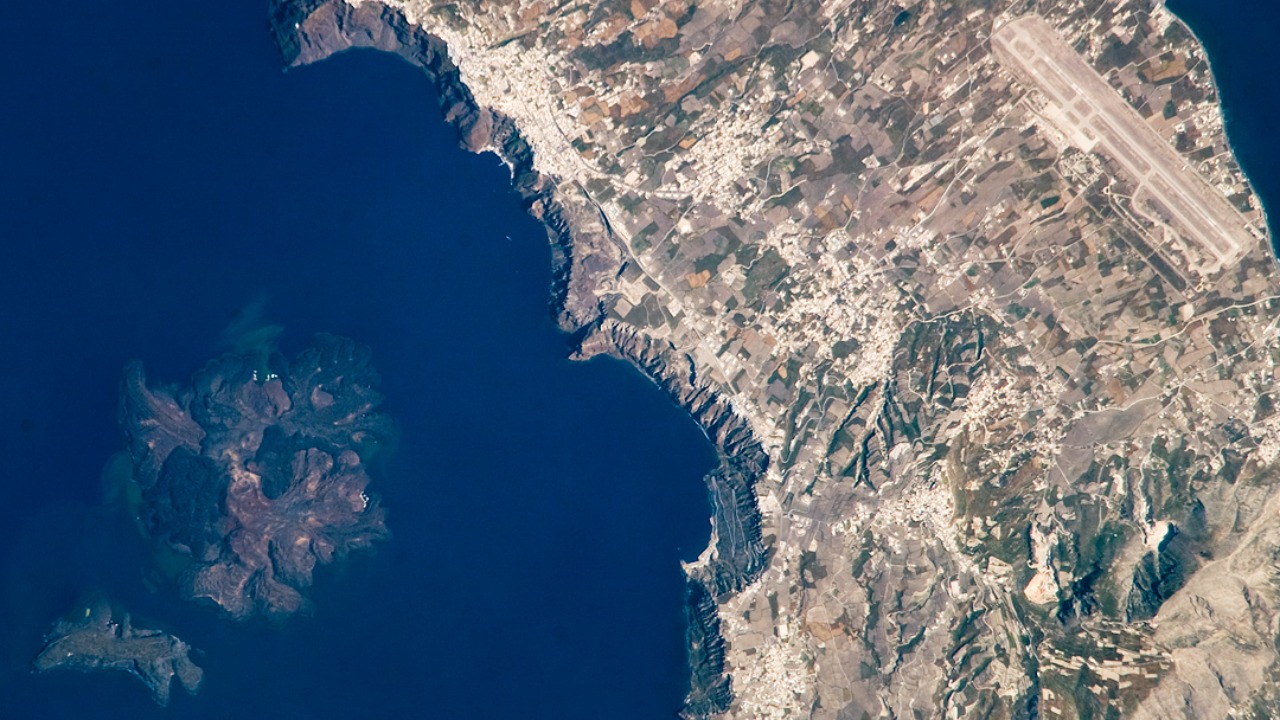
The eruption of Thera, now known as Santorini, around 1600 BC led to the rapid decline of the Minoan civilization. The massive volcanic event caused significant environmental damage and triggered a tsunami that likely destroyed the Minoan fleet and coastal settlements, leading to the civilization’s collapse.
The 1815 Eruption of Mount Tambora and its Global Impact
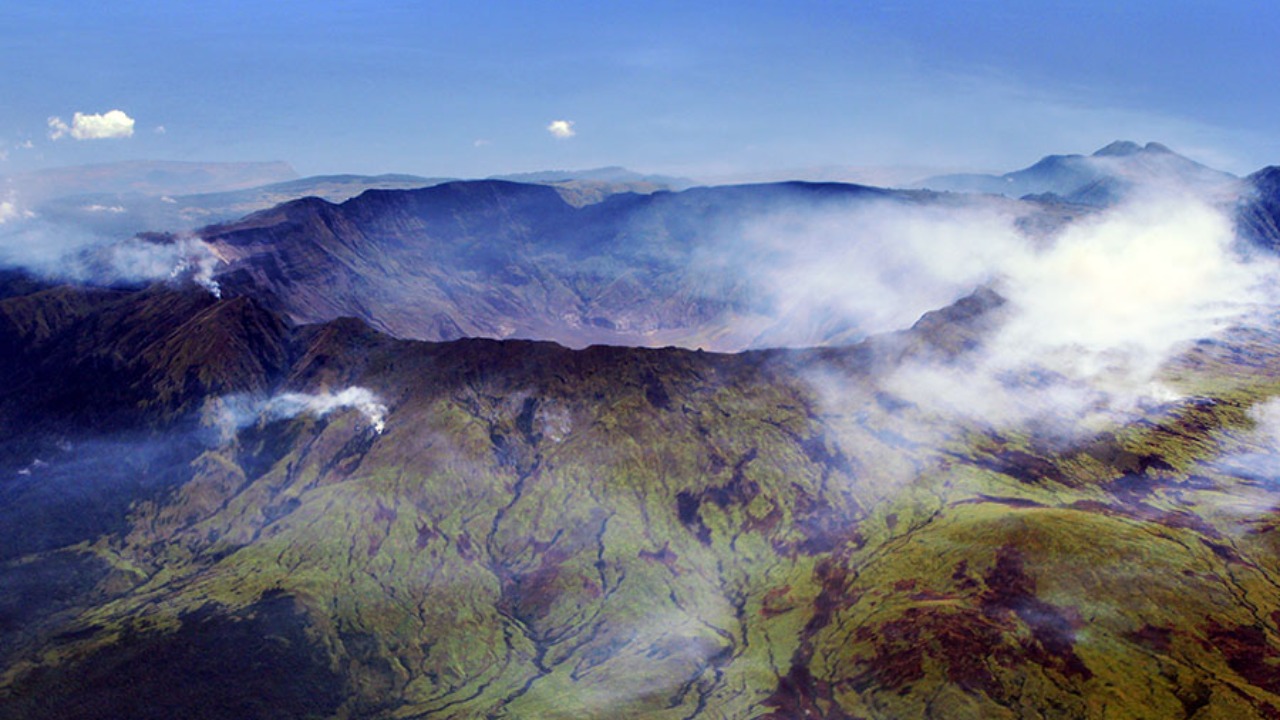
The eruption of Mount Tambora in 1815 was one of the most powerful eruptions in recorded history. Its aftermath disrupted global climate patterns, leading to the infamous “Year Without a Summer” in 1816. The climate changes triggered widespread crop failures and famine, showcasing how a local event can have far-reaching global consequences.
The Yellow River Floods: China’s Sorrow
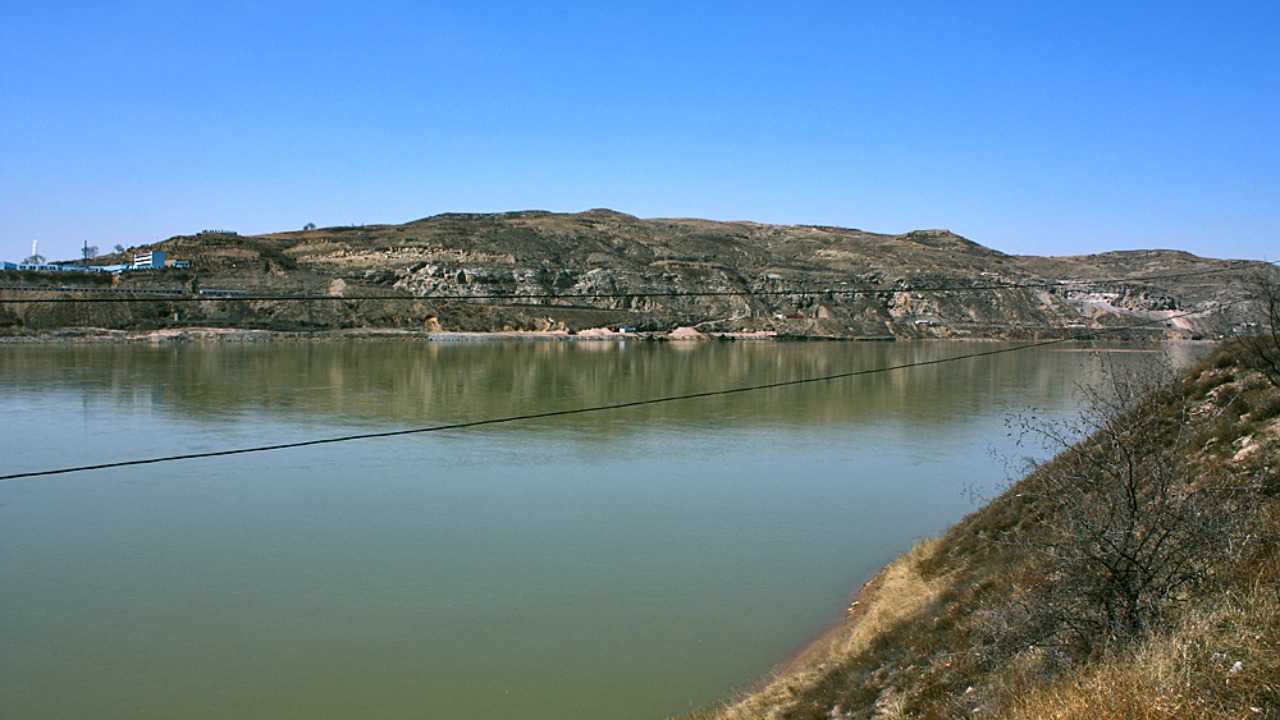
Known as “China’s Sorrow,” the Yellow River has been the site of numerous devastating floods throughout history. These disasters have led to massive loss of life and significant societal upheaval, underscoring the immense power of nature and its ability to shape the course of civilizations.
The 2010 Haiti Earthquake: A Modern-day Tragedy
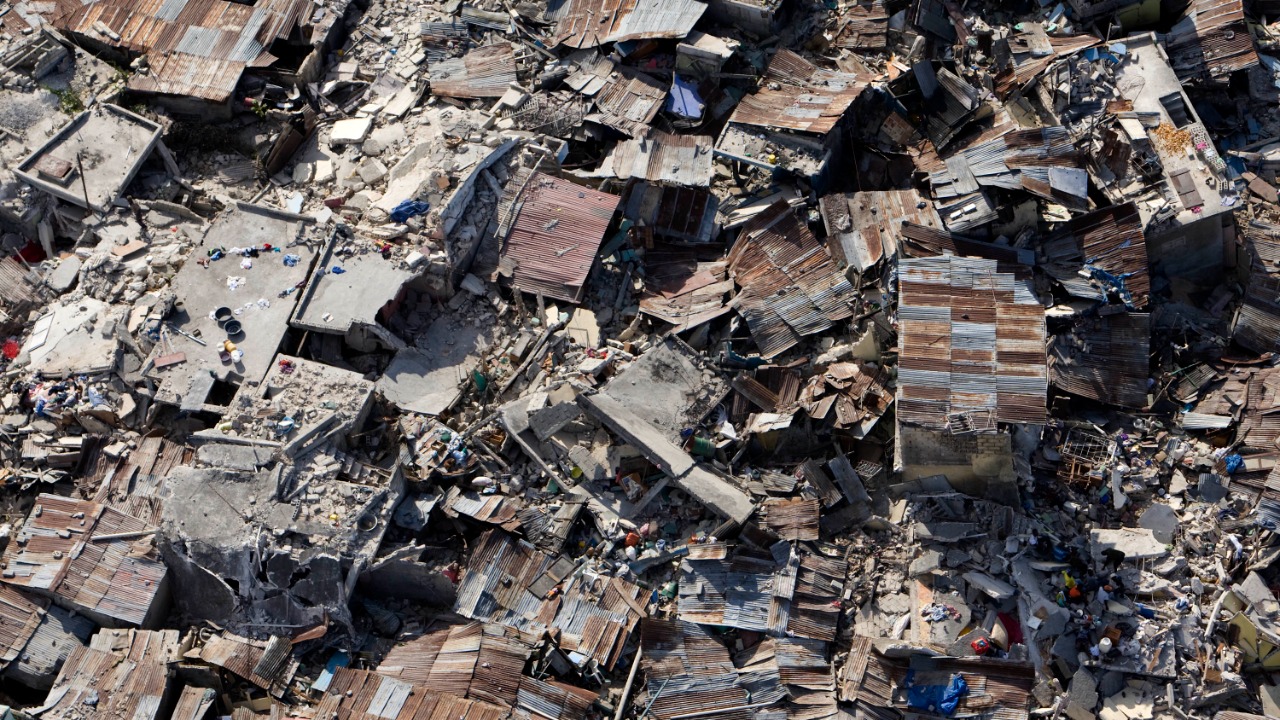
In recent history, the 2010 earthquake in Haiti stands as a stark reminder of the destructive power of nature. This 7.0 magnitude earthquake resulted in an estimated 230,000 deaths and brought about widespread destruction and displacement. The event and its aftermath have had a profound and lasting impact on Haiti and its people, illustrating the enduring effects of such disasters on contemporary societies.
