The Bugatti Veyron 16.4 Super Sport, with its quad-turbocharged W16 engine, holds the record for the most turbochargers in a production car. This engineering marvel, introduced in 2005, delivers a staggering 1,200 horsepower and can reach speeds exceeding 250 mph. While conceptual designs like the Devel Sixteen have claimed more turbochargers, none have made it to full production, leaving the Veyron unrivaled in this aspect.
Engine Design and Turbo Integration
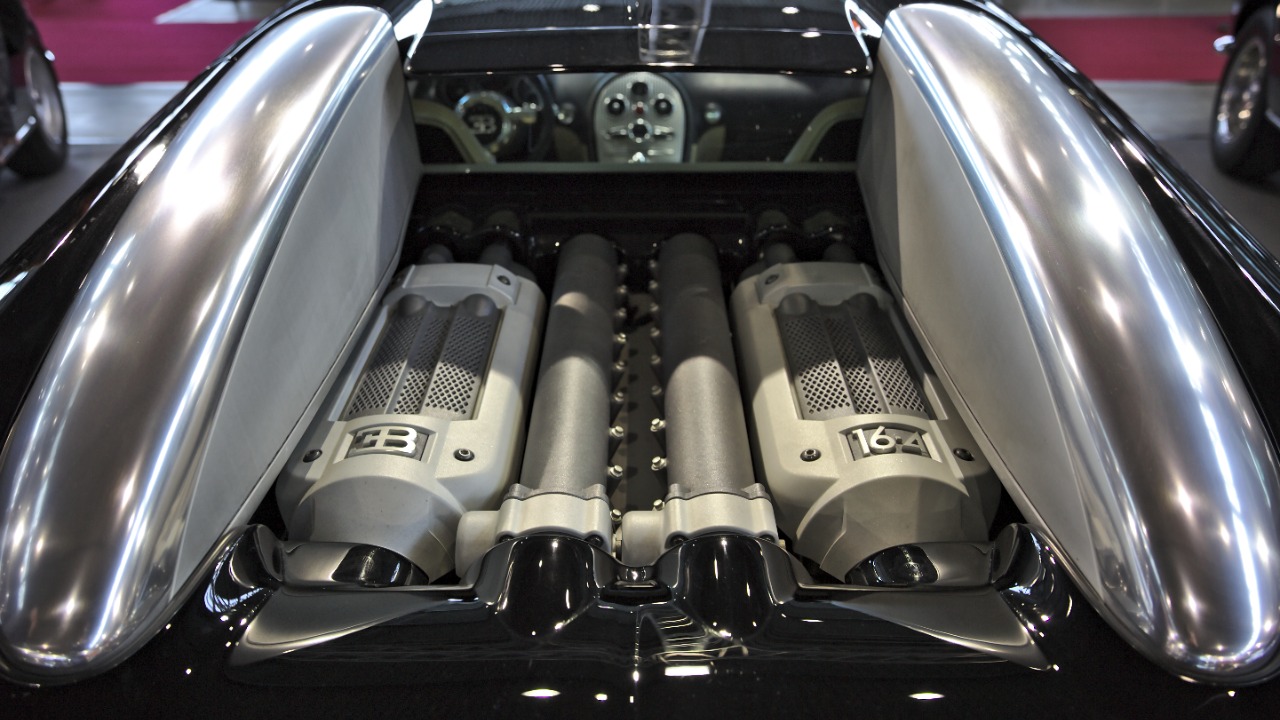
The Veyron’s W16 engine is a marvel of engineering, consisting of two V8 banks, each equipped with two turbochargers. These turbochargers, each with 45mm compressor wheels, work in a sequential boosting system. The smaller turbos spool up first, providing low-end response, while the larger ones kick in at high revs, delivering the power needed to achieve a 0-60 mph time of just 2.5 seconds.
Managing the heat generated by such a powerful engine is a challenge, and the Veyron meets it with dedicated intercoolers for each turbo. These cooling systems help manage the heat from the engine’s massive 8.0-liter displacement, ensuring the car’s performance remains consistent even under extreme conditions.
The Veyron’s engine design is a testament to Bugatti’s commitment to pushing the boundaries of automotive technology. The W16 engine, with its four turbochargers, is a feat of engineering that required extensive research and development. The engine’s unique configuration allows it to deliver unparalleled power and performance, making the Veyron a standout in the hypercar category.
The integration of the turbochargers into the engine design was a complex process. The sequential boosting system, which allows the smaller turbos to spool up first, followed by the larger ones at high revs, was a significant innovation. This system ensures that the Veyron delivers consistent power across the rev range, contributing to its impressive acceleration and top speed capabilities.
Historical Development of the Veyron
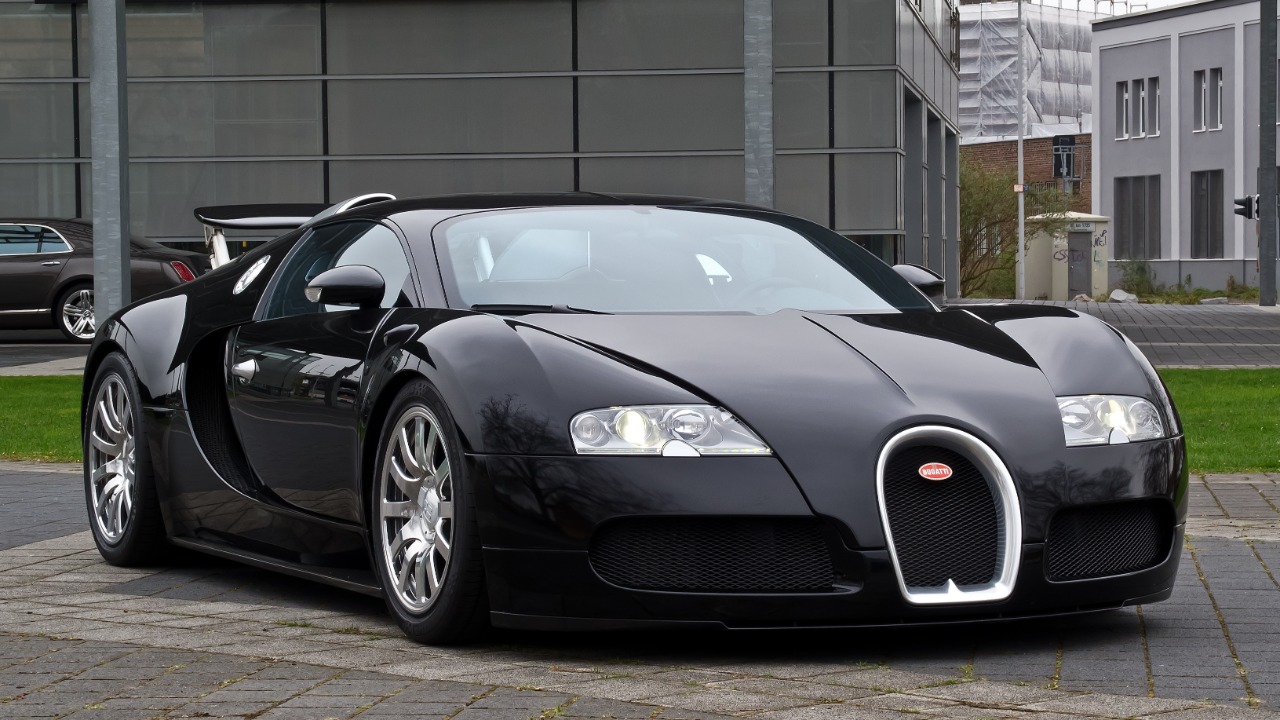
The Veyron project began under the Volkswagen Group in 1998, with the W16 concept evolving from the EB 18/4 prototype shown at the 1998 Tokyo Motor Show. The engineering challenges were immense, not least of which was the mandate from Pierre Piëch for a 1,000+ hp production car. This led to the reveal of the pre-production Veyron at the 2000 Geneva Motor Show.
The Veyron went into production in 2005 in Molsheim, France. The initial output was 987 hp, but this was increased to 1,200 hp in 2010 with the introduction of the Super Sport variant.
The development of the Veyron was a significant undertaking for the Volkswagen Group. The project required a dedicated team of engineers and designers, who worked tirelessly to overcome the numerous challenges associated with creating a car of this caliber. The Veyron’s development marked a new era in automotive design, setting a benchmark for performance and luxury that few other cars have been able to match.
The Veyron’s evolution from the EB 18/4 prototype to the production model was a journey filled with technological advancements and engineering breakthroughs. The introduction of the Super Sport variant in 2010, with its increased horsepower, was a testament to the continuous innovation and improvement that characterized the Veyron’s development process.
Performance Records and Achievements
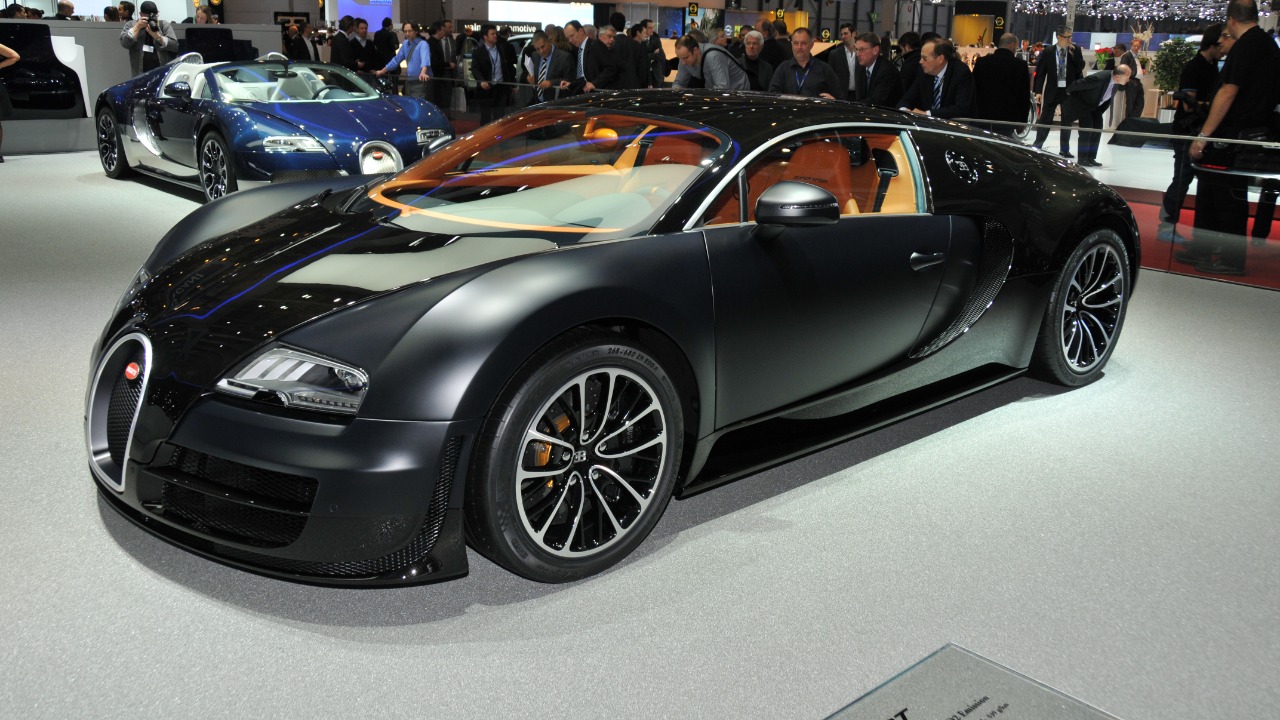
The Veyron Super Sport set a new top speed record in 2010, reaching 267.856 mph. This record, verified by TÜV Süd, surpassed the previous mark set by the SSC Aero and required significant chassis reinforcements. The quad-turbo setup also enabled impressive acceleration feats, including a quarter-mile time of 9.9 seconds at 234 mph.
Only 30 Super Sport units were produced, each selling for €2.4 million. These cars featured carbon fiber modifications for improved stability at high speeds.
The Veyron Super Sport’s top speed record is a testament to the car’s exceptional engineering and design. The record-breaking speed was achieved through a combination of the car’s powerful engine, aerodynamic design, and advanced materials. The Veyron’s performance records have cemented its place in automotive history, demonstrating the capabilities of the quad-turbo setup.
The limited production of the Super Sport units further adds to the car’s exclusivity and allure. The high price tag reflects the car’s exceptional performance capabilities, as well as the extensive research and development that went into its creation. The Veyron Super Sport is not just a car, but a symbol of engineering excellence and luxury.
Comparisons to Other Multi-Turbo Cars
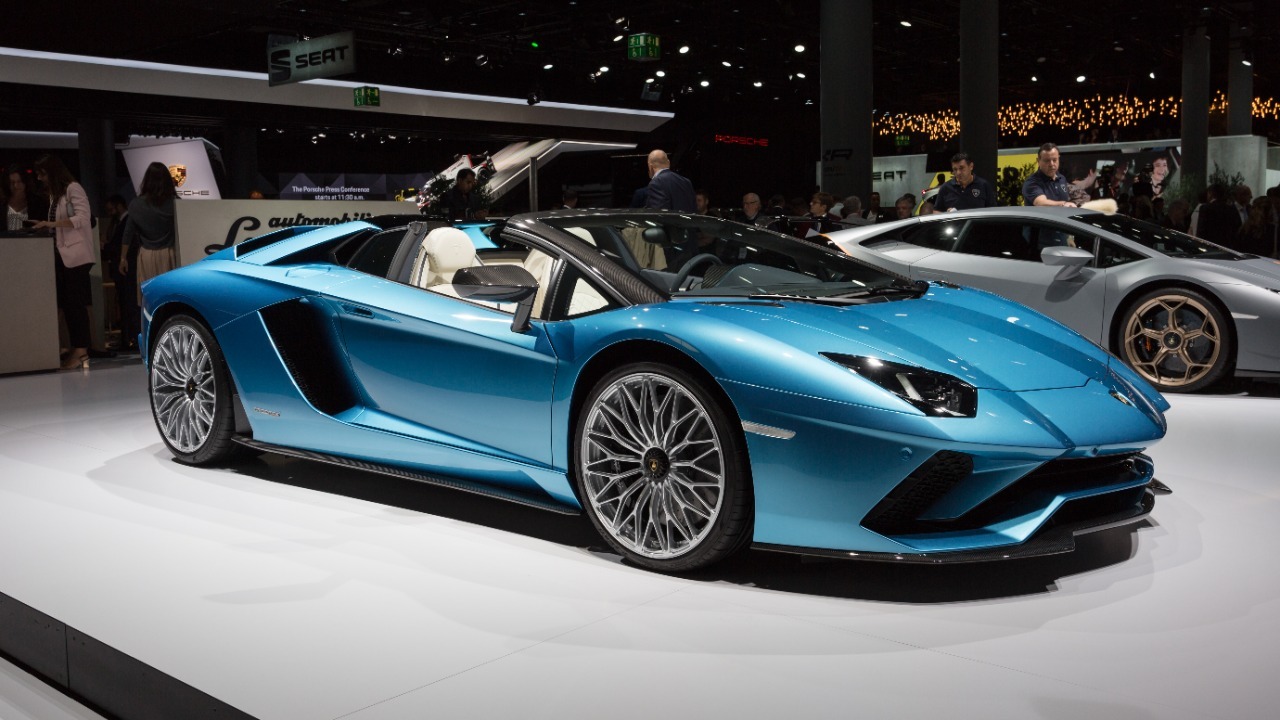
Compared to the naturally aspirated V12 engine of the Lamborghini Aventador, the Veyron’s forced induction system offers superior power density. The Koenigsegg Agera RS, on the other hand, produces 1,160 hp with just two turbochargers, highlighting the Veyron’s efficiency in using four smaller units.
In the diesel realm, the Audi SQ7’s 4.0-liter V8 features three turbos, but it still falls short of the Veyron’s four in a gasoline passenger car context.
When compared to other multi-turbo cars, the Veyron stands out for its innovative use of four turbochargers. While other cars, such as the Koenigsegg Agera RS, have achieved impressive power outputs with fewer turbochargers, the Veyron’s quad-turbo setup allows it to deliver unmatched performance. The Veyron’s engine design and turbo integration set a new standard in the hypercar category.
In the realm of diesel cars, the Veyron’s four turbochargers are unmatched. The Audi SQ7, with its three turbos, demonstrates the potential of multi-turbo systems in diesel engines, but the Veyron’s quad-turbo setup remains unique in the world of gasoline passenger cars.
Engineering Innovations and Challenges
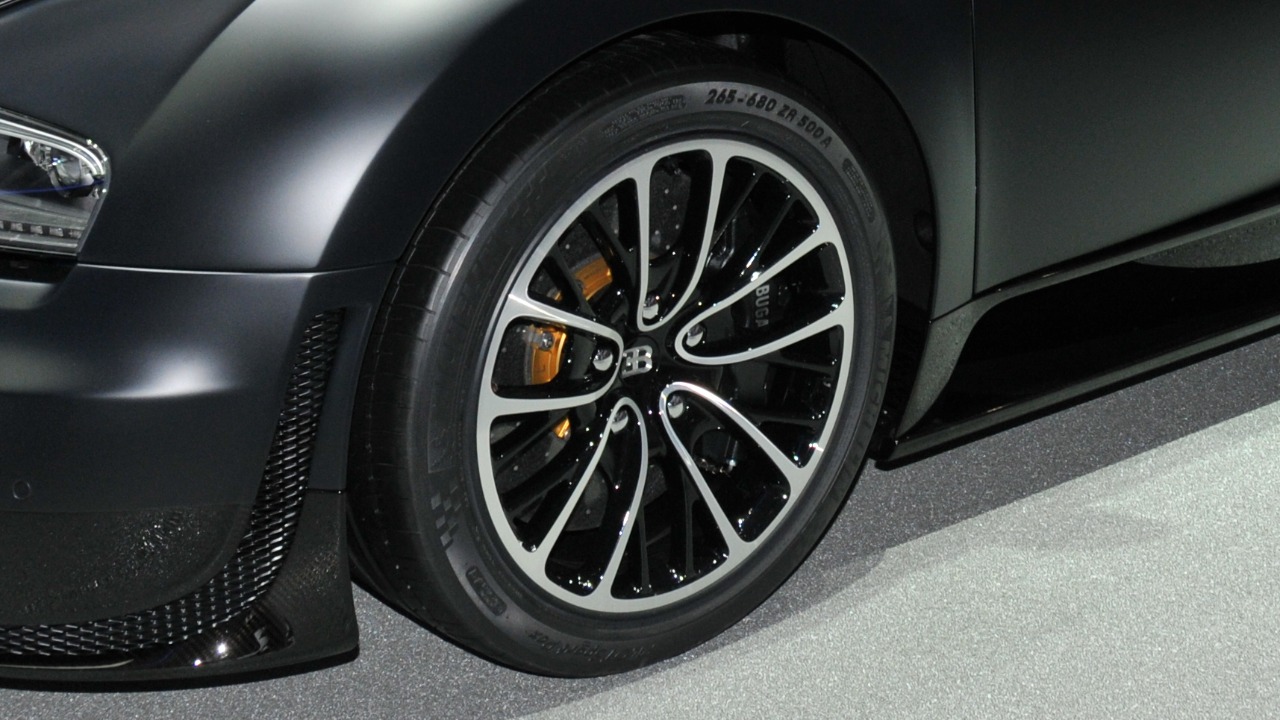
The Veyron’s all-wheel-drive system integrates the quad-turbo power through a seven-speed dual-clutch transmission, handling 1,500 Nm of torque without slippage. Weight management was another challenge, with the car’s 4,409-pound curb weight offset by low-profile Pirelli P Zero tires designed specifically for 250+ mph speeds.
Reliability issues, such as early turbo lag, were mitigated by electronic wastegate controls. The car also requires a large 450-liter fuel tank to ensure a reasonable range given its high fuel consumption.
The Veyron’s engineering innovations extend beyond its engine design and turbo integration. The car’s all-wheel-drive system and seven-speed dual-clutch transmission are examples of the advanced technology used in the Veyron. These systems allow the car to handle the immense power and torque produced by the engine, contributing to the Veyron’s exceptional performance.
The challenges faced during the Veyron’s development, such as managing the car’s weight and dealing with reliability issues, were significant. However, these challenges were met with innovative solutions, such as the use of low-profile Pirelli P Zero tires and electronic wastegate controls. These innovations highlight Bugatti’s commitment to overcoming obstacles in the pursuit of automotive excellence.
Legacy and Influence on Hypercars
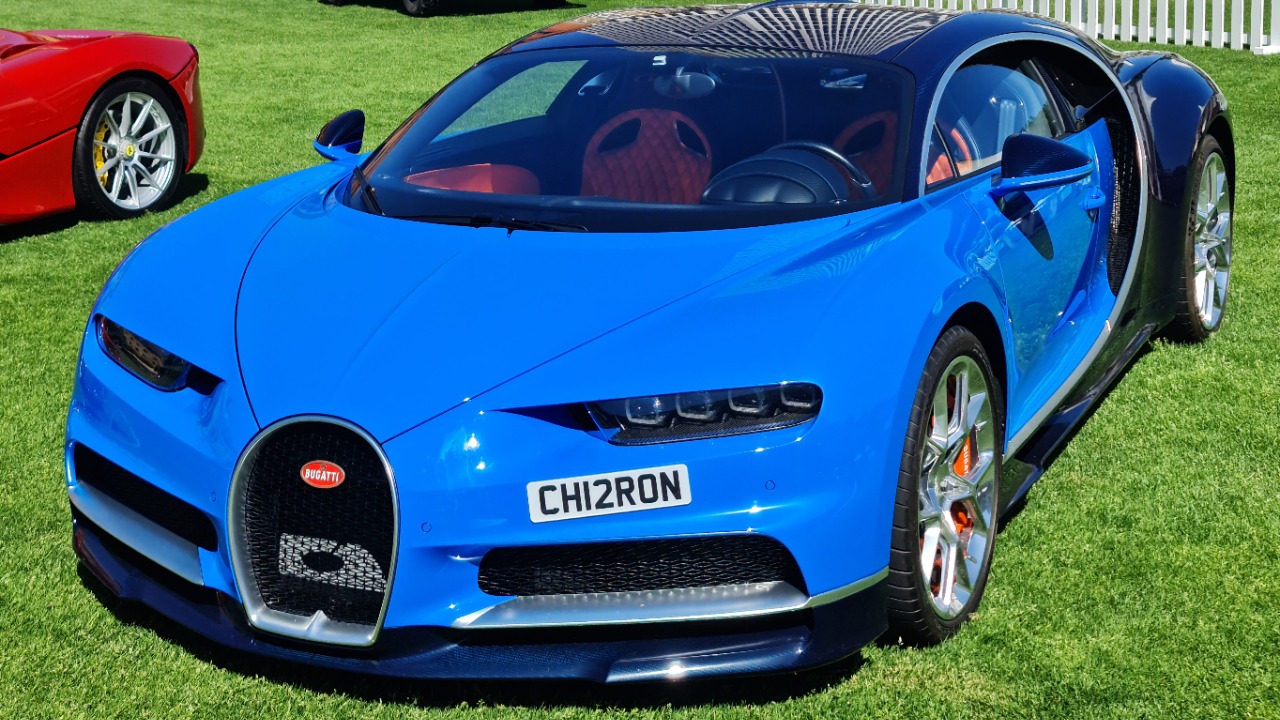
The Veyron’s influence can be seen in successors like the Bugatti Chiron, which retained the quad-turbo W16 engine and increased the power output to 1,500 hp starting in 2016. The Veyron’s cultural impact is also significant, with appearances in films like “Iron Man 2” and ownership by celebrities such as Tom Cruise reinforcing its status as an automotive icon.
Production of the Veyron ended in 2015 after 450 units, with the final Grand Sport Vitesse auctioned for $1.9 million. This marked the end of an era, but the Veyron’s record for turbo count in a production car remains unbroken.
The Veyron’s legacy extends beyond its impressive performance records and technological innovations. The car’s influence on the hypercar category is significant, with many subsequent models incorporating elements of the Veyron’s design and engineering. The Veyron’s quad-turbo W16 engine, in particular, has had a lasting impact on the industry, inspiring other manufacturers to push the boundaries of what is possible in a production car.
The Veyron’s cultural impact is also noteworthy. The car’s appearances in films and its ownership by celebrities have contributed to its iconic status. The Veyron is not just a car, but a symbol of luxury, performance, and engineering excellence. Its influence will continue to be felt in the automotive industry for years to come.
