When astronauts journeyed to the moon, they inadvertently took along microscopic passengers. These microorganisms, or microbes, have raised intriguing questions about life’s resilience and the potential implications for future space exploration.
The Microscopic Stowaways: An Overview
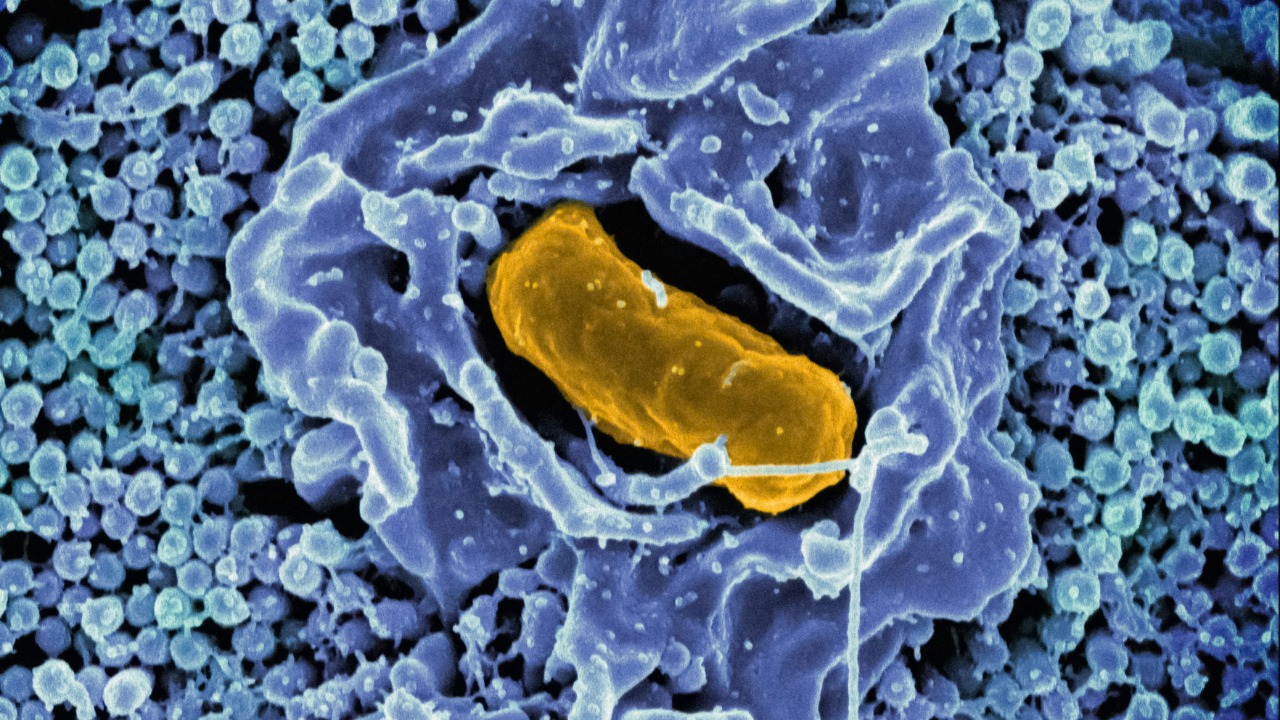
It’s nearly impossible for astronauts not to carry microbes with them to space. Despite rigorous cleaning and sterilization procedures, some resilient microorganisms manage to hitch a ride on spacecrafts. These are typically bacteria, fungi, and viruses that live on and within the human body.
The potential implications of these microbes surviving in space environments are numerous. They may alter the environment of extraterrestrial bodies, impact the search for extraterrestrial life, and even pose a risk to astronaut health. Moreover, understanding these microbes’ survival mechanisms could contribute to our knowledge of life’s ability to withstand harsh conditions.
The Survival of Streptococcus mitis: A Case Study
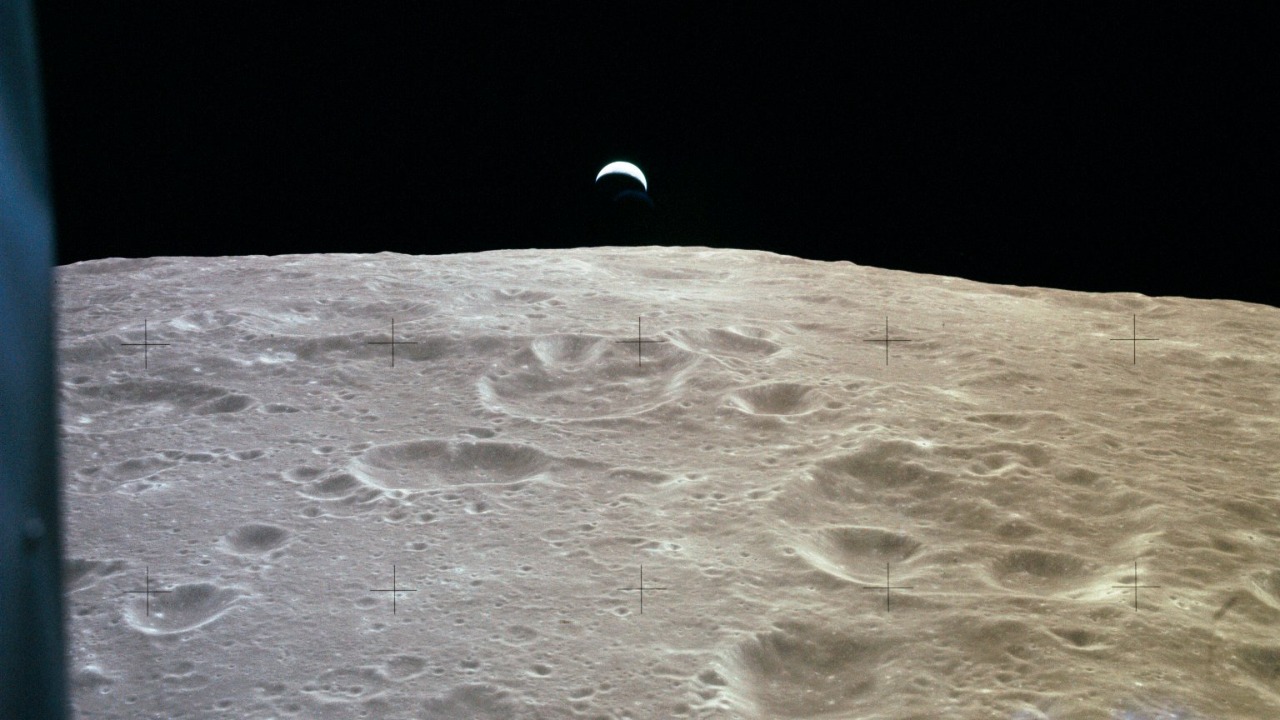
A notable instance of microbial stowaways involves the bacterium Streptococcus mitis. Allegedly, this bacterium was found on the moon, having survived there for nearly three years after the Apollo 12 mission. This discovery sparked controversy, as some scientists argued the bacterium could have contaminated the sample post-recovery.
Regardless, the potential survival of Streptococcus mitis on the moon raises intriguing questions about life’s resilience. If confirmed, it would mean that certain Earth-origin bacteria could survive in the harsh lunar environment, thus expanding our understanding of the limits of life.
The Protective Measures: Mitigating Microbial Contamination
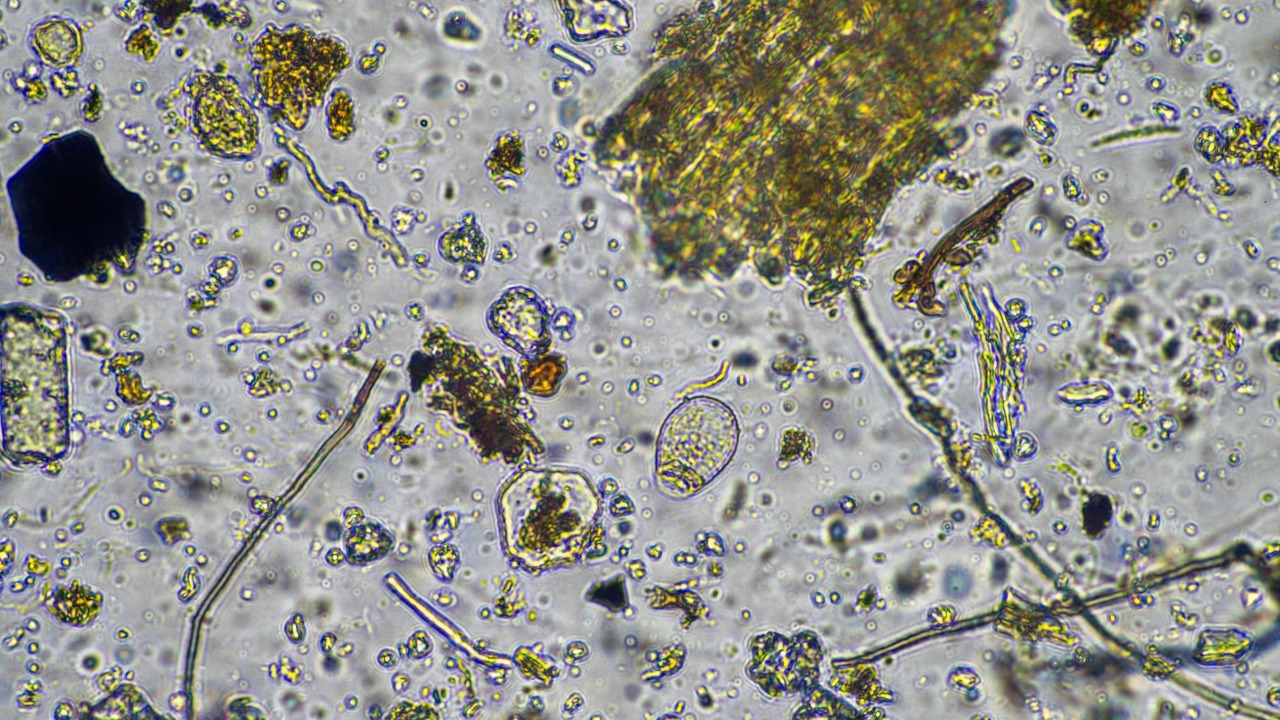
To prevent microbial contamination of extraterrestrial bodies, NASA has implemented strict planetary protection policies. These procedures involve rigorous cleaning and sterilization of spacecraft, as well as containment measures for samples returned from space.
Yet, these measures are not foolproof. Some resilient microbes, known as extremophiles, can withstand harsh sterilization procedures. Therefore, the possibility of microbial contamination remains. As we plan more ambitious space missions, it may be necessary to develop even more stringent measures to prevent contamination.
The Future Implications: Extraterrestrial Life and Space Exploration
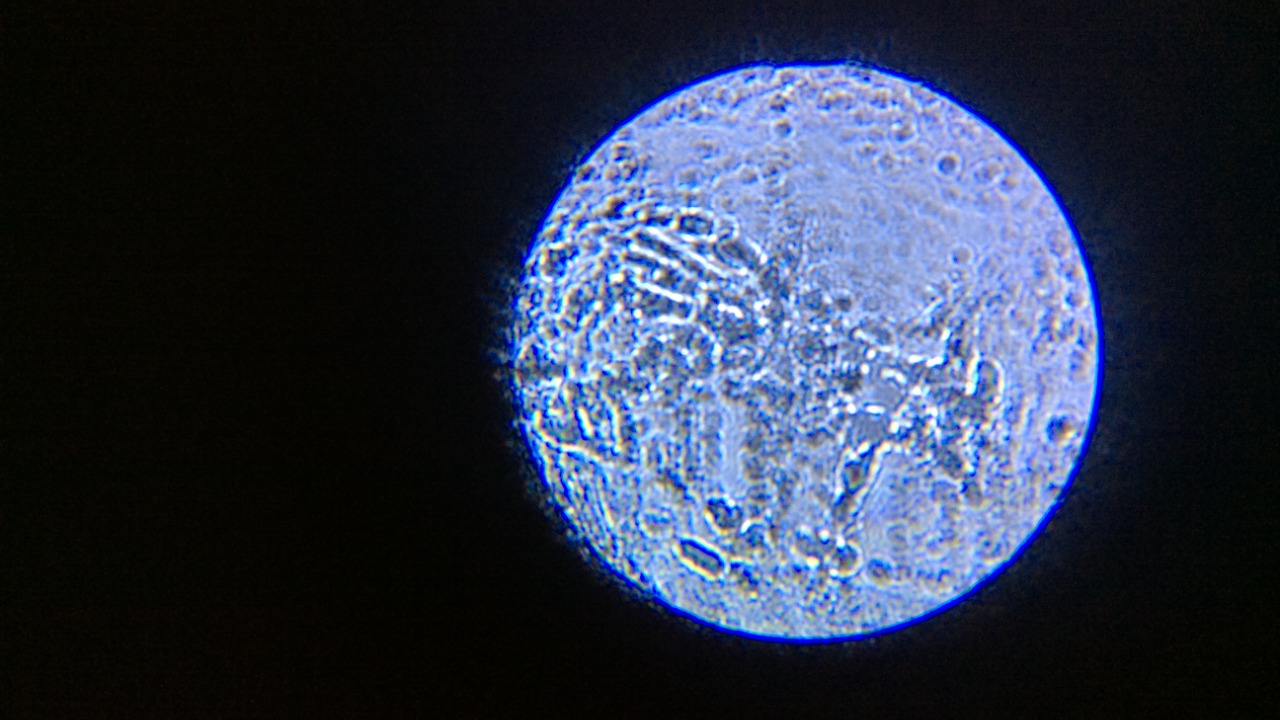
The presence of Earth-origin microbes on the moon and other extraterrestrial bodies could significantly impact the search for extraterrestrial life. If these bodies are already contaminated with Earth microbes, it may be challenging to distinguish between indigenous extraterrestrial life and Earth-origin life. This issue, often referred to as “forward contamination,” is a significant concern in astrobiology.
On the other hand, understanding how microbes survive in space could have practical applications for future space exploration. For instance, microbes could potentially be used in terraforming plans, where they could help transform extraterrestrial environments to make them more suitable for human habitation. However, such plans also raise ethical considerations about the right to alter extraterrestrial environments.
The Ongoing Research: Unraveling the Microbe Mystery
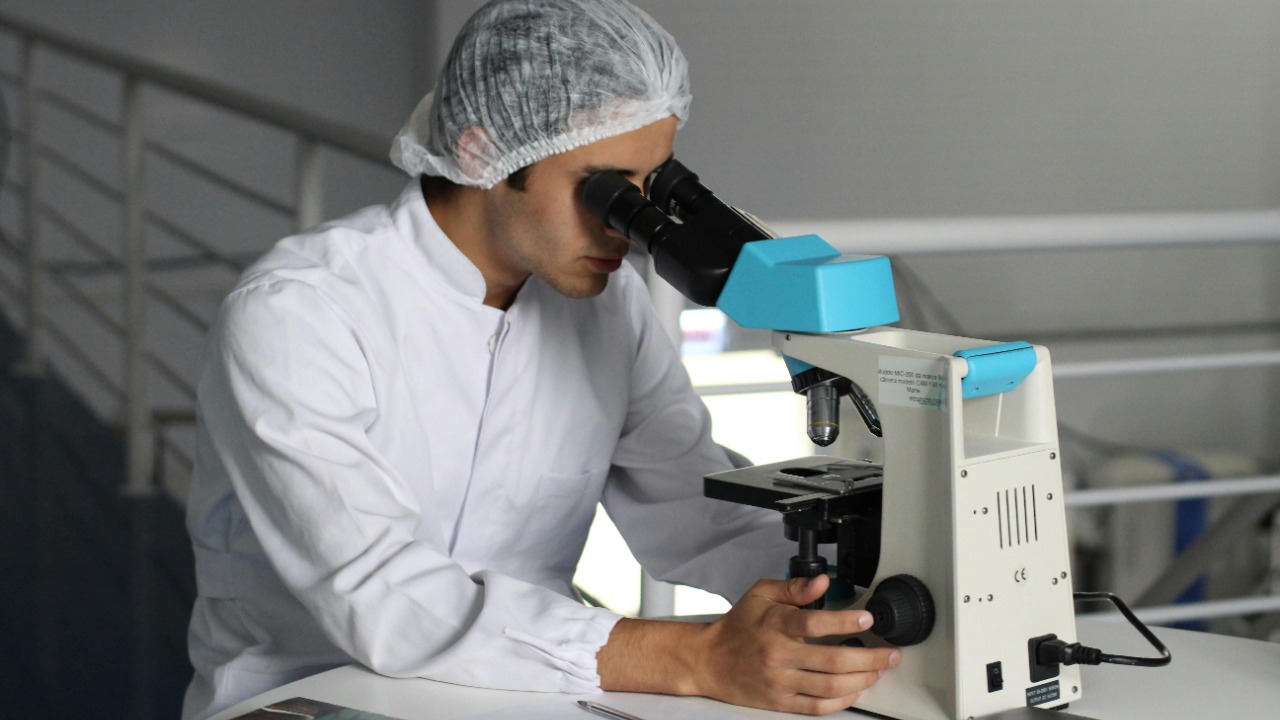
Scientists are actively investigating the microbial life that astronauts have brought to the moon. Current research efforts focus on understanding what types of microbes can survive in space, how they do so, and what effects they might have on extraterrestrial environments. This research, however, is not without challenges.
The extreme conditions of space make it difficult to study microbes in their natural environment. Moreover, it is challenging to ensure that samples returned from space are not contaminated upon their return to Earth. Despite these challenges, ongoing research in this field holds the potential for significant advancements and breakthroughs. For instance, it could shed light on the limits of life’s resilience, inform planetary protection policies, and even contribute to plans for future space exploration.
While the topic of astronauts contaminating the moon with microbes might seem like a small piece of the puzzle, it is, in fact, a significant aspect of our journey to understanding space and our place within it. As we continue to explore the cosmos, it’s crucial to remember that we’re not just exploring for ourselves – we’re also exploring for the billions of microscopic organisms that call us home.
