The mission to colonize Mars has captured the imagination of scientists and enthusiasts alike. With NASA and SpaceX leading the charge, the once distant dream of establishing a human settlement on the Red Planet is gradually becoming a reality. The plans and preparations for this colossal task are intricate and multifaceted, aiming to overcome the numerous challenges that lie ahead.
The Vision and Goals of Mars Colonization

NASA’s Mars Objectives
NASA’s involvement in Mars exploration is driven by scientific curiosity and the urge to expand human presence beyond Earth. One of the primary goals is the search for past life on Mars. By examining the planet’s geology and climate history, NASA aims to uncover clues about its potential to support life. Moreover, understanding Mars’ environment will help prepare for future human habitation, ensuring that astronauts can survive and thrive on the Martian surface.
The agency continues to develop advanced technologies to facilitate these objectives. The Perseverance rover, for example, is equipped with instruments to collect and analyze soil samples, paving the way for future human missions. This aligns with NASA’s long-term goal of sending astronauts to Mars in the 2030s, as outlined in their Vision for Space Exploration.
SpaceX’s Ambitious Plans
SpaceX, led by Elon Musk, has an even more ambitious vision for Mars. The company’s ultimate goal is to establish a self-sustaining city on the planet, allowing humans to live independently from Earth. SpaceX aims to launch the first human missions to Mars by the mid-2020s, using their Starship spacecraft. The timeline is aggressive, but SpaceX believes it is achievable through rapid iteration and technological innovation.
While SpaceX’s plans are bold, they play a crucial role in pushing the boundaries of what’s possible. The company is investing heavily in the development of reusable rockets and spacecraft, which are essential for reducing the cost of interplanetary travel. Through these efforts, SpaceX hopes to make Mars colonization not just a possibility, but a reality within our lifetimes.
International Collaboration and Competition
The race to Mars is not limited to NASA and SpaceX. Countries like China, Russia, and the European Union are also investing in Mars exploration, each with their own objectives and timelines. This competitive landscape has sparked a new era of space exploration, where international collaboration and competition coexist.
Collaborative efforts are already underway, with agencies like the European Space Agency (ESA) partnering with NASA on various missions. Such partnerships are crucial for sharing knowledge, resources, and technology, ultimately increasing the chances of a successful Mars mission. However, competition remains a driving force, pushing each entity to innovate and strive for excellence in their respective pursuits.
Technological Innovations and Challenges
Starship Development and Capabilities
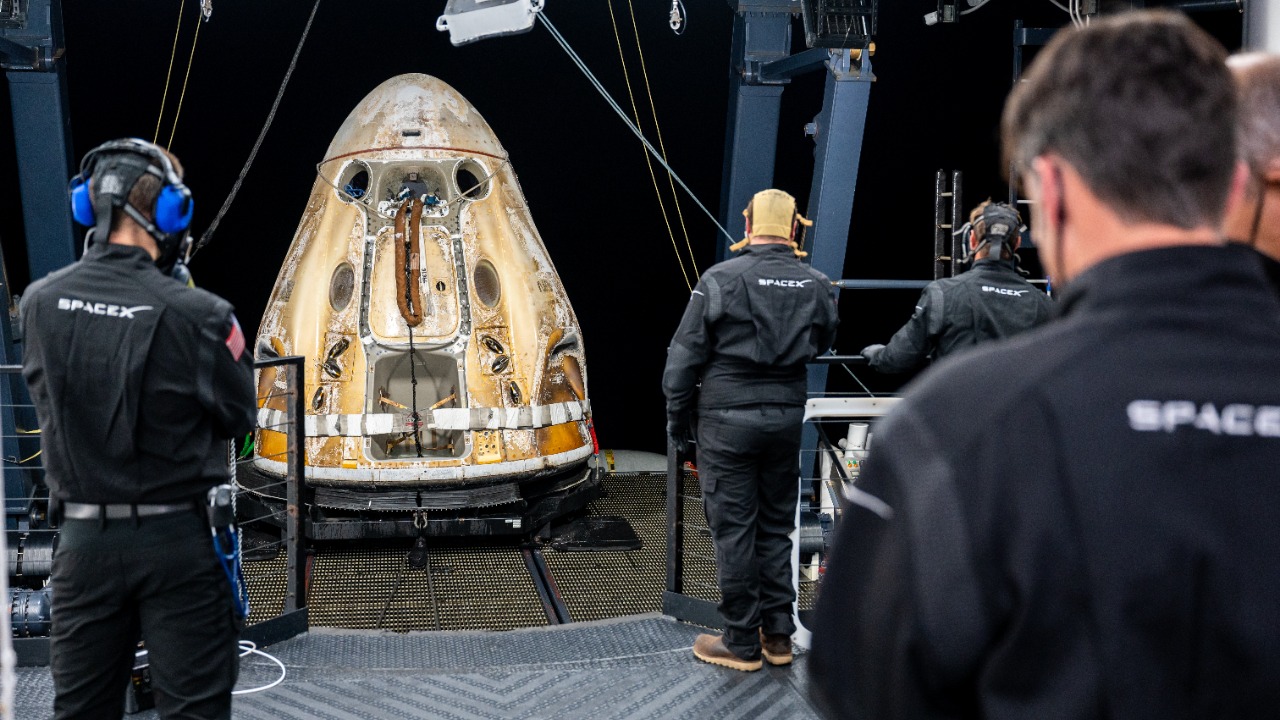
SpaceX’s Starship is at the heart of its Mars colonization efforts. The spacecraft is designed to transport up to 100 people along with cargo, making it a key component of the mission. Starship’s design emphasizes reusability, with the aim of reducing costs and increasing the frequency of launches. The spacecraft is equipped with advanced heat shields, powerful engines, and a spacious interior, making it well-suited for the long journey to Mars.
Despite its promising design, Starship faces significant challenges. Successfully landing on Mars’ surface, with its thin atmosphere and varying terrain, requires precise engineering and navigation. SpaceX continues to refine Starship through rigorous testing, with hopes that it will be ready for its first Mars mission by the late 2020s.
Life Support and Sustainability
Establishing a permanent human presence on Mars necessitates robust life support systems. Technologies for water extraction, food production, and radiation protection are critical for ensuring the well-being of Mars settlers. Water can be extracted from subsurface ice, while hydroponic systems could be used to grow food in controlled environments.
Radiation protection poses a significant challenge due to Mars’ thin atmosphere and lack of a magnetic field. Innovations in materials science and habitat design are being explored to mitigate these risks. The development of these technologies is crucial for creating a sustainable and safe environment for humans on Mars.
Overcoming Mars’ Hostile Environment
Mars’ hostile environment presents numerous challenges, including extreme temperatures, dust storms, and reduced gravity. Engineers and scientists are developing innovative solutions to address these issues. For example, advanced insulation materials and climate control systems are being designed to maintain stable temperatures within habitats.
Dust storms, which can last for weeks, pose a threat to solar power generation and infrastructure. Researchers are exploring alternative energy sources, such as nuclear power, to ensure a reliable energy supply. Additionally, the reduced gravity on Mars, which is about 38% of Earth’s, requires adaptations in equipment and infrastructure to accommodate human physiology and operational needs.
Logistics of the Journey and Settlement
Mission Timelines and Phases
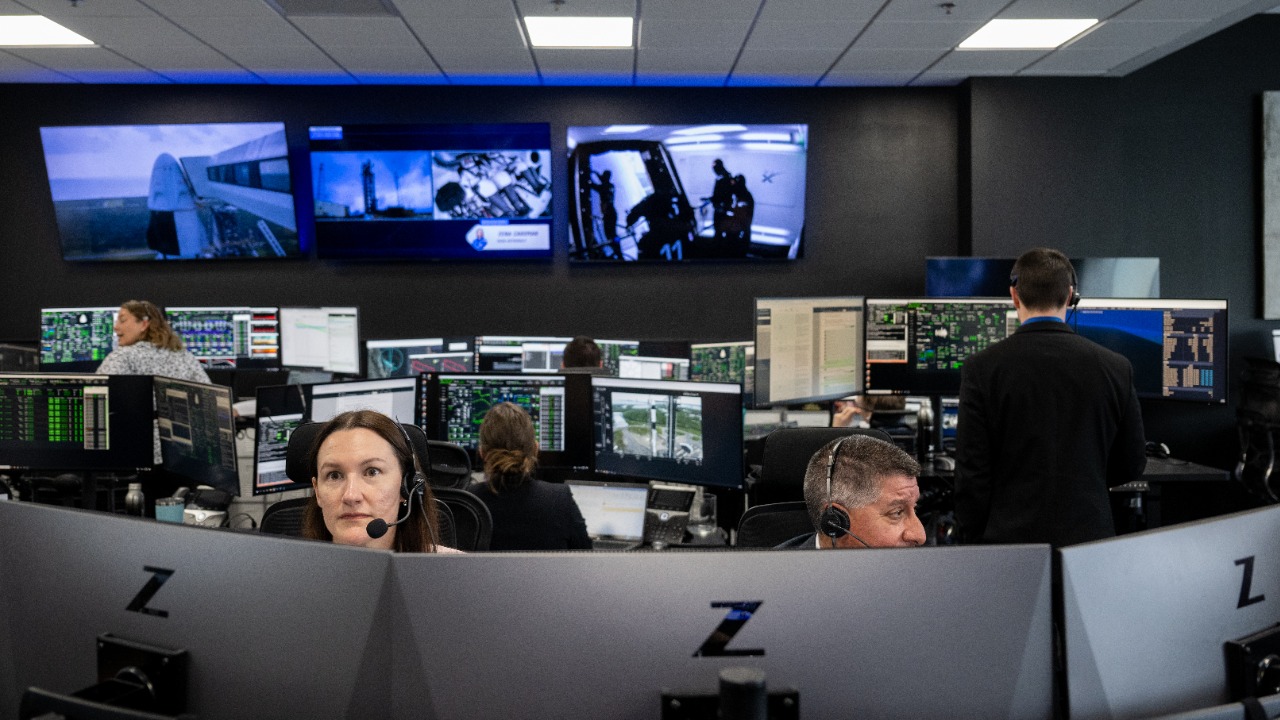
The journey to Mars is a complex, multi-phase endeavor that requires meticulous planning and execution. Initial phases involve sending cargo missions to transport essential supplies and equipment. These missions are critical for establishing a foundation on Mars before human settlers arrive.
Once the infrastructure is in place, the first crewed missions will commence, focusing on exploration and settlement. Over time, more settlers will arrive, gradually building a thriving community. This phased approach ensures that each step is carefully executed, minimizing risks and maximizing the chances of success.
Building a Martian Infrastructure
A sustainable colony on Mars requires robust infrastructure, including habitats, communication systems, and power sources. Habitats must provide protection from the elements while offering a comfortable living space for settlers. Modular designs and inflatable structures are being considered to facilitate quick deployment and scalability.
Reliable communication systems are vital for maintaining contact with Earth and coordinating activities on Mars. Advanced satellite networks and ground stations will be necessary to support data transmission. Additionally, power generation is critical, with solar panels and nuclear reactors being explored as potential energy sources.
Transportation and Supply Chain
Transporting people and materials to Mars involves overcoming significant logistical challenges. The vast distance between Earth and Mars requires efficient and reliable spacecraft capable of long-duration travel. Starship’s design addresses these needs, but maintaining a steady supply chain is equally important.
Regular resupply missions will be needed to transport food, equipment, and other essentials to Mars. Establishing a resilient supply chain ensures that the colony remains self-sufficient and can adapt to any unforeseen challenges. These logistical efforts are crucial for the long-term success of Mars colonization.
Human Factors and Psychological Aspects
Astronaut Selection and Training
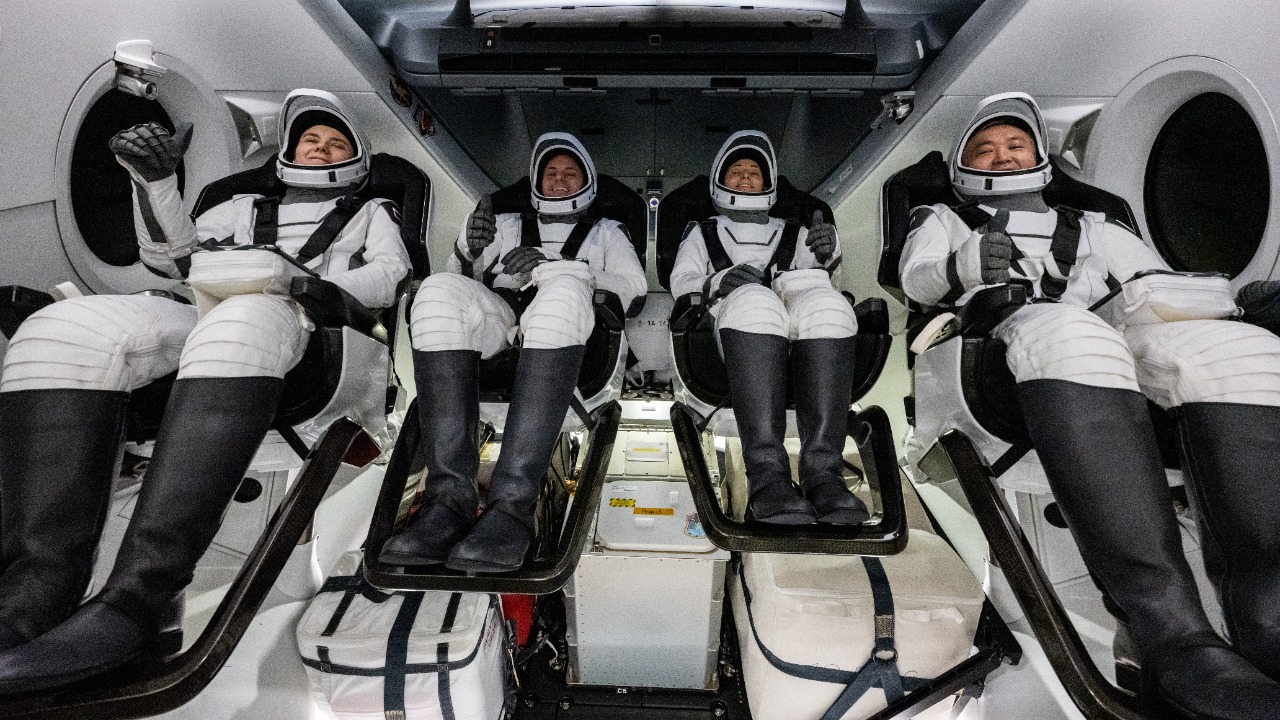
Selecting the first settlers for Mars is a rigorous process that involves assessing physical fitness, technical skills, and psychological resilience. Candidates undergo extensive training programs to prepare for the challenges of space travel and life on Mars. These programs include simulations, survival training, and teamwork exercises to ensure that astronauts are well-equipped for the mission.
The selection process also considers the diverse skill sets needed for a successful colony, including engineering, medicine, and agriculture. A multidisciplinary team increases the chances of overcoming the challenges of living on Mars and creating a thriving community.
Psychological Challenges of Isolation
The psychological effects of isolation and confinement during long-duration space travel are significant concerns. Astronauts must cope with being away from family and familiar environments for extended periods. To address these challenges, mental health support and communication with Earth are prioritized.
Strategies such as virtual reality environments, regular communication with loved ones, and structured daily routines help mitigate the psychological impact of isolation. These measures are essential for maintaining the mental well-being of Mars settlers and ensuring the success and sustainability of the mission.
Community Building on Mars
Creating a new society on Mars involves complex social dynamics and cultural considerations. The settlers will need to build a cohesive community, fostering cooperation and collaboration. Establishing a governance structure and ethical guidelines will be crucial for maintaining harmony and addressing conflicts.
The cultural and ethical implications of forming a Martian society are profound. Questions about identity, governance, and rights will arise as the community grows. Addressing these issues thoughtfully will help ensure that the new society thrives and reflects the values and aspirations of humanity.
Future Implications and Ethical Considerations
Impact on Earth and Humanity’s Future
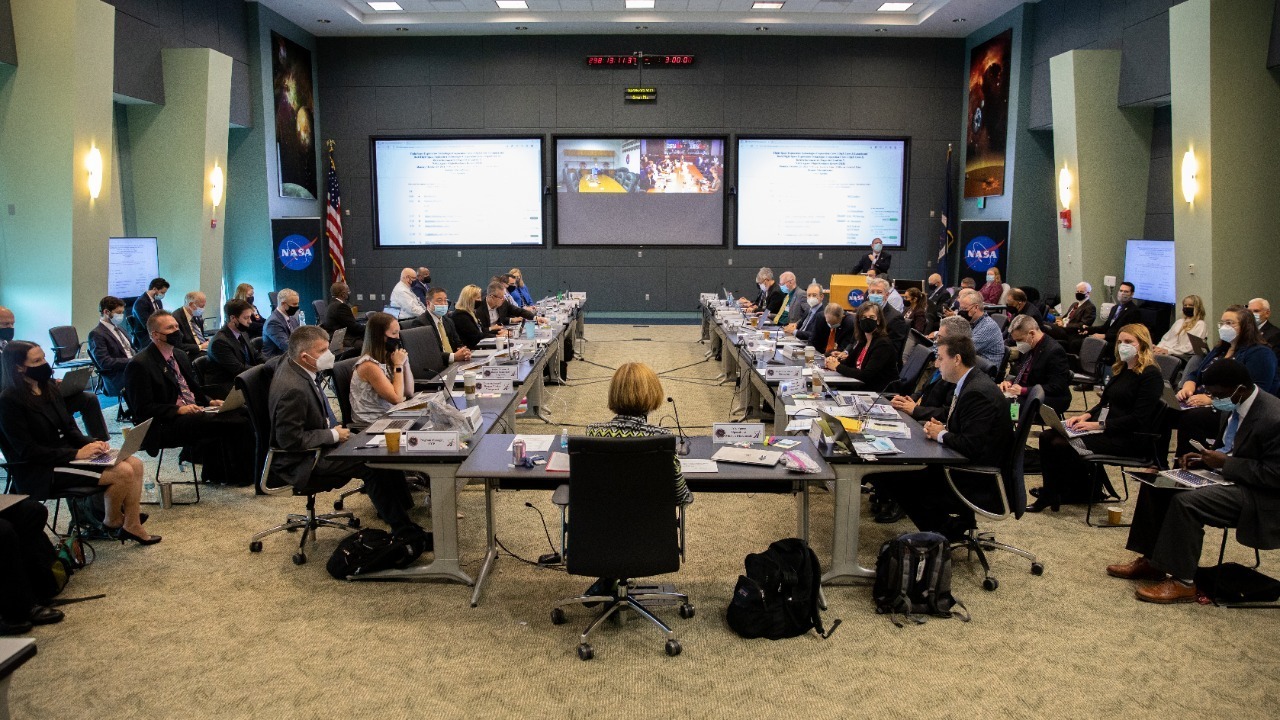
The colonization of Mars has the potential to significantly impact life on Earth. Technological advancements developed for Mars missions could have applications in renewable energy, robotics, and medicine. Additionally, the geopolitical landscape may shift as nations and private entities invest in space exploration and compete for resources.
Becoming a multiplanetary species could reshape our understanding of life and survival. The pursuit of Mars colonization challenges humanity to think beyond our current limitations and explore new frontiers.
Ethical Questions of Colonization
The ethical implications of colonizing another planet are complex and multifaceted. Issues such as planetary protection, the rights of future Martian settlers, and potential impacts on indigenous Martian life must be addressed. Ensuring that Mars colonization is conducted responsibly and sustainably is a moral imperative.
Engaging with these ethical questions requires input from diverse perspectives, including scientists, ethicists, and policymakers. By considering these aspects, humanity can approach Mars colonization with a commitment to preserving the integrity of both Earth and Mars.
Vision for a Multiplanetary Species
The vision of humans as a multiplanetary species represents a new chapter in our evolutionary journey. By expanding our presence to Mars, we not only ensure the survival of our species but also open up new possibilities for exploration and discovery.
This vision challenges us to embrace innovation, collaboration, and ethical responsibility. As we venture into this new frontier, we redefine what it means to be human and lay the groundwork for a future where our species thrives throughout the solar system.
