The M1 Abrams tank, an enduring symbol of the U.S. Army’s armored arsenal, is much more than a simple combat vehicle. Its journey from its birth in the 1970s to its modern versions is a testament to the technological advancements and strategic shifts in the American military. Not to mention, its role in international relations bears profound implications.
The M1 Abrams: The Evolution of an Icon
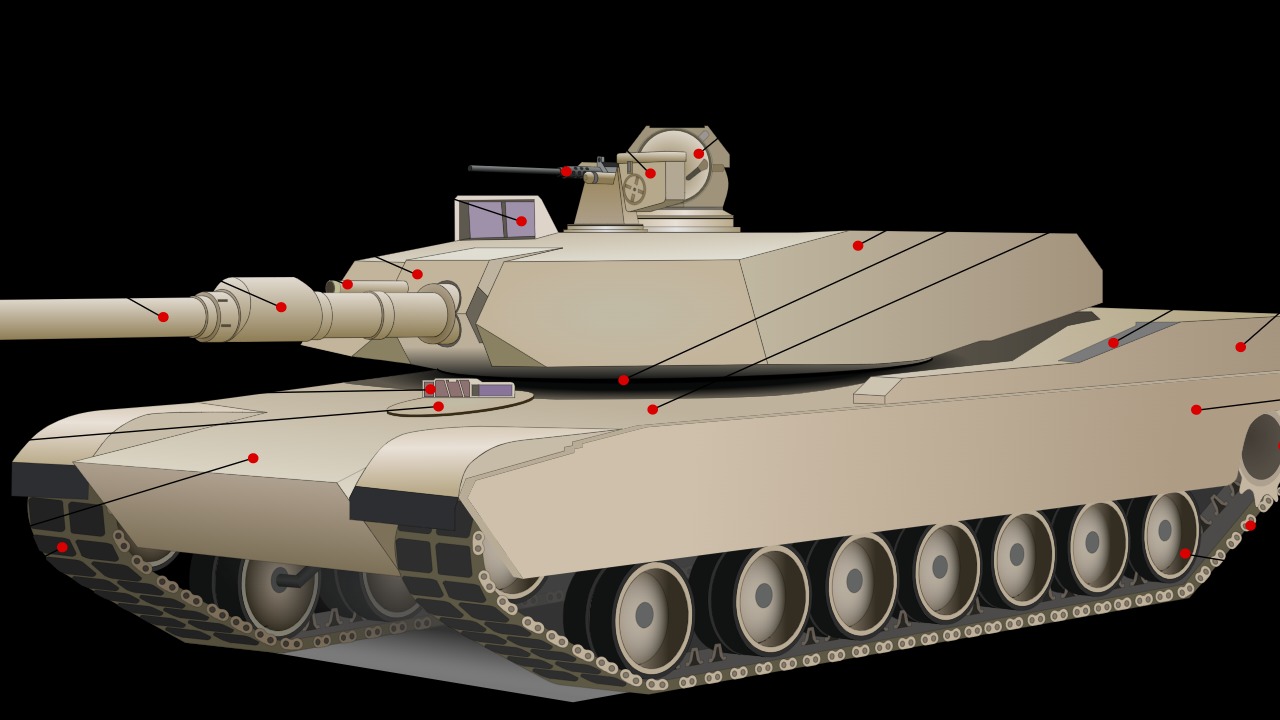
Since its inception in the 1970s, the M1 Abrams tank has seen numerous transformations, consistently serving as a measure of the U.S. Army’s technological evolution. It started with a 105mm gun in the M1, then upgraded to a 120mm gun in the M1A1, and incorporated advanced armor protection in the M1A2. These modifications did not merely enhance its combat capacity but also mirrored the changing needs and tactical preferences of the U.S. Army.
Each upgrade incorporated into the M1 Abrams signifies a step forward in military technology. The most recent version, the M1A2 SEP v3, boasts advanced networking capabilities, improved armament, and increased power generation. Its design evolution reflects the U.S. Army’s focus on network-centric warfare and the need for increased power to support additional electronics and systems.
Strategic Implications of M1 Abrams Deployment
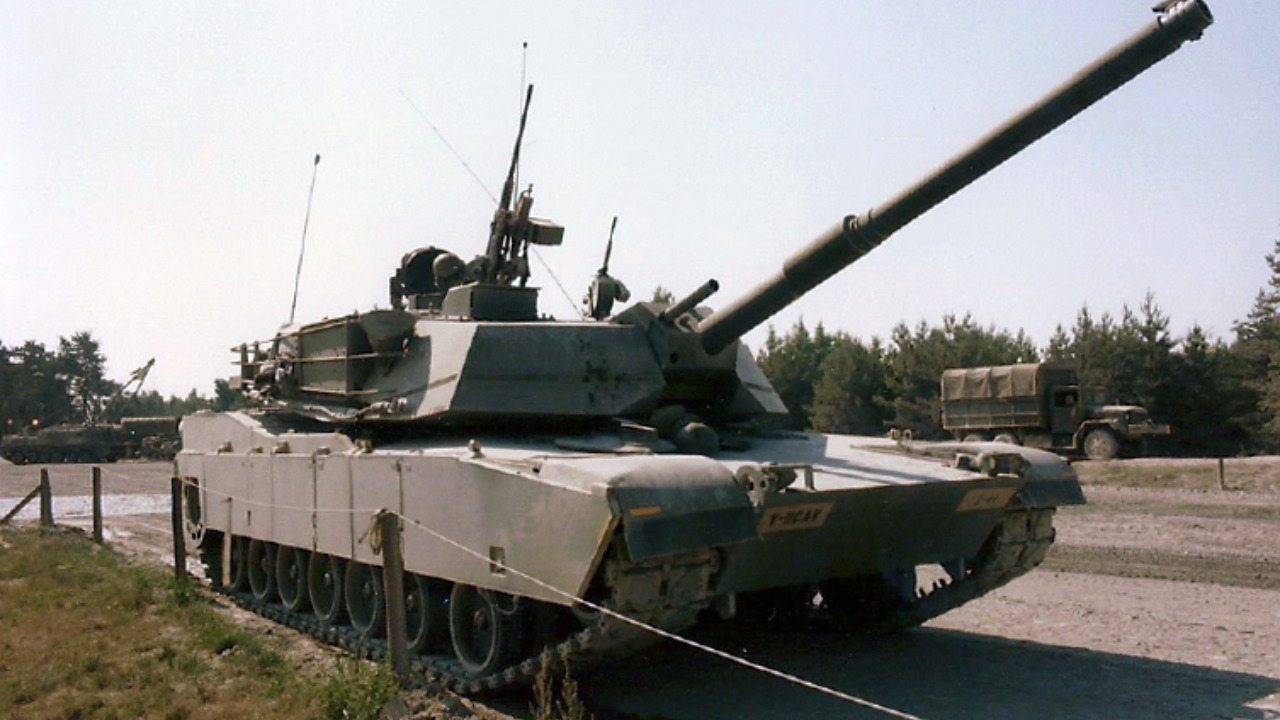
The deployment of the M1 Abrams in various military actions echoes a potent strategic message. For instance, the deployment of these tanks in Europe during the Cold War period was a clear signal of U.S. determination to counter Soviet aggression. Similarly, their presence in the Middle East conflicts symbolized the U.S.’s commitment to maintaining stability in the region.
Moreover, the sale of M1 Abrams tanks to foreign nations carries profound geopolitical implications. The recent sale to Taiwan is a clear demonstration of U.S. support for its allies and a signal to potential adversaries. Likewise, the M1 Abrams’ presence in military parades and demonstrations not only showcases U.S. military might but also serves as a deterrence to potential aggressors.
Technological Superiority Encapsulated in the M1 Abrams
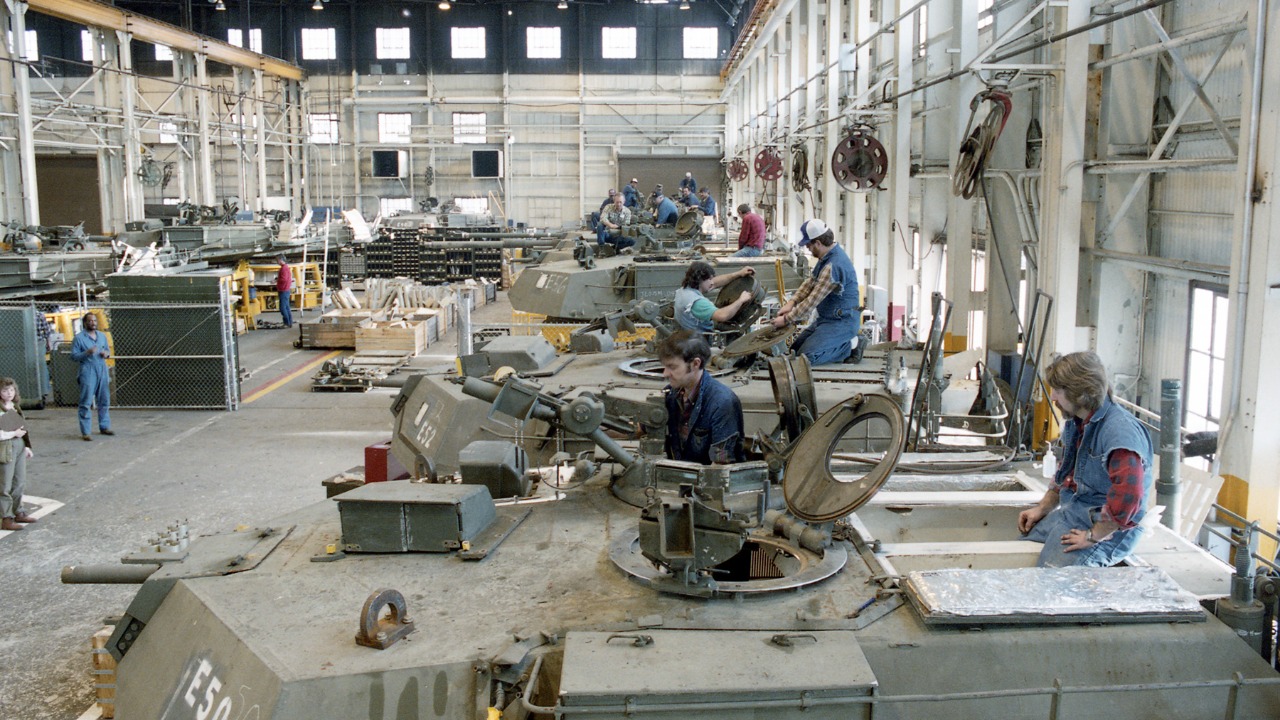
The M1 Abrams is a tangible manifestation of the U.S.’s technological dominance in armored warfare. Its advanced armor, superior firepower, and integrated battlefield network capabilities set it apart from other tanks. The M1 Abrams has not only adapted to the technological advancements of its time but has also pushed the boundaries of tank technology.
This technological superiority has inevitably influenced the global arms race. Nations seeking to compete with or defend against the U.S. military have had to consider the M1 Abrams when developing their own armored capabilities. This has led to advancements in armored warfare technology worldwide, further solidifying the M1 Abrams’ role as a catalyst for global military innovation.
The M1 Abrams as a Tool of Diplomacy

The M1 Abrams has often played a crucial role in U.S. foreign policy, particularly in terms of military aid and arms sales. Offering or withholding the sale of M1 Abrams tanks can serve as a powerful diplomatic tool, influencing the balance of power in key regions and signaling U.S. support or disapproval.
For allies, the sale or gift of M1 Abrams tanks symbolizes a tangible commitment from the U.S., enhancing their military capabilities and bolstering their confidence in the face of potential threats. Conversely, denying the sale of these tanks can send a message of U.S. disapproval or caution, potentially influencing the actions of other nations.
The M1 Abrams and the Future of U.S. Armored Warfare
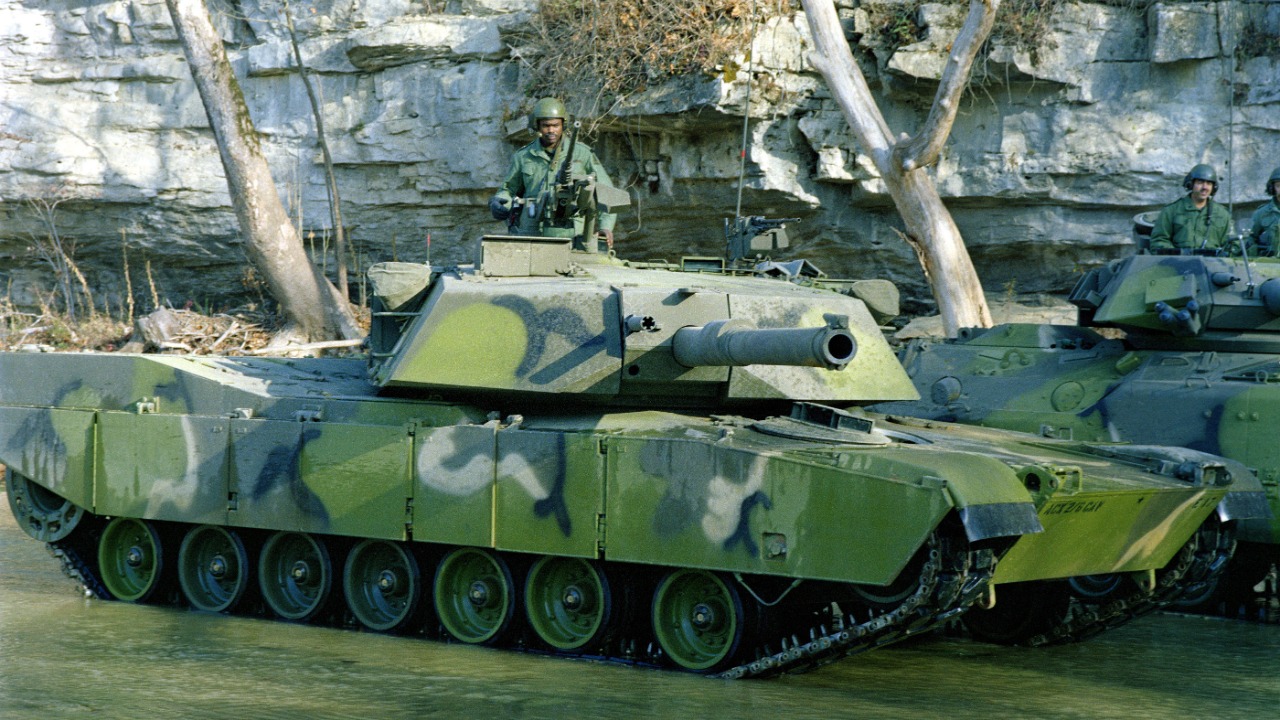
As technology evolves and new threats emerge, the role of the M1 Abrams within the U.S. Army continues to be of significant interest. With advancements in automated and remotely operated technologies, there’s potential for the M1 Abrams to evolve into an unmanned or remotely operated platform.
However, the continued relevance of the M1 Abrams underscores the difficulties of developing a successor that can match its proven performance. The challenge lies not only in matching its capabilities but also in integrating new technologies without compromising its reliability, durability, and effectiveness. Regardless of these challenges, one thing is certain: the M1 Abrams will continue to be a significant player in the U.S. Army’s armored arsenal for years to come.
