Delving into the annals of aviation history, we uncover the story of a remarkable aircraft that proved indomitable against adversaries, yet eventually succumbed to the relentless march of time and technological evolution. This aircraft, with its groundbreaking design and unmatched performance in combat, stands as a testament to the ingenuity of its era, while its journey into obsolescence provides a poignant reminder of the impermanence of even the most awe-inspiring creations.
The Unparalleled Design and Features of the Aircraft
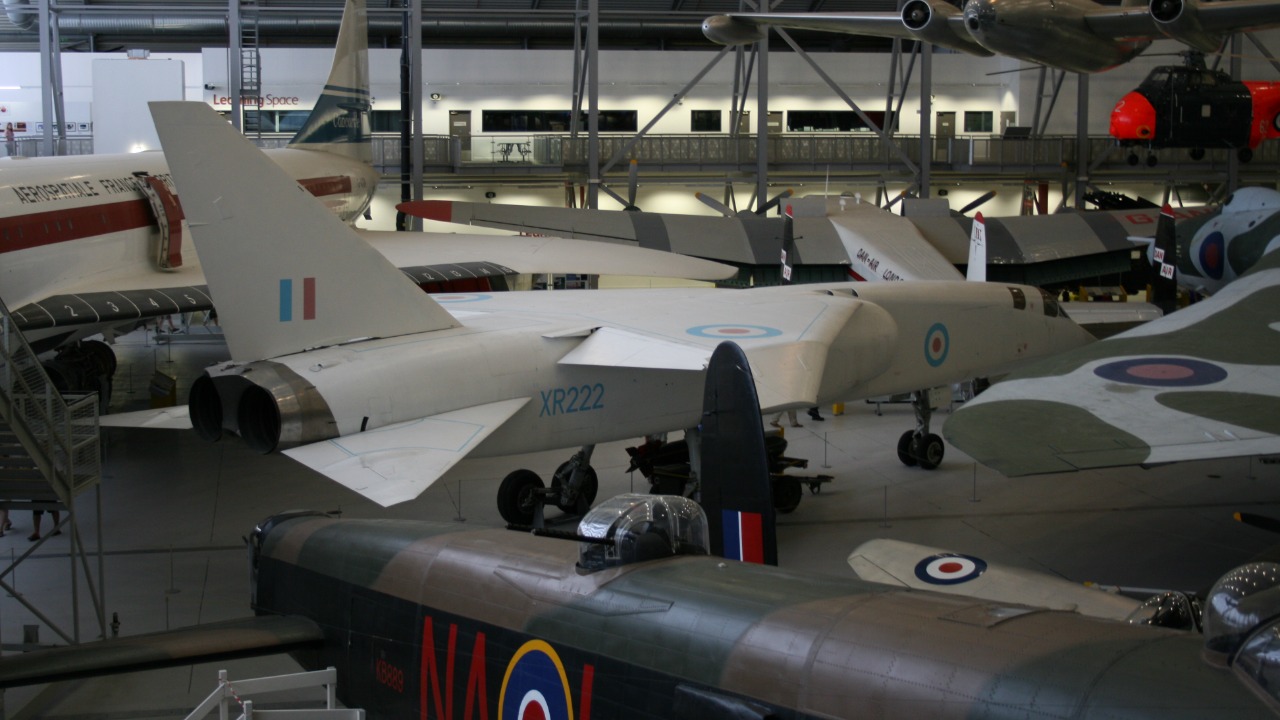
At a time when aviation technology was evolving at a rapid pace, this aircraft stood head and shoulders above its contemporaries, thanks to its innovative design. It was built with a strategic focus on speed, maneuverability, and firepower, attributes that were instrumental in acquiring air superiority during warfare. The aircraft’s aerodynamic design, coupled with advanced engine technology, allowed it to achieve speeds and altitudes that were unheard of at the time.
But it wasn’t just the speed and power that set this aircraft apart. It was equipped with unique features such as advanced navigation systems and armament capabilities that enhanced its effectiveness in combat. From its radar-guided weaponry to its reinforced armor, every feature was meticulously designed to give it an edge over opponent aircrafts.
Contributions to Significant War Efforts
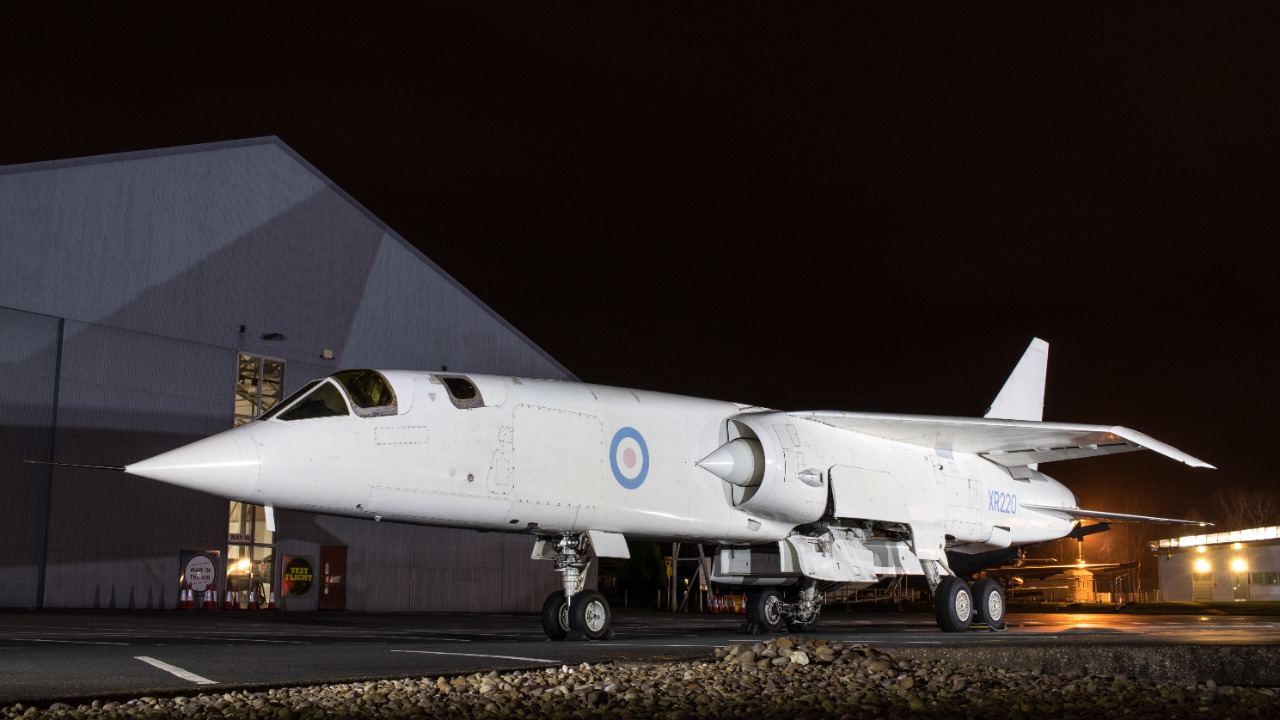
This aircraft was not just an impressive piece of technology, it was an instrumental player in several major war efforts. Whether it was intercepting enemy aircraft, performing ground attacks, or providing air support for ground troops, this aircraft was a reliable workhorse. Its superior speed and maneuverability allowed it to outperform enemy aircraft, while its formidable firepower made it a fearsome adversary.
A detailed account of its contributions can be found in this book. It explores how its superior design and features played a key role in several decisive battles, turning the tide of the war in favor of its side.
The Aircraft’s Unbeaten Record Against Enemies
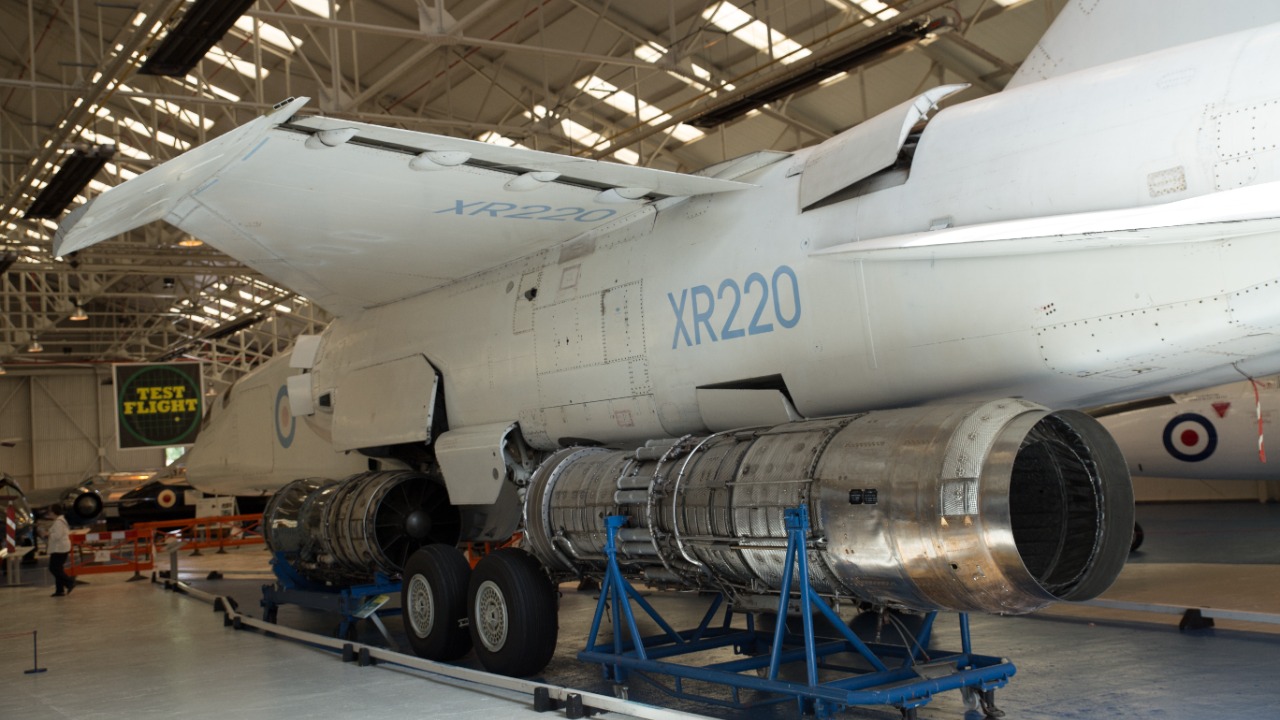
Despite facing formidable opponents, this aircraft remained unbeaten in combat, owing to its superior design and features. There were numerous instances where the aircraft emerged victorious against enemy forces, thanks to its speed, agility, and firepower. Its radar-guided weaponry and advanced navigation systems gave it an edge over enemy aircraft, enabling it to carry out successful missions even under challenging conditions.
One such instance is well-documented in this article, where the aircraft displayed its combat prowess by single-handedly repelling an enemy squadron. This incident, among others, cemented its reputation as a formidable adversary in the skies.
The Advent of New Technologies and the Aircraft’s Downfall
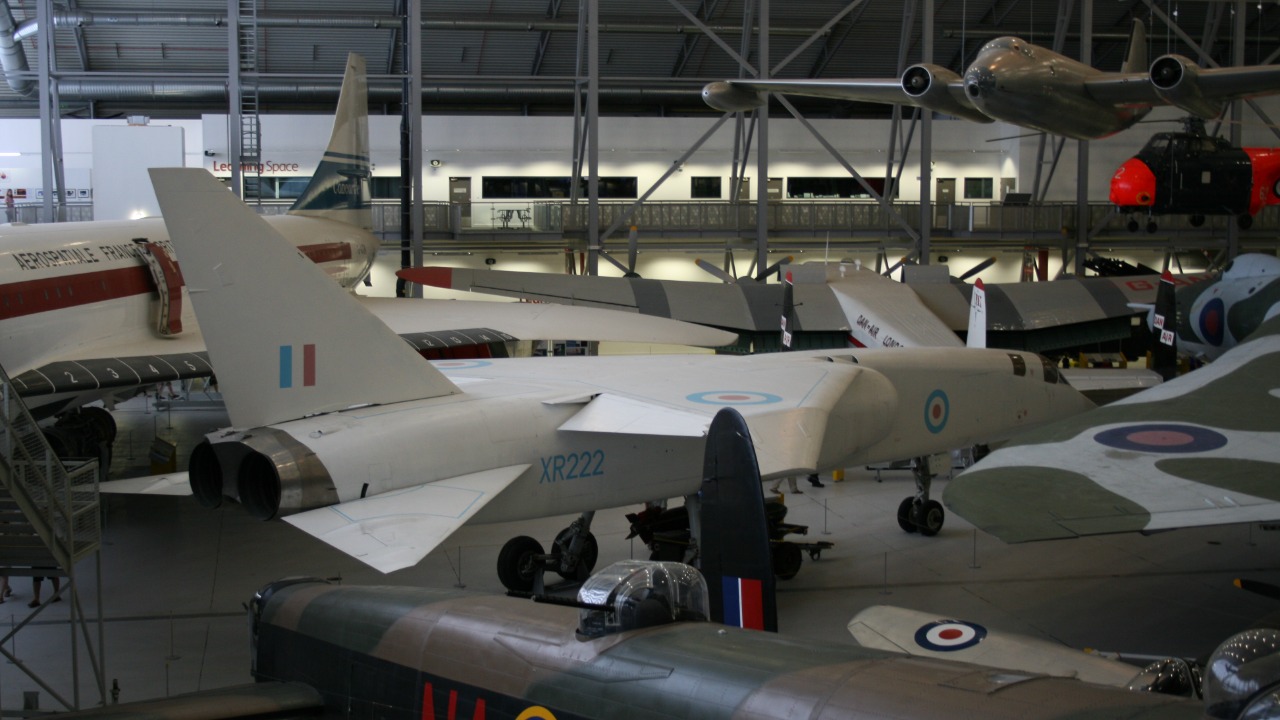
However, with the advent of new technologies, the aircraft started to show signs of obsolescence. Newer aircraft models, equipped with more advanced avionics, superior firepower, and enhanced maneuverability, began to eclipse its capabilities. Innovations in radar technology and missile systems also rendered some of its features obsolete.
As time passed, maintaining and upgrading the aircraft became increasingly challenging. The costs of retrofitting it with new technologies started to outweigh the benefits, leading to its gradual downfall. The article here provides a fitting account of how these advancements in technology surpassed the aircraft’s capabilities.
The Final Flight: The Aircraft’s Journey to Obsolescence
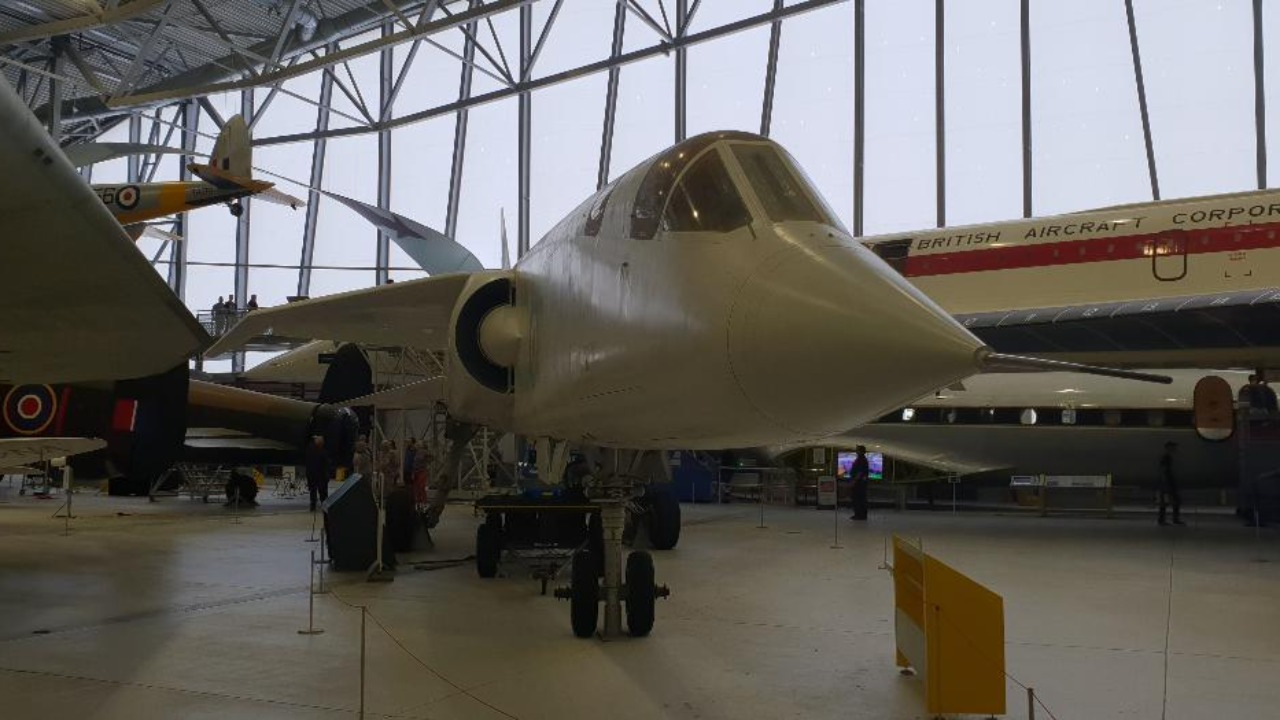
The aircraft’s transition from frontline service to becoming a relic of the past was a gradual process. As newer models with advanced capabilities entered service, the aircraft was gradually relegated to secondary roles and eventually phased out. Despite its unbeaten record in combat, the relentless march of technology made it increasingly irrelevant in the modern battlefield.
Various reasons led to the discontinuation of the aircraft. The advent of more advanced aircraft, the high cost of maintenance and upgrades, and the changing nature of warfare all contributed to its journey into obsolescence. The forcesnews.com article provides an insightful narrative of this transition.
Lessons Learned and the Aircraft’s Enduring Legacy
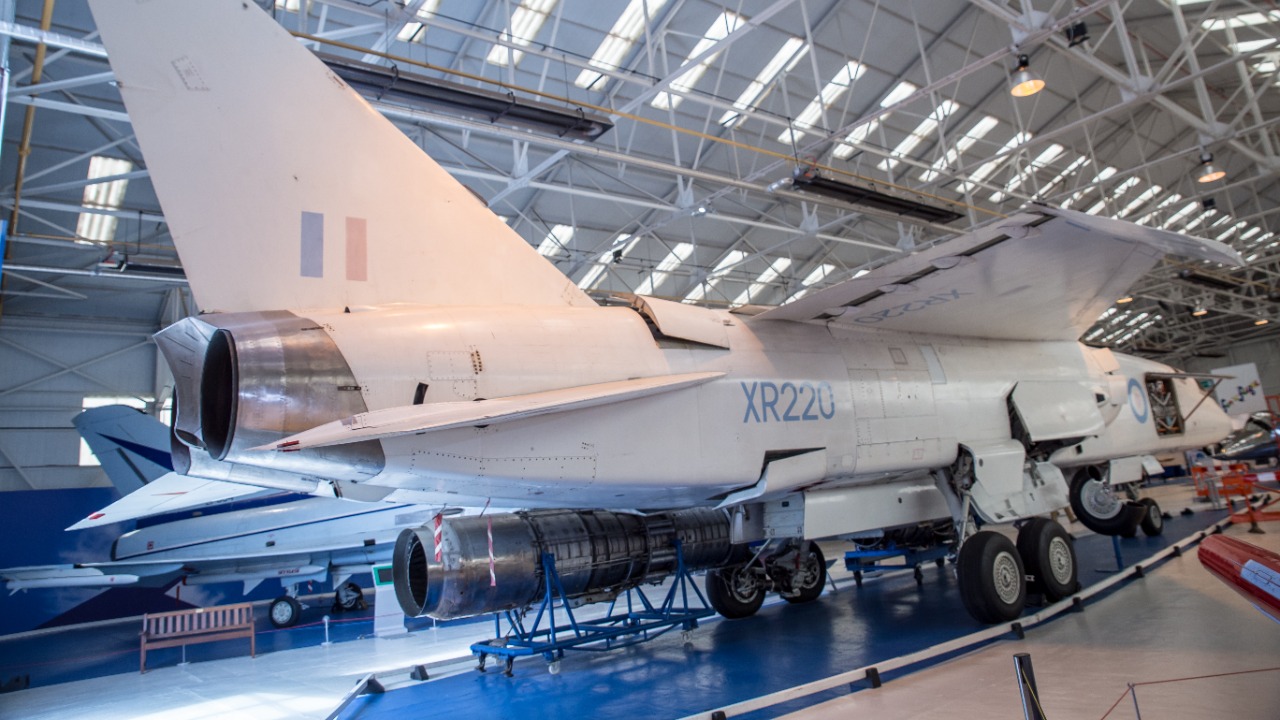
The story of this aircraft is not just a tale of technological triumph and obsolescence, but also a source of valuable lessons. It underscores the importance of innovation and adaptation in the face of technological advancement. It also highlights the need for strategic planning and foresight in military technology development.
Despite its journey into obsolescence, the aircraft leaves behind an enduring legacy. Its innovative design, superior performance in combat, and significant contributions to war efforts have secured its place in the annals of military and aviation history. Its story, as captured in this article, remains a source of inspiration for future generations of aviation engineers and enthusiasts.
