Jet stunts are thrilling to watch, but not all maneuvers are permitted by military regulations. Some stunts pose significant risks to both pilots and spectators, leading to their prohibition. Here, I explore some of the jet stunts banned by the military, providing a glimpse into the high-stakes world of aerial acrobatics.
Low-Level Aerobatics
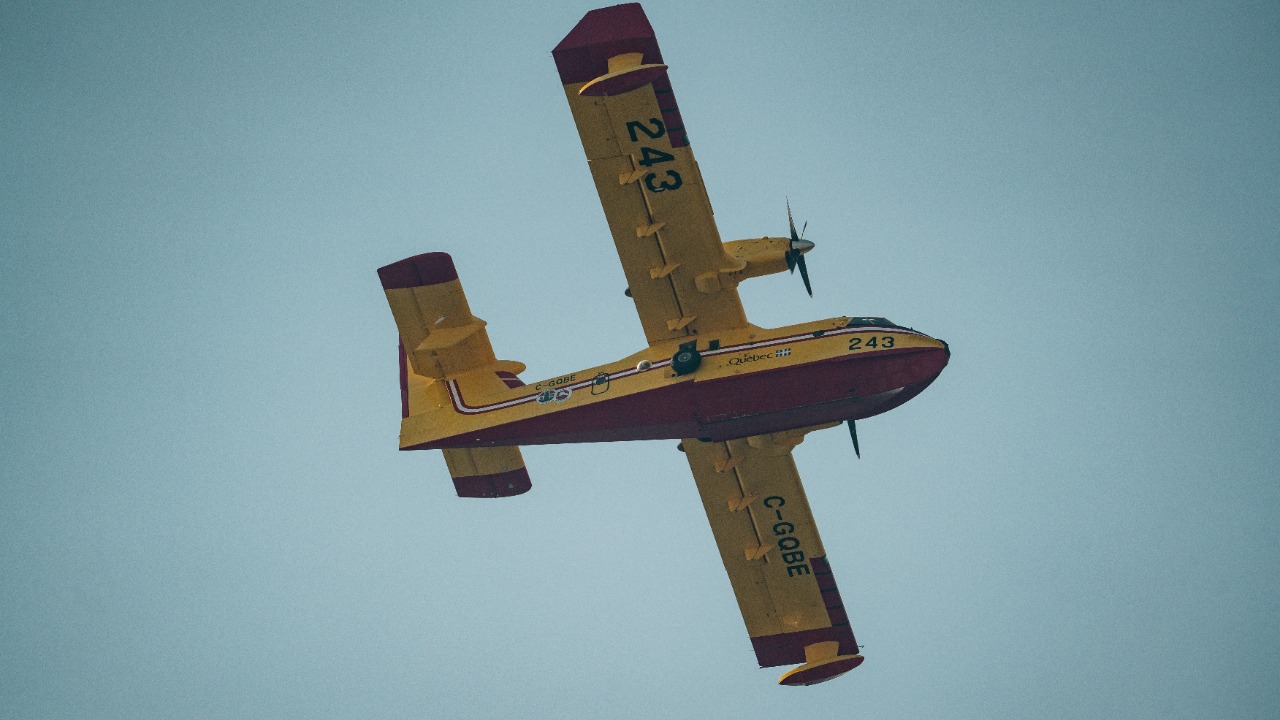
Low-level aerobatics involve performing complex maneuvers close to the ground, which can be extremely dangerous. The military often restricts these stunts due to the limited margin for error, as any miscalculation can result in catastrophic outcomes. The thrill of seeing jets performing daring loops and rolls at low altitudes is undeniable, yet the potential risks to pilots and onlookers have led to stringent regulations.
The Federal Aviation Administration provides specific guidelines on permissible aerobatic activities. These special provisions are designed to keep airshows safe, ensuring that pilots maintain a safe distance from the ground and spectators during their performances.
Unauthorized Formation Flying
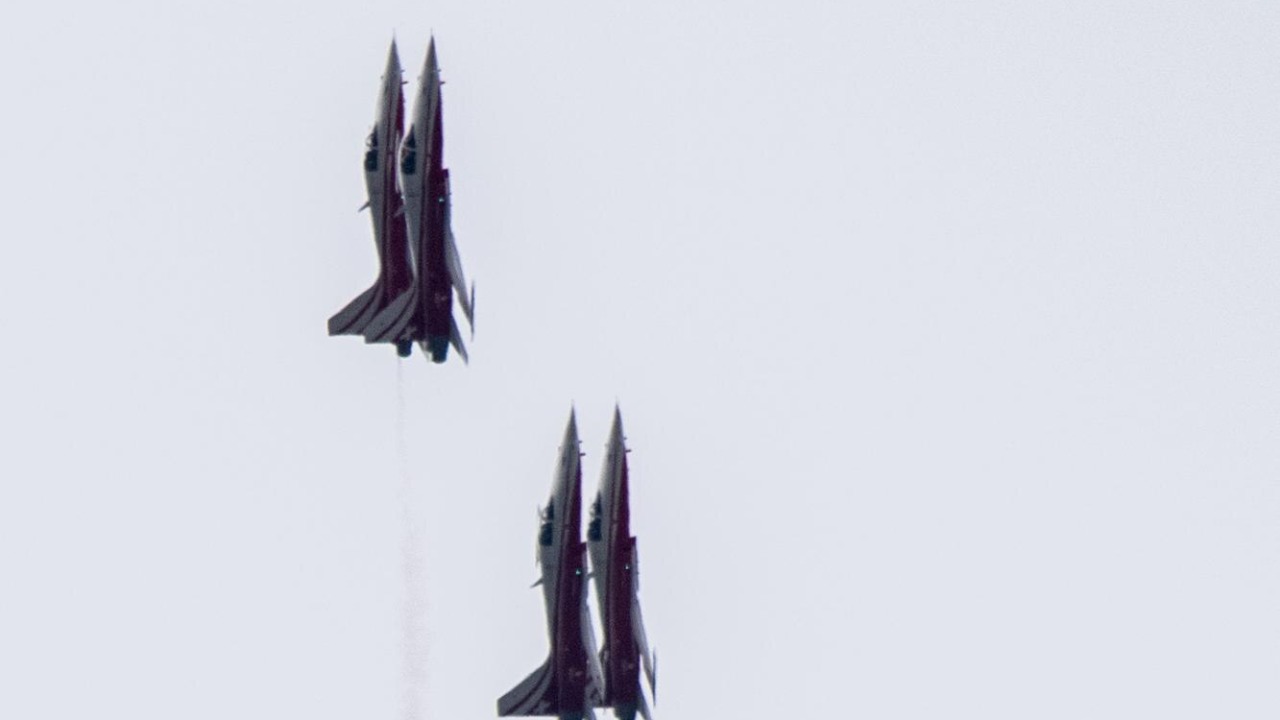
Formation flying is a visually stunning display of precision and teamwork. However, when conducted without proper authorization, it can be perilous. The military bans unauthorized formation flying to prevent potential mid-air collisions that could occur if pilots are not adequately trained or synchronized.
Even experienced pilots like those featured in Top Gun: Maverick must adhere to strict protocols when executing formation flights. The margin for error is minimal, and any small mistake can lead to disastrous consequences, which is why the military enforces strict regulations on this thrilling aerial feat.
Inverted Spins Near Ground
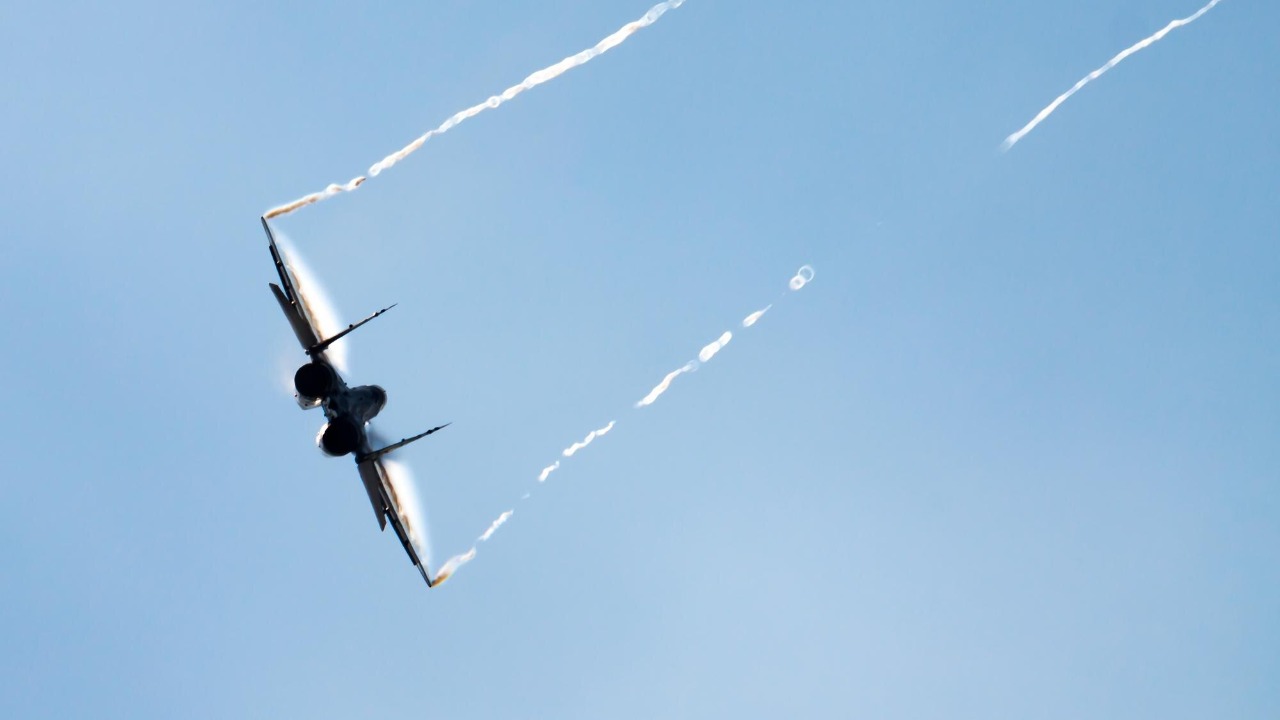
Executing an inverted spin near the ground is a high-risk maneuver that has been banned by the military. The complex dynamics involved in controlling a jet while it spins upside down close to the earth’s surface make it extremely dangerous. Pilots must have exceptional skill and precision to safely navigate out of an inverted spin, and even the best can find themselves in perilous situations.
Military regulations emphasize the importance of maintaining safe distances during such maneuvers. The risks associated with inverted spins are highlighted in various aerobatic guidelines, which seek to minimize potential accidents and ensure pilot safety.
Supersonic Passes Over Populated Areas
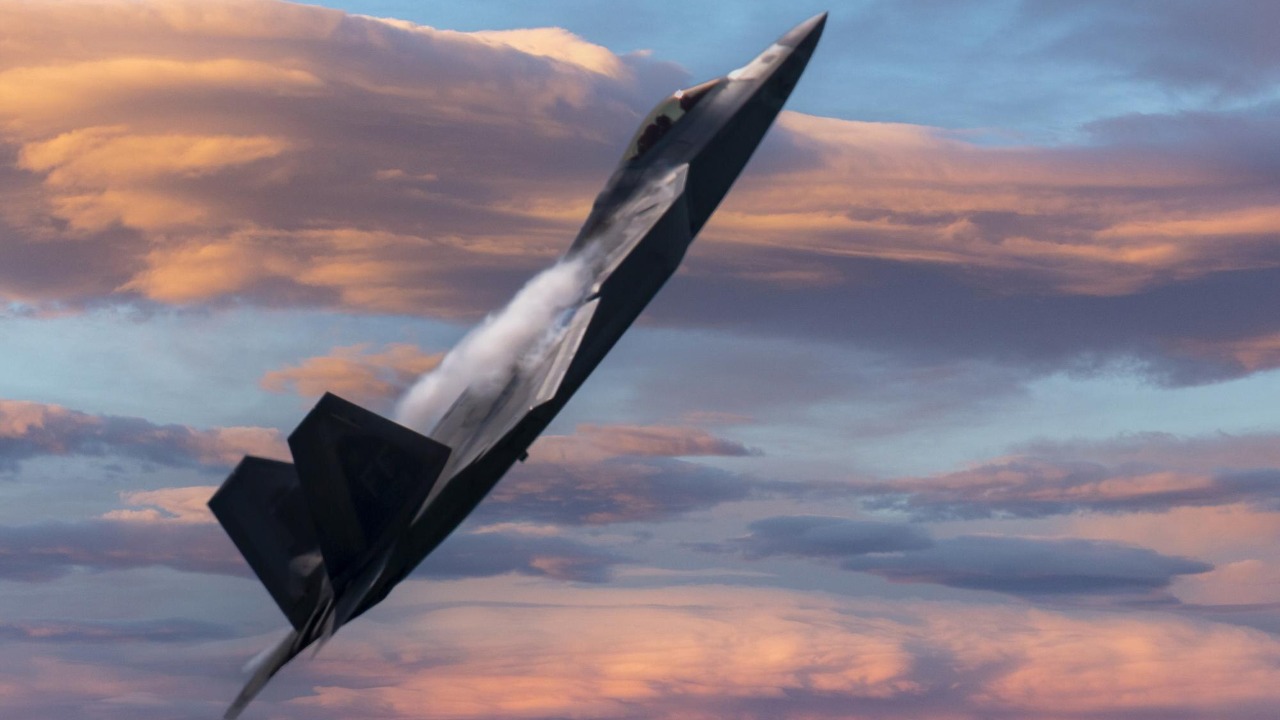
Supersonic passes, while exhilarating, are strictly prohibited over populated areas. The sonic boom created by breaking the sound barrier can cause significant disturbances, including damage to buildings and potential harm to individuals on the ground. The military enforces these bans to protect public safety and minimize noise pollution.
While the thrill of a supersonic jet is tempting, the noise and potential damage have led to the prohibition of such stunts over cities and towns. For instance, the military’s evolving policies continue to adapt to ensure both safety and respect for civilian areas.
Nighttime Airshow Maneuvers
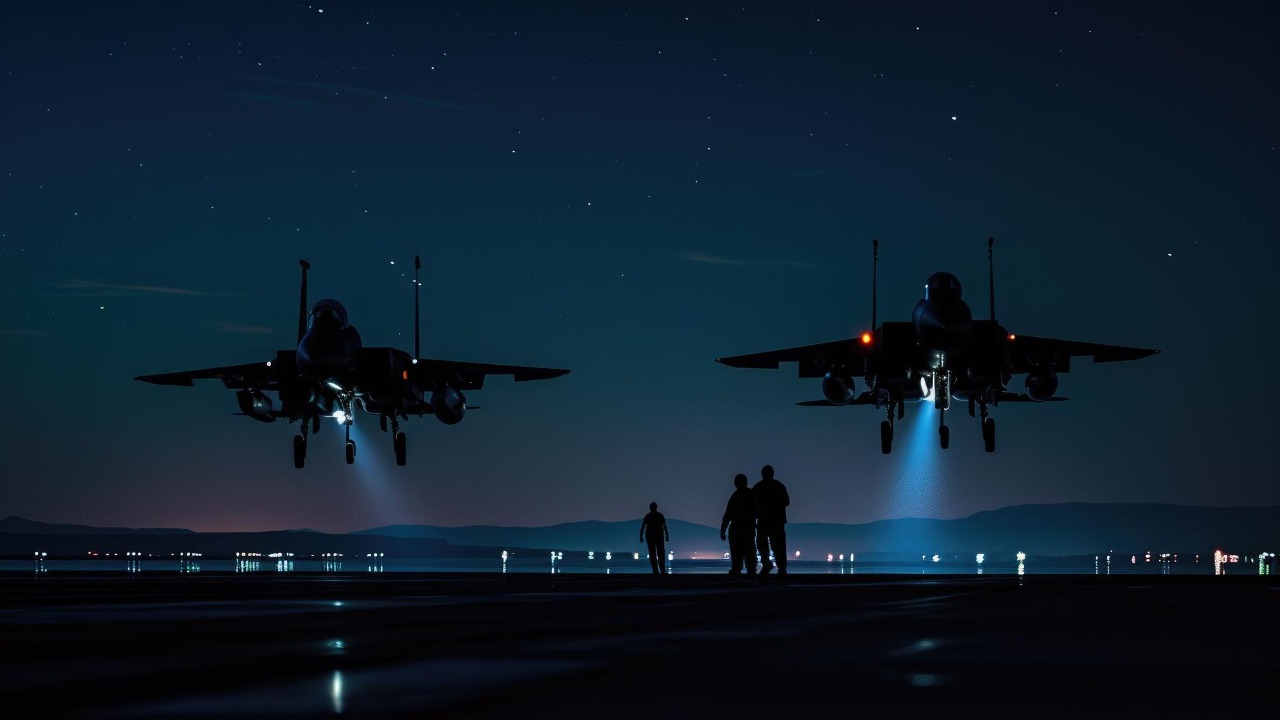
Nighttime airshow maneuvers may sound spectacular, but they come with unique challenges that have led to their restriction. Flying at night significantly reduces visibility, increasing the risk of disorientation and accidents. The military, therefore, restricts nighttime stunts to ensure the safety of both pilots and spectators.
While some airshows attempt to incorporate nighttime elements, they must adhere to strict regulations to avoid potential mishaps. Safety is the top priority, and the military’s cautious approach reflects the need to prevent accidents in low-visibility conditions. Even seasoned pilots must navigate these challenges with the utmost care to avoid tragic outcomes.
