Ozempic, a semaglutide-based drug renowned for its effectiveness in diabetes and weight loss management, has a fascinating origin story. It traces its roots to the venom of the Gila monster, a venomous lizard native to the southwestern United States and northwestern Mexico. The venom contains a hormone called exendin-4, which closely mimics the human GLP-1 hormone that regulates blood sugar. This unexpected discovery was made by Canadian scientist Daniel Drucker in the 1990s, and it has since revolutionized obesity management, with Ozempic generating over $10 billion in annual sales by 2023.
The Gila Monster: Biology and Venom Composition
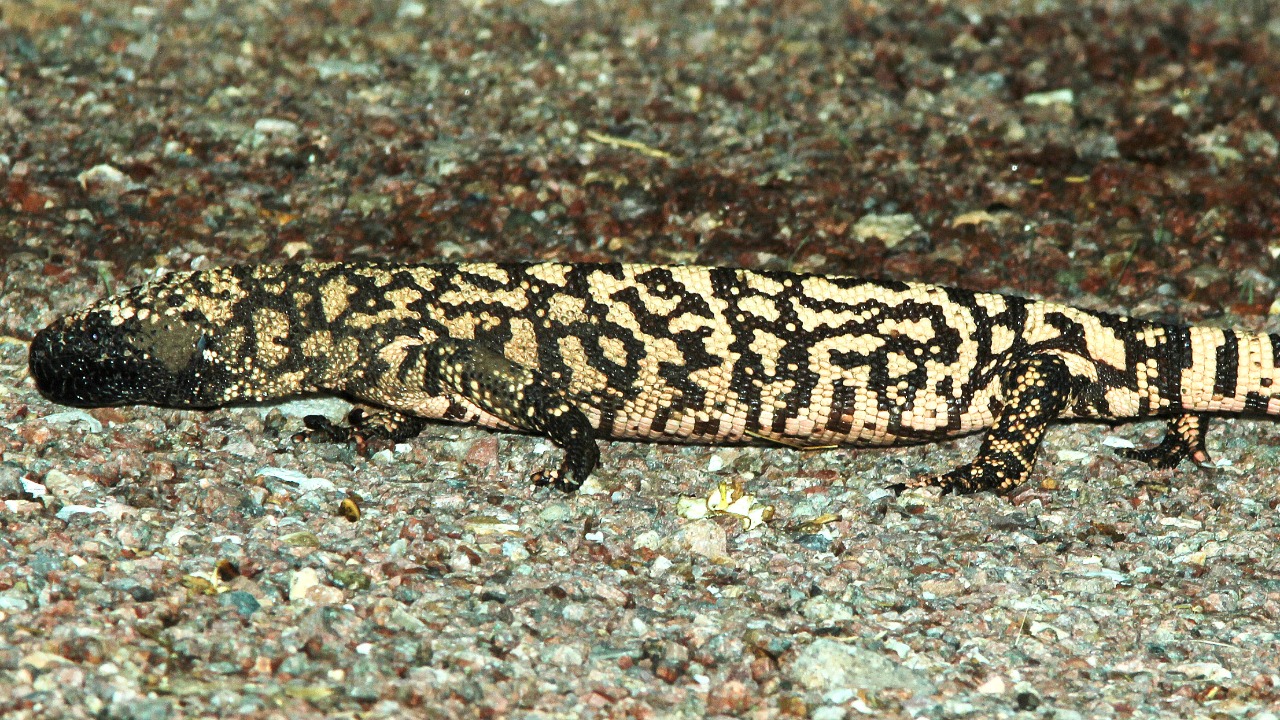
The Gila monster is a unique creature, characterized by its stocky body and beaded skin. It is one of only two venomous lizards in North America and is native to the arid regions of the U.S. and Mexico. Its slow metabolism is a key survival trait in these harsh environments. The venom of the Gila monster is distinct, containing over 30 peptides, including exendin-4. Unlike typical snake venoms that induce rapid toxicity, exendin-4 is a glucagon-like peptide that slows digestion and stabilizes blood sugar, promoting metabolic stability.
The Gila monster’s salivary venom glands have evolved to produce exendin-4, helping the lizard endure long fasting periods between meals. This unique adaptation caught the attention of scientists for its potential application in diabetes research.
Early Research on Lizard Venom
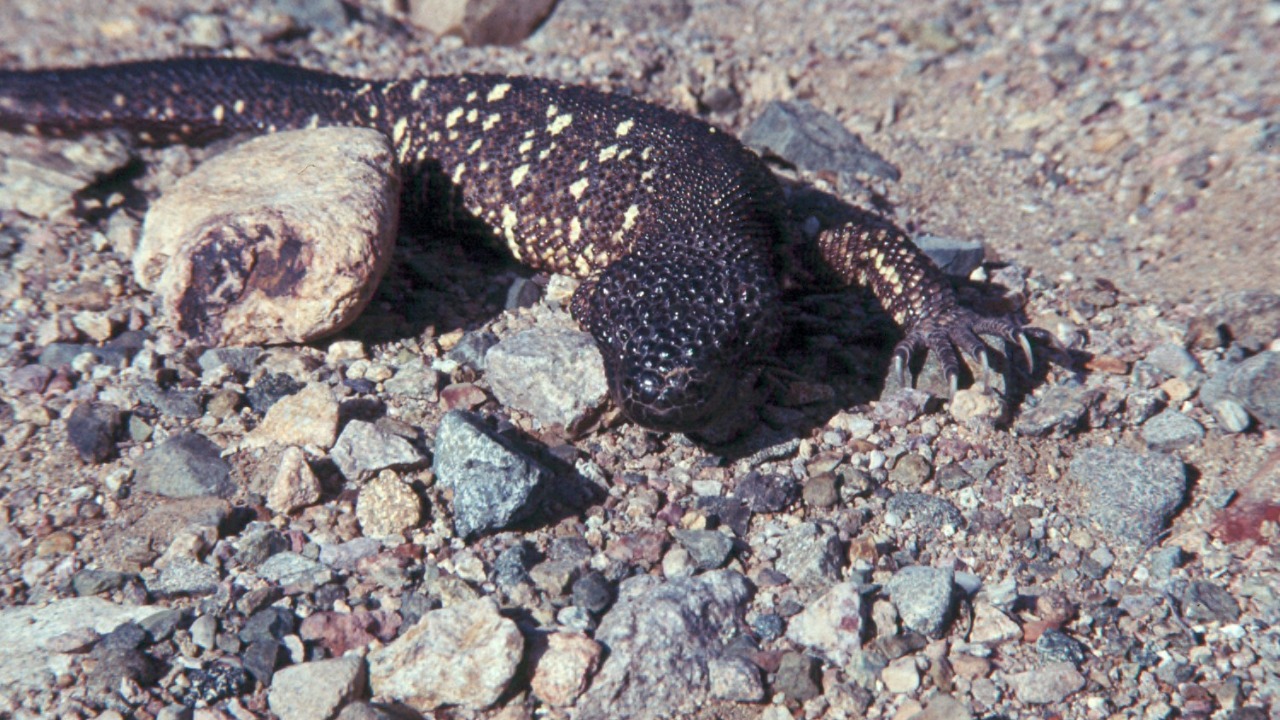
The initial isolation of exendin-4 from Gila monster venom was achieved by American researcher John Eng at the Veterans Affairs Medical Center in New York in 1992. Eng noted its structural similarity to human GLP-1 but with greater stability. Subsequent experiments in the 1990s showed exendin-4’s ability to lower blood glucose in mice without causing hypoglycemia, marking the first hint of its potential for human therapeutics beyond traditional insulin.
However, early venom extraction posed challenges, including ethical sourcing from wild Gila monsters in Arizona deserts. This limited sample availability until synthetic production methods were developed.
Daniel Drucker’s Contributions

Canadian endocrinologist Daniel Drucker, based at the University of Toronto, advanced exendin-4 research in the late 1990s. He demonstrated its prolonged activity in stimulating insulin secretion compared to human GLP-1. Drucker also collaborated with pharmaceutical companies, working on patenting exendin-based analogs that resist rapid breakdown in the body, a key factor in transitioning from lab discovery to clinical trials.
Reflecting on the discovery, Drucker said, “It was a surprise that a venom from a lizard could hold the key to treating human metabolic diseases.” This statement underscores the serendipitous nature of venom-inspired drug development.
From Exendin-4 to GLP-1 Agonists
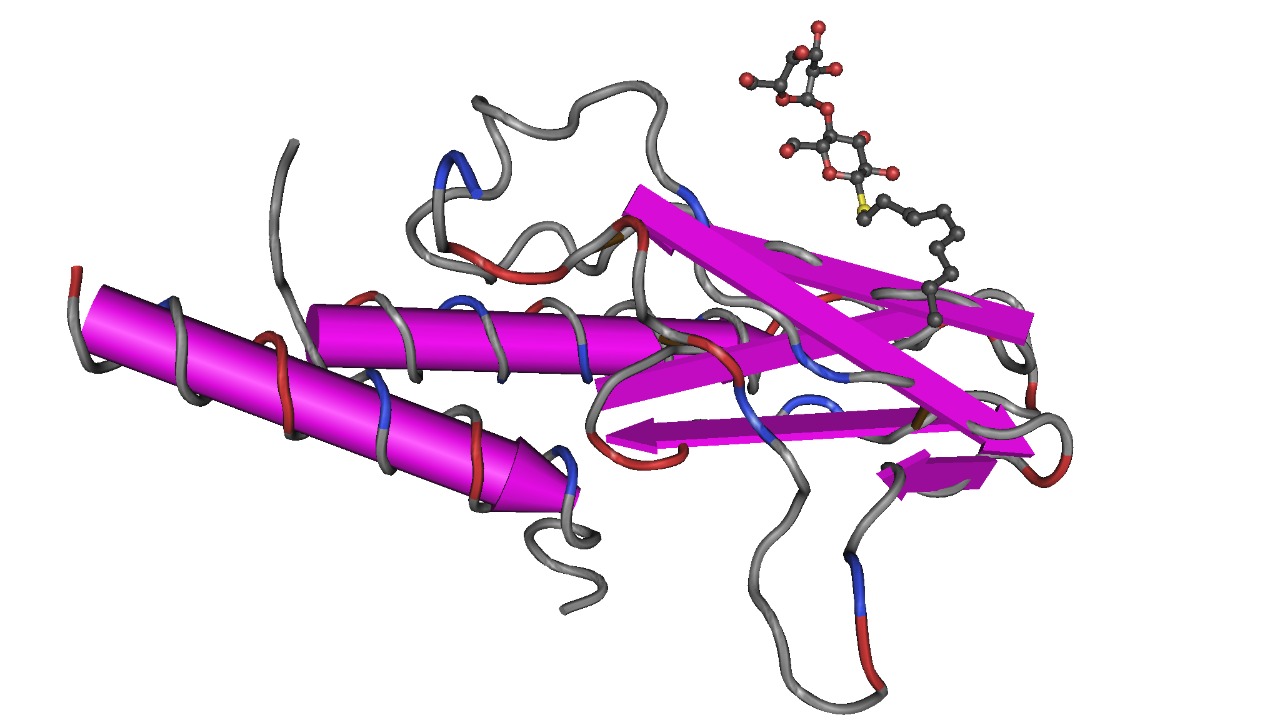
The evolution of exendin-4 into synthetic GLP-1 receptor agonists marked a significant milestone in diabetes treatment. The FDA approved the first lizard-derived diabetes treatment, exenatide (Byetta), in 2005. Chemical modifications to exendin-4 led to the development of semaglutide, the active ingredient in Ozempic. Engineered by Novo Nordisk in Denmark, semaglutide has a half-life of about one week, allowing for once-weekly dosing.
Clinical trial data from the 2010s showed semaglutide’s efficacy, with patients achieving 15-20% body weight loss in STEP trials involving over 4,500 participants across multiple countries.
Clinical Development and Approvals

The FDA approved Ozempic in December 2017 for type 2 diabetes management. Its use was expanded for weight loss under the Wegovy brand in 2021, based on trials demonstrating superior glycemic control. In Canada, Health Canada approved Ozempic in January 2018, with Drucker advising on its venom-derived origins during safety reviews.
Post-approval studies have shown side effects such as nausea in 20-30% of users. This is linked to the drug’s mimicry of Gila monster venom’s digestive-slowing effects.
Global Impact and Ongoing Research

Ozempic has dominated the market, with Novo Nordisk reporting $14.8 billion in semaglutide sales in 2023. This demand is driven by rising obesity rates in the U.S., Europe, and Canada. Current research at institutions like the University of Queensland is focusing on further Gila monster venom peptides for Alzheimer’s and cardiovascular applications.
Increased interest in Gila monster venom has also prompted conservation efforts for the species in their U.S. habitats. Sustainable synthetic alternatives are being developed to protect this endangered species.
