
The Pontiac Tojan is a remarkable yet often overlooked supercar from the 1980s, initially designed to rival Ferrari. Emerging from the Pontiac Firebird platform, it evolved into what many consider the most unusual iteration of that classic muscle car. Notably, the 1984 Pontiac Tojan achieved a top speed of 200 mph, surpassing the Ferrari F40 in reaching this milestone, underscoring its potential as a formidable competitor in the supercar arena.
Origins and Development
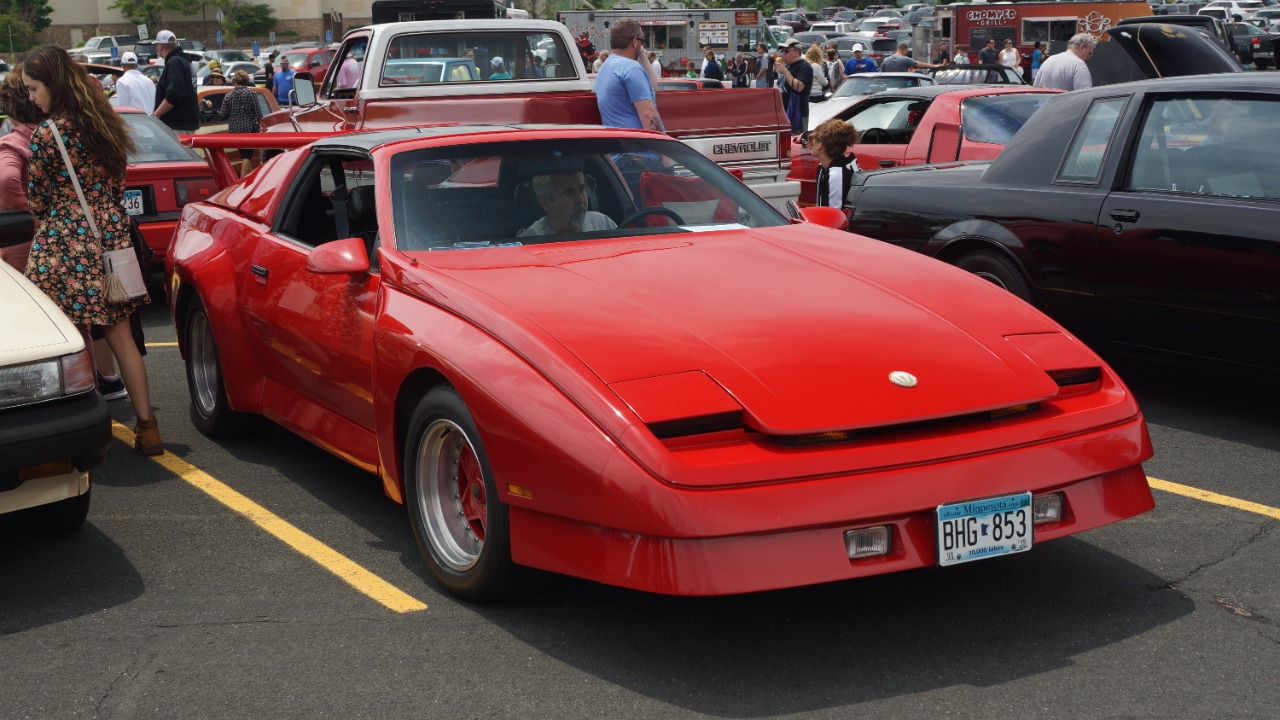
The Pontiac Tojan was conceived as a project to create a supercar capable of challenging Ferrari’s dominance. This ambitious endeavor drew heavily from the Pontiac Firebird’s underpinnings, transforming a well-known muscle car into a high-performance contender. According to HotCars, the Tojan was developed during the 1980s, a time when American automakers were eager to prove their mettle against European exotics.
As detailed by The Autopian, the Tojan began its life as the most unconventional version of the Pontiac Firebird. This transformation involved significant modifications to the Firebird’s structure, aiming to elevate it from a muscle car to a supercar. The project was rooted in American automotive culture, yet it sought to challenge the established norms set by European manufacturers like Ferrari.
The timeline of the Tojan’s development highlights its status as a forgotten supercar. As noted by AutoEvolution, the Tojan’s creation was a bold attempt to assert American engineering prowess in the supercar segment, a space traditionally dominated by European brands.
Design and Engineering
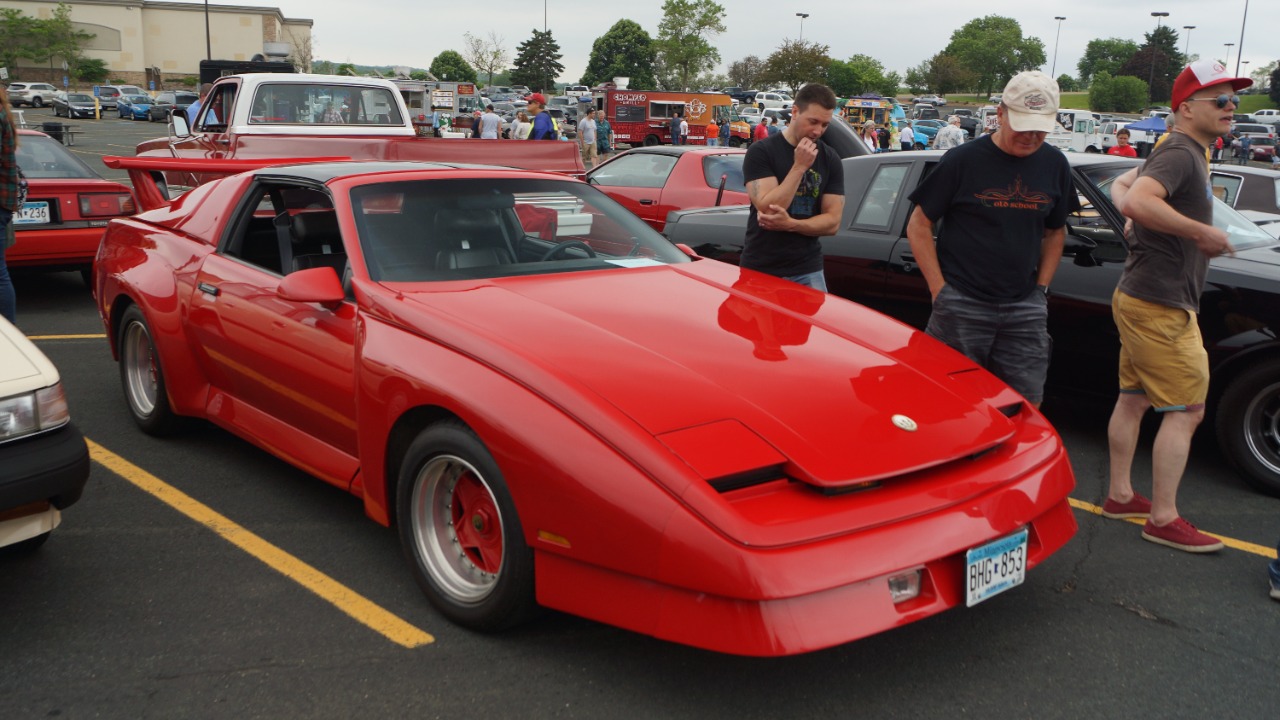
The design and engineering of the Pontiac Tojan involved extensive modifications to the original Pontiac Firebird. The Tojan’s body and chassis were reimagined to include aerodynamic features that would enable it to compete with established supercars. According to The Autopian, these modifications were crucial in transforming the Firebird into a vehicle capable of supercar-level performance.
The 1984 model of the Tojan incorporated several engineering innovations that positioned it as a production car capable of outperforming its peers. As reported by Hagerty, the Tojan’s engineering advancements allowed it to achieve a top speed of 200 mph, a feat that placed it ahead of the Ferrari F40 in terms of speed milestones.
In addition to its aerodynamic enhancements, the Tojan’s design included a unique fiberglass body that was both lightweight and durable, contributing to its impressive speed capabilities. The engineering team focused on optimizing the car’s weight distribution and lowering its center of gravity, which improved handling and stability at high speeds. These changes were essential in ensuring that the Tojan could compete with the best supercars of its time, offering a driving experience that was both thrilling and precise.
Furthermore, the Tojan’s engineering prowess extended to its suspension system, which was re-engineered to provide superior road grip and comfort. The integration of advanced braking systems ensured that the car could safely decelerate from its high speeds, a critical feature for any supercar. The attention to detail in both design and engineering underscored the Tojan’s ambition to not only match but exceed the performance of its European counterparts, making it a standout in the American automotive landscape.
Performance Achievements
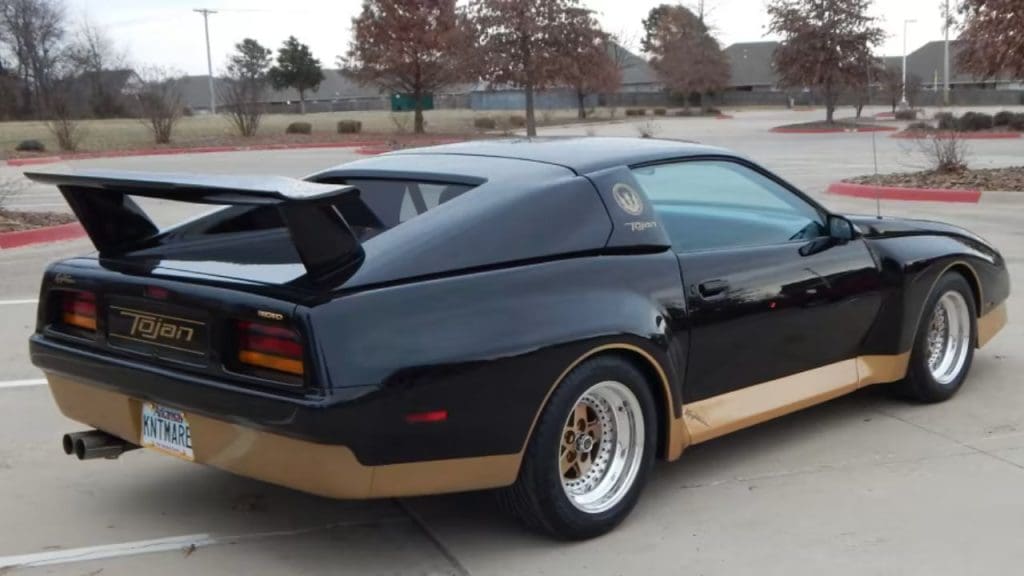
The 1984 Pontiac Tojan’s performance achievements are noteworthy, particularly its verified top speed of 200 mph. This accomplishment marked it as the production car that beat the Ferrari F40 to this significant speed benchmark. As detailed by Hagerty, this achievement underscored the Tojan’s potential as a serious contender in the supercar market.
The Tojan’s powertrain and handling were meticulously tuned to compete with Ferrari models, achieving acceleration and speed that were on par with supercar standards. According to HotCars, these performance characteristics were integral to the Tojan’s design, allowing it to challenge the established norms of the supercar world.
The Tojan’s performance was further enhanced by its powerful engine, which was a modified version of the V8 found in the Pontiac Firebird. This engine was tuned to deliver exceptional horsepower and torque, enabling the Tojan to achieve rapid acceleration and maintain high speeds over long distances. The car’s lightweight construction and aerodynamic design worked in tandem with the engine to maximize performance, making it a formidable presence on the road.
Additionally, the Tojan’s performance was not just about speed; it also excelled in agility and control. The car’s steering system was finely tuned to provide precise feedback, allowing drivers to navigate corners with confidence and ease. This combination of speed, power, and handling made the Tojan a true supercar, capable of competing with the most revered names in the industry. Its achievements in performance were a testament to the innovative spirit of its creators, who dared to challenge the status quo of the supercar world.
Legacy and Modern Interest
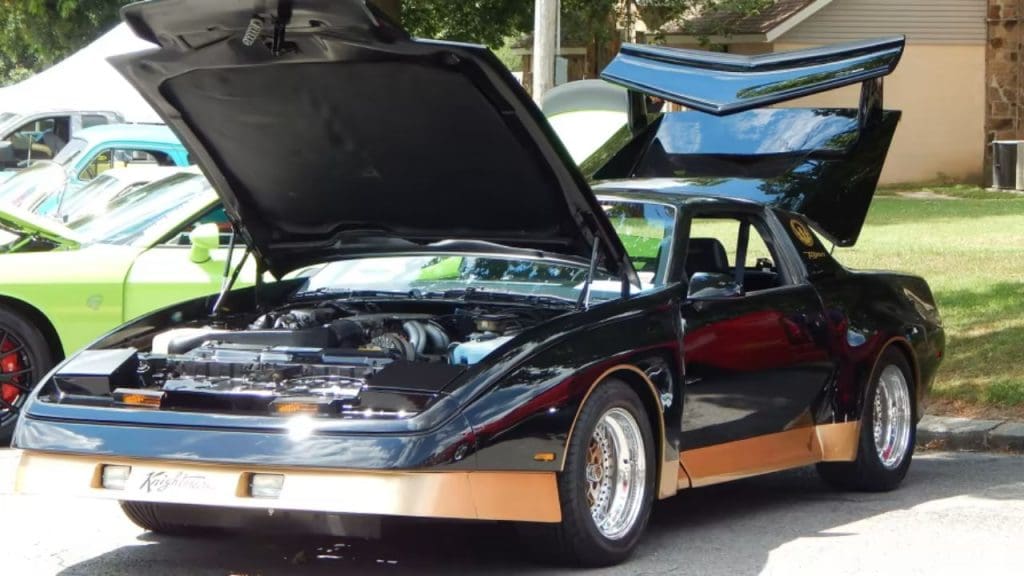
Despite its Ferrari-beating potential, the Pontiac Tojan faded into obscurity, becoming a forgotten gem in automotive history. As noted by HotCars, several factors contributed to its lack of recognition, including limited production numbers and the dominance of European brands in the supercar segment.
In recent years, there has been renewed interest in the Tojan, particularly with a 2022 virtual reinvention concept that seeks to modernize its 1980s design for contemporary audiences. According to AutoEvolution, this concept aims to revive the Tojan’s legacy, highlighting its unique place in automotive history and its potential appeal to modern car enthusiasts.
The Tojan’s legacy is marked by its rarity and the mystique that surrounds it. With only a limited number of units produced, each Tojan is a collector’s item, sought after by enthusiasts who appreciate its unique place in automotive history. The car’s ability to achieve what many thought impossible for an American vehicle of its time has cemented its status as a cult classic, revered by those who value innovation and performance.
Modern interest in the Tojan has been fueled by nostalgia and a growing appreciation for 1980s automotive design. The virtual reinvention concept introduced in 2022 has sparked discussions about the potential for a modern revival, blending classic aesthetics with contemporary technology. This renewed attention highlights the enduring appeal of the Tojan and its potential to inspire future generations of car enthusiasts. As the automotive world continues to evolve, the Tojan’s story serves as a reminder of the bold creativity and ambition that defined an era.
