
The concept of a city designed entirely by Artificial Intelligence (AI) might seem like it belongs in a sci-fi novel. However, this idea is not as far-fetched as it might appear, as AI technology continues to infiltrate and revolutionize various fields, including city design and urban planning. This article will delve into this fascinating, groundbreaking development, discussing its potential benefits, challenges, and implications for our future.
The Increasing Role of AI in Design

AI has been gradually transforming different design fields, from fashion to architecture, and is now set to revolutionize urban planning. A hallmark of AI’s impact is the Como women collection, where fashion was reimagined through the lens of AI. This collection, designed entirely by AI, showcases the potential of machine learning in creating unique and trend-setting designs.
Not only has AI made waves in fashion design, but it’s also been progressively used in architecture and urban planning. AI algorithms can parse through massive amounts of data and make precise calculations to optimize architectural designs. The capability of AI to handle complex tasks, such as predicting pedestrian traffic or sunlight patterns, makes it an invaluable tool in urban design. Studies have shown that AI-driven design can lead to more efficient and sustainable cities, providing a glimpse of what an AI-designed city could look like.
The Concept of an AI-Designed City
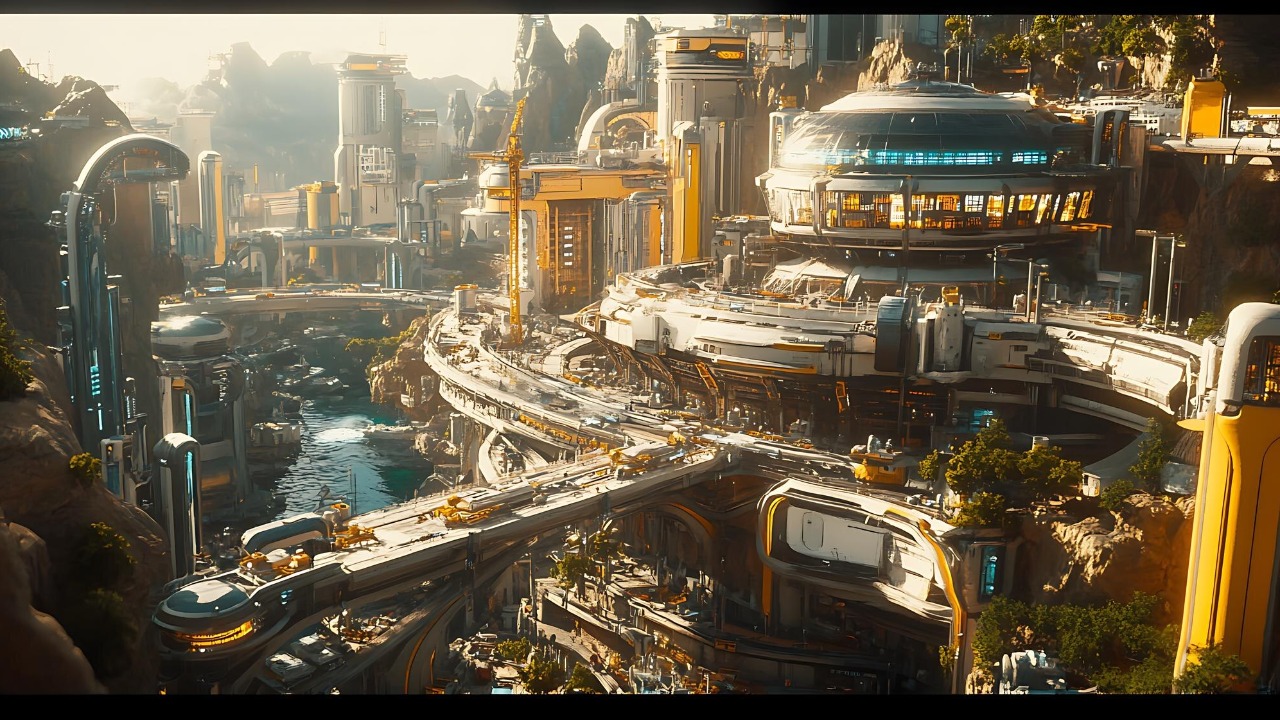
An AI-designed city is a city planned and designed with the help of AI algorithms and machine learning. In such a city, every aspect, from the layout of roads to the design of buildings, is optimized by AI for efficiency and sustainability. This could mean fewer traffic jams, greener buildings, and overall improved quality of life for its inhabitants.
However, the concept of an AI-designed city also brings about numerous challenges and considerations. Ethical issues, for instance, arise when we consider which factors the AI should prioritize in its design. Technical limitations also exist, as the AI would need to analyze and accommodate a vast array of data and variables. Moreover, the prospect of an AI-designed city raises questions about the role of human architects and urban planners. These concerns need to be considered and addressed as we move forward with this exciting new frontier in city design.
The Process of Designing a City With AI

The process of designing a city with AI involves using AI algorithms in conjunction with traditional city planning methods. AI can analyze vast amounts of data, from population density to weather patterns, and use this information to optimize the city design. This could lead to more efficient use of space, better traffic flow, and improved sustainability.
One key player in this process is the AI supercomputer. These powerful machines can handle enormous amounts of data and perform complex calculations at an unprecedented speed. Companies like NVIDIA are leading the way in this field, manufacturing American-made AI supercomputers that are capable of transforming the way we approach city design. NVIDIA’s AI supercomputers are a testament to the potential of AI in managing large-scale architectural projects.
Case Study: The First City Designed by AI

While the idea of an AI-designed city may sound futuristic, it is already becoming a reality. The first city designed entirely by AI showcases the potential of this technology in creating efficient, sustainable, and livable urban environments.
The design features of this city reflect the power of AI in optimizing urban planning. The city boasts an efficient road network designed to minimize traffic, green buildings optimized for energy conservation, and public spaces designed to enhance community interaction. This case study serves as a testament to the potential of AI in revolutionizing city design.
The Future of AI in City Design
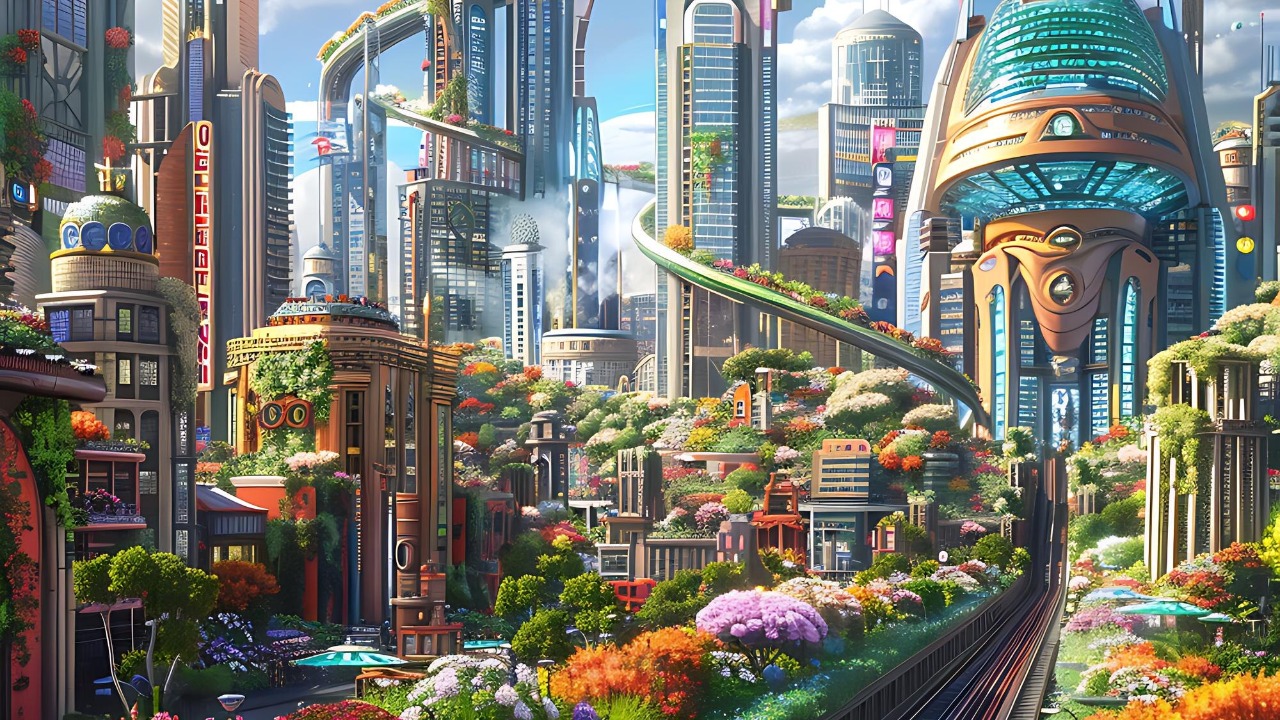
The role of AI in city design is expected to expand in the coming years. With advancements in AI technology, we may see more cities designed with the help of AI, leading to more efficient, sustainable, and livable urban environments. The integration of AI in city design could revolutionize the way we approach urban planning, leading to smarter, greener, and more sustainable cities.
However, the rise of AI in city design also has significant societal implications. As AI becomes more ingrained in city planning, it will be important to ensure that the technology is used ethically and responsibly. This means considering the impact of AI on jobs in the architecture and urban planning sectors, as well as ensuring that AI-designed cities are accessible and equitable for all residents. The future of city design is undoubtedly exciting, and with careful planning and consideration, AI could play a significant role in shaping our urban landscapes.
