The world of medicine has taken a significant leap forward with the first AI-generated drug entering clinical trials. This breakthrough has the potential to revolutionize drug discovery, transforming the landscape of medical science as we know it.
The Genesis of AI-Generated Drugs

The concept of AI in drug discovery is not entirely new, but its practical application is a recent development. The integration of artificial intelligence in the pharmaceutical industry aims to expedite the drug discovery process, which traditionally takes several years and billions of dollars. By analyzing vast amounts of biological data, AI algorithms can predict the potential effectiveness and safety of new compounds, drastically reducing the time and cost associated with drug development.
Artificial intelligence plays a crucial role in speeding up the drug discovery process. It allows researchers to screen millions of chemical structures in a fraction of the time it would take using traditional methods. This capability not only accelerates the discovery of potential drug candidates but also reduces the risk of costly failures later in the development process. For more in-depth information about the role of AI in drug discovery, refer to this article.
The Development of the First AI-Generated Drug

The first AI-generated drug was created by Insilico Medicine, a pioneer in the field of AI-driven drug discovery. The company utilized its proprietary AI algorithms to design a novel drug candidate for an undisclosed disease in less than one month – a process that typically takes years using conventional methods.
The process of AI drug design involves the use of machine learning algorithms to analyze vast amounts of biological and chemical data. These algorithms can predict how different compounds will interact with specific biological targets, allowing for the rapid identification of promising drug candidates. AI drug design offers several advantages over traditional methods, including increased speed, reduced costs, and the potential to discover novel drugs for diseases that currently have no effective treatments. You can read more about Insilico Medicine’s breakthrough on their blog post.
The Journey from Laboratory to Clinical Trials

Before entering clinical trials, the AI-generated drug underwent rigorous pre-clinical testing. This included in-vitro and in-vivo studies to assess the drug’s safety and efficacy. The results of these tests were promising, paving the way for the drug to move into clinical trials.
The transition from lab to clinical trials represents a significant milestone in drug development. It signifies that the drug has shown sufficient promise in pre-clinical studies to warrant testing in humans. However, it’s important to note that clinical trials are a critical and rigorous stage of drug development, designed to evaluate the safety and effectiveness of a drug in a controlled setting.
The Current Status of the Clinical Trials
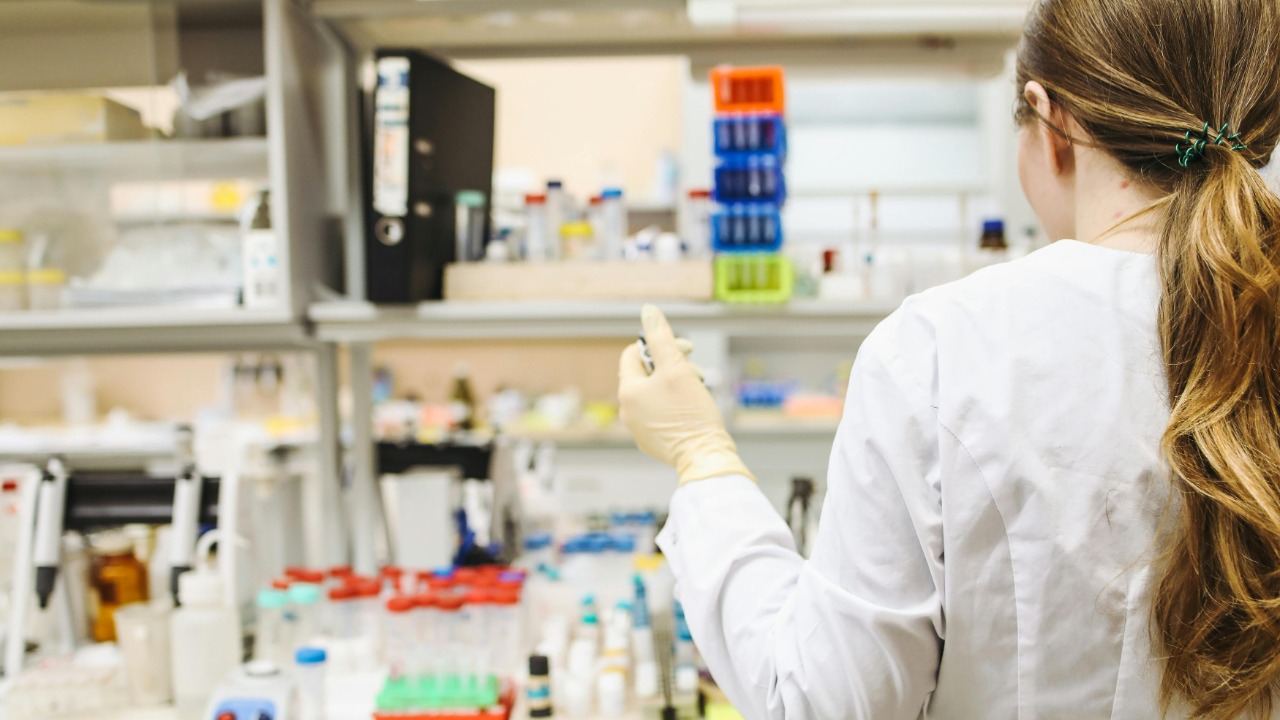
The clinical trials for the AI-generated drug are currently underway, and the process has been progressing smoothly. These trials are designed to evaluate the drug’s safety, dosage, side effects, and efficacy in treating the targeted disease.
The initial results from the trials have been encouraging. The drug appears to be safe and well-tolerated, with no serious adverse events reported. While it’s too early to draw definitive conclusions about the drug’s effectiveness, the positive initial results offer hope that the drug could eventually become a viable treatment option. For more detailed information about the current status of the clinical trials, consider this CNBC report.
The Future Implications of AI in Drug Discovery
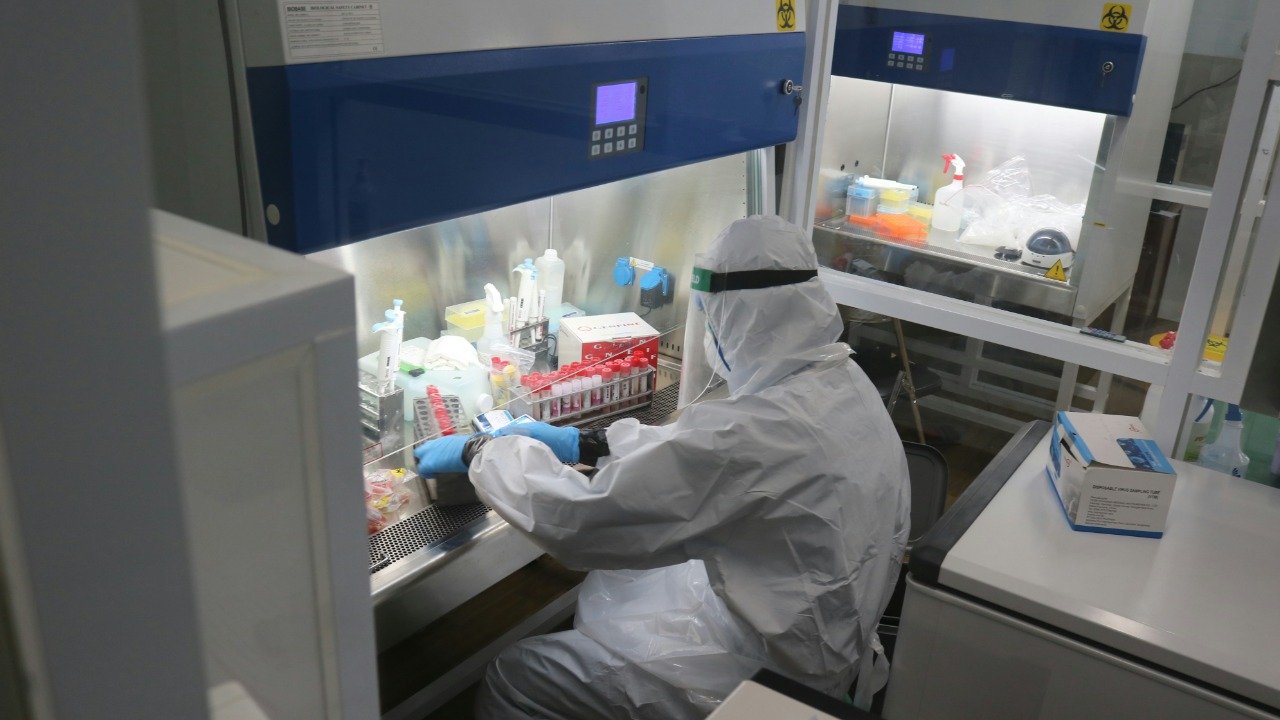
The use of AI in drug discovery holds tremendous potential for the pharmaceutical industry. By accelerating the drug discovery process, AI could enable the development of new treatments for diseases that currently lack effective therapies. Additionally, the ability of AI to analyze vast amounts of data could lead to the discovery of novel drug candidates, further expanding the range of treatable conditions.
However, the integration of AI into drug discovery also presents significant challenges and ethical considerations. For instance, the use of AI algorithms in drug design raises questions about data privacy and security. Moreover, the reliance on AI could potentially lead to job displacement in the pharmaceutical industry. Nonetheless, the potential benefits of AI in drug discovery are substantial, making it an area of intense research and development.
The Impact on Patients and Healthcare

The advent of AI-generated drugs could have profound implications for patients and the healthcare industry. For patients, the development of new drugs could potentially lead to better treatments for a wide range of diseases, improving patient outcomes and quality of life. Additionally, the acceleration of the drug discovery process could lead to faster access to new treatments.
For healthcare providers and the medical community, the integration of AI into drug discovery could revolutionize the way drugs are developed and administered. It could streamline the drug discovery process, reduce costs, and enable the development of personalized treatment plans based on a patient’s unique genetic profile. While the full implications of this technology are yet to be realized, it’s clear that AI-generated drugs represent a promising new frontier in medical science.
