Humanity’s fascination with speed has never ceased, as evidenced by our progress from rudimentary wheels to sophisticated supersonic jets. The latest triumph in this relentless pursuit of speed is the creation and successful launch of the fastest object humanity has ever built, shattering previous records and setting a groundbreaking precedent in the annals of speed.
Unveiling the Fastest Object Ever Built
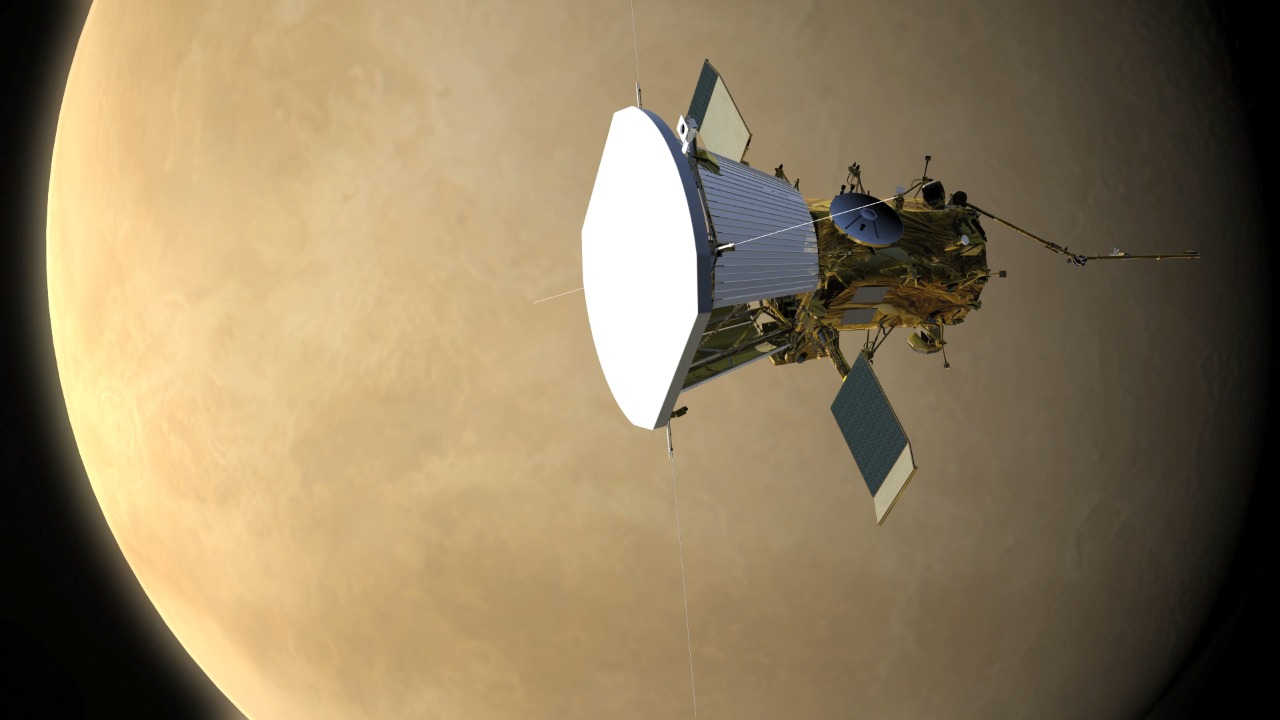
The fastest object ever built by human hands is no ordinary creation. This feat is the result of the tireless efforts of a team of dedicated scientists, engineers, and researchers who pushed the boundaries of what was thought possible. The organization behind this monumental achievement is none other than NASA, the world-renowned space agency that has been at the forefront of space exploration and technological advancement for decades.
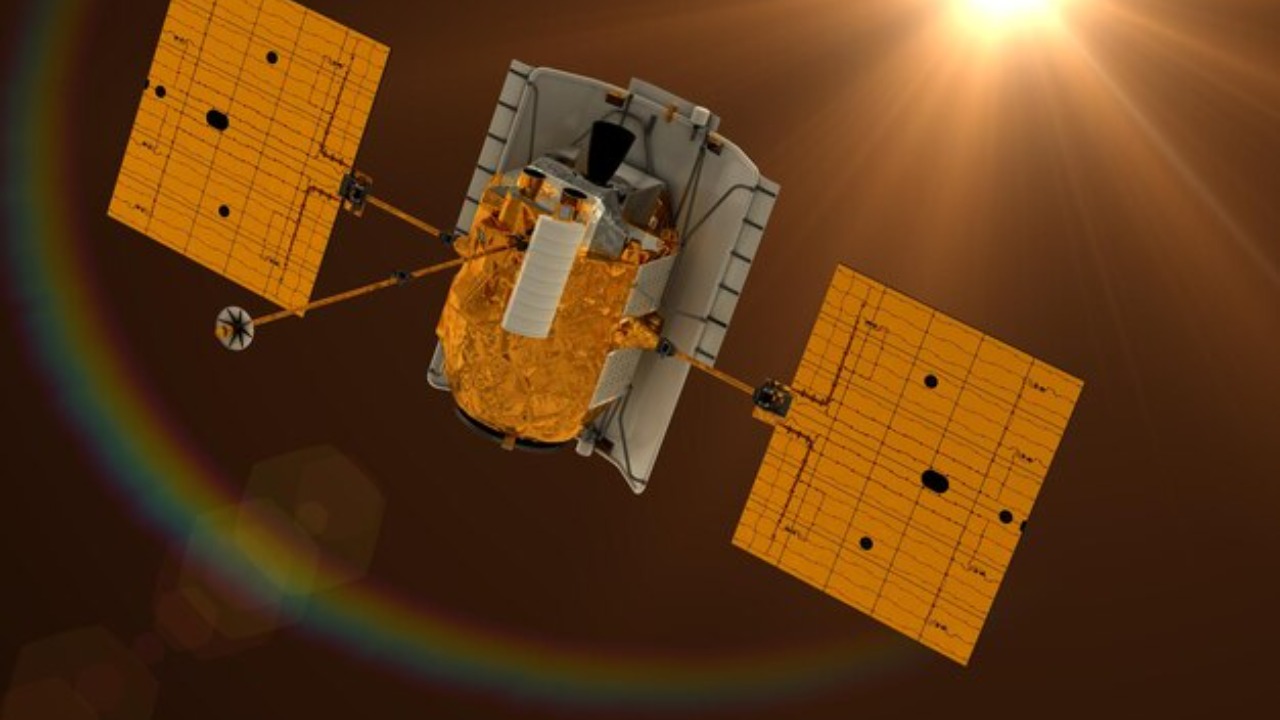
But what is the mission of this fastest object? Its purpose is not mere speed for speed’s sake. Rather, this object, known as the Parker Solar Probe, is on a mission to venture closer to the Sun than any previous spacecraft, providing unprecedented data on solar activity and its effects on Earth.
Achieving the Unprecedented Speed
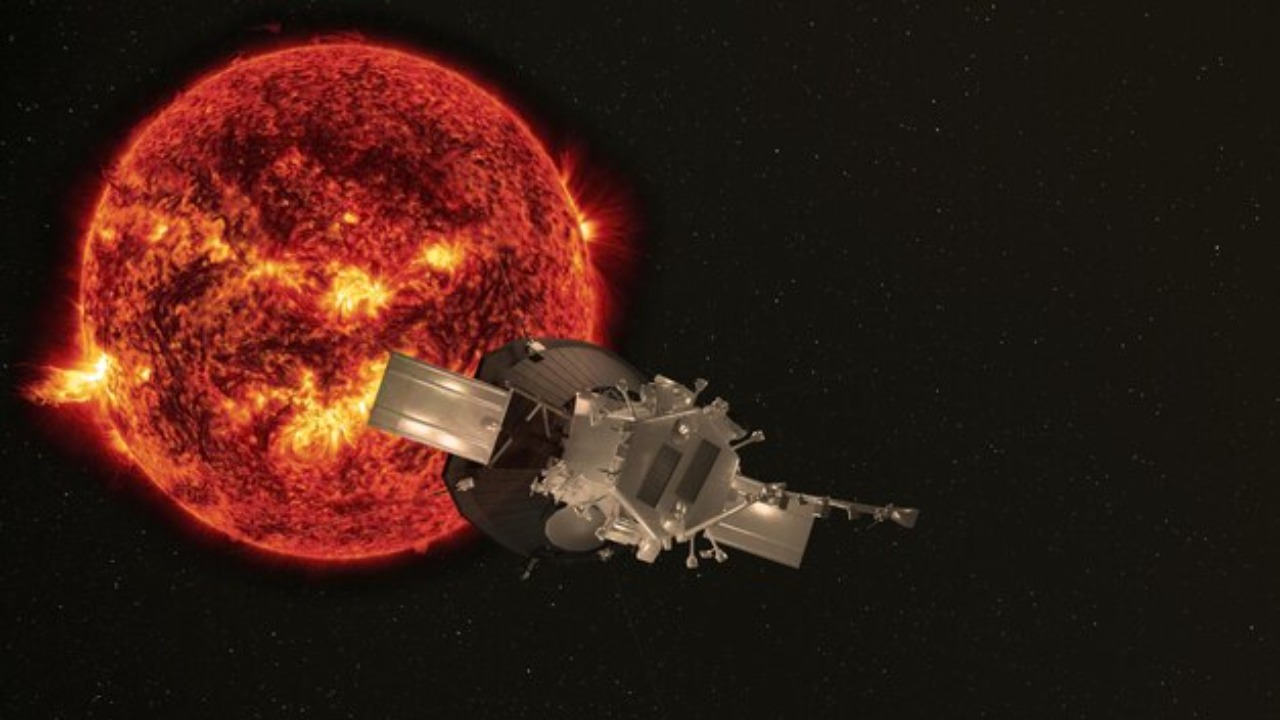
The Parker Solar Probe owes its record-breaking speed to a combination of innovative technology and engineering prowess. The probe utilizes a heat shield capable of withstanding temperatures up to 2,500 degrees Fahrenheit, allowing it to come within 3.83 million miles of the Sun’s surface. This proximity, combined with the Sun’s gravitational pull, propels the probe to speeds that far exceed those of any previous human-made object.
By comparison, the previous fastest object, the Helios 2 spacecraft, reached speeds of 157,078 miles per hour. The Parker Solar Probe, on the other hand, has reached a staggering 330,000 miles per hour. This dramatic increase in speed is a testament to the leaps and bounds made in scientific and technological advancements in recent years.
The Journey of the Fastest Object
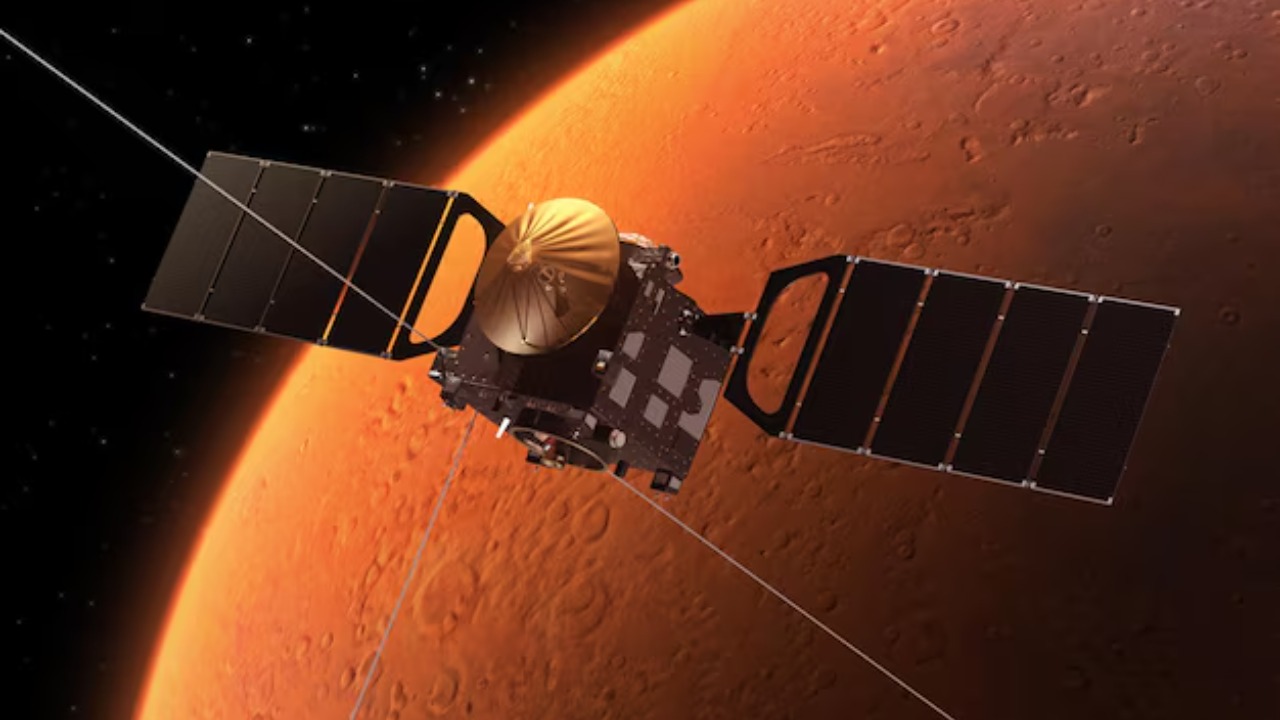
The journey of the Parker Solar Probe is one that is fraught with challenges and milestones. Its trajectory takes it closer to the Sun than any previous mission, a feat that requires exceptional durability and resistance to extreme heat. The probe’s journey is not a straightforward one; it involves a series of complex maneuvers and gravity assists from Venus to get it closer to the Sun.
Despite the numerous challenges faced, the Parker Solar Probe has already broken several records. It has not only become the fastest man-made object, but it has also gone closer to the Sun than any other spacecraft. These achievements are monumental steps forward in our exploration and understanding of space.
Impact on Science and Future Implications
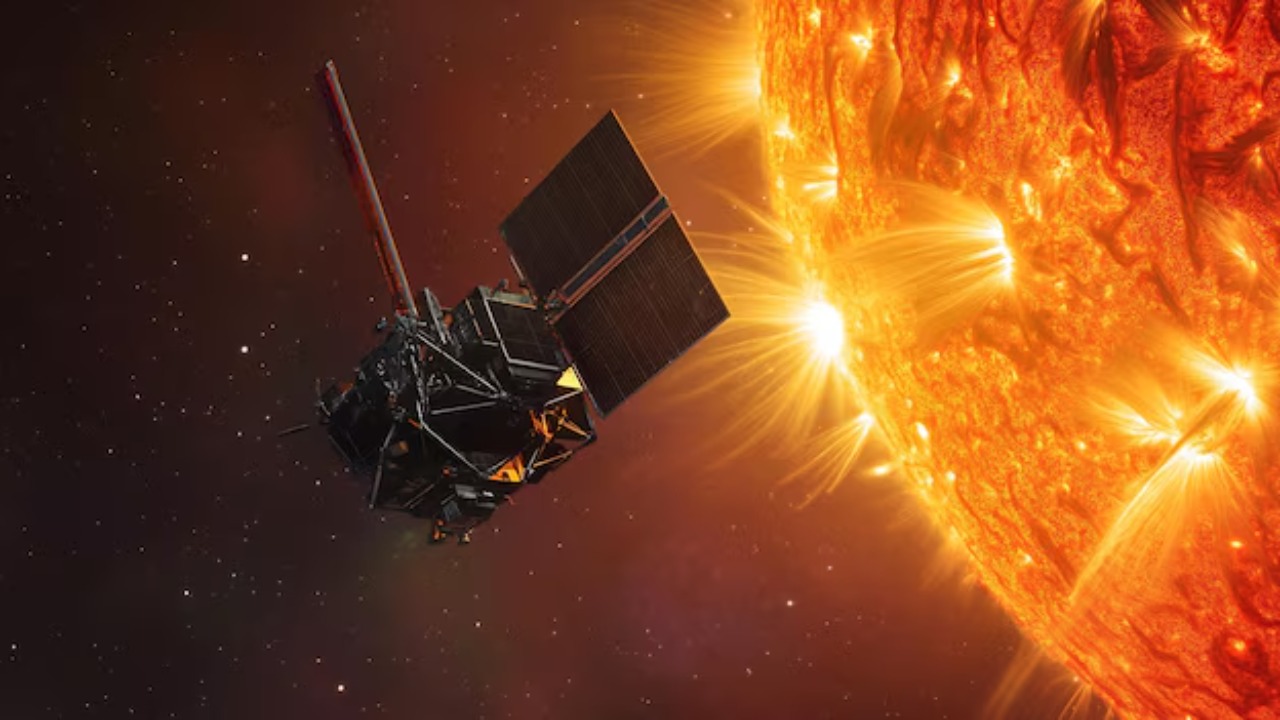
The impact of the Parker Solar Probe on scientific research and understanding cannot be overstated. By venturing closer to the Sun than ever before, the probe is providing valuable data that will enhance our understanding of the Sun and its impact on Earth’s climate and weather patterns. This wealth of information could lead to improvements in our ability to predict solar storms and protect our technology and infrastructure from their damaging effects.
The implications of this mission extend beyond our current scientific understanding. The Parker Solar Probe’s achievements could propel future space exploration and research, opening up new possibilities and encouraging us to continue pushing the boundaries of what we believe is possible. This achievement not only changes how we perceive speed and space but also fuels our curiosity and inspires us to keep exploring.
The Future of Speed and Space Exploration
The future of speed and space exploration looks brighter than ever. With the success of the Parker Solar Probe, we’ve proven that we can build objects that can withstand the harsh conditions of space and achieve unprecedented speeds. This opens up a world of possibilities for future missions, potentially allowing us to explore more distant and uncharted parts of our solar system.
As we continue to break new ground in the realm of speed, we can only imagine what the future holds. Will we build objects even faster than the Parker Solar Probe? Only time will tell. What we do know is that such achievements serve as a beacon of inspiration to future generations, encouraging them to pursue careers in space exploration and research, and continue humanity’s quest for knowledge. Check out this Reddit discussion on the topic for more insights.
