The United States Air Force has a storied history of developing cutting-edge aviation technology, with speed often being a defining factor. Among these advancements, the North American XB-70 Valkyrie stands out as the fastest bomber ever to be part of the US fleet. This remarkable aircraft’s history, design, and legacy continue to captivate aviation enthusiasts and historians alike.
The Genesis of Speed: Development of the XB-70 Valkyrie
Historical Context and Requirements
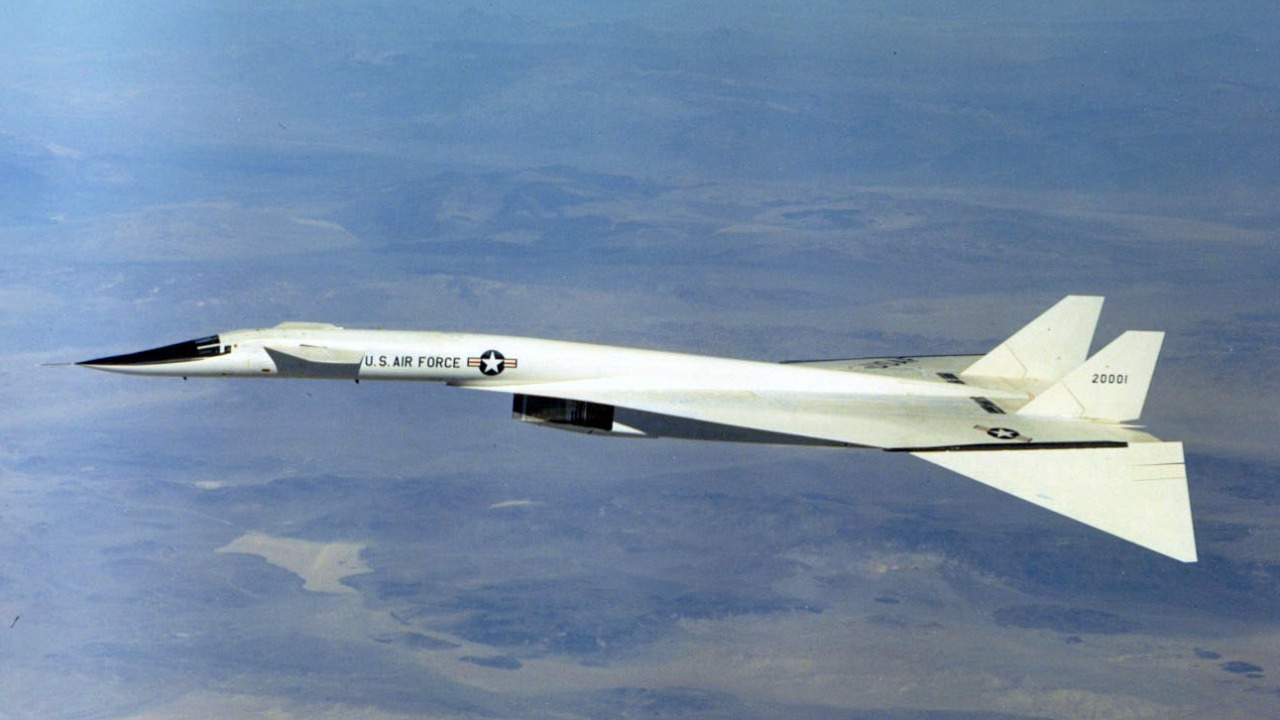
In the aftermath of World War II, rapid advancements in aviation technology were crucial as global powers entered the Cold War era, which placed increasing importance on speed and altitude for military aircraft. The United States, aiming to maintain its strategic advantage, identified a need for a bomber that could outpace enemy interceptors and reach altitudes beyond the range of surface-to-air missiles. This led to the conceptualization of the XB-70, a bomber designed to cruise at Mach 3 and altitudes of 70,000 feet.
The military required a bomber that could deliver nuclear payloads deep into Soviet territory while evading detection and interception. This ambitious goal necessitated the development of an aircraft that pushed the boundaries of speed and technology. It was within this context that the XB-70 Valkyrie emerged as a potential game-changer in strategic bombing.
The Role of North American Aviation
North American Aviation was selected as the primary contractor tasked with bringing the XB-70 to life. This selection was influenced by the company’s impressive track record, including contributions to renowned aircraft like the P-51 Mustang and the F-86 Sabre. North American’s expertise positioned it well to tackle the unprecedented challenges presented by the XB-70 project.
Designing the XB-70 was no small feat. The team faced numerous challenges, including the need to develop materials capable of withstanding the intense heat generated at Mach 3 speeds. Despite these obstacles, the team introduced several innovations that would later influence aviation technology, setting new standards for aircraft design.
Design and Technological Innovations
Aerodynamic Excellence
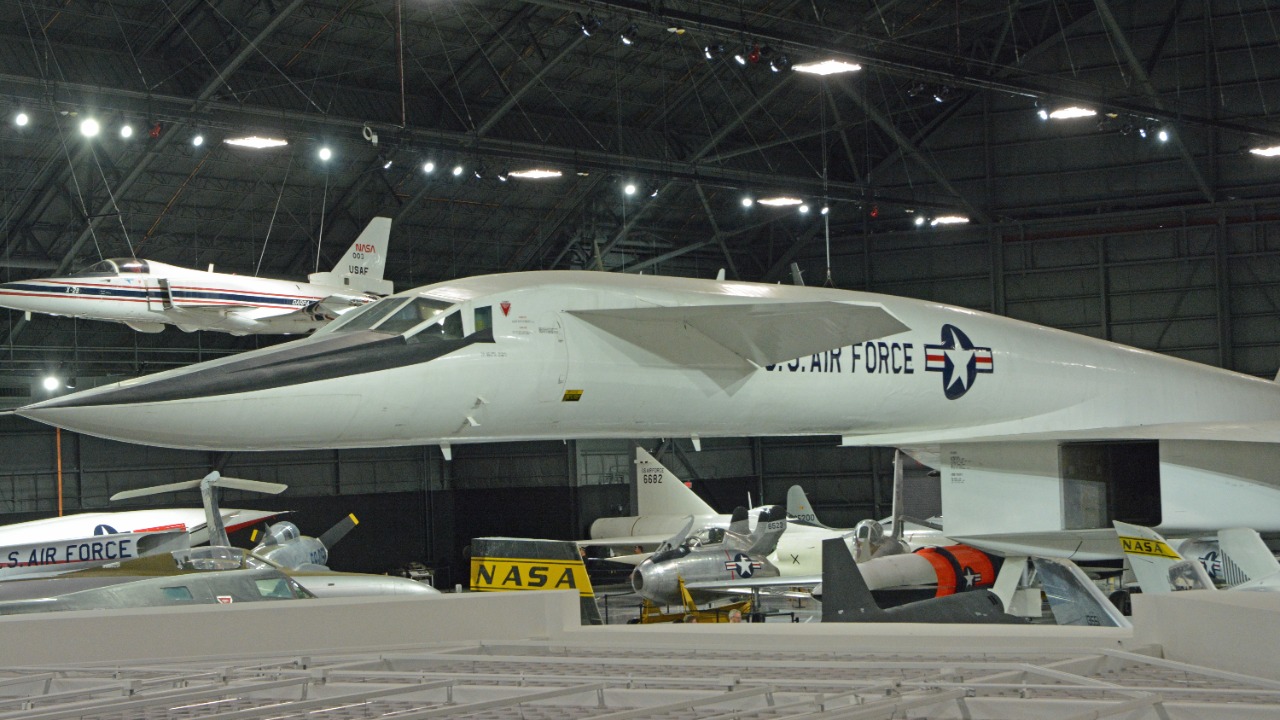
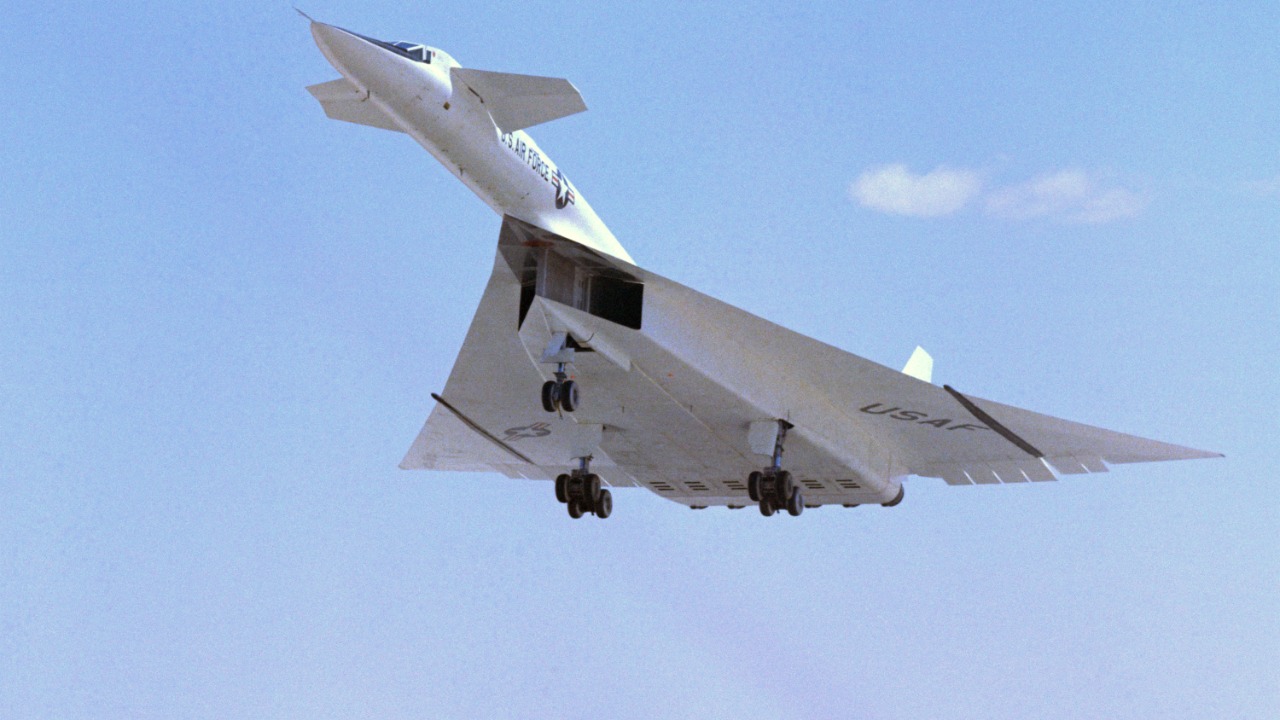
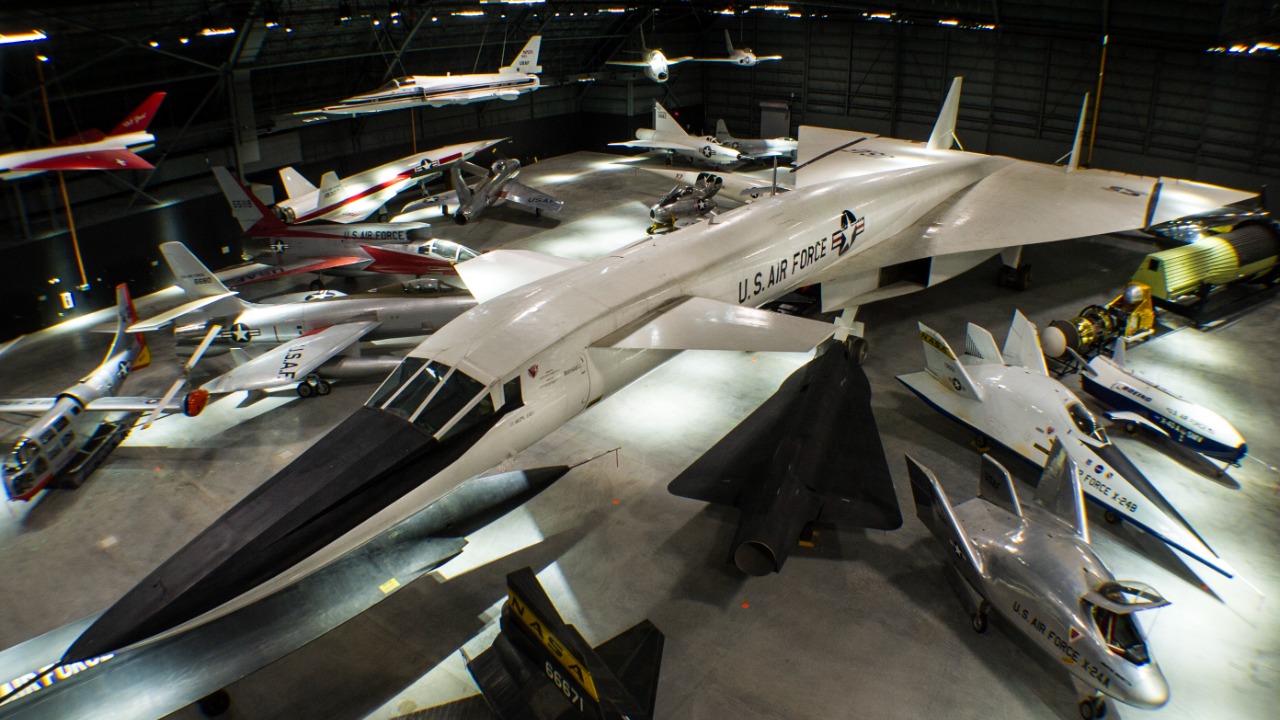
The XB-70 Valkyrie was distinguished by its unique delta wing design, which played a crucial role in achieving its exceptional speed and altitude capabilities. This aerodynamic configuration minimized drag and allowed the aircraft to achieve sustained supersonic flight. The wings also featured a variable-geometry mechanism, enabling them to fold downward during flight to enhance stability and control.
To address the extreme conditions encountered at high speeds, advanced materials such as titanium and stainless steel were employed in the XB-70’s construction. These materials were essential in ensuring the aircraft could endure the high temperatures experienced during supersonic flight, making the XB-70 a marvel of engineering.
Power and Performance
The power behind the XB-70 came from its six General Electric YJ93 engines, which were revolutionary for their time. These engines provided the thrust necessary to propel the aircraft to speeds exceeding Mach 3, a feat few aircraft could achieve. The engines’ efficiency and power were instrumental in setting the XB-70 apart from other bombers of its era.
In terms of performance statistics, the XB-70’s capabilities were unprecedented. It could reach speeds of up to 2,056 miles per hour and had a service ceiling of 77,350 feet. Its range, although limited compared to subsonic bombers, was sufficient for strategic missions, reaffirming its role as a high-speed, high-altitude bomber.
Operational History and Testing
Flight Testing Milestones
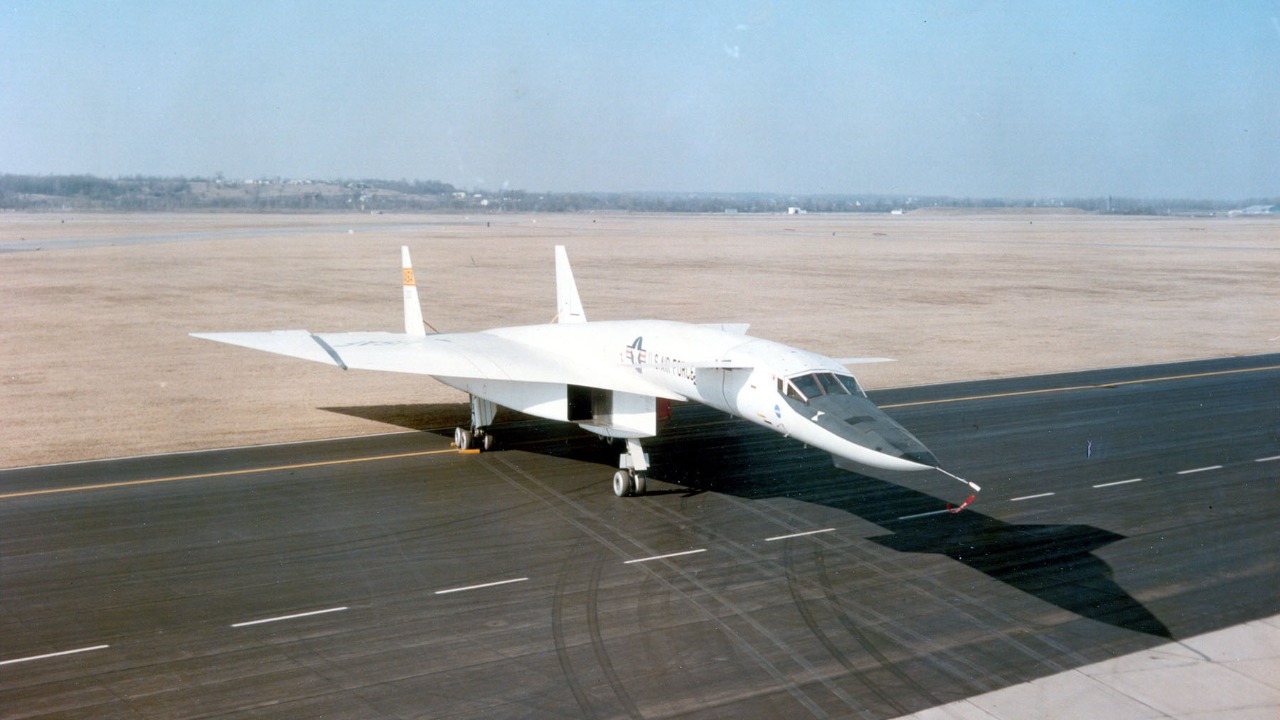
The XB-70 underwent an extensive flight testing program to demonstrate its capabilities and push the boundaries of aviation technology. Key flights included speed and altitude tests that confirmed the aircraft’s ability to reach Mach 3 and operate at extreme altitudes. These tests not only validated the aircraft’s design but also highlighted the potential of supersonic bombers.
During its test program, the XB-70 set several records, including a sustained flight at Mach 3 for over 30 minutes, showcasing its prowess as one of the fastest bombers ever built. Despite these achievements, the XB-70’s operational history was not without challenges.
Challenges and Setbacks
The development and testing of the XB-70 were fraught with technical and political challenges. The complexity of the aircraft’s systems often led to technical setbacks that required innovative solutions. Furthermore, the political landscape of the time saw shifting priorities and defense budget constraints, impacting the program’s progression.
One notable incident was the tragic mid-air collision during a formation flight in 1966, which resulted in the loss of one of the two prototypes. This accident, coupled with evolving military strategies, cast doubt on the viability of continuing the XB-70 program.
The Impact of Geopolitical Forces
Strategic Shifts and Budget Constraints
By the 1960s, strategic shifts and budgetary constraints began to influence the future of the XB-70 program. The emergence of intercontinental ballistic missiles (ICBMs) and advancements in missile technology reduced the perceived need for high-speed bombers. As a result, the military’s focus shifted towards missile-based deterrence, impacting the justification for further investment in the XB-70.
Defense budgets were increasingly scrutinized, and the high costs associated with developing and maintaining the XB-70 fleet became a significant concern. These factors, combined with changing military doctrines, ultimately led to the program’s cancellation, despite the aircraft’s promising capabilities.
International Relations and Espionage Concerns
The XB-70 played a role in the broader context of US-Soviet relations during the Cold War. Its development and capabilities were closely monitored by the Soviet Union, contributing to the arms race dynamics of the era. Concerns about espionage and the potential for technological leaks were prevalent, underscoring the strategic importance of the program.
The XB-70’s presence underscored the United States’ commitment to maintaining air superiority, even as geopolitical forces shifted the focus towards other forms of deterrence. Despite its limited operational history, the XB-70’s influence on international relations and defense strategies was significant.
Legacy and Influence on Future Aviation
Technological Contributions
The innovations developed for the XB-70 program had lasting impacts on aviation technology, influencing subsequent aircraft designs and aerospace engineering practices. The use of advanced materials, aerodynamic principles, and engine technologies paved the way for future advancements in supersonic and hypersonic flight.
Research conducted during the XB-70’s development contributed to greater understanding of high-speed flight dynamics, informing the design and capabilities of future aircraft. The program’s legacy can be seen in modern aerospace engineering, where many of its innovations continue to find application.
Cultural and Symbolic Significance
The XB-70 holds a unique place in American aviation lore, symbolizing the ambition and innovation of an era marked by rapid technological advancement. Its sleek design and groundbreaking capabilities captured the public’s imagination, and it remains a symbol of American ingenuity in aviation.
Media representations and public perception of the XB-70 have further cemented its status as a cultural icon. Despite its brief operational history, the XB-70 continues to be celebrated for its contributions to aviation and its role in shaping the trajectory of military aircraft development.
