The F-35, often hailed as a game-changing, fifth-generation combat aircraft, seems to be facing an unexpected set of challenges in Europe. From technical glitches to interoperability concerns, the issues cropping up have taken many by surprise, raising important questions about the future of this aircraft and its role in European defense.
The F-35 and Its Importance in Europe
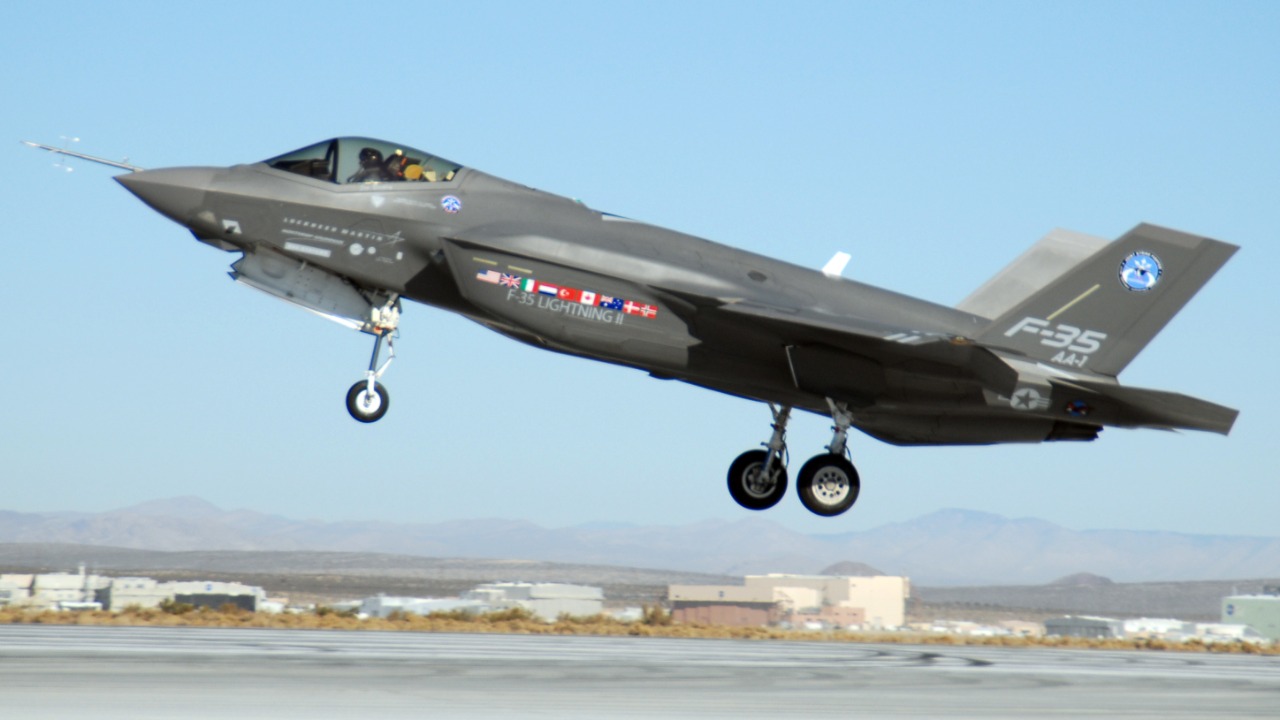
The F-35 fighter aircraft plays a significant role in the European defense strategy. Known for its stealth capabilities, advanced sensors, and network-enabled operations, it’s seen as a cornerstone of modern military defense. The F-35 has been procured by several European countries, including the United Kingdom, Italy, Norway, and the Netherlands, among others.
These nations view the F-35 as a critical asset in their defense arsenal, given the increasing security threats in the region. The aircraft’s unique capabilities make it a powerful tool for ensuring the security of European airspace. Moreover, the F-35’s interoperability allows for seamless cooperation between different countries’ air forces, reinforcing the collective defense approach that underpins NATO’s strategy.
Unforeseen Challenges for the F-35 in Europe
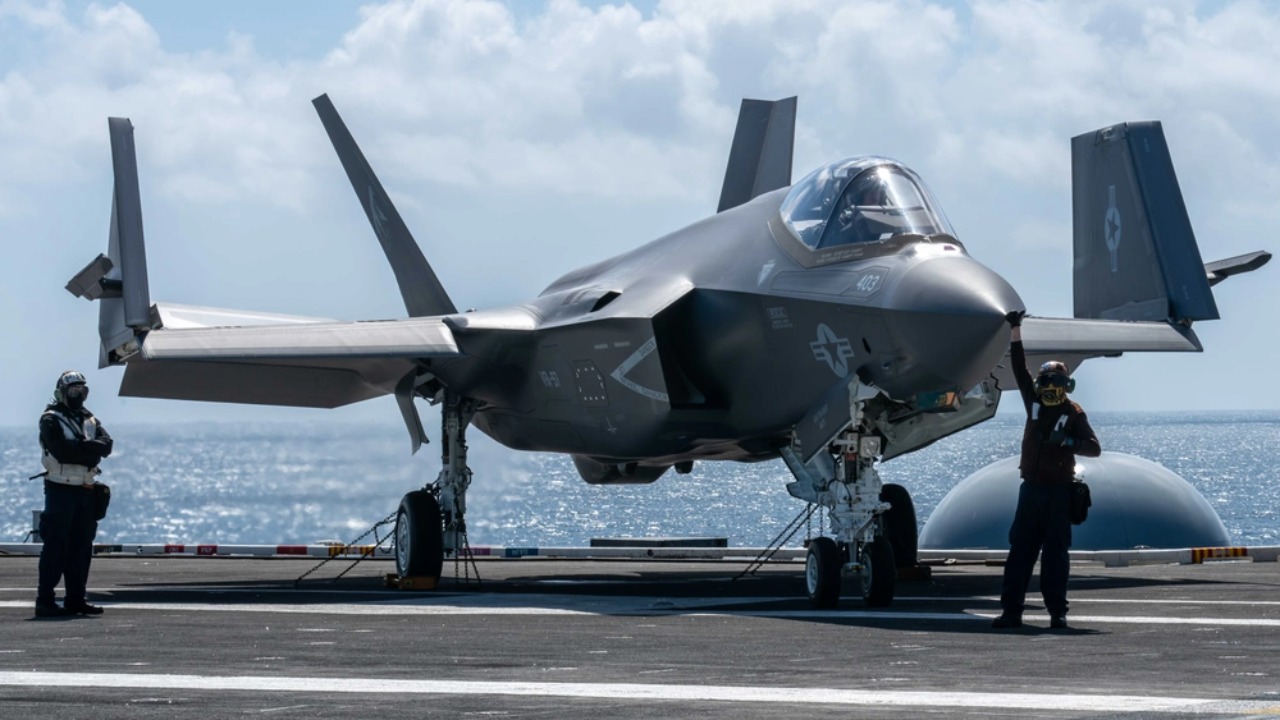
However, the F-35 is encountering unexpected problems in Europe. Technical issues, such as software glitches and maintenance difficulties, have been more frequent than anticipated. Moreover, the F-35’s high operational costs have sparked budgetary concerns among some European governments. According to a report in 19FortyFive, these problems were largely unforeseen, catching both Lockheed Martin and the European governments off guard.
The technical issues have resulted in lower availability rates for the F-35, reducing the number of aircraft ready for missions at any given time. This has raised questions about the aircraft’s reliability and its ability to fulfill its role in the European defense strategy. The high operational costs, on the other hand, have led to debates about the financial viability of maintaining a large F-35 fleet in the long run.
Implications of the F-35’s Problems for European Security
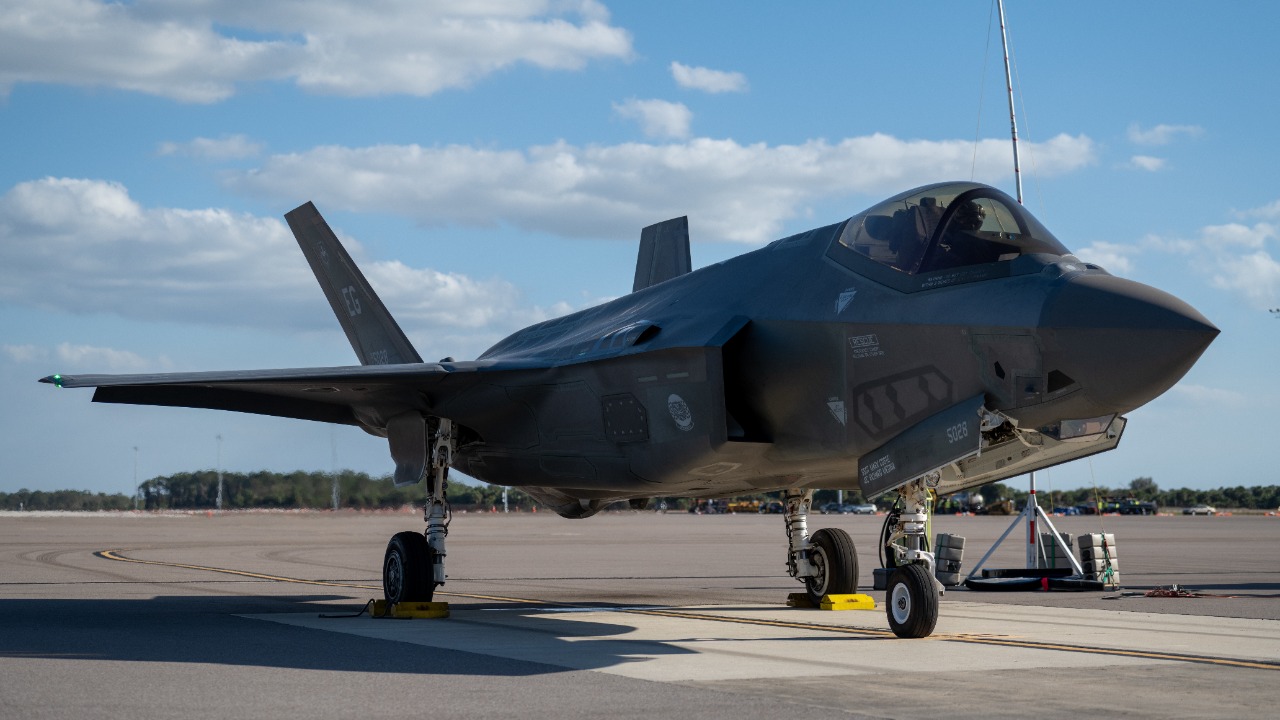
The challenges faced by the F-35 could have serious implications for European security. In particular, the lower availability rates and high operational costs could weaken the collective defense approach of NATO. If the F-35 is not reliably available for missions, it could create gaps in European air defense that adversaries could potentially exploit. Furthermore, if the operational costs prove unsustainable for some countries, it could lead to a reduction in the number of F-35s, further weakening Europe’s defense capabilities.
The F-35’s problems could also affect the interoperability of European forces and the broader NATO alliance. The aircraft’s advanced network-enabled operations allow for seamless cooperation between different countries’ air forces. If the F-35 becomes less dependable, it could disrupt this interoperability, making it harder for NATO forces to coordinate their efforts effectively.
Response from Lockheed Martin and Other Stakeholders
Lockheed Martin, the manufacturer of the F-35, has been actively addressing the issues. According to a publication on ResearchGate, the company is working on software updates to fix the technical glitches and is also exploring ways to lower the aircraft’s operational costs.
Meanwhile, European governments and defense departments are closely monitoring the situation. While they remain committed to the F-35 program, they are also exploring alternatives to ensure their air defense capabilities are not compromised. For example, Sweden has been developing the Gripen E, a next-generation fighter aircraft, as reported by NPR.
Possible Solutions and Future Outlook

Despite the challenges, there are potential solutions to the F-35’s problems in Europe. Lockheed Martin’s efforts to fix the technical issues and reduce operational costs could go a long way in addressing the concerns. Additionally, countries could explore options for sharing the costs of operating F-35s, which would reduce the financial burden on individual nations.
Looking forward, the F-35 is likely to continue playing a key role in the European security landscape. However, its success will depend on how effectively the current challenges are addressed. As detailed in the National Security Journal, the F-35’s future in Europe will hinge on the balance between its advanced capabilities and the practicalities of operating it.
