
The F-117A Nighthawk, once a symbol of cutting-edge stealth technology, has been out of active service for over a decade. Yet, recent developments have revealed that this legendary aircraft is now being repurposed to simulate a Chinese stealth fighter for training exercises. This strategic role highlights the evolving nature of military preparedness and the importance of keeping pace with global advancements in aviation technology.
The Legacy of the F-117A Nighthawk
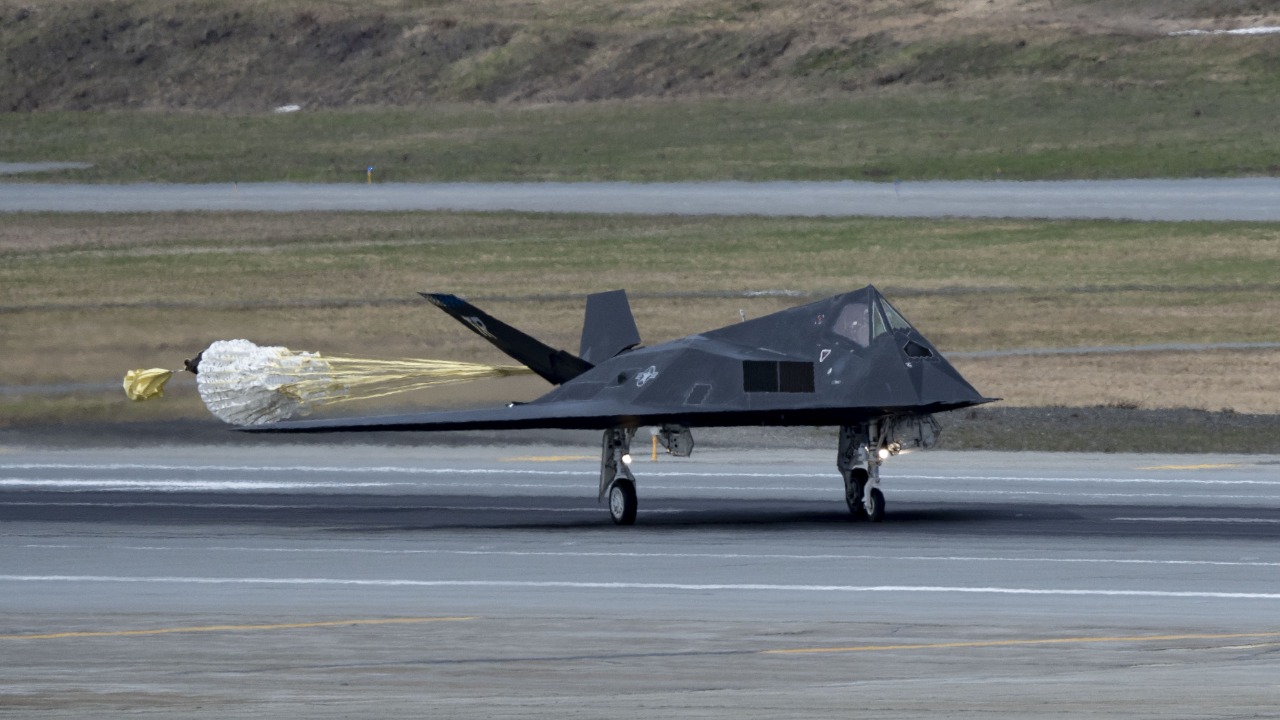
The F-117A Nighthawk is often celebrated as a revolutionary step in stealth technology. Developed in the late 1970s and first flown in secret in 1981, this aircraft was the world’s first operational stealth aircraft. Its unique design allowed it to evade radar detection, a capability that played a crucial role during conflicts such as the Gulf War. Despite its pivotal role, the F-117A was officially retired in 2008, as more advanced stealth fighters like the F-22 Raptor and F-35 Lightning II entered service.
However, the retirement of the F-117A did not mark the end of its operational life. While many of these aircraft were stored in secure locations, a select few have been quietly reactivated for specialized purposes. This unexpected return to service underscores the enduring value of the F-117A’s design and capabilities, which continue to offer unique advantages even decades after their introduction.
The technological advancements pioneered by the F-117A laid the groundwork for subsequent generations of stealth aircraft. Its faceted shape, designed to deflect radar waves, and its use of radar-absorbing materials were groundbreaking at the time and continue to influence modern stealth technology.
The Strategic Importance of Simulation in Military Training
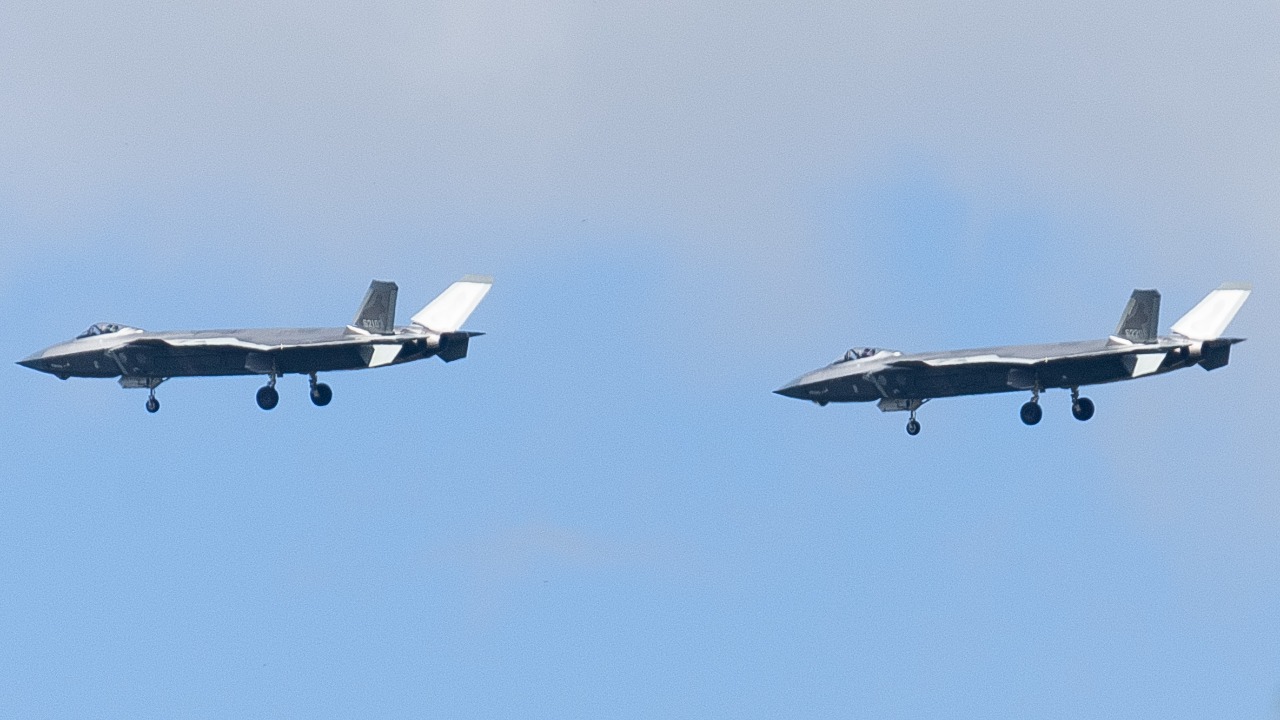
Accurate simulation of enemy aircraft is a crucial component of military training. By simulating the capabilities and tactics of potential adversaries, pilots can hone their skills and develop effective counter-strategies. This is especially important in an era where air superiority is increasingly contested by nations such as China, which has been rapidly advancing its own stealth fighter technology.
The F-117A’s design makes it particularly well-suited for simulating Chinese stealth fighters like the J-20 and FC-31. Its radar-evading characteristics and maneuverability allow it to mimic the flight profiles and stealth features of these aircraft, providing U.S. pilots with realistic training scenarios. The use of decommissioned aircraft like the F-117A for simulation exercises is both a cost-effective and innovative approach to maintaining a tactical edge.
Repurposing retired aircraft for simulation not only extends their operational life but also ensures that current military resources are used efficiently. This approach allows for realistic training environments without the need for developing entirely new systems, thus saving time and resources.
Understanding Chinese Stealth Fighter Technology
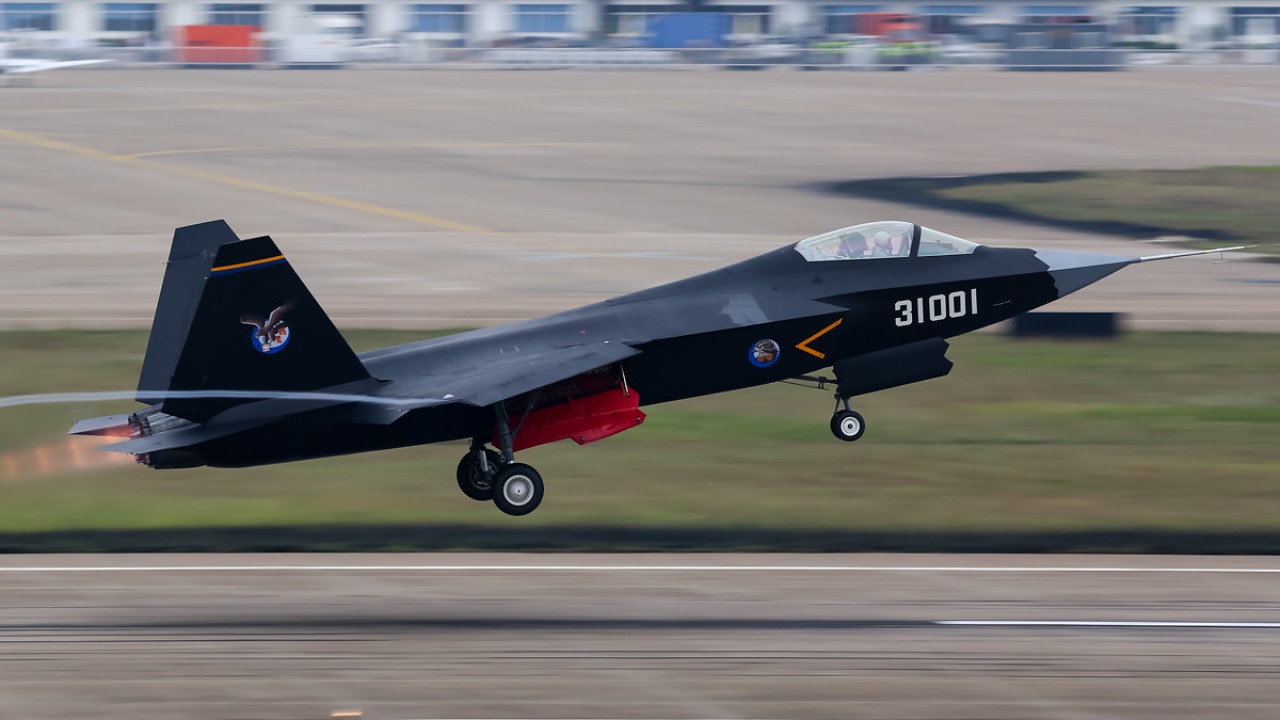
China has made significant strides in developing its stealth fighter capabilities, with the Chengdu J-20 and Shenyang FC-31 being at the forefront. These aircraft incorporate advanced stealth features, such as low-observable technologies and high-performance engines, aimed at reducing radar cross-section and enhancing agility. The J-20, in particular, is designed for long-range missions and is equipped with sophisticated avionics and weapon systems.
The rapid development of Chinese stealth fighters represents a strategic challenge to U.S. air dominance. As China continues to expand its military capabilities, it poses a potential threat to regional stability and global security. Understanding the technological advancements and strategic intentions behind these aircraft is crucial for developing effective countermeasures.
The growing air power capabilities of China underscore the importance of continuous adaptation and innovation in military strategy. By studying and simulating these aircraft, the U.S. can better prepare its pilots and refine its tactics to address emerging threats.
Implications for U.S. Military Readiness
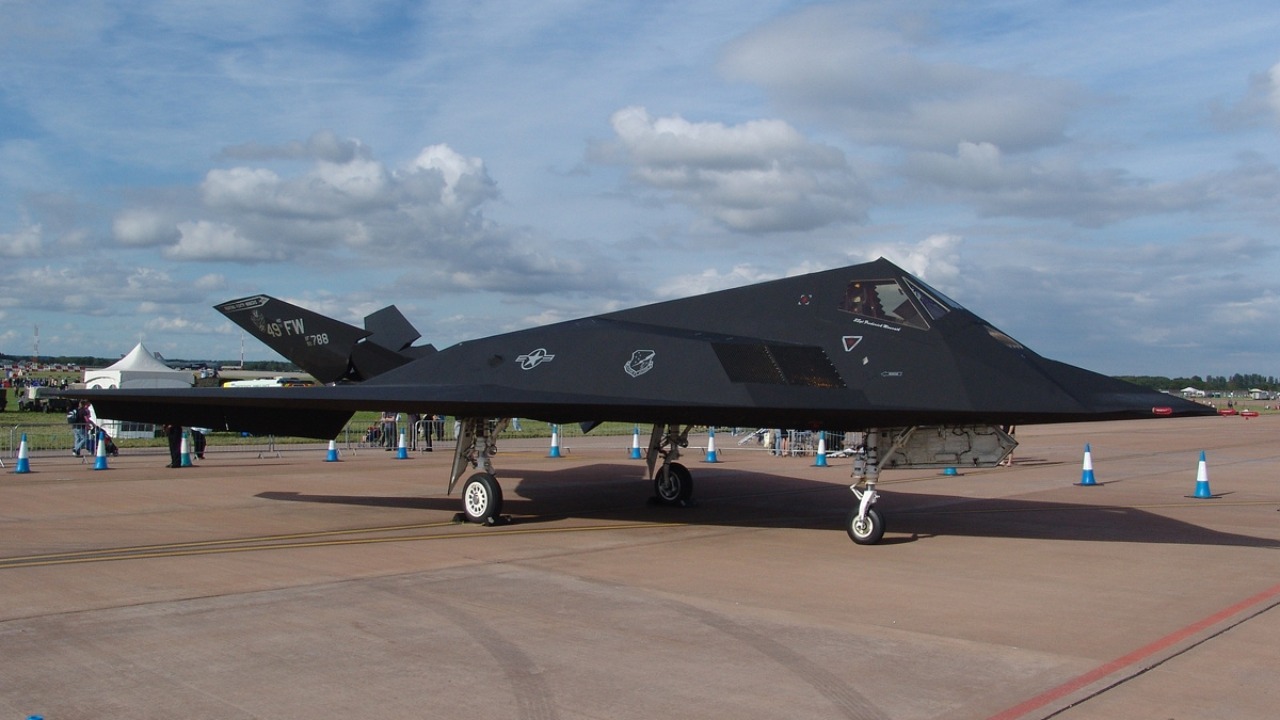
Simulating Chinese stealth fighters with the F-117A enhances U.S. pilot preparedness by providing realistic and challenging training scenarios. This approach helps pilots develop the skills necessary to identify and engage stealthy adversaries, ensuring they are prepared for potential conflicts in the future.
The role of technology and innovation in maintaining a strategic edge cannot be overstated. By leveraging the unique capabilities of the F-117A for simulation purposes, the U.S. military can continue to refine its tactics and strategies. This proactive approach to training ensures that pilots remain ready to face any adversary, regardless of their technological advancements.
Looking ahead, the integration of new technologies and the repurposing of existing assets will be key to staying ahead in the ever-evolving landscape of military aviation. Continued investment in training and simulation capabilities will be essential for maintaining air superiority and ensuring national security.
Challenges and Considerations in Using the F-117A for Simulation
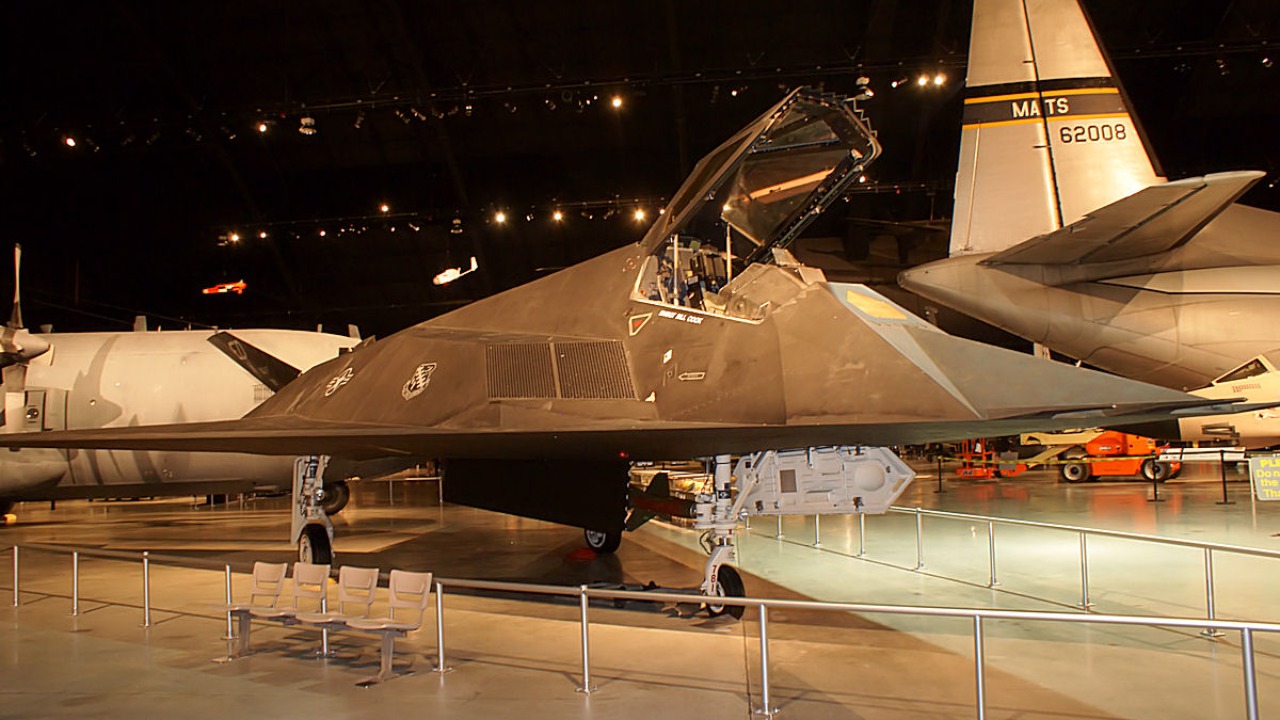
Repurposing the F-117A for simulation roles presents several technical and operational challenges. The aircraft’s age and the wear from previous service necessitate careful maintenance and upgrades to ensure reliability during training exercises. Additionally, the integration of modern avionics and systems may be required to accurately simulate the capabilities of contemporary stealth fighters.
Despite these challenges, using retired aircraft like the F-117A for new missions is a cost-effective strategy. It allows for the utilization of existing assets without the need for significant investment in new platforms. However, the ethical and strategic implications of using military deception and simulation tactics must also be considered. While these practices are essential for effective training, they must be balanced with transparency and accountability to maintain trust and credibility.
In conclusion, the F-117A’s new mission as a simulator of Chinese stealth fighters highlights the dynamic nature of military strategy and training. By leveraging the aircraft’s unique capabilities, the U.S. military can enhance its readiness and maintain a strategic edge in an increasingly competitive global landscape.
